

Scuba Forge is reader-supported: some links on this page are affiliate links, and as an Amazon Associate Scuba Forge earns from qualifying purchases at no extra cost to you. Learn more.
Maximum Operating Depth for a scuba diving computer should typically be at least 40m for recreational use, though technical requirements can exceed 260m. You need to select a depth rating that covers your deepest planned dive plus a safety buffer, ensuring the device remains functional under the specific pressure of your environment.
Recommended Maximum Operating Depth Values by Use Case
| Use Case | Recommended Maximum Operating Depth | Why this number |
|---|---|---|
| Recreational trips to 30m | At least 30m | Matches the planned depth of the trip. |
| Nitrox diving | At least 40m | Standard recreational limits often cap at 40m for nitrox. |
| Deep freediving sessions | 40m to 100m | Covers standard deep training ranges. |
| Deep technical dives | At least 260m | Required for high-depth technical exploration. |
Examples from this category, each with its own review here
Each of the 3 shown here has its own full review on this site; they run from $249.95 to $489.99.


What happens if you go under or overbuy a scuba diving computer?
The Maximum Operating Depth of a scuba diving computer defines the deepest point the device can safely function. If you exceed this limit, the internal pressure can compromise the housing seals or the screen, leading to water ingress. Water entering the electronics typically causes immediate failure of the display or the processing unit, rendering the device useless during a dive.
For a detailed technical breakdown, look at our full Suunto Ocean review to see how it handles deep water.
High depth ratings on dive computers increase the purchase price
Overbuying a depth rating involves paying for a high Maximum Operating Depth that you will never utilize. A computer rated for 260m costs more than a unit rated for 40m because of the specialized materials and testing required for high-pressure environments. If you only plan to dive in shallow waters, choosing a technical-grade depth rating results in a higher price point for a capability that remains dormant.
What is the mistake most buyers make with Maximum Operating Depth?
The most common mistake with Maximum Operating Depth is assuming that a high depth rating compensates for other limitations like battery life or gas integration. Buyers often focus on the maximum depth because it is a prominent number, but this can lead to selecting a device that lacks the necessary features for their specific dive type. For example, a high-depth computer might lack the specific gas switching logic required for a complex technical dive.
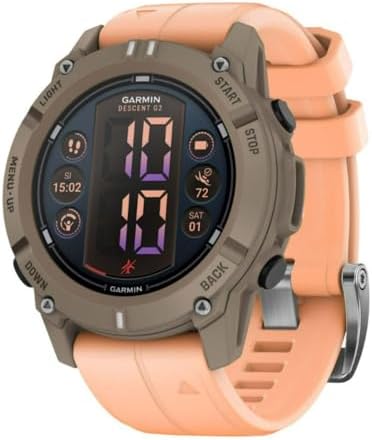
You can find a comprehensive spec breakdown in our full Descent G2 review to see its advanced features.
Matching a dive computer to your primary depth profile saves money
You should optimize for the specific requirements of your primary dive profile instead of chasing the highest possible depth number. If you spend your time in the 18m to 30m range, a 40m rated computer provides a sufficient safety margin without the cost of a deep-diving unit. Selecting a device that matches your actual environment ensures you have the correct features, such as specific decompression algorithms or user interfaces, that matter for your daily use.
How does Maximum Operating Depth interact with other scuba diving computer specs?
Maximum Operating Depth interacts with other scuba diving computer specs because the physical housing required for depth often impacts the size and weight of the unit. A device built to withstand 260m of pressure requires thicker materials and reinforced seals, which can make the casing bulkier than a 40m-rated model. This physical trade-off means that a high depth rating may result in a larger footprint on your wrist or a heavier feel during use.
For a deep dive into the specs, view our full Scubapro G2 Wrist review to see its performance.
Balancing dive computer depth ratings with sufficient battery runtime
A high Maximum Operating Depth is often wasted if the battery life does not support the duration of the dives you intend to perform. Deep dives often require longer bottom times and more complex decompression stops, which draw more power from the internal battery. If a computer has a 260m rating but a small battery, it may shut down before you complete a long, deep profile. You must balance the depth rating against the runtime to ensure the device stays powered throughout your entire dive.
Display clarity ensures readable data at high pressure depths
The display resolution and clarity also play a role in how you perceive the data provided by the Maximum Operating Depth. At greater depths, the pressure on the screen can affect visibility if the material is not chosen correctly. While the depth rating confirms the device won’t break, the screen quality determines how easily you can read your remaining gas and depth numbers. Choosing a device with a clear display ensures that the data you need is accessible regardless of the pressure environment.