

Scuba Forge is reader-supported: some links on this page are affiliate links, and as an Amazon Associate Scuba Forge earns from qualifying purchases at no extra cost to you. Learn more.
Scuba diving computer warranties typically span a range of 1 to 3 years, with the most common reason for a claim refusal being evidence of physical impact or water ingress caused by exceeding the rated depth. You need to verify the specific coverage period before you purchase a device, as many manufacturers offer different durations based on the region of sale. Check the warranty document for the specific number of months provided to ensure it covers your intended ownership period.
What does a scuba diving computer warranty normally cover?
A scuba diving computer warranty normally covers manufacturing defects in the internal electronics and the housing assembly. This means the coverage applies to the hardware components that are expected to function correctly under normal operating conditions within the specified limits. If a button fails to register a press or the screen fails to illuminate due to a component failure, the warranty is the primary mechanism for repair or replacement.
Included coverage for underwater computers
- Internal circuitry failures including the main processor and memory modules.
- Defects in the liquid crystal display (LCD) or OLED panel that are not caused by external pressure.
- Failure of the internal battery housing or charging circuitry.
- Faulty buttons or switches that do not respond to physical input.
- Manufacturing flaws in the seals that allow moisture to enter the device.
Exclusions for subsurface computers
- Damage resulting from impacts, drops, or collisions with rocks or boat hulls.
- Water ingress caused by exceeding the maximum operating depth of the device.
- Corrosion of the housing or buttons caused by salt water or chemical exposure.
- Damage from unauthorized software modifications or firmware tampering.
- Normal wear and tear on external straps, buckles, or non-electronic accessories.
- Damage caused by extreme temperatures or exposure to UV radiation.
How manufacturing defects and user damage affect dive computer warranties
Warranty coverage works like a car’s bumper warranty: it covers a factory defect in the metal, but not a dent from a collision. If the hardware fails because it was built incorrectly, the manufacturer replaces it; if it fails because it hit a reef, the claim is denied. Choosing a device with a shorter warranty period can cost you the full replacement price of the unit if a manufacturing defect appears in year three.
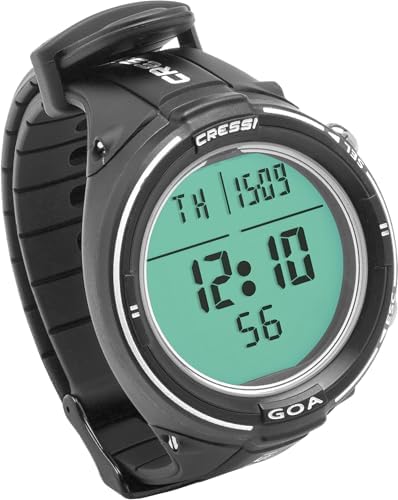
Examples from this category, each with its own review here
3 options shown here, $249.95 to $580, each with its own full review behind its name.
Serious explorers should look at how to stay safe during deep technical dives under 260m to ensure their equipment handles extreme pressures.


How does the purchase location change the warranty?
How the purchase location changes the warranty depends on the legal relationship between the seller and the manufacturer. Different channels of distribution create different pathways for a claim, and understanding these paths is necessary before you commit to a specific seller.
What a direct manufacturer purchase means for a claim
A direct manufacturer purchase ensures you are dealing with the primary source of the warranty. In this scenario, the claim process is usually the most straightforward because the manufacturer owns the data and the replacement stock. You follow the direct instructions provided on the official website, and the manufacturer handles the logistics of the repair or replacement directly.
What an authorized retailer purchase means for a claim
An authorized retailer purchase means the seller has a formal agreement to service the products they sell. When a claim is made, the retailer often acts as the first point of contact, potentially handling the shipping and initial diagnostic. This can speed up the process as you may not have to ship the device directly to a central warehouse in another country.
If you are looking for different options, explore the alternatives to a scuba diving computer to see other tracking methods.
What a marketplace seller purchase means for a claim
A marketplace seller purchase involves a third-party entity that may not be affiliated with the brand. In this case, the manufacturer may refuse to honor a warranty if the seller is not an authorized distributor. You may be forced to deal with the marketplace’s own return policy, which is often limited to a short window of 30 days rather than the full warranty period.
What a refurbished or open-box purchase means for a claim
A refurbished or open-box purchase often carries a significantly different or non-existent manufacturer warranty. These units are sold as-is, and the “warranty” is usually provided by the refurbisher rather than the original maker. If the device fails, you must rely on the refurbisher’s specific terms, which may only cover the device for 90 days or less.
What an importer or grey-market seller purchase means for a claim
An importer or grey-market seller purchase involves a product intended for a different geographic region. Because the serial numbers are not registered in the local region, the manufacturer may refuse to provide service or parts. This creates a risk where the device is technically “out of warranty” despite being new, because the manufacturer cannot verify the legal path of the sale.
You can view the full technical analysis in our full Suunto Ocean review to see how it performs.
What actions void a scuba diving computer warranty?
What actions void a scuba diving computer warranty involves any activity that deviates from the intended use or specified maintenance. Manufacturers use these exclusions to limit their liability for environmental damage that is outside of their control.
Physical impact and structural damage
Physical impact voids the warranty if the housing shows signs of cracking, denting, or structural deformation. Because these devices are designed to withstand pressure, any breach in the structural integrity is viewed as a result of an accident rather than a manufacturing flaw. A cracked screen or a crushed button housing will result in an immediate denial of the claim.
Exceeding the maximum operating depth
Exceeding the maximum operating depth voids the warranty by introducing pressures that the seals were not designed to withstand. If a device is recovered from a depth beyond its rating, the manufacturer will assume the seal failed due to over-pressurization. This is a definitive limit; a device rated for 40 meters will not be covered if it is found at 50 meters.
Detailed data on this specific Garmin model is available in our full Descent G2 review for potential buyers.
Unauthorized repairs and software tampering
Unauthorized repairs and software tampering void the warranty if the device is opened or modified by a third party. This includes attempting to replace the battery, opening the housing to clean internal components, or installing unofficial firmware. If the manufacturer’s unique seals are broken or the software checksum fails, the device is no longer eligible for coverage.
What should you do before buying to ensure a claim works?
What you should do before buying to ensure a claim works involves gathering documentation and establishing a clear record of ownership. Following these steps ensures that when a failure occurs, the evidence supports your claim rather than the manufacturer’s denial.
Documentation and proof of purchase
Keep a digital copy of the original receipt and the serial number from the moment of purchase. Many manufacturers require a dated invoice to prove the date of sale and the authorized point of origin. A photo of the serial number on the device, taken at the time of purchase, can help if the sticker becomes worn or damaged over time.
For a thorough breakdown of this popular unit, see our full Perdix 2 review for detailed specifications.
Registering a dive computer on the manufacturer portal simplifies claims
Register the device on the manufacturer’s official portal as soon as it is received. Registration often links the serial number to your identity and the date of sale in the manufacturer’s system. This step simplifies the claim process because the manufacturer can verify your eligibility without requesting additional proof of purchase.
Logging depth and usage history
Maintain a consistent log of the depths and durations you use the device. If a claim is contested, showing a history of use within the rated limits can counter a claim that the device was over-pressurized. A consistent log serves as a record of the environment in which the device functioned correctly until the point of failure.
When is an extended warranty worth it for a scuba diving computer?
An extended warranty is worth it if you plan to keep the device for more than three years and require protection against non-impact failures. It is not worth it if you frequently use the device in high-impact environments or if you plan to upgrade to a newer model within the standard warranty period. If you are a frequent diver who values long-term hardware reliability, a 3-year extension provides a safety net against internal component degradation. However, if you are a casual user who only dives once a month, the cost of an extended warranty may exceed the depreciated value of the device itself.
The other scuba diving computer guides we have published
- Which Scuba Diving Computer Keeps You Safe During Deep Technical Dives Under 260m?
- The Scuba Diving Computers That See My Dive Data on My Phone
- The Scuba Diving Computers That Work Best for Beginners
- Which Freediving Computer Is Best for Entry Level Use?
- Best Watch Style Dive Computers
- Scuba Diving Computers for Multisport Training Compared