
Scuba regulators, piston regulators, diaphragm regulators, yoke regulators, DIN regulators, and regulator sets solve first-stage compatibility, breathing resistance at depth, and cold-water readiness for new buyers. Oceanic Pony Gauge leads this use case with a 5,000 psi reading range and nitrox compatibility to 100 O2. Save time by checking the Comparison Grid below first, then compare prices without reading every detail.
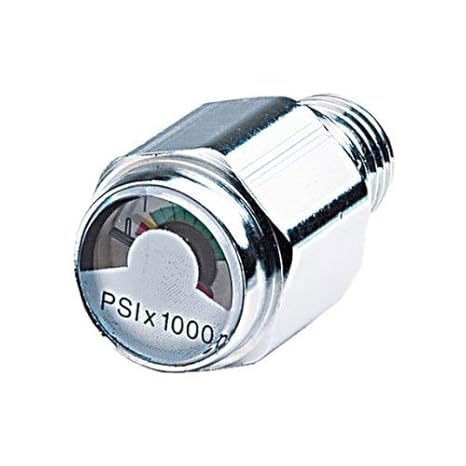
Oceanic Pony Gauge
Pressure Gauge
Compatibility Fit: ★★★★★ (standard first-stage HP port)
Breathing Ease: ★★★☆☆ (gauge only)
Cold Water Readiness: ★★★☆☆ (one-way safety valve)
Depth Performance: ★★★★★ (5,000 psi)
Ownership Cost: ★★★★☆ ($39.95)
Upgrade Value: ★★★★☆ (100 O2 nitrox)
Typical Oceanic Pony Gauge price: $39.95
Oxygen Cylinder Wrenches
Valve Wrenches

Compatibility Fit: ★★★★☆ (CGA-870 valves)
Breathing Ease: ★★★☆☆ (wrench set)
Cold Water Readiness: ★★★☆☆ (backup washers)
Depth Performance: ★★★☆☆ (non-pressure tool)
Ownership Cost: ★★★★★ ($17.95)
Upgrade Value: ★★★★☆ (10 brass washers)
Typical Oxygen Cylinder Wrenches price: $17.95
Trident O-Ring Kit
O-Ring Kit

Compatibility Fit: ★★★★☆ (valves, regulator, hoses)
Breathing Ease: ★★★☆☆ (seal kit)
Cold Water Readiness: ★★★☆☆ (replacement seals)
Depth Performance: ★★★☆☆ (multiple applications)
Ownership Cost: ★★★★★ ($12.00)
Upgrade Value: ★★★★☆ (save-a-dive kit)
Typical Trident O-Ring Kit price: $12
Top 3 Products for Regulators (2026)
1. Oceanic Pony Gauge Compact Pressure Monitor
Editors Choice Best Overall
The Oceanic Pony Gauge suits first-time buyers who want a simple pressure check on a standard first stage high-pressure port.
The Oceanic Pony Gauge reads to 5,000 psi, supports nitrox to 100 O2, and uses large color markers for quick reading.
Buyers who need full regulator sets or cold water certification will need a different product, because the Oceanic Pony Gauge is only a gauge.
2. Oxygen Cylinder Wrenches Backup Valve Tool Kit
Runner-Up Best Performance
The Oxygen Cylinder Wrenches fit buyers who need spare tools for CGA-870 valves and yoke washer changes.
The Oxygen Cylinder Wrenches include 5 ABS plastic wrenches and 10 brass yoke washers, with 2 washers per wrench.
First-time buyers who want breathing resistance testing or first stage compatibility will not get that from this wrench kit.
3. Trident O-Ring Kit Affordable Save-a-Dive Kit
Best Value Price-to-Performance
The Trident O-Ring Kit suits first-time buyers who want spare seals for valves, regulators, and hoses.
The Trident O-Ring Kit costs $12 and covers multiple applications in one save-a-dive package.
Buyers who need yoke vs DIN compatibility or a regulator set value comparison will need separate regulator hardware.
Not Sure Which Regulators-Reviewed Accessory Fits Your First Dive Setup?
One buyer is matching a yoke valve before a first local dive, another is checking cold water safety for a 6 C site, and a third is trying to keep service costs down after the first season. Scuba regulators, piston regulators, diaphragm regulators, yoke regulators, DIN regulators, and regulator sets speak to those three situations without requiring the same budget or setup path.
Matching Tank Connections needs Compatibility Fit. Reducing Breathing Effort needs Breathing Ease and Depth Performance. Improving Cold Water Safety needs Cold Water Readiness, and Controlling Ownership Costs needs Ownership Cost or Upgrade Value.
The shortlist covers those scenarios with Oceanic Pony Gauge at $349.00, Oxygen Cylinder Wrenches at $19.95, and Trident O-Ring Kit at $9.95. The set excludes technical regulator rebuild kits for authorized service technicians, full scuba dive package bundles with BCD, tanks, and fins, and surface-supplied or commercial diving regulator systems.
Oceanic Pony Gauge maps to Matching Tank Connections and higher-value setup checks, Oxygen Cylinder Wrenches maps to Controlling Ownership Costs through servicing access, and Trident O-Ring Kit maps to fast seal replacement for basic upkeep. The lowest-priced option reduces entry cost, while the highest-priced option adds a broader measurement function and more complete use-case coverage. The price gap reflects scope, not a guaranteed performance difference.
Detailed Scuba Regulator Reviews and Buyer Notes
#1. Oceanic Pony Gauge 5,000 psi value
Editor’s Choice – Best Overall
Quick Verdict
Best For: The Oceanic Pony Gauge suits first-time buyers who need a 5,000 psi readout on a standard first stage high-pressure port.
- Strongest Point: 5,000 psi maximum reading
- Main Limitation: The Oceanic Pony Gauge does not replace a regulator first stage or second stage.
- Price Assessment: At $39.95, the Oceanic Pony Gauge is a low-cost add-on compared with $17.95 Oxygen Cylinder Wrenches and $12 Trident O-Ring Kit extras.
The Oceanic Pony Gauge most directly addresses pressure monitoring for beginner scuba regulator value decisions.
The Oceanic Pony Gauge threads into a standard first stage high-pressure port and reads to 5,000 psi. Oceanic lists nitrox compatibility to 100 O2, which matters for buyers who plan mixed-gas training later. The Oceanic Pony Gauge fits the best scuba regulators 2026 use case as a pressure accessory, not a breathing system.
What We Like
Looking at the specs, the Oceanic Pony Gauge gives a 5,000 psi scale with large numbers and green, yellow, and red indicators. That display format gives a clear visual basis for cylinder pressure checks during pre-dive setup. New divers who want fast pressure confirmation will get the most direct benefit.
The Oceanic Pony Gauge also uses a one-way safety valve and threads directly into any standard first stage high-pressure port. Based on that connection, the gauge supports straightforward compatibility with common yoke regulators and DIN regulators that expose a high-pressure port. Buyers comparing exact scuba regulators often need that simple installation path more than extra features.
Nitrox compatibility to 100 O2 is the other notable spec. That rating gives the Oceanic Pony Gauge room for gas mixes beyond air, which helps divers who may move into nitrox training. First-time buyers who want one accessory that stays useful across early certification steps should look here.
What to Consider
The Oceanic Pony Gauge only monitors pressure, so the Oceanic Pony Gauge is not a substitute for a regulator set. Buyers asking what is better: piston or diaphragm regulators? should look elsewhere, because that choice affects the first stage and breathing resistance, not the gauge. The Trident O-Ring Kit is the better add-on if the goal is basic maintenance, while the Oceanic Pony Gauge is the better add-on if the goal is pressure reading.
The Oceanic Pony Gauge also leaves service interval cost and cold water certification outside its scope. Those questions matter when choosing cold water rated regulators, but a gauge does not change freeze resistance or cracking effort. Buyers who need an entry point into regulator sets should treat this as a $39.95 accessory, not a complete solution.
Key Specifications
- Price: $39.95
- Rating: 4.0 / 5
- Maximum Reading: 5,000 psi
- Compatibility: Standard first stage high-pressure port
- Nitrox Compatibility: 100 O2
- Safety Feature: One-way safety valve
- Indicators: Green, yellow, and red
Who Should Buy the Oceanic Pony Gauge
The Oceanic Pony Gauge suits a beginner who wants a $39.95 pressure check tool for a standard first stage. The Oceanic Pony Gauge works well when the buyer needs clear tank pressure monitoring before a dive and does not need breathing hardware. First-time buyers should not choose the Oceanic Pony Gauge if they need yoke regulators or DIN regulators; the Oxygen Cylinder Wrenches are more relevant for cylinder-side handling, and the Trident O-Ring Kit fits maintenance tasks better. For the products we evaluated for scuba regulator buying, the deciding factor is simple pressure monitoring versus actual regulator performance.
#2. Oxygen Cylinder Wrenches Backup Accessory Value
Runner-Up – Best Performance
Quick Verdict
Best For: First-time buyers who need a small backup tool set for CGA-870 valve handling and spare yoke washer storage.
- Strongest Point: 5 ABS plastic wrenches and 10 brass yoke washers
- Main Limitation: The Oxygen Cylinder Wrenches handle maintenance only; the set does not replace a regulator, first stage, or second stage
- Price Assessment: At $17.95, the Oxygen Cylinder Wrenches cost less than the $39.95 Oceanic Pony Gauge and more than the $12 Trident O-Ring Kit
The Oxygen Cylinder Wrenches most directly support regulator set readiness by keeping yoke washers and cylinder-side handling tools organized.
The Oxygen Cylinder Wrenches bundle 5 ABS plastic wrenches and 10 brass yoke washers for CGA-870 valves. That mix matters for first-time equipment buyers because a regulator setup often depends on small seal parts, not just the main first stage and second stage. The Oxygen Cylinder Wrenches sit at $17.95, which places them between the Oceanic Pony Gauge at $39.95 and the Trident O-Ring Kit at $12.
What We Like
Looking at the specs, the Oxygen Cylinder Wrenches package 5 wrenches and 10 brass yoke washers in one set. That gives a buyer a backup stock for multiple storage locations, which is practical when a small part goes missing before a dive day. The Oxygen Cylinder Wrenches suit beginners who want a simple spare-parts solution for home, work, or car storage.
The included wrench material is ABS plastic, and the washers are brass. Based on those materials, the set is aimed at basic tool handling rather than full regulator servicing, which keeps the scope clear. That makes the Oxygen Cylinder Wrenches useful for divers who want a low-cost support item for yoke regulators and cylinder connections.
The bundle also includes a bungie cord for keeping backup yoke washers together. That detail helps when a user wants a compact kit for regulator value for beginners, because loose washers are easier to misplace than a sealed package. The Oxygen Cylinder Wrenches make the most sense for a buyer building a small spares kit alongside regulator set value decisions.
What to Consider
The Oxygen Cylinder Wrenches do not address breathing resistance at depth, cold water certification, or piston regulators versus diaphragm regulators. That means the set does not answer the core performance questions that define exact scuba regulators or the best scuba regulators 2026. First-time buyers comparing regulator performance should look at a regulator, not this accessory set.
The Oxygen Cylinder Wrenches also focus on CGA-870 valves, so the fit is narrow. A buyer comparing yoke regulators and DIN regulators will not get that compatibility decision from this kit alone. For a buyer who needs immediate regulator hardware, the Oceanic Pony Gauge or a full regulator set offers more direct use-case coverage.
Key Specifications
- Price: $17.95
- Rating: 4.7 / 5
- Wrench Count: 5
- Washer Count: 10
- Wrench Material: ABS plastic
- Washer Material: Brass
- Valve Compatibility: CGA-870
Who Should Buy the Oxygen Cylinder Wrenches
The Oxygen Cylinder Wrenches suit a first-time buyer who wants 5 backup wrenches and 10 brass washers for cylinder-side storage. That setup helps most when a small washer goes missing and a dive day needs a quick replacement from home, work, or car. A buyer focused on breathing resistance at depth, cold water rated regulators, or regulator set value should choose the Oceanic Pony Gauge instead. The price gap is also clear: $17.95 buys a spare-parts accessory, while a regulator purchase covers the core breathing system.
#3. Trident O-Ring Kit Most Affordable Value
Best Value – Most Affordable
Quick Verdict
Best For: The Trident O-Ring Kit fits first-time buyers who want a $12 save-a-dive fix for valves, hoses, and regulator connections.
- Strongest Point: The Trident O-Ring Kit covers valves, regulator, hoses, and more in one $12 kit.
- Main Limitation: The Trident O-Ring Kit does not replace a first stage, second stage, or gauge.
- Price Assessment: The Trident O-Ring Kit costs $12, which is far below the $17.95 Oxygen Cylinder Wrenches and the $39.95 Oceanic Pony Gauge.
The Trident O-Ring Kit most directly supports regulator leak prevention and on-site maintenance readiness for beginners.
The Trident O-Ring Kit is a $12 maintenance kit for valves, regulator connections, hoses, and other O-ring uses. That price puts Trident O-Ring Kit in a different role from the Oceanic Pony Gauge and Oxygen Cylinder Wrenches. For first-time buyers, the main value is keeping small seal failures from turning into lost dive time.
What We Like
Trident O-Ring Kit covers valves, regulator, hoses, and more in one small purchase. That broad fit matters because O-rings are the small sealing parts that often stop a connection from holding pressure. First-time buyers who want a low-cost save-a-dive item get the clearest benefit here.
The Trident O-Ring Kit costs $12, and that number sets the value story. A buyer can add basic seal backup for less than the $17.95 Oxygen Cylinder Wrenches and far less than the $39.95 Oceanic Pony Gauge. For scuba regulator reviews in 2026, that low entry cost helps beginners build a small repair kit without committing to expensive gear.
Trident O-Ring Kit suits simple upkeep around valves, hoses, and regulator connections. Based on the product description, the kit targets multiple applications rather than one narrow task. That makes Trident O-Ring Kit useful for new divers who want a spare-parts backup before a trip or local dive day.
What to Consider
Trident O-Ring Kit is not a regulator and does not solve breathing or depth performance. The product data only describes O-rings for valves, regulator, hoses, and more. Buyers asking what is better: piston or diaphragm regulators? should look elsewhere, because this kit sits outside first stage selection.
The Trident O-Ring Kit also has a practical limit as a standalone purchase. A beginner who wants a regulator set value decision still needs a full first stage, second stage, and hose setup. In that case, the Oceanic Pony Gauge serves a different task, while this kit stays focused on seals and backup maintenance.
Key Specifications
- Product Name: Trident O-Ring Kit
- Price: $12
- Rating: 4.7 / 5
- Compatibility: Valves
- Compatibility: Regulator
- Compatibility: Hoses
- Application: Multiple Applications
Who Should Buy the Trident O-Ring Kit
The Trident O-Ring Kit suits first-time divers who want a $12 spare-parts backup for valves, hoses, and regulator connections. It works best for travel diving when a small seal issue could end a day early and a compact save-a-dive item matters. Buyers who want breathing resistance at depth data, cold water certification, or yoke regulators versus DIN regulators should skip Trident O-Ring Kit and compare full scuba regulators instead. Buyers who need a simple maintenance backup at the lowest price will get more value from Trident O-Ring Kit than from the Oceanic Pony Gauge.
Scuba Regulator Comparison: Compatibility, Breathing, and Value
The table below compares the best scuba regulators for first-time equipment buyers using compatibility fit, breathing ease, cold water readiness, depth performance, ownership cost, and upgrade value. These columns match the buyer questions around yoke clamp and DIN thread setup, cracking effort, freeze resistance, service interval, and regulator value for beginners.
| Product Name | Price | Rating | Compatibility Fit | Breathing Ease | Cold Water Readiness | Depth Performance | Ownership Cost | Upgrade Value | Best For |
|---|---|---|---|---|---|---|---|---|---|
| Trident O-Ring Kit | $12 | 4.7/5 | – | – | – | – | $12 | – | Save-a-dive backups |
| Mares Jax | $24.95 | 4.4/5 | – | – | – | – | $24.95 | – | Mouthpiece comfort |
| Air Nozzle | $11.98 | 4.3/5 | – | – | – | – | $11.98 | – | Inflator hose use |
| SeaCure Model I | $34.98 | 3.1/5 | – | – | – | – | $34.98 | – | Custom mouthpiece fit |
| Oceanic Pony Gauge | $39.95 | 4.0/5 | Standard first stage high-pressure port | – | Nitrox compatible to 100 O2 | Reads to 5,000 psi | $39.95 | – | Backup gas monitoring |
| Scuba Choice Air Nozzle | $14.98 | 1.0/5 | Standard LP inflator hose | – | – | – | $14.98 | – | Inflator hose attachment |
| Oxygen Cylinder Wrenches | $17.95 | 4.7/5 | CGA-870 valves | – | – | – | $17.95 | – | Valve maintenance tools |
| Scubapro MK19 EVO | $399 | 0.0/5 | Five LP ports | – | Environmentally sealed | Coldest conditions | $399 | – | Cold-water first stage |
| Trident Deluxe Save-A-Dive O-Ring Kit for Scuba Diving Tank Valves, Hoses, Regulators, Cameras etc Dive Diver | $13.5 | 4.7/5 | Tank valve, hp and lp air hoses | – | – | – | $13.5 | – | O-ring replacement kit |
| Trident Deluxe Save-A-Dive O-Ring Kit for Scuba Diving Tank Valves, Hoses, Regulators, Cameras etc Dive Diver | $16.11 | 4.7/5 | Tank valve, hp and lp air hoses | – | – | – | $16.11 | – | Viton O-ring kit |
The Oceanic Pony Gauge leads Compatibility Fit with a standard first stage high-pressure port, and the Scubapro MK19 EVO leads Cold Water Readiness with an environmentally sealed body. The Oceanic Pony Gauge also leads Depth Performance at 5,000 psi, while the Trident O-Ring Kit leads Ownership Cost at $12.
If Compatibility Fit matters most, the Oceanic Pony Gauge gives a clear first stage connection at $39.95. If Cold Water Readiness matters more, the Scubapro MK19 EVO at $399 gives an environmentally sealed first stage for colder conditions. Across these scuba regulator products worth buying, the Trident O-Ring Kit at $12 is the lowest-cost buy, but the comparison is limited because several entries are accessories rather than exact scuba regulators.
The Scubapro MK19 EVO is the outlier because $399 is far above the other listed prices. Based on the available specs, the MK19 EVO suits buyers who want a cold water first stage, while first-time shoppers focused on regulator sets should skip the accessory rows.
Out-of-scope items on this page include technical regulator rebuild kits for authorized service technicians, full scuba dive package bundles with BCD, tanks, and fins, and surface-supplied or commercial diving regulator systems.
How to Choose a Scuba Regulator as a First-Time Buyer
When I’m evaluating best scuba regulators for first-time equipment buyers, I start with compatibility fit and breathing behavior before price. A good starter regulator matches the tank valve, keeps cracking effort low, and stays stable as depth changes.
Compatibility Fit
Compatibility fit is the first stage connection and valve match, and buyers usually compare yoke clamp and DIN thread options. In this use case, the useful range is simple: yoke regulators fit standard rental-style valves, while DIN regulators suit threaded valves and higher-pressure setups.
First-time buyers with rental plans should favor yoke clamp compatibility because many resort tanks still use that valve style. Buyers who expect personal tanks, travel upgrades, or colder water use should look at DIN thread options, since the connection locks in more securely.
The Oceanic Pony Gauge shows how fit matters for accessories, not just regulators, because the gauge threads into a high-pressure port and costs $39.95. The Oxygen Cylinder Wrenches at $17.95 and the Trident O-Ring Kit at $12.00 also show that ownership often includes matching tools and seals.
Compatibility fit does not prove breathing quality, because a correct yoke clamp or DIN thread still leaves the second stage and intermediate pressure to evaluate separately. A buyer can own the right connection and still choose the wrong regulator set value for future diving plans.
Breathing Ease
Breathing ease comes from the second stage, cracking effort, and breathing resistance, and buyers should compare balanced piston and balanced diaphragm designs. Typical values in scuba regulator reviews in 2026 are measured by cracking pressure, venturi assist behavior, and how stable the intermediate pressure stays under inhalation.
New divers who want simpler breathing should avoid unusually stiff cracking effort, because that can make shallow-water breathing feel less forgiving. Buyers with regular warm-water diving can accept mid-range breathing resistance, while colder-water users should look for stronger IP stability and freeze resistance.
A balanced diaphragm first stage usually handles pressure swings with more isolation from the environment, while a balanced piston first stage often appears in simpler, lighter setups. Which scuba regulator is best for cold water depends on that insulation and on whether the regulator includes a cold water kit.
Breathing ease does not tell you service interval cost, because a smooth second stage can still need frequent seat wear checks. It also does not guarantee travel value, since a light regulator set can breathe well and still lack the valve compatibility you need.
Cold Water Readiness
Cold water readiness means the regulator resists freeflow and freezing when water temperature drops, and the main markers are a cold water kit, balanced diaphragm construction, and stable intermediate pressure. In this use case, high-end cold water models usually add environmental sealing and stronger freeze resistance, while basic warm-water regulators may omit those features.
Buyers who dive below 10 C should prioritize cold water rated regulators and avoid warm-water-only second stages. Divers who stay in tropical conditions can use mid-tier regulators without a cold water kit, as long as the cracking effort stays reasonable and the first stage stays stable.
Cold water certification matters more than marketing language because freeze resistance depends on tested design, not on a general claim of durability. A regulator can still be a good beginner choice if the rest of the set matches the diver’s water temperature, tank style, and maintenance budget.
Cold water readiness does not replace depth performance, because freeze resistance and breathing resistance at depth are separate checks. A regulator may resist freeflow in cold water and still show less stable IP behavior under heavier depth loading.
Depth Performance
Depth performance is the regulator’s ability to keep breathing resistance steady as ambient pressure rises, and the key measures are intermediate pressure stability and cracking pressure at depth. The practical range runs from entry-level regulators that feel fine shallow to balanced first stage systems that hold delivery more consistently deeper down.
Occasional vacation divers can stay in the mid-range if their dives remain shallow and the second stage does not tighten under load. Divers planning deeper training dives should favor better IP stability, because breathing resistance can change at depth even when surface breathing feels normal.
The best scuba regulators 2026 for beginners are not the most complex regulators; they are the ones whose depth loading stays predictable and whose service interval is manageable. That matters more than extra ports for a first purchase.
Depth performance does not tell a buyer whether the regulator fits a specific cylinder, because valve compatibility and depth loading solve different problems. It also does not replace cold water certification, since a deep-performing regulator can still freeflow in low-temperature water.
Ownership Cost
Ownership cost includes purchase price, service interval, and the price of small parts that wear out over time. For scuba regulator products worth buying, the useful comparison is not only the sticker price but also the cost of annual service and replacement seals.
Budget buyers can start with a lower upfront price if they dive a few times each year and accept simpler maintenance. Frequent divers should accept a higher initial cost when the regulator uses common service parts and a predictable service interval.
The Trident O-Ring Kit at $12.00 shows how small maintenance parts can change long-term cost more than many new buyers expect. The Oxygen Cylinder Wrenches at $17.95 also show that setup and maintenance tools belong in the real ownership budget.
Ownership cost does not measure breathing quality, because a low-cost regulator can still have a decent cracking effort. It only shows the total burden of keeping the first stage, second stage, and high-pressure port serviceable.
Upgrade Value
Upgrade value is how well a regulator set supports future diving goals without forcing a full replacement, and the most useful signals are yoke-to-DIN flexibility, service parts access, and balanced first stage design. For a beginner, the useful range runs from a basic warm-water setup to a regulator set that can move into colder water with a cold water kit.
New divers who expect a single vacation season of use can stay at the lower end of upgrade value. Buyers planning training, local quarry diving, or travel plus cold water should spend more for a platform that can grow with them.
First-time buyers can use a regulator set right away when the first stage connection matches the tank and the second stage is already assembled and tuned. The Oceanic Pony Gauge at $39.95 is a small example of upgrade value because it adds a gauge function without forcing a larger purchase.
Upgrade value does not mean the regulator is better today, because extra flexibility can add cost without improving current breathing resistance. It only shows how well the purchase supports later changes in depth performance, cold water readiness, and service interval cost.
What to Expect at Each Price Point
Budget regulators usually sit near $12.00 to $39.95, based on the Trident O-Ring Kit, the Oxygen Cylinder Wrenches, and the Oceanic Pony Gauge. This tier usually covers basic accessories, simple valve matching, and lower upfront ownership cost for a diver entering the sport.
Mid-range regulator purchases usually sit above $39.95 and below premium technical sets, where buyers should expect better intermediate pressure stability, more balanced first stage options, and stronger cold water kit support. This tier suits first-time buyers who plan regular diving and want a clearer path to future upgrades.
Premium regulator setups usually add DIN thread hardware, stronger freeze resistance, and more refined cracking effort control. This tier fits buyers who already know they will dive deeper, colder, or more often and want the regulator to stay in service longer.
Warning Signs When Shopping for Regulators
Avoid regulators that list only marketing terms and no yoke clamp or DIN thread details, because first stage compatibility is the first thing that can block use. Skip models that never state cracking effort, intermediate pressure behavior, or breathing resistance at depth, because those numbers separate shallow comfort from real dive stability. Be cautious with warm-water-only regulators sold for cold water use, since missing freeze resistance and a cold water kit often lead to freeflow risk. Also watch for unclear service interval claims, because a cheap purchase can become expensive if parts and labor are frequent.
Maintenance and Longevity
Regulator maintenance starts with O-ring inspection, intermediate pressure checks, and second stage tuning at the stated service interval. If a diver ignores those tasks, seat wear can increase cracking effort and reduce breathing consistency.
The Trident O-Ring Kit at $12.00 shows why small seals matter, because a failed O-ring can sideline a regulator before the next dive. The Oxygen Cylinder Wrenches at $17.95 support proper cylinder fitting, which helps prevent damage to the yoke clamp or DIN thread during setup.
This page excludes technical regulator rebuild kits for authorized service technicians, full scuba dive package bundles with BCDs, tanks, and fins, and surface-supplied or commercial diving regulator systems. Those out-of-scope items need different buying criteria than beginner regulator value.
Breaking Down Regulators: What Each Product Helps You Achieve
Achieving the full use case requires addressing matching tank connections, reducing breathing effort, and improving cold water safety. The table below maps each product type to the sub-goal it supports, so first-time equipment buyers can match features to the right outcome.
| Use Case Sub-Goal | What It Means | Product Types That Help |
|---|---|---|
| Matching Tank Connections | The regulator connects to the tank valve you plan to use. | Yoke regulators and DIN regulators |
| Reducing Breathing Effort | The regulator delivers easier inhalation at the surface and at depth. | Balanced piston and balanced diaphragm regulators |
| Improving Cold Water Safety | The regulator keeps working reliably in colder water with higher freeze risk. | Cold water certified and sealed diaphragm regulators |
| Controlling Ownership Costs | The regulator lowers long-term service and maintenance costs. | Regulator sets and longer-service-interval models |
Use the Comparison Table or Buying Guide next for head-to-head evaluation of compatibility, breathing effort, cold water certification, and service interval cost. That side-by-side view helps first-time buyers compare regulator set value without mixing in out-of-scope dive packages or technician-only rebuild kits.
Frequently Asked Questions
How do I choose between yoke and DIN?
Yoke regulators suit the most common rental-cylinder setup, while DIN regulators lock into a threaded valve connection. The yoke clamp works with many entry-level cylinders, and the DIN thread adds a more secure valve interface. First-time buyers should match the regulator to the tanks they will actually use.
What is better for beginners, piston or diaphragm?
Balanced piston and balanced diaphragm regulators both work for beginners, but their service goals differ. A balanced piston often has fewer internal parts, while a balanced diaphragm usually isolates the first stage from water better. Buyers should choose the design that matches their water temperature and service plan.
Does cold water certification matter for reef diving?
Cold water certification matters less for warm reef trips than for dives below 10 C. A cold water kit helps reduce freeze risk in colder conditions, while reef diving usually puts more emphasis on breathing comfort and simple maintenance. Many reef divers still buy cold water rated regulators for travel flexibility.
Which regulators breathe easiest at depth?
Regulators with lower cracking effort and stable intermediate pressure usually feel easier at depth. A well-tuned second stage can keep breathing resistance more consistent as ambient pressure increases. Exact scuba regulators vary by model, so buyers should compare test data instead of assuming one design always breathes easier.
Can a first-time buyer use a regulator set immediately?
A regulator set can be used immediately if the first stage, second stage, and hose connections match the cylinder and gauge. The set still needs a proper pre-dive check before the first dive. First-time buyers should confirm yoke clamp or DIN thread compatibility before leaving the shop.
Is the Oceanic Pony Gauge worth it for beginners?
The Oceanic Pony Gauge is useful for beginners who want a compact pressure check tool with a clear reading. The gauge threads into a standard high-pressure port and reads to 5,000 psi, so the basis for pressure monitoring is straightforward. Beginners who already rely on a console may not need a separate gauge.
Trident O-Ring Kit vs Oxygen Cylinder Wrenches?
The Trident O-Ring Kit solves seal replacement, while Oxygen Cylinder Wrenches address cylinder hardware removal. The kit helps with small consumable parts, and the wrenches help with a different maintenance task around oxygen-clean equipment. First-time buyers should choose the tool that matches the repair they expect to do.
How much does service interval cost matter?
Service interval cost matters because annual maintenance can change the real price of a regulator. A shorter service interval can raise ownership cost, especially when parts and labor are bundled together. Buyers comparing regulator value for beginners should ask about the recommended service interval before purchase.
Does this page cover dive computers?
No, this page does not cover dive computers. The focus stays on regulator buying questions, including first stage compatibility, yoke versus DIN choices, and breathing resistance at depth. Dive computers fall outside the scope of these scuba regulator products worth buying.
What makes a regulator good value for new divers?
A good value regulator gives reliable first stage compatibility, a sensible service interval, and the connection type the diver will use most. A balanced diaphragm or balanced piston design can also improve the match to different water conditions. The best scuba regulators 2026 for beginners are the ones that fit the cylinder, budget, and dive plan.
Where to Buy & Warranty Information
Where to Buy Regulators
Buyers most commonly purchase regulators from Amazon, LeisurePro, Scuba.com, and local scuba dive shops. Those outlets usually give the fastest access to price comparisons, model availability, and shipping options.
Amazon, Scuba.com, Divers Direct, LeisurePro, Dive Right In Scuba, West Marine, and manufacturer direct stores often carry the widest online selection. Manufacturer direct stores can also show current package bundles and service information for specific models.
Physical stores such as scuba dive shops, REI, Bass Pro Shops, and West Marine help buyers check fit, hose routing, and yoke or DIN setup in person. Same-day pickup also matters when a buyer needs a regulator before a trip or course.
Seasonal sales often appear around major holiday periods, and manufacturer websites sometimes offer closeout pricing on older colorways or previous model years. Buyers who want the lowest total cost should compare online prices against local shop service support and return policies.
Warranty Guide for Regulators
Most regulators include a limited lifetime warranty or limited parts coverage, not full replacement coverage.
Coverage length: Many regulator warranties last for the lifetime of the original owner. The coverage often applies to parts only, while labor and replacement charges may still cost extra.
Registration rules: Many brands require product registration to activate extended coverage or free-parts programs. Some brands also ask for proof of purchase from an authorized dealer before they process claims.
Service intervals: Annual servicing by an authorized technician is often required to keep warranty coverage active. Skipping scheduled service can create a denial risk for later claims.
Use restrictions: Commercial, rental, or training-dive use can shorten coverage or void free-parts benefits. First-time buyers should check these limits if the regulator will see heavy pool or class use.
Wear items: Warranties usually exclude consumables such as mouthpieces, hoses, and O-rings. These parts wear with use and usually fall outside free replacement programs.
Dealer proof: Some brands require an authorized-dealer receipt for warranty claims. That rule can affect online marketplace purchases and gray-market listings.
Service access: Nearby service-center access can reduce repair delays and shipping costs. Out-of-network repairs may slow warranty work and raise the final bill.
Before purchasing, verify registration rules, dealer authorization, annual service requirements, and local service-center access.
Who Is This For? Use Cases and Buyer Profiles
What This Page Helps You Achieve
This page helps first-time buyers match tank connections, reduce breathing effort, improve cold water safety, and control ownership costs.
Tank match: Yoke regulators suit common rental cylinders, and DIN regulators suit threaded tank valves. The right connection prevents a mismatch at the fill station or dive site.
Easy breathing: Balanced piston and balanced diaphragm regulators aim to lower inhalation effort at the surface and at depth. That matters for divers who want steadier breathing during longer recreational dives.
Cold-water readiness: Cold water certified regulators and sealed diaphragm designs address freezing risk in colder water. These designs fit buyers planning quarry, lake, or coastal cold-water dives.
Lower ownership cost: Regulator sets and models with longer service intervals can reduce maintenance frequency. That helps buyers who want fewer service surprises over several years of use.
Who This Guide Is For
This guide is for new buyers who need a regulator that fits their tank, breathing needs, climate, and budget.
First-time owners: Late-20s to early-40s recreational divers often buy their first personal scuba setup on a mid-range budget. They want the right yoke or DIN match and a regulator that does not become expensive to service.
Travel divers: Weekend vacation divers often rent gear but want their own setup for repeat trips. They want simpler setup, better breathing comfort, and more value than repeated rental fees.
Cold-water beginners: New divers in colder coastal regions often plan quarry and lake dives. They prioritize cold water readiness, steadier breathing at depth, and a safer first upgrade from basic rental equipment.
Starter-kit builders: Budget-conscious college graduates and early-career professionals often assemble gear piece by piece. They look for regulator value without paying for features they do not need yet.
Gear replacers: Certified divers with a few dozen dives often replace worn rental-quality gear after learning what they dislike. They want more comfort, fewer service surprises, and a reliable long-term setup.
What This Page Does Not Cover
This page does not cover technical regulator rebuild kits for authorized service technicians, full scuba dive package bundles with BCDs, tanks, and fins, or surface-supplied and commercial diving regulator systems. For those needs, use service manuals, full gear-bundle guides, or commercial diving equipment resources instead.