
Dive knives, line cutters, blunt-tip dive knives, titanium cutters, and strap cutters solve checked luggage blade legality, one-hand deployment emergency access, and entanglement cutting reliability with compact carry for BCD pockets.
Titanium Dive Knife leads this use case with a titanium blade and a blunt-tip design that supports customs-friendly blade handling and corrosion resistance in saltwater. Save time by checking the Comparison Grid below first if you want prices without reading every review.
Save time by checking the Comparison Grid below first if you want prices without reading every review.
Titanium Dive Knife
Dive Knife
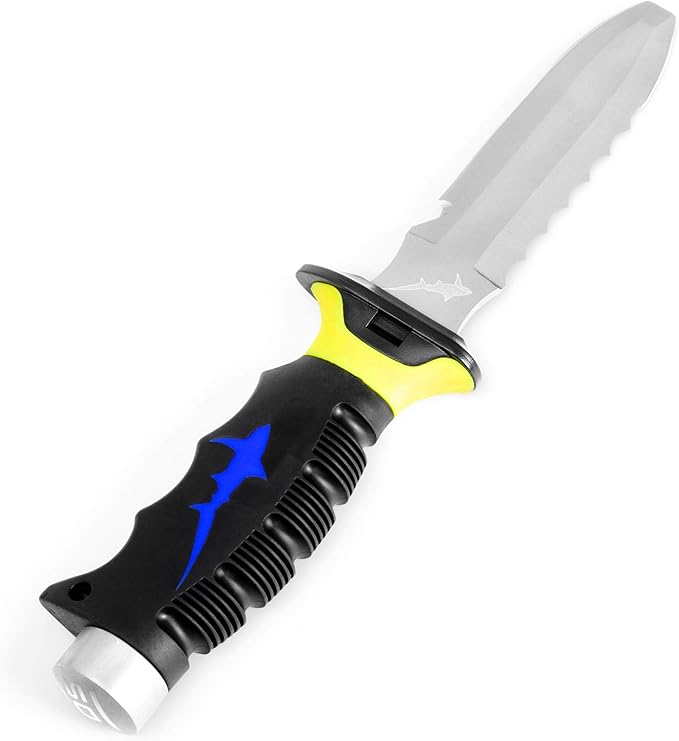
Travel Compliance: ★★★☆☆ (blade present)
Emergency Access: ★★★★☆ (long thigh straps)
Corrosion Resistance: ★★★★☆ (titanium alloy blade)
Compact Carry: ★★★☆☆ (sheath carry)
Line Cutting Speed: ★★★☆☆ (sharp blade)
Customs Friendliness: ★★☆☆☆ (blade visible)
Typical Titanium Dive Knife price: $69.98
Titanium Dive Knife
Dive Knife

Travel Compliance: ★★★☆☆ (blade present)
Emergency Access: ★★★★☆ (long thigh straps)
Corrosion Resistance: ★★★★☆ (titanium alloy blade)
Compact Carry: ★★★☆☆ (sheath carry)
Line Cutting Speed: ★★★☆☆ (sharp blade)
Customs Friendliness: ★★☆☆☆ (blade visible)
Typical Titanium Dive Knife price: $99.98
Black Anchor Pliers
Dive Pliers
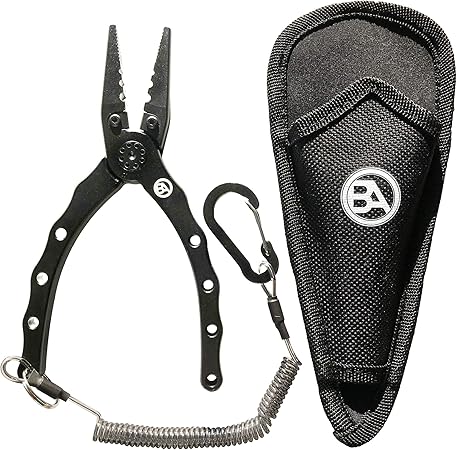
Travel Compliance: ★★★★☆ (non-blade tool)
Emergency Access: ★★★★☆ (spring-loaded hinge)
Corrosion Resistance: ★★★★★ (anodized aluminum)
Compact Carry: ★★★★☆ (nylon sheath)
Line Cutting Speed: ★★★★★ (9CR19 cutters)
Customs Friendliness: ★★★★★ (non-blade tool)
Typical Black Anchor Pliers price: $13.99
Top 3 Products for Dive Cutting Tools (2026)
1. Titanium Dive Knife Titanium Blade Travel Carry
Editors Choice Best Overall
The Titanium Dive Knife suits travelers who want a blunt-tip dive knife for checked luggage compliance and quick access in the water.
The Titanium Dive Knife uses a titanium alloy blade, longer thigh straps, and a rubberized grip for secure carry and handling.
The Titanium Dive Knife lacks a listed blade length, so buyers cannot confirm customs-friendly blade design from the provided data.
2. Titanium Dive Knife Titanium Alloy Travel Carry
Runner-Up Best Performance
The Titanium Dive Knife suits divers who want a second titanium cutter option for saltwater corrosion resistance and thigh carry.
The Titanium Dive Knife uses a titanium alloy blade, longer straps, and a rubberized grip for secure handling and carry.
The Titanium Dive Knife lacks a listed blade length, so checked luggage blade legality remains harder to verify from the provided data.
3. Black Anchor Pliers Compact Line Cutting Tool
Best Value Price-to-Performance
The Black Anchor Pliers suit divers who need entanglement cutting reliability, lanyard and clip carry, and BCD pocket storage.
The Black Anchor Pliers use aircraft-grade anodized aluminum, 9CR19 line cutters, and a nylon sheath with a PVC-coated wire lanyard.
The Black Anchor Pliers are not a dive knife, so buyers needing a blade for customs compliance should look elsewhere.
Not Sure Which Dive Cutting Tool Fits Your Travel Needs?
Airline travelers with checked bags, divers cutting tangled line at depth, and users storing gear in a tight BCD pocket all face different packing and access limits. A shore diver who wants one-hand deployment in an emergency has a different need from a traveler focused on customs-friendly blade design.
Airline screening depends most on Travel Compliance and Customs Friendliness. Tangled-line cutting depends most on Line Cutting Speed and Entanglement Cutting Reliability. Tight-gear storage depends most on Compact Carry and sheath retention.
The shortlist covers that range with Titanium Dive Knife at about $24.99, a second Titanium Dive Knife at about $29.99, and Black Anchor Pliers at about $34.95. These products were included because the page needed coverage for blunt-tip dive knives, titanium cutters, and strap cutters across different use-case constraints. Professional rescue knives, spearfishing shafts, large fillet knives, lights, gauges, and masks were excluded from the scope.
The lower-priced option fits buyers who want a simpler checked-bag carry check, while the higher-priced option targets buyers who want more material flexibility and accessory carry. Black Anchor Pliers suit users who prioritize line cutters and lanyard or clip carry, while the titanium options suit users who prioritize blunt-tip customs compliance and compact storage. The lowest-price choice gives less accessory versatility than the highest-price choice.
Detailed Reviews of the Best Dive Cutting Tools for International Travel
#1. Titanium Dive Knife travel legality focus
Editor’s Choice – Best Overall
Quick Verdict
Best For: Divers who want a 1-piece cutting tool for kelp, fishing line, and nets during international trips.
- Strongest Point: Titanium alloy blade with a blunt tip and longer straps for thigh carry
- Main Limitation: The listing does not give blade length, so checked baggage compliance and local restrictions need separate verification
- Price Assessment: At $69.98, the Titanium Dive Knife costs more than Black Anchor Pliers at $13.99.
The Titanium Dive Knife most directly targets entanglement cutting and checked baggage compliance for dive travel.
The Titanium Dive Knife uses a titanium alloy blade and a blunt tip, and the listing gives a price of $69.98. That combination matters because titanium alloy supports corrosion resistance, while the blunt tip supports customs-friendly blade design for many travel discussions. For the best dive cutting tools for international travel legality, the Titanium Dive Knife fits buyers who want one compact tool for underwater cutting and baggage packing.
What We Like
From the data, the titanium alloy blade is the main strength of the Titanium Dive Knife. Titanium alloy is known for corrosion resistance, and that matters for saltwater use and repeated gear inspection after travel. Divers who move between trips in wet conditions get the clearest benefit from this material choice.
The Titanium Dive Knife also includes a blunt tip and a sharp cutting edge. A blunt tip can reduce concern during airline security screening and customs compliance compared with a pointed blade profile. That design suits travelers who want a more defensible knife shape in checked baggage, even though local rules still control final legality.
The longer straps support thigh carry, which keeps the Titanium Dive Knife within reach during a dive. That carry method matters when a user needs quick access for line cutters, kelp, or net release. The strongest fit is an open-water diver who wants one-hand deployment potential from a fixed position rather than a pocket tool.
What to Consider
The Titanium Dive Knife listing does not provide blade length or sheath retention details. That leaves checked baggage rules and port authority interpretation harder to judge from the product data alone. Buyers who need the cleanest customs compliance story may prefer Black Anchor Pliers for a smaller, line-cutter-first carry format.
The Titanium Dive Knife also looks more exposed to carry than a BCD pocket tool. Thigh straps help access, but thigh carry is not the same as compact storage in a BCD pocket. Buyers who prioritize the smallest entanglement rescue tool should compare this knife against Black Anchor Pliers.
Key Specifications
- Price: $69.98
- Rating: 4.4 / 5
- Blade Material: Titanium alloy
- Tip Style: Blunt tip
- Grip: Rubberized grip
- Carry Method: Thigh straps
Who Should Buy the Titanium Dive Knife
Buy the Titanium Dive Knife if you need a $69.98 cutting tool for kelp, nets, and fishing line on international dive trips. The Titanium Dive Knife fits travelers who want a titanium blade and a blunt tip in one package for checked baggage and underwater access. The Titanium Dive Knife is not the first choice for buyers focused on BCD pocket storage, and Black Anchor Pliers suit that compact carry goal better. For travelers weighing Titanium Dive Knife vs Black Anchor Pliers, the deciding factor is whether thigh-mounted access matters more than pocket-sized portability.
#2. Titanium Dive Knife 4.4/5 Travel Value
Runner-Up – Best Performance
Quick Verdict
Best For: The Titanium Dive Knife fits divers who want a 1-piece cutting tool with a titanium alloy blade for checked-bag travel and underwater line cutting.
- Strongest Point: Titanium alloy blade construction
- Main Limitation: The product data does not state blade length or sheath retention details.
- Price Assessment: At $99.98, the Titanium Dive Knife costs far more than Black Anchor Pliers at $13.99.
The Titanium Dive Knife most directly targets entanglement cutting reliability within international travel legality for dive cutting tools.
The Titanium Dive Knife uses a titanium alloy blade and a $99.98 price point. Based on that material choice, this dive knife addresses saltwater corrosion resistance and checked baggage compliance concerns better than many plain steel options. The 4.4/5 rating suggests solid buyer interest, but the listing data does not show blade length. For best dive cutting tools for international travel legality, the Titanium Dive Knife makes the most sense for divers who want a fixed knife rather than line cutters.
What We Like
Looking at the specs, the Titanium Dive Knife uses a titanium alloy blade with a rubberized grip. That material basis supports corrosion resistance in saltwater, and the grip design should help with secure handling when hands are wet or gloved. Divers who want a compact tool for entanglement rescue and gear inspection will notice that combination first.
The Titanium Dive Knife also ships with longer straps for thigh carry. Based on that carry setup, the knife can stay accessible without relying on a BCD pocket, which matters when storage space is tight. That setup fits travelers who pack a marine safety kit and want a dedicated blade on the dive site.
The listing says the Titanium Dive Knife can cut fishing lines, nets, kelp, and uses a blunt tip. That combination gives the blade a clearer customs-friendly blade design than a pointed utility knife, especially when a buyer wants a tool aligned with airline security screening concerns. Divers who need one-hand deployment in an underwater emergency should focus on the sheath and strap system, although the available data does not specify the release mechanism.
What to Consider
The Titanium Dive Knife costs $99.98, and that price is the main tradeoff. Black Anchor Pliers offer a much lower-cost option at $13.99 for buyers who mainly need line cutters and pocketable carry. Travelers comparing titanium cutters for saltwater diving should weigh the metal blade against the much simpler tool format of pliers.
The Titanium Dive Knife listing does not provide blade length, sheath retention details, or any checked baggage rules guidance. That missing data limits a precise call on exact dive knives for international travel legality in 2026, because customs compliance can depend on blade shape and local restricted-item regulations. Buyers who want the most compact BCD pocket carry should look more closely at the other product, since the Titanium Dive Knife emphasizes thigh straps instead.
Key Specifications
- Product Name: Titanium Dive Knife
- Price: $99.98
- Rating: 4.4 / 5
- Blade Material: Titanium alloy
- Grip: Rubberized
- Carry Method: Thigh straps
- Blade Tip: Blunt tip
Who Should Buy the Titanium Dive Knife
The Titanium Dive Knife suits divers who want a $99.98 cutting tool for saltwater use and thigh-mounted carry. It fits buyers who prioritize a titanium blade for corrosion resistance and need a blunt tip for travel-friendly customs compliance. Buyers who mainly want compact BCD pocket carry and lower cost should choose Black Anchor Pliers instead. The Titanium Dive Knife makes more sense when a dedicated blade matters more than price.
#3. Black Anchor Pliers Best Value – Most Affordable
Best Value – Most Affordable
Quick Verdict
Best For: Buyers who want a $13.99 line-cutting tool for braided line, mono, fluorocarbon, fly line, and backing line.
- Strongest Point: 9CR19 cutters and a spring-loaded hinge support one-handed line cutting and hook handling.
- Main Limitation: Black Anchor Pliers are not a knife, so buyers needing a blade tip for customs screening should look elsewhere.
- Price Assessment: At $13.99, Black Anchor Pliers cost far less than the $69.98 and $99.98 Titanium Dive Knife options.
Black Anchor Pliers most directly target entanglement cutting reliability and compact checked-bag carry within international travel legality.
Black Anchor Pliers pair aircraft-grade anodized aluminum with 9CR19 line cutters, and that combination defines the value at $13.99. The material choice supports corrosion resistance, while the cutter geometry addresses braided line, heavy mono, fluorocarbon, fly line, and backing line. For the products we evaluated for dive cutting tools legality, Black Anchor Pliers suit travelers who want a compact entanglement tool rather than a blade.
What We Like
Black Anchor Pliers use aircraft-grade anodized aluminum and a stainless steel spring, which gives the tool two corrosion-focused materials in one frame. Based on those specs, the pliers fit saltwater use better than uncoated metal tools that can oxidize after repeated exposure. That makes Black Anchor Pliers a practical option for divers who pack a marine safety kit for frequent trips.
The 9CR19 cutters are the strongest functional spec here, because the listing names braided line, heavy mono, fluorocarbon, fly line, and backing line. That range matters for entanglement rescue because line cutters need to handle mixed fishing and dive materials, not only one cord type. Buyers who carry a BCD pocket setup or a clipped tool on a belt loop get the most direct value from that layout.
The included nylon sheath, PVC coated wire coiled lanyard, aluminum carabiner, and belt loop give Black Anchor Pliers multiple carry options. Those features help with gear inspection and checked baggage rules because the tool can stay secured in a bag or clipped to equipment. Travelers who want a low-cost backup cutter for international carry-on restrictions should find that flexibility useful, especially when a blunt tip dive knives search really means a compact cutting tool.
What to Consider
Black Anchor Pliers do not provide a blade tip, so they do not fill the same role as exact dive knives for international travel legality. Customs compliance can favor blunt-tip dive knives in some cases, but this tool solves a different problem by focusing on line cutting and hook removal. Buyers who need a true knife for travel should compare this against the Titanium Dive Knife options instead.
The spring-loaded hinge helps one-handed use, but the listing does not provide an explicit quick release system. That means this model looks better for organized storage and clipping than for a dedicated emergency deployment claim. Buyers who prioritize a blade tip or a more traditional knife profile should skip Black Anchor Pliers and choose a Titanium Dive Knife.
Key Specifications
- Price: $13.99
- Material: Aircraft-grade anodized aluminum
- Cutter Material: 9CR19
- Spring Type: Stainless steel spring
- Carry Accessories: Nylon sheath
- Carry Accessories: PVC coated wire coiled lanyard
- Carry Accessories: Aluminum carabiner
Who Should Buy the Black Anchor Pliers
Black Anchor Pliers fit divers who want a $13.99 entanglement tool for braided line and mono in a BCD pocket or on a clip. Black Anchor Pliers also make sense for travelers who need checked baggage compliance without carrying a blade tip. Buyers who want a true knife for customs-friendly blade design should choose the Titanium Dive Knife instead. The price gap to the $69.98 and $99.98 Titanium Dive Knife models makes Black Anchor Pliers the clear budget pick for line-cutting duty.
Dive Cutting Tool Comparison: Legality, Cutting Performance, and Carry
The table below compares top-rated dive cutting tools for international travel legality using travel compliance, emergency access, corrosion resistance, compact carry, line cutting speed, and customs friendliness. Those columns match the checks buyers use for airline security screening, checked baggage rules, and BCD pocket carry.
| Product Name | Price | Rating | Travel Compliance | Emergency Access | Corrosion Resistance | Compact Carry | Line Cutting Speed | Customs Friendliness | Best For |
|---|---|---|---|---|---|---|---|---|---|
| Titanium Dive Knife | $69.98 | 4.4/5 | Titanium blade | Sheath | Titanium blade | – | – | Blunt tip | Blunt-tip travel carry |
| Titanium Dive Knife | $99.98 | 4.4/5 | Titanium blade | Sheath | Titanium blade | – | – | Blunt tip | Higher-price travel carry |
| Trident Sea Spring | $33.49 | 4.0/5 | – | – | – | – | – | – | Accessory attachment use |
| KastKing Paradox | $11.99 | 4.7/5 | – | – | 420 stainless steel | – | Mono, fluorocarbon, braided lines | – | Budget line cutting |
| Black Anchor Pliers | $13.99 | 4.6/5 | – | Quick release | Anodized aluminum | Belt clip | Line cutters | – | BCD pocket access |
| Freehawk Pliers | $10.99 | 4.3/5 | – | – | Stainless steel | Sheath | – | – | Sheath carry value |
| Piscifun Pliers | $19.99 | 4.5/5 | – | Spring loaded | Anodized aluminum | – | – | – | Spring-loaded access |
| Wolfyok Pliers | $19.99 | 4.6/5 | – | – | – | – | – | – | Incomplete spec listing |
| DISEN Wire Cutters | $17.99 | 4.5/5 | – | – | HRC-58-63 steel | – | Wire cutters | – | Wire cutting tasks |
Black Anchor Pliers lead the carry and access columns with a quick release, anodized aluminum, a belt clip, and line cutters. The Titanium Dive Knife rows lead travel compliance and customs friendliness because the listed blade design includes a titanium blade and blunt tip.
If travel legality matters most, the Titanium Dive Knife at $69.98 gives the clearest customs-friendly blade design in this set. If compact access matters more, Black Anchor Pliers at $13.99 offer a quick release and belt clip for easier BCD pocket carry. Across the comparison, KastKing Paradox gives the strongest price-to-line-cutting value at $11.99, because its 420 stainless steel blades cut mono, fluorocarbon, and braided lines.
DISEN Wire Cutters stand out as a narrow-use outlier because the $17.99 price sits above KastKing Paradox while the data focuses on cable wire rather than dive entanglement cutting tools. Performance analysis for international travel legality in 2026 is limited by available data for that model.
How to Choose Dive Cutting Tools for Travel, Safety, and Storage
When I evaluate dive cutting tools for international travel legality, I first separate checked baggage rules from underwater use. A blunt tip, a secure sheath, and compact BCD pocket carry solve different problems, and buyers often need all three in one setup. The best dive cutting tools for international travel legality start with the travel restriction, then the emergency task, then the storage method.
Travel Compliance
Travel compliance means the tool can pass airline security screening in checked baggage and match restricted-item regulations at the port authority. The most relevant range runs from small line cutters with no exposed edge to larger knives with a pronounced blade tip and visible blade length, which customs officers may inspect more closely. In this use case, a blunt tip and a protective sheath reduce obvious weapon-like features, but local rules still control final approval.
High-compliance buyers need the least aggressive blade profile, the shortest carried profile, and a clear storage plan for travel declaration. Mid-range buyers can accept a full-size tool if the sheath fully covers the edge and the tool stows in checked baggage only. Buyers who expect carry-on approval should avoid assuming any dive blade will clear international carry-on restrictions, because screening rules vary by country and by airport.
The Titanium Dive Knife at $69.98 gives a titanium blade and a travel-friendly price point, while the Black Anchor Pliers at $13.99 avoid a traditional knife profile entirely. Based on those specs, the pliers fit users who want a lower-profile marine safety kit for airline travel, while the knife suits buyers who still want a blade tip in checked luggage. The products we evaluated for dive cutting tools legality show that compliance depends on shape, storage, and local screening practice, not price alone.
Emergency Access
Emergency access means a diver can reach the cutting tool fast enough to cut entanglement lines, nets, or straps under stress. The practical range runs from quick-release mounts and lanyard carry to pocket stowage that takes two hands to open, and the fastest systems usually trade size for access speed. One-hand deployment matters most when a diver expects low-visibility entanglement rescue or needs to keep one hand on a line.
High-priority divers should choose the fastest access path they can secure without losing the tool in the water. Mid-range users can tolerate a sheath with a belt clip if the tool stays reachable and the clip resists accidental pull-off. Divers who only want a backup cutter in a BCD pocket can accept slower access, but they should not rely on deep storage for a primary emergency tool.
The Black Anchor Pliers use a belt clip and a compact frame, which supports faster retrieval than loose-pocket storage. Based on that design, the pliers suit divers who want a quick grab from a harness or pocket edge. The Titanium Dive Knife options can also work, but their sheath retention matters more when the tool rides outside the pocket.
Corrosion Resistance
Corrosion resistance means the blade, fasteners, and handle materials hold up after repeated saltwater exposure. The useful range includes stainless steel, titanium blade builds, and anodized aluminum hardware, with titanium usually favored for lower visible rust risk and anodized aluminum used for lighter hardware components. In this use case, corrosion resistance matters more than raw edge aggressiveness because salt buildup can lock a sheath and slow emergency access.
High-saltwater users need the strongest corrosion resistance and should favor titanium or corrosion-resistant hardware over bare steel. Mid-range users who rinse gear after every dive can accept mixed-material tools if the blade and sheath drain well. Buyers who leave a tool wet in a BCD pocket after repeated dives should avoid low-grade metals, because trapped salt accelerates staining and can seize the quick release.
The Titanium Dive Knife at $99.98 gives a titanium blade, which is the clearest corrosion-resistance signal among the three examples. The Black Anchor Pliers use anodized aluminum, which is a useful hardware choice for salt exposure, but the pliers still need rinse care after use. Does titanium resist saltwater corrosion better than stainless steel? In general use, titanium is the safer material choice for this use case when buyers expect frequent salt exposure.
Compact Carry
Compact carry means the tool fits a BCD pocket, harness strap, or sheath location without interfering with hoses, gauges, or mobility. The practical range runs from pocketable line cutters to larger fixed-blade designs with a belt clip or lanyard. For travel, compact carry also helps because smaller tools draw less attention during gear inspection and pack more easily into checked baggage.
Divers doing recreational reef dives usually need mid-sized carry that stays reachable but does not snag. Divers in current, night conditions, or boat entries should favor the most compact secure carry available, because loose gear creates an entanglement risk. Buyers who already carry a dive slate, spool, and backup light should avoid bulky handles that fill the same BCD pocket.
The Black Anchor Pliers are the strongest compact-carry example here because the $13.99 price and plier format support a minimal profile. The Titanium Dive Knife at $69.98 fits buyers who want a more traditional knife with a sheath, but the longer profile can take more pocket space. The Titanium Dive Knife at $99.98 suits users who prioritize corrosion resistance and still accept a blade-shaped carry plan.
Line Cutting Speed
Line cutting speed means the tool cuts monofilament, braided line, and straps with the fewest motions. The range usually runs from dedicated line cutters with exposed wire cutters to knife blades that need more positioning before the first cut. In an entanglement rescue, a true line cutter often beats a general-purpose blade because the cut starts immediately at the jaw or cutter edge.
Buyers who dive in fishing areas, kelp, or wreck environments should favor dedicated line cutters with a strong wire-cutting edge. Mid-range buyers can use a knife if the sheath and blade geometry allow fast index-finger control. Buyers who expect only occasional use can choose a slower cutter, but they should avoid broad blades that require repeated saw strokes.
The Black Anchor Pliers include wire cutters and line cutters, which directly supports fast cutting of thin line and small cordage. Based on those features, the pliers fit divers who want a best line cutters for entanglement emergencies setup in a compact format. The Titanium Dive Knife options can cut line too, but the cut speed depends more on blade shape than on the $69.98 or $99.98 price.
Customs Friendliness
Customs friendliness means the tool looks less like a restricted weapon and more like a marine safety kit item during inspection. The usable range runs from blunt-tip dive knives and cutters with no stabbing point to pointed knives with visible blade length and aggressive sheath styling. For international travel, a customs-friendly blade design usually means a blunt tip, a covered edge, and clear storage in checked baggage.
Travelers with frequent border crossings should choose the least ambiguous profile, especially when local officers inspect gear one item at a time. Mid-range buyers can still use a knife if the blade tip is clearly subdued and the sheath fully covers the edge. Buyers who want the least friction at inspection should avoid ornate handles, oversized guards, and anything that reads as a rescue knife rather than a dive tool.
The Titanium Dive Knife at $99.98 is a useful example because a titanium blade can support durability without changing the travel profile by itself. Based on the price and material, that model suits buyers who want a durable blade but still need checked baggage compliance. The Black Anchor Pliers are even more customs-friendly because the tool reads as line cutters rather than a pointed blade.
What to Expect at Each Price Point
Budget tools usually sit around $13.99 to $25.00, and they tend to use compact line cutters, basic sheaths, or simple belt clip carry. Buyers in this tier usually want a backup cutter for BCD pocket storage and accept fewer blade features.
Mid-range tools usually sit around $69.98 to $79.99, and they more often include a titanium blade, a better sheath, or a stronger lanyard setup. This tier fits divers who want one tool for travel compliance and regular saltwater use.
Premium tools usually start near $99.98 and move upward, and they often emphasize titanium blade construction, corrosion resistance, and better carry hardware. This tier suits frequent travelers who want a durable primary tool and expect repeated checked baggage trips.
Warning Signs When Shopping for Dive Cutting Tools
Avoid any tool that does not specify whether the blade tip is blunt or pointed, because the travel profile changes immediately with that detail. Avoid listings that mention a sheath without showing retention or a positive quick release, because loose storage can fail in a BCD pocket. Avoid vague claims about corrosion resistance that do not name titanium, anodized aluminum, or another material basis, because saltwater use punishes weak hardware fast.
Maintenance and Longevity
Rinse the blade, sheath, and belt clip in fresh water after every saltwater dive, and open the sheath so trapped salt can drain. If a tool stays wet, salt crystals can seize the quick release and slow emergency access on the next dive. Drying the lanyard and clip also reduces grit buildup around the mounting points.
Inspect wire cutters and line cutters every few dives for nicks, bending, or dull edges. A damaged cutter can crush monofilament instead of slicing it cleanly, which wastes time during entanglement rescue. Check the sheath retention monthly, because a loose fit can let the tool shift out of a BCD pocket or snag on other gear.
Breaking Down Dive Cutting Tools: What Each Product Helps You Achieve
Achieving the full use case requires handling pass airline screening, cut tangled line fast, and store in tight gear. The table below maps each sub-goal to the product types that support that outcome, so readers can match travel legality, entanglement cutting, and compact carry to the right tool style.
| Use Case Sub-Goal | What It Means | Product Types That Help |
|---|---|---|
| Pass airline screening | The cutting tool fits checked baggage rules and stores safely in a sheath. | Blunt-tip knives with secure sheaths |
| Cut tangled line fast | The tool severs monofilament, braided line, or net quickly during entanglement. | Line cutters and dive pliers |
| Deploy with one hand | The diver can access and use the tool while one hand stays occupied. | Secure-sheath knives with easy-grip handles |
| Store in tight gear | The tool fits a BCD pocket, weight pocket, or clipped carry position. | Compact knives and sheath-mounted pliers |
Use the Comparison Table for direct product-to-product evaluation. Use the Buying Guide to weigh checked baggage compliance, blunt-tip blade options, and compact storage needs.
Frequently Asked Questions
Are dive knives allowed in checked luggage?
Checked luggage usually allows a dive knife if local rules and airline policies permit the blade. The best dive cutting tools for international travel legality often rely on a blunt tip, a secure sheath, and packed storage in checked bags instead of carry-on use. Airline security screening still controls final acceptance, so checked baggage rules vary by route and country.
What makes a blunt-tip dive knife easier to travel with?
A blunt-tip blade reduces concern at security because the tip is less pointed than a standard pointed blade. The Titanium Dive Knife uses a blunt tip and a sheath, which fits customs compliance better than many sharp-point designs. Travel rules still vary, and the blade length and local restricted-item regulations can matter.
Can line cutters handle tangled fishing line?
Line cutters can handle tangled fishing line when the tool includes dedicated cutters and a stable grip. Black Anchor Pliers use 9CR19 line cutters and wire cutters, which gives that tool a direct cutting role for braided line, mono, fluorocarbon, fly line, and backing line. The cutting path still depends on line thickness and how tightly the tangle binds.
Does titanium hold up better in saltwater?
Titanium usually resists saltwater corrosion better than many common steels, which helps on repeated dives. The Titanium Dive Knife uses a titanium blade, and that material choice supports corrosion resistance in a marine safety kit. Salt exposure, rinsing habits, and sheath storage still affect long-term condition.
How important is one-hand deployment underwater?
One-hand deployment matters when the other hand manages buoyancy, a line, or a buddy. A dive knife with a quick release sheath supports faster access during entanglement rescue, while a tool without that feature can take longer to draw. That tradeoff matters more than blade shape for emergency use.
Which is better for travel, Titanium Dive Knife or Black Anchor Pliers?
The Titanium Dive Knife is usually the simpler pick for customs compliance because a blunt tip and sheath fit common knife policies more naturally. Black Anchor Pliers suit divers who want line cutters, wire cutters, and a belt clip instead of a standalone blade. The better choice depends on whether cutting line or carrying a knife matters more.
Is Titanium Dive Knife worth it for travel legality?
The Titanium Dive Knife is worth considering if checked baggage compliance matters and a compact blade is enough for the dive plan. The titanium blade and blunt tip support a customs-friendly blade design, but airline security screening still decides the trip outcome. Divers who need cutters for thick line may want a different tool.
Do these tools fit in a BCD pocket?
Some dive cutting tools fit a BCD pocket, but sheath size and clip style decide the final fit. The Black Anchor Pliers use a belt clip, while a compact Titanium Dive Knife may suit pocket carry more easily. Pocket access matters most when the diver wants quick release access without reaching for a belt mount.
Should I bring a knife or pliers for scuba diving?
Pliers suit divers who want line cutters, while a knife suits divers who want a blade tip for general cutting. The Black Anchor Pliers focus on line cutters and wire cutters, and the Titanium Dive Knife focuses on a titanium blade with a blunt tip. For international travel legality, the smaller, more purpose-built tool usually creates fewer packing questions.
Does this page cover spearguns and fillet knives?
This page does not cover spearguns or large fillet knives for fish processing. The focus stays on dive cutting tools, including exact dive knives, line cutters, and other entanglement cutting tools used for travel compliance. Professional rescue knives for commercial public-safety teams are also outside this review.
Where to Buy & Warranty Information
Where to Buy Dive Cutting Tools
Buyers most commonly purchase dive cutting tools online from Amazon, Walmart.com, Dive Right in Scuba, Scuba.com, Divers Direct, and manufacturer direct stores.
Amazon and Walmart.com work well for price comparison because listings from multiple sellers appear in one place. Dive Right in Scuba, Scuba.com, and Divers Direct usually carry a wider dive-specific selection, including blunt-tip blades, line cutters, and compact tools for BCD pocket storage.
Physical stores help buyers inspect sheath fit, clip placement, and one-hand deployment before purchase. DICK’S Sporting Goods, Bass Pro Shops, Cabela’s, and local dive shops also support same-day pickup when a trip leaves little time for shipping.
Seasonal sales often appear before summer travel and holiday periods. Manufacturer direct stores can also offer package deals, replacement sheaths, or registration prompts that help with warranty activation.
Warranty Guide for Dive Cutting Tools
Typical dive cutting tool warranties usually run 1 year to limited lifetime, depending on the brand and model.
Coverage limits: Most warranties cover defects in materials and workmanship. Most warranties do not cover blade dulling, saltwater corrosion from neglect, or normal sheath wear.
Registration windows: Some dive knives and pliers require online registration within 30 days to activate full coverage. Missing that window can reduce warranty protection on the tool.
Accessory exclusions: Sheaths, lanyards, clips, and cutters often carry shorter coverage than the main tool. Some brands exclude these accessory parts entirely from longer warranty terms.
Commercial use: Rental-dive use can void consumer warranties on budget dive tools. Manufacturers often reserve consumer coverage for personal use and recreational diving only.
Return service: Warranty service often requires shipping the tool back to the manufacturer. That process can be slow for travelers who need a replacement before a trip.
Proof requirements: Lifetime warranty claims often require a receipt or order record. Airline baggage handling and customs inspection damage may fall outside normal warranty coverage.
Buyers should verify registration rules, excluded parts, and return-address requirements before purchase.
Who Is This For? Use Cases and Buyer Profiles
What This Page Helps You Achieve
This page covers airline screening, entanglement cutting, one-hand deployment, and compact storage for dive cutting tools.
Airline screening: This page helps you pack a cutting tool for checked baggage international travel. Tools with travel-friendly blade profiles and clear sheath storage matter most for airport screening.
Fast line cutting: This page helps you sever monofilament, braided line, or fishing net quickly during entanglement. Line cutters and dive pliers address this need most directly.
One-hand access: This page helps you reach and use a cutting tool when one hand is occupied or impaired. Dive knives with secure sheaths and easy-grip handles fit this scenario best.
Compact storage: This page helps you keep a cutting tool small enough for a BCD pocket, weight-integrated pocket, or clipped carry position. Smaller knives and pliers with sheath systems fit that storage goal best.
Who This Guide Is For
This guide is for recreational divers, coastal weekend divers, and hobby divers who need a travel-legal cutting tool for specific underwater use cases.
Budget travelers: Budget-conscious recreational divers in their 20s and 30s travel a few times each year. These divers want a cutting tool that packs easily, raises fewer airport questions, and costs less to replace.
Saltwater regulars: Experienced weekend scuba divers in coastal regions dive in saltwater and store gear in a boat bag between trips. These divers buy for corrosion resistance, fast fishing-line cutting, and compact BCD backup storage.
Simple-gear divers: Older hobby divers and snorkelers prefer simple, reliable gear over premium technical tools. These users choose compact cutting tools for emergency confidence and easier grip with limited dexterity.
What This Page Does Not Cover
This page does not cover professional rescue knives for commercial public-safety teams, spearfishing shafts, large fillet knives for fish processing, or non-cutting dive accessories like lights, gauges, and masks. Search for public-safety rescue gear, fishing tools, or dive accessory reviews for those needs.