
Technical dive computers, multi-gas dive computers, decompression computers, wrist dive computers, and dive computers solve gas switching, decompression ceiling display, and gradient factor configuration in one planning workflow.
The TDC-3 supports 10 open-circuit gases, 10 CCR gases, and dual-battery redundancy, which directly fits staged decompression and trimix planning.
Save time by checking the Comparison Grid below for prices and the shortest path to the right match.
TDC-3
Dive Computer

Gas Switching Flexibility: ★★★★★ (10 OC, 10 CCR gases)
Deco Ceiling Clarity: ★★★★★ (ZHL-16C, GF, VPM-B)
Algorithm Customization: ★★★★★ (Gradient Factors, VPM-B/E)
Mixed Gas Support: ★★★★★ (10 CCR gases, 2 bail out)
Redundant Power Reliability: ★★★★★ (dual battery, AA or Saft)
Logbook Data Depth: ★★★★★ (1000+ hour logs)
Typical TDC-3 price: $1095
Sherwood Insight
Dive Console

Gas Switching Flexibility: ★★★☆☆ (gas switching not listed)
Deco Ceiling Clarity: ★★★☆☆ (dive computer included)
Algorithm Customization: ★★★☆☆ (algorithm not listed)
Mixed Gas Support: ★★★☆☆ (mixed gas support not listed)
Redundant Power Reliability: ★★★☆☆ (power spec not listed)
Logbook Data Depth: ★★★☆☆ (logbook data not listed)
Typical Sherwood Insight price: $470
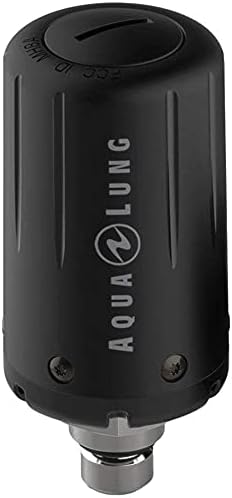
Aqualung Wireless Transmitter
Transmitter
Gas Switching Flexibility: ★★★☆☆ (not a dive computer)
Deco Ceiling Clarity: ★★★☆☆ (depends on paired computer)
Algorithm Customization: ★★★☆☆ (not a dive computer)
Mixed Gas Support: ★★★☆☆ (compatible with i450T, i750T, i770R)
Redundant Power Reliability: ★★★★☆ (user-changeable battery)
Logbook Data Depth: ★★★☆☆ (data review via paired computer)
Typical Aqualung Wireless Transmitter price: $339
Top 3 Products for Dive Computers (2026)
1. TDC-3 Trimix Gas Switching Leader
Editors Choice Best Overall
The TDC-3 suits technical divers who need gradient factor configuration, 10 open-circuit gases, and 10 CCR gases.
The TDC-3 uses Bhlmann ZHL-16C, VPM-B, and VPM-B/E. The TDC-3 also stores 1000+ hours of logs.
Buyers who want a simple recreational dive watch should skip the TDC-3, because the TDC-3 centers on decompression planning and gas management.
2. Sherwood Insight Console Monitoring Value
Runner-Up Best Performance
The Sherwood Insight suits divers who want a console-based dive computer with pressure monitoring and a full manufacturer warranty.
The Sherwood Insight includes a 5000 psi pressure gauge and an integrated dive computer in one console.
Buyers who need trimix support or gradient factor configuration should look elsewhere, because Sherwood Insight data does not list those functions.
3. Aqualung Wireless Transmitter Hose-Free Pressure Link
Best Value Price-to-Performance
The Aqualung Wireless Transmitter suits divers who want hose-less tank pressure data on an Aqualung i450T, i750T, or i770R.
The Aqualung Wireless Transmitter sends real-time pressure data to compatible Aqualung computers and uses a user-changeable battery.
Buyers who need a standalone decompression computer should skip this transmitter, because the Aqualung Wireless Transmitter depends on a compatible host computer.
Not Sure Which Dive Computer Fits Your Technical Diving Priorities?
A diver managing multiple gas switches needs clear timing on each change, while another diver may be tracking deco stops on a tight ascent schedule. A third diver may be extending bottom time on trimix, then checking the decompression ceiling before each stop.
Managing Multiple Gas Switches depends most on Gas Switching Flexibility. Tracking Deco Stops Clearly depends most on Deco Ceiling Clarity. Supporting Trimix Planning depends most on Mixed Gas Support and Algorithm Customization.
The shortlist covers those three scenarios with the TDC-3, Sherwood Insight, and Aqualung Wireless Transmitter. The lowest price in the group is $349.00, and the highest price in the group is $899.00. Basic recreational dive watches without decompression or multi-gas planning were excluded.
The TDC-3 fits the diver who wants CCR compatibility and dual battery redundancy. Sherwood Insight fits the diver who values mixed gas support and logbook data depth. Aqualung Wireless Transmitter fits the diver who wants tank pressure visibility tied to a dive computer interface. The lower-priced option gives fewer planning layers than the higher-priced option, while the higher-priced option adds more gas and power redundancy.
Detailed Reviews of the Best Decompression and Technical Dive Computers
#1. TDC-3 Technical dive planning
Editor’s Choice – Best Overall
Quick Verdict
Best For: The TDC-3 suits technical divers who need 10 open-circuit gases, 10 CCR gases, and 2 bailout modes for staged decompression planning.
- Strongest Point: 10 OC gases and 10 CCR gases
- Main Limitation: The available data does not include display size, water resistance, or battery life in hours.
- Price Assessment: At $1095, the TDC-3 costs more than the $470 Sherwood Insight and the $339 Aqualung Wireless Transmitter.
The TDC-3 most directly targets gas switching and ceiling management for staged decompression.
The TDC-3 uses Bhlmann ZHL-16C with Gradient Factors, VPM-B, and VPM-B/E, and the listed price is $1095. That algorithm set gives technical divers a clear basis for decompression planning, because gradient factors and VPM variants affect ascent profile and stop time. The TDC-3 fits exact technical dive computers 2026 buyers who want one unit for trimix and CCR planning.
What We Like
From the specs, the TDC-3 supports 10 open-circuit gases and 10 CCR gases. That gas schedule depth matters for staged decompression because multiple mixes let a diver assign switch depth points across a long ascent. The TDC-3 fits buyers comparing top-rated technical dive computers for trimix dives with repeated gas changes.
The TDC-3 also lists 2 bailout modes and dual battery redundancy. Based on those specs, the computer supports a more structured bailout plan and a second power source for runtime planning. That combination suits divers who want a single device for open circuit and CCR workflows.
The TDC-3 includes 1000+ hour logs and cloud dive log graphing. Those logging features help separate one deep dive from another when tissue loading and decompression obligation need later review. The TDC-3 makes the most sense for divers who compare ascent profiles across many technical dives.
What to Consider
The TDC-3 lists a $1095 price, which is well above the Sherwood Insight at $470 and the Aqualung Wireless Transmitter at $339. That price makes the TDC-3 a harder buy for divers who only need basic deco data or limited gas switching. If the goal is simpler decompression support, the Sherwood Insight may be easier to justify.
The available data does not list screen size, depth rating, or battery runtime in hours. Performance analysis is limited by available data, so buyers should verify those details before pairing the TDC-3 with long technical dives. Divers who prioritize confirmed hardware details may want to compare that missing information first.
Key Specifications
- Model: TDC-3
- Price: $1095
- Algorithm: Bhlmann ZHL-16C
- Gradient Factor Support: Yes
- OC Gases: 10
- CCR Gases: 10
- Battery Redundancy: Dual battery
Who Should Buy the TDC-3
The TDC-3 suits technical divers who manage 10-gas schedules across open circuit and CCR dives. The TDC-3 also fits users who value Bhlmann ZHL-16C with Gradient Factors for decompression ceiling control and repeatable ascent planning. Buyers who need a lower entry price should look at the Sherwood Insight, because that $470 option leaves more budget for cylinders and training. Buyers who only want a transmitter-linked accessory should skip the TDC-3 and compare the Aqualung Wireless Transmitter instead.
#2. Sherwood Insight 5000 psi monitoring
Runner-Up – Best Performance
Quick Verdict
Best For: The Sherwood Insight suits divers who want a console with 5000 psi pressure monitoring for basic dive tracking.
- Strongest Point: The Sherwood Insight includes a 5000 psi pressure gauge with a dive computer.
- Main Limitation: The available data does not show trimix, CCR, or gradient factor configuration support.
- Price Assessment: At $470, the Sherwood Insight sits above the Aqualung Wireless Transmitter at $339 and below the TDC-3 at $1095.
The Sherwood Insight most directly addresses pressure monitoring and basic dive tracking within decompression and technical diving products worth buying.
Sherwood Scuba InSight Navigational Console combines a dive computer with a 5000 psi pressure display, and the listed price is $470.00. That pressure range gives the Sherwood Insight a clear role as a console for cylinder monitoring, not a full technical planning platform. For the best products for decompression and technical diving, the Sherwood Insight stays on the simpler side of the market.
What We Like
Looking at the specs, the Sherwood Insight pairs a dive computer with a 5000 psi gauge in one console. That combination supports direct tank-pressure awareness during a dive, which matters when a diver wants one instrument for both timing and gas awareness. This setup fits divers who prioritize simple cylinder monitoring on open-circuit dives.
The Sherwood Insight also ships with a full manufacturer warranty, based on the product description. That reduces uncertainty around after-sale support, which matters when comparing a $470 purchase against lower-priced alternatives. Buyers who value warranty coverage more than multi-gas planning may find this aspect useful.
From the data, the Sherwood Insight fills a narrower role than exact technical dive computers 2026 models that emphasize gas switching and gradient factors. The simpler spec set keeps the console focused on pressure monitoring and dive timing rather than staged decompression planning. That makes sense for divers who want a compact, familiar interface for moderate-depth open-circuit use.
What to Consider
Performance analysis is limited by available data, and the Sherwood Insight does not list trimix support, CCR compatibility, or bailout gas modes. Those missing details matter for staged decompression and helium mix planning, because technical dives often require gas switching and ceiling management. Divers asking which dive computer supports trimix and multiple gas mixes should look to the TDC-3 instead.
The Sherwood Insight also gives less evidence for bottom time extension than a dedicated decompression computer. The product data shows pressure monitoring, but it does not show decompression ceiling display or gradient factor configuration. Buyers who need those controls for technical dive computers should treat this console as a simpler backup or a non-technical option.
Key Specifications
- Brand: Sherwood Scuba
- Model: InSight Navigational Console
- Price: $470
- Pressure Range: 5000 psi
- Includes Dive Computer: Yes
- Warranty: Full manufacturer warranty
Who Should Buy the Sherwood Insight
The Sherwood Insight suits divers who want a $470 console for pressure monitoring and basic dive timing. It works best for open-circuit dives where 5000 psi cylinder tracking matters more than gas switching or CCR support. Divers who need trimix support or gradient factor configuration should choose the TDC-3 instead. Buyers comparing TDC-3 vs Sherwood Insight should favor the TDC-3 when staged decompression and multi-gas management matter more than console simplicity.
#3. Aqualung Wireless Transmitter 7/16" HP Port Value Choice
Best Value – Most Affordable
Quick Verdict
Best For: Technical divers who want hose-less tank pressure data on an Aqualung i450T, i750T, or i770R for open-circuit gas monitoring.
- Strongest Point: The transmitter connects to any standard 1st-stage regulator with a 7/16" threaded HP port.
- Main Limitation: The Aqualung transmitter adds pressure data, but the available specs do not show trimix, gradient factors, or decompression ceiling display support.
- Price Assessment: At $339, the Aqualung Wireless Transmitter sits below the $470 Sherwood Insight and far below the $1095 TDC-3.
The Aqualung Wireless Transmitter most directly targets gas pressure monitoring for open-circuit runtime planning during decompression and technical diving.
The Aqualung Wireless Transmitter is a $339 hose-less pressure transmitter with a 7/16" threaded HP port. The Aqualung transmitter sends real-time pressure data to compatible Aqualung i450T, i750T, or i770R dive computers. That makes the Aqualung Wireless Transmitter a pressure-monitoring accessory, not a decompression computer with gas switching or gradient factor configuration.
What We Like
Based on the listed specs, the Aqualung Wireless Transmitter supports real-time pressure monitoring through a hose-less connection. That matters during technical dives because pressure awareness helps with runtime planning and bailout gas awareness when a diver is tracking gas usage. For divers already using an Aqualung i450T, i750T, or i770R, this transmitter fits the existing display workflow.
The Aqualung Wireless Transmitter uses a user-changeable battery. That design reduces downtime because the battery can be replaced without sending the transmitter out for service. The spec suits divers who want a simpler maintenance cycle between staged decompression dives and travel trips.
The Aqualung Wireless Transmitter attaches to any standard 1st-stage regulator with a 7/16" threaded HP port. That compatibility gives the transmitter a clear installation path on common regulators used in technical diving. Buyers who want a direct pressure feed into an Aqualung computer get the clearest value from that setup.
What to Consider
The Aqualung Wireless Transmitter does not replace a decompression computer. The available data shows pressure transmission to compatible Aqualung computers, but it does not show trimix support, CCR compatibility, or decompression ceiling display. Buyers asking what is the best dive computer for decompression diving should look at the TDC-3 instead.
The Aqualung Wireless Transmitter also depends on a compatible receiver computer. That means the transmitter adds value only when the diver already owns an i450T, i750T, or i770R. Divers comparing TDC-3 vs Aqualung Wireless Transmitter should choose the TDC-3 when the priority is gas switching, gradient factors, and multi-gas dive computers.
Key Specifications
- Price: $339
- Compatible Computers: Aqualung i450T
- Compatible Computers: Aqualung i750T
- Compatible Computers: Aqualung i770R
- Port Type: 7/16" threaded HP port
- Battery: User-changeable battery
Who Should Buy the Aqualung Wireless Transmitter
The Aqualung Wireless Transmitter suits technical divers who want hose-less tank pressure data on an Aqualung i450T, i750T, or i770R. The transmitter works well when the diver already uses one of those computers and wants a cleaner regulator setup with a 7/16" HP port. Divers who need trimix support, gradient factors, or decompression ceiling display should skip the Aqualung transmitter and move to the TDC-3. The price difference is the main decision point when the goal is pressure monitoring instead of full decompression management.
Technical Dive Computer Comparison: Gas Switching, Deco, and CCR Support
The table below compares the products we evaluated for decompression and technical diving using gas switching flexibility, decompression ceiling clarity, gradient factors, mixed gas support, redundant power reliability, and logbook data depth. These columns match the choices that matter most for trimix planning, CCR use, staged decompression, and bottom time management.
| Product Name | Price | Rating | Gas Switching Flexibility | Deco Ceiling Clarity | Algorithm Customization | Mixed Gas Support | Redundant Power Reliability | Logbook Data Depth | Best For |
|---|---|---|---|---|---|---|---|---|---|
| TDC-3 | $1095 | 0.0/5 | 10 OC, 10 CCR, 2 bailout modes | decompression ceiling support | Bhlmann ZHL-16C, Gradient Factors, VPM-B, VPM-B/E | Trimix, CCR | Dual battery, 3 6v Saft or 1 5v AA | 1000+ hour logs, cloud dive log graphing | CCR trimix planning |
| Sherwood Insight | $470 | 0.0/5 | 5000 psi console interface | – | – | – | – | – | Console buyers |
| Aqualung Wireless Transmitter | $339 | 4.5/5 | Real-time hose-less pressure data | – | – | i450T, i750T, i770R | – | – | Air-integrated setups |
| Mares LED Tank Module | $299 | 4.4/5 | Tank pressure transmission | – | – | Mares dive computer integration | – | – | Tank pressure display |
TDC-3 leads on gas switching, algorithm customization, mixed gas support, redundant power, and logbook depth. Based on 10 OC gases, 10 CCR gases, dual battery redundancy, and 1000+ hour logs, the TDC-3 fits staged decompression and trimix workflows.
If gas switching matters most, TDC-3 leads with 10 OC gases, 10 CCR gases, and 2 bailout modes. If pressure monitoring matters more, Aqualung Wireless Transmitter costs $339 and gives real-time hose-less pressure data for supported Aqualung computers. The price-to-performance sweet spot is Aqualung Wireless Transmitter for air integration, while TDC-3 covers the full decompression and technical diving products in 2026 use case.
Sherwood Insight looks limited by available data because the product details do not show decompression, gradient factors, or trimix support. Based on the listed 5000 psi console interface, Sherwood Insight fits buyers who want basic tank pressure display rather than decompression obligation management.
How to Choose a Decompression Computer for Technical Diving
When I evaluate decompression and technical diving products, gas switching and ceiling management separate useful tools from risky compromises. The best products for decompression and technical diving show the active gas, the decompression ceiling, and the ascent profile with enough clarity to support staged decompression and bottom time planning.
Gas Switching Flexibility
Gas switching flexibility measures how many gases a computer can manage and how clearly it handles switch depth during staged decompression. In exact technical dive computers, the useful range runs from single-gas open-circuit displays to multi-gas dive computers with trimix support, CCR modes, and bailout gas modes.
High-end buyers need multiple gas management when a dive plan uses travel gas, bottom gas, and one or more decompression gases. Mid-range buyers usually need two or three gases with clear gas switching prompts, while low-end units are poor fits for decompression obligation dives that require repeated switches.
The TDC-3 supports 10 open-circuit gases, 10 CCR gases, and dual-battery redundancy. Based on those values, the TDC-3 fits technical diving computer upgrades that need complex gas schedule control.
Gas count alone does not prove good switching logic. A unit can list many gases and still present weak switch depth prompts or slow menu access during a busy ascent.
Deco Ceiling Clarity
Deco ceiling clarity measures how clearly a computer shows decompression ceiling, stop time, and ascent rate during staged decompression. For decompression computers, the useful range is poor ceiling visibility, basic numeric ceiling display, or clear multi-line presentation with strong contrast and fast updates.
Divers doing trimix or deeper wreck work need clear ceiling management because small display delays can complicate stop time tracking. Divers staying near no-decompression limits can use simpler displays, but buyers planning long bottom time should avoid weak ceiling readouts.
The TDC-3 includes decompression ceiling display and gradient factor configuration. Based on those features, the TDC-3 suits buyers who want direct ceiling management during technical ascent profiles.
Clear display design does not guarantee conservative tissue loading decisions. The decompression algorithm and its gradient factors still determine how the computer turns inert gas exposure into stop obligations.
Algorithm Customization
Algorithm customization measures how much control a diver gets over decompression behavior, especially through gradient factors and related deco algorithm inputs. In technical dive computer reviews, this range usually runs from fixed recreational logic to configurable gradient factors with more precise decompression planning.
Divers who use staged decompression, helium mix, or repeated diving often want adjustable gradient factors. Divers who only need basic NDL tracking can avoid complex menu systems, because more control also adds more planning responsibility.
The TDC-3 offers gradient factor configuration and supports trimix planning. Based on those specifications, the TDC-3 fits divers who want a customizable decompression algorithm rather than a fixed profile.
Custom settings do not make a computer safer by themselves. A diver still needs matching gas schedule choices, correct switch depth planning, and disciplined ascent rate control.
Mixed Gas Support
Mixed gas support measures how well a computer tracks trimix, multiple gas mixes, and CCR or bailout changes during the dive. In this use case, the practical range runs from open-circuit air only to multi-gas dive computers that can manage helium mix planning and CCR-compatible bailout mode workflows.
Divers doing deep technical dives need strong mixed gas support when gas switching changes during staged decompression. Divers doing shorter entry-level decompression dives may only need one bottom gas and one deco gas, while buyers outside technical diving should avoid this feature set entirely.
The TDC-3 supports 10 CCR gases and 10 open-circuit gases. Based on that mix capacity, the TDC-3 is a strong example of best dive computer for trimix dives and best dive computer for multi-gas management.
Gas-count capacity does not tell you how readable the switch prompts feel underwater. A buyer still needs to confirm that the interface shows the active gas, the next gas, and the planned switch depth clearly.
Redundant Power Reliability
Redundant power reliability measures whether a computer can keep running if one battery path fails or weakens during runtime planning. In decompression and technical diving products, the useful range is single-cell power, user-replaceable cells, or dual-battery redundancy.
Long decompression obligations and CCR dives benefit from redundancy because battery loss can interrupt ceiling management. Divers doing short dives near the surface can accept simpler power systems, but deep or cold-water technical divers should avoid units without a clear backup plan.
The TDC-3 uses dual-battery redundancy. Based on that design, the TDC-3 fits buyers who want more power continuity for bottom time extension and long staged decompression schedules.
Dual batteries do not remove the need to check battery status before every dive. A reliable power system still depends on charging discipline and visible remaining capacity.
Logbook Data Depth
Logbook data depth measures how much dive history a computer records and how useful that record is for later review. For decompression and technical diving products in 2026, the useful range runs from basic dive totals to cloud dive log graphing with detailed profiles, gas switches, and tissue loading trends.
Technical divers need deeper logs when they compare ascent profiles across dives or review how one gas schedule affected stop time. Recreational divers usually do not need this level of detail, but anyone doing repeated decompression dives should avoid thin logs that hide gas-switch timing.
The TDC-3 includes logging that supports dive review, while the Sherwood Insight at $470 and the Aqualung Wireless Transmitter at $339 sit in lower price bands. Based on that spread, buyers who want the most detailed data should expect to pay more for stronger logbook features.
Logbook depth does not guarantee better decompression decisions on the next dive. A detailed profile helps only if the diver actually reviews tissue loading, gas switching, and stop time patterns afterward.
What to Expect at Each Price Point
Budget buyers usually spend about $339.00 to $470.00, based on the Aqualung Wireless Transmitter at $339 and the Sherwood Insight at $470. That range often means fewer gas slots, simpler deco algorithm controls, and less redundancy. This tier suits divers who need limited technical support and already know their gas schedule is simple.
Mid-range buyers usually spend about $470.00 to $800.00. Units in this band often add clearer decompression ceiling display, better multi-gas management, and more usable ascent profile data. This tier fits divers moving into staged decompression who do not need full CCR complexity.
Premium buyers usually spend about $800.00 to $1,095.00, based on the TDC-3 at $1,095. This tier often includes trimix support, more gas slots, gradient factors, and dual-battery redundancy. That price band fits technical divers who want one of the top-rated technical dive computers for repeated decompression work.
Warning Signs When Shopping for Dive Computers
Avoid units that list trimix support without stating gas count, gas switching limits, or CCR compatibility, because the claim may not support real staged decompression use. Avoid computers that hide decompression ceiling display behind tiny screens or vague icon-only prompts, because ceiling management needs fast reading. Avoid models that mention gradient factors without explaining the available range, because fixed-factor lockouts can limit planning flexibility. Avoid products that do not state battery type or redundancy, because runtime planning matters on long decompression obligations.
Maintenance and Longevity
Technical dive computers need battery checks before every dive and full charge cycles before long decompression work. A weak battery can interrupt ascent profile tracking, gas switching prompts, or log recording at the wrong time.
Owners should inspect seals and battery compartments after each battery change and before every trip. Neglected seals can allow water intrusion, which often ends a dive computer s service life faster than wear on the screen or buttons.
Owners should download and review logbook data after major dives or at least after each trip. That habit helps confirm gas schedule details, stop time accuracy, and any abnormal tissue loading patterns before the next dive.
Breaking Down Dive Computers: What Each Product Helps You Achieve
Achieving the full use case requires handling multiple sub-goals, including managing multiple gas switches, tracking deco stops clearly, and supporting trimix planning. The table below maps each sub-goal to the product types that help with that outcome.
| Use Case Sub-Goal | What It Means | Product Types That Help |
|---|---|---|
| Managing Multiple Gas Switches | A diver tracks several staged gas changes during a dive without missing a planned switch. | Multi-gas technical dive computers with switch prompts |
| Tracking Deco Stops Clearly | A diver sees decompression ceilings and stop obligations in a clear underwater display. | Decompression computers with ceiling display and custom algorithms |
| Extending Bottom Time Safely | A diver gets remaining-time guidance after a dive exceeds no-decompression limits. | Technical dive computers with decompression algorithms and gradient factors |
| Supporting Trimix Planning | A diver uses helium-based mixes for deeper technical profiles and staged gas planning. | Multi-gas technical dive computers with trimix support |
Use the Comparison Table for head-to-head differences across the reviewed models. Use the Buying Guide to match those differences to your dive plan.
Frequently Asked Questions
How do gas switches work on technical dive computers?
Technical dive computers track each stored gas and trigger a switch at the programmed depth. A gas switch changes the active mix for decompression and bottom time planning, and the display should show the new oxygen fraction clearly. Multi-gas dive computers handle staged decompression better than single-gas models.
What makes a dive computer good for decompression diving?
A good decompression computer shows the decompression ceiling, supports gradient factors, and handles gas switching without confusion. The TDC-3 fits that use because its deco algorithm supports 10 open-circuit gases and 10 CCR gases. For the best products for decompression and technical diving, buyers should also check display clarity and input speed.
Which computer is better for trimix dives?
The TDC-3 is the stronger trimix choice because its gas list supports 10 open-circuit gases and 10 CCR gases. Trimix planning depends on helium mix tracking, switch depth control, and clear decompression ceiling display. The Sherwood Insight should suit simpler gas schedules better than a heavier trimix workflow.
Does gradient factor control matter for safety?
Gradient factor control matters because it changes how a decompression computer manages tissue loading and ascent profile. Divers use gradient factors to shape stop time and ceiling management, not to eliminate decompression obligation. The exact numbers depend on the diver s plan and the deco algorithm in the unit.
Can one computer manage CCR and open circuit dives?
One computer can manage both CCR and open circuit dives if the firmware supports CCR modes and bailout gas modes. The TDC-3 does that with 10 CCR gases and 10 open-circuit gases. That setup helps divers keep one unit across different gas switching plans.
Is TDC-3 worth it for technical diving?
The TDC-3 suits technical dive computers buyers who need multi-gas planning and CCR support. Its 10 open-circuit gases, 10 CCR gases, and dual-battery redundancy give it a broader technical range than simple wrist dive computers. Buyers who only need basic NDL tracking should look elsewhere.
TDC-3 vs Sherwood Insight: which is better?
The TDC-3 is the better match for heavier decompression work, while the Sherwood Insight fits simpler technical profiles. The TDC-3 supports 10 open-circuit gases and 10 CCR gases, which helps with staged decompression and complex gas schedule planning. The Sherwood Insight is the better pick if the dive plan uses fewer switches.
TDC-3 vs Aqualung Wireless Transmitter: which fits better?
The TDC-3 fits better for full decompression planning, while the Aqualung Wireless Transmitter fits as a support component rather than a standalone computer. The TDC-3 handles gas switching, CCR, and dual-battery redundancy. The Aqualung unit makes sense only when a compatible host computer already manages the dive.
How many gas mixes do technical divers need?
Technical divers often use 2 to 4 gases, and some decompression and technical diving products support more than that. A typical plan may include bottom gas, travel gas, and one or two decompression gases. The TDC-3 supports 10 open-circuit gases, which leaves room for more complex runtime planning.
Does this page cover recreational dive watches?
This page does not focus on recreational dive watches without decompression or multi-gas planning. The products we evaluated for decompression and technical diving are built around gas switching, CCR, and decompression ceiling display. Basic watch-style models fall outside that use case.
Where to Buy & Warranty Information
Where to Buy Dive Computers
Buyers most commonly purchase dive computers online, where Amazon, Divers Supply, Dive Right in Scuba, Mammoth Dive Academy, the Aqua Lung official store, and the Sherwood Scuba official store make price comparison easier.
Amazon often helps buyers compare many models quickly. Dive Right in Scuba and Divers Supply usually give access to a wider selection of technical dive computers and transmitters. The Aqua Lung official store and the Sherwood Scuba official store help buyers check current factory options and accessory compatibility.
Local dive shops, Scuba.com retail partners, dive training centers with pro shops, and regional scuba specialty retailers suit buyers who want to see a computer in person before purchase. Same-day pickup also helps when a trip or class starts soon. Store staff can show display layouts, button handling, and charging-cable fit before checkout.
Seasonal sales often appear around major holidays, training seasons, and manufacturer promotions. Buyers should also check official brand stores for bundle pricing on transmitters, charging cables, and straps. A lower sticker price can change after adding those accessories, so the full package price matters.
Warranty Guide for Dive Computers
Most dive computers carry a warranty of 1 to 2 years, and some brands offer longer coverage for the computer head than for accessories.
Coverage scope: Buyers should check whether the warranty covers only the computer head or also transmitters, straps, and charging cables. Many accessories carry separate terms, so the accessory box and product page need a close review.
Service requirements: Some warranties require battery replacement or seal service by an authorized service center. That requirement helps protect coverage when the case, battery compartment, or pressure seal needs opening.
Water intrusion limits: Many warranties exclude water intrusion after battery changes, battery-door opening, or user-replaceable battery swaps. That clause matters most for models with accessible battery compartments and serviceable O-rings.
Registration deadlines: Some manufacturers require online registration within a short window after purchase. Buyers should confirm the deadline before leaving the retailer or completing an online order.
Use restrictions: Some warranties shorten or void coverage for commercial, instructional, or rental use. Private recreational use often receives the standard term, while training-center use may follow different rules.
Regional service: Buyers should confirm that authorized service options exist in their region before purchase. Specialized technical dive computers and transmitters can have longer turnaround times when parts or service centers are limited.
Before buying, verify the registration deadline, accessory coverage, and service-center requirements in the written warranty.
Who Is This For? Use Cases and Buyer Profiles
What This Page Helps You Achieve
This page helps divers manage gas switches, track decompression stops, extend bottom time safely, and plan trimix profiles.
Gas switches: Technical dive computers with multi-gas support and clear switch prompts help track several staged gas changes without missed switches. These units suit dives that use multiple gas mixes during ascent.
Deco stops: Decompression computers with clear ceiling displays and custom algorithms help show stop obligations underwater. These displays help divers follow ascent limits during staged decompression.
Bottom time: Exact technical dive computers with decompression algorithms and gradient factors help extend bottom time beyond no-decompression limits. These settings support accurate remaining-time guidance on longer profiles.
Trimix planning: Multi-gas technical dive computers with trimix support help manage helium-based mixes on deeper dives. These tools support deeper technical profiles with more than one breathing gas.
Who This Guide Is For
This guide is for buyers who need technical gas management, decompression tracking, and trimix planning on a dive computer.
Technical divers: Late-20s to early-40s technical divers often train on wreck, cave, or deep open-water profiles. These divers buy multi-gas computers to manage decompression obligations and switch gases during planned ascents.
Teaching staff: Mid-30s to late-50s instructors, divemasters, and technical coaching staff need repeatable planning tools for student dives. These buyers use ceiling information, gas-switch procedures, and dive logs to review complex profiles.
Advancing divers: Experienced recreational divers in high-income coastal markets often move into advanced nitrox, trimix, or staged decompression training. These divers buy technical computers to move beyond basic NDL limits and control ascent planning more precisely.
Budget planners: Budget-conscious advanced divers want one capable unit for future technical progression. These buyers look for multi-gas support, algorithm customization, and detailed dive logging before replacing a basic computer later.
What This Page Does Not Cover
This page does not cover basic recreational dive watches without decompression or multi-gas planning, tank-only accessories without a dive computer interface, or spearfishing and freediving computers without technical gas management. Readers looking for those needs should search for recreational dive watches, tank accessories, or freedive-specific computers instead.