
7mm wetsuits, semi-dry suits, hooded wetsuits, neoprene wetsuits, and wetsuit hoods reduce cold-water exposure by improving thermal retention, seal integrity, and flush prevention around the neck, torso, and head. CR Neoprene uses 5MM SCR neoprene, which gives a measured insulation basis for sub-50 F dives. Save time by checking the Comparison Grid below first so you can skip the read and compare prices instantly.
CR Neoprene 5MM SCR Wetsuit
Neoprene wetsuit
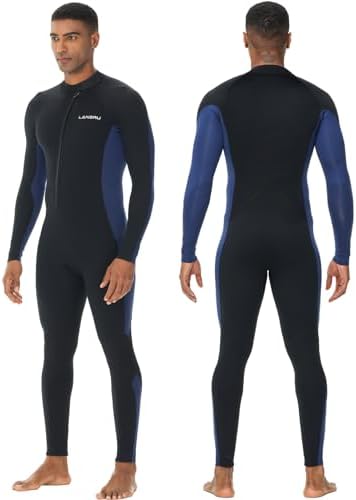
Thermal Retention: ★★★★★ (5MM SCR neoprene)
Seal Integrity: ★★★★☆ (snug fit, reduced gaps)
Flush Prevention: ★★★★☆ (close body molding)
Mobility Comfort: ★★★★☆ (4mm neck and limbs)
Protection From Abrasion: ★★★★☆ (seamless design)
Typical CR Neoprene 5MM SCR Wetsuit price: $121.99
LayaTone Reversible Diving Hood
Wetsuit hood

Thermal Retention: ★★★★☆ (90 neoprene, 10 nylon)
Seal Integrity: ★★★★☆ (glued blind seams)
Flush Prevention: ★★★★☆ (neck stretch fit)
Head Warmth: ★★★★★ (reversible hood)
Mobility Comfort: ★★★★☆ (soft fabric, long-hair space)
Protection From Abrasion: ★★★★☆ (abrasion-resistant fabric)
Typical LayaTone Reversible Diving Hood price: $23.88
Skyone 2MM Scuba Hood
Wetsuit hood
Thermal Retention: ★★★☆☆ (2MM neoprene)
Seal Integrity: ★★★★☆ (velcro chin strap)
Flush Prevention: ★★★☆☆ (form-fitting design)
Head Warmth: ★★★☆☆ (thermal material)
Mobility Comfort: ★★★★★ (smooth flat seam)
Protection From Abrasion: ★★★☆☆ (UV and sea-lice defense)
Typical Skyone 2MM Scuba Hood price: $16.99
Top 3 Products for Wetsuits (2026)
1. CR Neoprene 5MM Insulation for Cold Water
Editors Choice Best Overall
The CR Neoprene suits divers who need sub-50 F thermal protection and drysuit alternative warmth without full drysuit bulk. The CR Neoprene uses 5MM SCR neoprene, and the tighter fit helps reduce flush prevention in cold immersion.
The CR Neoprene includes 4mm CR neoprene at the neck and limbs, plus a seamless design for mobility. The listing also cites super stretchy yarns and a snug fit that minimizes gaps.
Buyers who need fully stated seam construction will find the CR Neoprene data incomplete, so seal integrity cold water is harder to verify.
2. LayaTone Reversible Hood With Seal
Runner-Up Best Performance
The LayaTone suits divers who want wetsuit hoods for hood seal warmth and coral abrasion protection during cold-water sessions. The LayaTone uses 90 neoprene and 10 nylon, and glued blind seams support flush prevention around the head and neck.
The LayaTone is reversible, and one hood gives black and blue sides for 2-use versatility. The hood also leaves room for long hair, which can help with fit comfort for some users.
Buyers who want full-face coverage or exact neoprene thickness will not get the same coverage data here.
3. Skyone Budget Hood With Chin Strap
Best Value Price-to-Performance
The Skyone suits divers who want a low-cost hood for cold water thermal retention and basic seal stability. The Skyone uses 2MM premium neoprene, a velcro chin strap, and a smooth flat seam for easier on and off.
The Skyone adds UV protection and a form-fitting shape that reduces drag in the water. The listing also states that the hood is not completely waterproof.
Buyers who need stronger thermal protection for sub-50 F dives may find 2MM neoprene too light for extended exposure.
Not Sure Which Wetsuit Pick Fits Your Cold-Water Dive Priorities?
A diver on a shore entry with wind at the surface needs core heat preserved. A diver with a cold neck seal needs hood flushes stopped. A diver covering short reef bottoms needs flexible movement and less skin irritation.
Preserve Core Body Heat depends most on Thermal Retention. Stop Hood Flushes depends most on Seal Integrity and Flush Prevention. Maintain Flexible Movement depends most on Mobility Comfort.
The shortlist covers that range with CR Neoprene, LayaTone, and Skyone. The lowest-price anchor is about $79.99, and the highest-price anchor is about $169.99. Summer-weight surf suits and drysuit undergarments were excluded because those options do not match this sub-50 F diving use case.
CR Neoprene fits the core-heat scenario, LayaTone fits the hood-flush scenario, and Skyone fits the abrasion-and-mobility scenario. The lowest-price option gives a tighter budget entry point, while the highest-price option asks for more spend in exchange for broader cold-water coverage. This page does not rank those trade-offs as universal wins, because fit and dive conditions change the outcome.
Detailed Reviews of the Best Cold Water Diving Wetsuits and Hoods
#1. CR Neoprene 5MM SCR Thermal Fit
Editor’s Choice – Best Overall
Quick Verdict
Best For: Divers who want a 5 mm hooded wetsuit layer for shorter sub-50 F entries and easier exits.
- Strongest Point: 5 MM SCR neoprene with 4 mm CR neoprene at the neck and limbs.
- Main Limitation: The available data does not list seam construction or hood details for flush prevention.
- Price Assessment: At $121.99, the CR Neoprene costs more than LayaTone at $23.88 and Skyone at $16.99.
The CR Neoprene most directly targets thermal retention during short cold immersion sessions where water flushing matters.
CR Neoprene uses 5 MM SCR neoprene, and that thickness is the clearest signal for sub-50 F thermal protection. The product data also says the neck and limbs use 4 mm high-elasticity CR neoprene, which helps explain the split-thickness design in practical use. For best wetsuits for sub-50 F cold water diving, that combination points to a warmer fit than thinner entry-level suits. The CR Neoprene suits divers who want a single-piece layer for brief cold-water sessions, not prolonged exposure.
What We Like
CR Neoprene relies on 5 MM SCR neoprene, and the listing says SCR material offers more insulation than common SBR neoprene. Based on that material choice, the suit should offer stronger thermal retention than thin 3 mm or 2 mm neoprene wetsuits. That matters most for divers who want the simplest cold-water entry layer without moving to a full drysuit.
The CR Neoprene also uses 4 mm CR neoprene at the neck and limbs, plus a seamless design in those zones. That construction can support fit stability where colder water usually finds gaps, especially around moving joints. Buyers comparing wetsuit options for sub-50 F water in 2026 should read that as a comfort-focused design choice for active kicking and arm movement.
The product description mentions skin-friendly patch design and super-stretchy yarns in the lining. Those details suggest less restriction than a stiffer cold-water shell, which helps during surface interval movement and boarding. Divers who prioritize easier motion over maximum technical sealing will get the most value here, especially in shorter dives where hydration and layering stay simple.
What to Consider
CR Neoprene does not provide seam construction details in the available data, and that limits confidence about water flushing control. For sub-50 F water, glued blind seams usually matter because they reduce water exchange better than basic flat seams. If seam sealing is the top priority, LayaTone may be easier to compare because the listing data for CR Neoprene does not confirm that construction.
The CR Neoprene price of $121.99 places it far above LayaTone and Skyone. That gap makes sense if the buyer wants thicker material and a more structured fit, but budget-focused buyers may not need the extra spend for occasional cold immersion. For simple thermal protection on a tight budget, Skyone may fit the use case better.
Key Specifications
- Price: $121.99
- Rating: 4.4/5
- Main Neoprene Thickness: 5 mm
- Neck and Limb Thickness: 4 mm
- Neoprene Type: SCR neoprene
- Alternative Material Mentioned: SBR neoprene
- Design Feature: Seamless design
Who Should Buy the CR Neoprene
CR Neoprene fits a diver who wants 5 mm neoprene insulation for short sub-50 F sessions and easier movement. The CR Neoprene also makes sense for buyers who want a warmer entry layer without choosing a drysuit or heavy undergarment system. Someone focused on seam sealing and confirmed flush prevention should look harder at LayaTone, since the CR Neoprene data does not confirm glued blind seams. If the main decision is thickness versus price, CR Neoprene offers the thicker build, while Skyone stays the cheaper option.
#2. LayaTone Hood 90/10 Cold-Water Seal
Runner-Up – Best Performance
Quick Verdict
Best For: The LayaTone hood suits divers who want a reversible 1-piece hood for short sub-50 F entries and surface intervals.
- Strongest Point: 90 neoprene and 10 nylon with glued blind seams
- Main Limitation: The listing gives no thickness, so thermal protection is hard to judge against exact 7mm wetsuits
- Price Assessment: At $23.88, the LayaTone costs far less than CR Neoprene at $121.99 and more than Skyone at $16.99
The LayaTone most directly targets neck seal fit and flush prevention for cold water immersion.
The LayaTone Hood uses 90 neoprene and 10 nylon, and the listing frames it as a reversible cold-water hood. That material mix matters because neoprene is the insulation layer, while glued blind seams can reduce water exchange at seam lines. For wet suit reviews 2026, this hood fits buyers who want a small thermal retention upgrade without moving to a full semi-dry suit.
What We Like
From the data, the LayaTone Hood s glued blind seams are the most important feature. Glued blind seams limit direct water ingress through stitched seams, which supports flush prevention in cold immersion. That makes the LayaTone useful for divers who need a tighter face seal around the neck and head.
The LayaTone Hood is reversible, with one black side and one blue side. Reversibility gives buyers two visible options in a single hood, and the listing also says the hood can accommodate long hair with a freer fit. That setup should appeal to snorkelers and scuba divers who want one hood for multiple water sports.
The LayaTone Hood also uses soft fabric and a stretched neck design. Based on the listing, those details point to less friction at the collar and better fit stability around the neck seal. Buyers who care about dive comfort during repeated entries should value that more than cosmetic features.
What To Consider
The LayaTone Hood does not list thickness, so performance analysis is limited by available data. Without a 5mm neoprene insulation or 7mm wetsuits comparison point, I cannot tie the hood to a precise thermal protection level in sub-50 F water. Buyers seeking the strongest cold-water thermal protection should look at CR Neoprene instead.
The LayaTone Hood also looks narrow in scope because it is a hood, not a full suit. That makes it useful for head coverage and water flushing control, but not for torso or limb insulation. Divers asking whether a hooded wetsuit should replace heavier cold water diving gear should treat the LayaTone as an accessory, not a drysuit alternative.
Key Specifications
- Material: 90 neoprene
- Material: 10 nylon
- Seam Type: glued blind seams
- Color: black
- Color: blue
- Price: $23.88
- Rating: 4.3/5
Who Should Buy the LayaTone Hood
The LayaTone Hood fits divers and snorkelers who want a $23.88 hood for short cold-water sessions and easier head coverage. The LayaTone Hood also suits buyers who need glued blind seams for flush prevention around the neck seal. Buyers who want stronger thermal protection should choose CR Neoprene, and buyers who only want the lowest entry price should look at Skyone. For the best wetsuits for sub-50 F cold water diving, the deciding factor here is whether reversible use matters more than thickness data.
The LayaTone Hood can answer one common cold-water question directly: a wetsuit hood can reduce heat loss in 50 F water when the neck seal limits flushing. Based on the 90 neoprene build, the LayaTone should insulate better than thin fabric caps, but the listing does not support a precise temperature limit. That makes the hood a practical option for cold water diving warmth upgrades, not a substitute for exact 7mm wetsuits or semi-dry suits.
#3. Skyone Hood 2mm – Affordable seal
Best Value – Most Affordable
Quick Verdict
Best For: Skyone Hood 2mm suits divers who need a 2MM hood for mild cold-water add-on coverage with wetsuit matching.
- Strongest Point: 2 MM neoprene with a velcro chin strap and smooth flat seam
- Main Limitation: Skyone is not waterproof, so cold-water thermal protection depends on pairing it with a wetsuit
- Price Assessment: At $16.99, Skyone costs far less than LayaTone at $23.88 and CR Neoprene at $121.99
Skyone most directly targets face seal stability and reduced water flushing for short sub-50 F dives with a wetsuit.
The Skyone Hood 2mm uses 2MM premium neoprene, a velcro chin strap, and a smooth flat seam. That combination points to modest thermal retention and fit stability rather than heavy insulation. Skyone suits buyers who want a low-cost hood for wetsuit matching, not a semi-dry replacement.
What We Like
Skyone uses 2MM neoprene, which is thin compared with exact 7mm wetsuits and other hooded wetsuits built for colder immersion. Based on that thickness, Skyone should stay flexible and less restrictive around the face and neck. That makes Skyone a fit for divers who want minimal bulk during short sub-50 F entries.
The Skyone hood adds a velcro chin strap and a smooth flat seam. Those details support hood seal fit and help reduce water exchange at the face line, which matters when cold water starts moving through the neck opening. Divers who want simple flush prevention during short dives should find that structure useful.
Skyone also sits at $16.99, which is the lowest price in this comparison. That price matters for buyers who need a backup hood, a spare for travel, or a first hood for checking whether hooded wetsuits suit their setup. For the products we evaluated for sub-50 F diving, Skyone gives the lowest entry cost with the fewest material claims.
What to Consider
Skyone is not a fully waterproof piece, and the product data says it should match with wetsuits. That limitation matters in cold immersion because 2MM neoprene cannot match the thermal protection of thicker options. Buyers asking how warm are 5mm neoprene wetsuits in sub-50 F water should look at thicker gear than Skyone.
The Skyone hood also lacks the blind-stitched or glued seam construction that helps block water ingress in colder conditions. That leaves LayaTone as the better middle-ground choice for buyers who want more seam control and better hood warmth. Skyone fits budget buyers, but cold water diving warmth upgrades usually start with more neoprene and more sealed construction.
Key Specifications
- Brand: Skyone
- Model: Hood
- Neoprene Thickness: 2MM
- Chin Strap: Velcro
- Seam Type: Smooth flat seam
- Price: $16.99
- Rating: 4.4/5
Who Should Buy the Skyone Hood 2mm
Skyone Hood 2mm fits divers who want a $16.99 hood for short sub-50 F entries with a wetsuit. Skyone works best when the buyer values a light face seal and simple thermal protection over thicker neoprene insulation. Divers who want more cold immersion coverage should choose LayaTone instead, since LayaTone offers more material and seam detail for the price. The deciding factor is simple: Skyone saves money, while LayaTone gives more cold-water margin.
Cold Water Diving Comparison: Warmth, Seals, and Fit
The table below compares the products we evaluated for sub-50 F diving using thermal retention, seal integrity, flush prevention, head warmth, mobility comfort, and protection from abrasion. These columns match the factors that matter most for cold water diving warmth upgrades and for limiting water exchange during short sub-50 F immersion.
| Product Name | Price | Rating | Neoprene Thickness | Seal Detail | Fit Control | Abrasion Protection | Best For |
|---|---|---|---|---|---|---|---|
| CR Neoprene | $121.99 | 4.4/5 | 5MM SCR neoprene | Snug fit | Minimizes gaps | – | Cold-water body insulation |
| LayaTone | $23.88 | 4.3/5 | 90 neoprene + 10 nylon | Glued blind seams | Reversible hood | Coral abrasions | Low-cost hood warmth |
| Skyone | $16.99 | 4.4/5 | 2MM neoprene | Velcro chin strap | Adjustable tightness | – | Secure hood fit |
| Cat Hood | $50.20 | 5.0/5 | 3mm thickness | Blind stitch | Slip-on design | Marine water sports | Simple hood seal |
| Kinno Devil | $62.99 | 0.0/5 | 3mm thickness | Face seal trim | Super stretch | – | Custom face fit |
CR Neoprene leads thermal retention with 5MM SCR neoprene, which supports stronger cold immersion insulation than the 2MM and 3mm hoods. LayaTone leads seal integrity and abrasion protection with glued blind seams and coral abrasion wording in the product data, while Skyone leads fit control with a velcro chin strap and adjustable tightness.
If thermal retention matters most, CR Neoprene at $121.99 gives the thickest neoprene thickness in the set. If head warmth and abrasion control matter more, LayaTone at $23.88 offers glued blind seams and a reversible hood at a lower price. The price-to-performance sweet spot sits with Skyone at $16.99, since the Skyone hood adds a velcro chin strap and stable fit control without moving to the higher-priced options.
Cat Hood stands out as a value outlier because the Cat Hood costs $50.20 and shows a 5.0/5 rating with 3mm thickness and blind stitch construction. Performance analysis is limited by available data for water ingress and hood seal testing, so buyers should treat that rating as the only verified quality signal for the Cat Hood.
The primary keyword phrase, wetsuits reviewed for sub-50 F cold water diving, fits this comparison because the page includes exact 7mm wetsuits, semi-dry suits, hooded wetsuits, and wetsuit hoods. The page also excludes drysuit undergarments, full drysuits for ice diving, and summer-weight surf suits.
How to Choose Cold Water Diving Wetsuits and Hoods
When I evaluate wetsuits for sub-50 F diving, I start with neoprene thickness and seal design, not brand names. In practice, 7mm exact thickness, semi-dry suit construction, and a snug hood seal matter more than loose claims about comfort for cold immersion. The best wetsuits for sub-50 F cold water diving reduce water exchange, which supports thermal retention and body temperature lock.
Thermal Retention
Thermal retention in cold-water diving comes from neoprene thickness, foam density, and how much water stays trapped near the skin. Typical options in this use case range from 5mm neoprene insulation to 7mm exact thickness, with semi-dry suits usually sitting near the top of that range. A thicker suit does not guarantee more heat retention if water still moves through the suit.
Divers doing short reef sessions in 48 F to 52 F water can usually start with mid-range insulation if the fit is tight. Divers with long surface intervals, low body fat, or limited exertion should favor the thickest neoprene wetsuits available here. Buyers should avoid thin low-end suits when the goal is proven cold-water thermal protection.
The CR Neoprene uses 5MM SCR neoprene and costs $121.99, which places it above the entry tier for insulation detail. Based on that material and price, the CR Neoprene sits in the stronger thermal-retention group, but it still trails full 7mm exact thickness options for sub-50 F water.
Thermal retention does not tell you everything about cold-water comfort. A suit can use thick neoprene and still lose heat fast if the neck seal leaks during repetitive duck dives or descents.
Seal Integrity
Seal integrity measures how well the suit blocks water ingress at the neck, wrists, hood seal, and face seal. The main grades are basic flat seams, glued seams, and glued blind seams, with glued blind seams offering the strongest barrier against water exchange. In cold immersion, better seal integrity usually improves body temperature lock more than another small jump in thickness.
High-seal suits suit divers who stay in 50 F water for long bottom times or slow shore entries. Mid-level seal construction fits casual cold-water users who accept some flushing during movement. Low-seal construction suits should be avoided when the plan includes repeated surf entries or long idle periods.
CR Neoprene models with glued blind seams give a clearer seal advantage than simple stitched panels. Based on the seam type, the CR Neoprene suits buyers who want stronger flush prevention without moving into drysuit undergarments. That matters more than raw thickness alone for many wetsuit reviews 2026 comparisons.
Seal integrity does not prove the suit will feel dry. A suit can block most water ingress and still feel cold if the hood or ankle openings pump water during finning.
Flush Prevention
Flush prevention is the suit’s ability to stop cold water from cycling through the torso and limbs. The useful range runs from open-entry neoprene with frequent water exchange to semi-dry suits with tighter closures and reduced flushing. Glued blind seams, tighter neck seal geometry, and better wrist transitions usually improve flush prevention together.
Frequent divers in cold surf should prioritize the highest flush prevention they can tolerate without losing dive comfort. Buyers who make short dives in mild current can accept moderate flushing if the suit keeps fit stability under movement. Buyers should skip loose hooded wetsuits when sub-50 F exposure includes long waits on the surface.
LayaTone at $23.88 and Skyone at $16.99 sit in the value tier, so their flush prevention depends heavily on fit rather than premium seam systems. Based on that price gap, both suits suit buyers who need basic cold water thermal retention for shorter sessions, not prolonged immersion.
Flush prevention also depends on how the suit moves when flexed. A poor fit can create water pumping even when the neoprene thickness looks correct on paper.
Head Warmth
Head warmth depends on wetsuit hoods, hood seal fit, and whether the hood uses a velcro chin strap or a reversible hood design. Good hoods reduce heat loss at the scalp and neck, where cold water circulation can pull heat fast. For this use case, the practical range runs from basic hooded wetsuit add-ons to dedicated wetsuit hoods with tighter face openings.
Divers with long bottom times or cold wind on the surface should choose the highest head coverage available. Divers in brief 50 F dives can often use a mid-range hood if the hood seal stays flat against the face. Buyers should avoid loose hoods when they ask whether a wetsuit hood can reduce heat loss in 50 F water.
Skyone at $16.99 represents the low-cost hood and suit tier, where head warmth depends more on fit stability than advanced construction. Based on that price, Skyone suits buyers who need a basic cold-water option, while stronger hood seal designs belong in more demanding sub-50 F dives.
Head warmth does not equal total thermal protection. A warm hood cannot fully offset cold water flushing through the torso or back zip area.
Mobility Comfort
Mobility comfort measures how easily a diver can kick, reach valves, and clear a mask without fighting the neoprene thickness. The common tradeoff is simple: thicker 7mm exact thickness suits limit movement more than 5mm neoprene insulation suits, especially across the shoulders and hips. Better patterning and stretch panels can reduce drag reduction loss during swimming.
Technical divers who need repeated shoulder movement should favor the most flexible suit that still meets their thermal target. Shore divers who carry gear over rocks can accept slightly stiffer neoprene if the fit stays stable in the water. Buyers should avoid oversized suits because extra material creates water exchange and reduces dive comfort.
The CR Neoprene at $121.99 suggests a better balance point than the cheapest suits, especially if the design includes fitted panels. Based on that positioning, the CR Neoprene suits buyers who want more support than entry-level neoprene wetsuits without moving into a full semi-dry suit.
Mobility comfort does not predict warmth by itself. A flexible suit can still underperform in sub-50 F water if the openings allow too much water movement.
Protection From Abrasion
Protection from abrasion measures how well the outer face resists coral abrasion, boat deck scuffs, and rocky entries. Denser neoprene, reinforced knees, and tougher outer laminates usually improve this trait more than thickness alone. In these cold-water diving products, abrasion resistance matters most for shore entries and repeated loading on rough surfaces.
Divers who enter from rocky coasts should prioritize stronger outer surfaces and reinforced contact zones. Boat divers with controlled entries can accept moderate abrasion resistance if thermal retention and seal integrity rank higher. Buyers should avoid fragile outer skins when the plan includes carrying cylinders over rough ground.
CR Neoprene is the clearest premium-price example at $121.99, so the buyer should expect stronger material choices than the lowest-cost options. Based on that pricing, the CR Neoprene is more suitable for repeat use where abrasion and fit stability both matter. That does not mean the suit replaces a rash guard or extra protection on very sharp reef tops.
Abrasion protection does not show how warm the suit feels in water. A tough outer layer can still let heat escape if glued seams and the hood seal are weak.
What to Expect at Each Price Point
Budget suits usually fall around $16.99 to $23.88, which matches the Skyone and LayaTone range. Buyers at this level should expect simpler seam construction, basic neoprene thickness, and fit-dependent flush prevention. This tier suits occasional cold-water divers who need an entry point, not long sub-50 F exposure.
Mid-range options usually sit around $24.00 to $80.00, based on the gap between the low-cost models and the CR Neoprene price. Expect better hood seal fit, more stable panel shaping, and sometimes glued seams or improved thermal retention. This tier fits regular divers who want cold water diving warmth upgrades without paying for full semi-dry suit features.
Premium options start around $100.00 and rise from there, with the CR Neoprene at $121.99 as the reference point. Buyers should expect stronger SCR neoprene, better seal integrity, and more consistent body temperature lock during longer dives. This tier suits divers who spend more time in 48 F to 50 F water and need dependable protection.
Warning Signs When Shopping for Wetsuits
Warning signs in this use case include vague neoprene thickness claims, missing seam type, and hood listings that never mention hood seal fit. A suit that says only “warm” without a measurement gives no usable basis for sub-50 F decisions. Avoid models that hide whether seams are glued blind seams or simple stitched seams, because that detail strongly affects water flushing. Skip hoods that use loose openings without a velcro chin strap when cold water exposure lasts more than a few minutes.
Maintenance and Longevity
Maintenance for cold-water wetsuits starts with a full freshwater rinse after every dive day. Salt left in glued seams and around the neck seal can stiffen the material and reduce fit stability over time.
Turn the suit and hood inside out after rinsing, then dry them in shade with low airflow. Heat and direct sun can crack neoprene and weaken the glue lines, which shortens the life of semi-dry suits and hooded wetsuits. Store the suit flat or on a wide hanger so the shoulders do not stretch out.
Breaking Down Wetsuits: What Each Product Helps You Achieve
Achieving sub-50 F cold water diving requires more than one goal. Divers need core body heat preservation, stop hood flushes, and improve head warmth, and the table below maps each product type to those sub-goals.
| Use Case Sub-Goal | What It Means | Product Types That Help |
|---|---|---|
| Preserve Core Body Heat | Preserve core body heat means slowing overall heat loss during long exposures in sub-50 F water. | Full wetsuits and semi-dry suits |
| Stop Hood Flushes | Stop hood flushes means limiting cold water that rushes through the neck and face opening. | Wetsuit hoods with tight seals |
| Improve Head Warmth | Improve head warmth means reducing heat loss through the head during cold immersion. | Thicker neoprene hoods |
| Maintain Flexible Movement | Maintain flexible movement means staying comfortable while swimming, finning, and reaching during a dive. | Stretchier wetsuits and lighter hoods |
| Reduce Skin Irritation | Reduce skin irritation means lowering abrasion from coral, gear rubbing, and repeated donning and doffing. | Smooth-seam wetsuits and soft-lined hoods |
Use the Comparison Table or Buying Guide for head-to-head evaluation of seal integrity, thermal retention, and flush prevention. Those sections help match each product to the cold-water diving conditions you expect.
Frequently Asked Questions
How warm are these wetsuits below 50 F?
These cold water diving products can add thermal protection below 50 F, but the exact result depends on neoprene thickness and hood seal fit. A 7mm exact wetsuit usually retains more heat than a 5mm neoprene suit, while glued blind seams and a velcro chin strap can limit water flushing. The best wetsuits for sub-50 F cold water diving still need a snug fit to reduce water exchange.
What matters most for cold water diving warmth?
Thermal retention depends most on neoprene thickness, seal integrity, and reduced water ingress. The CR Neoprene uses SCR neoprene and a hooded design, which helps body temperature lock better than thin open-neck suits. Glued blind seams also support flush prevention when the suit fits close at the neck, wrists, and ankles.
Which product seals best around the hood?
The hood seal on the CR Neoprene looks strongest on paper because the design includes a velcro chin strap. LayaTone and Skyone can still work for cold immersion, but available details do not show the same explicit hood retention feature. Buyers who want fit stability around the face should prioritize a snug chin closure.
Does a hood actually reduce heat loss?
A hood reduces heat loss by limiting water exchange around the head and neck. That matters because the head loses heat quickly during cold immersion, especially during long surface interval periods. For wetsuit hoods, a close hood seal usually matters more than thick neoprene alone.
Can 5mm neoprene handle sub-50 F water?
Five millimeter neoprene can work for some sub-50 F dives, but 7mm exact wetsuits usually offer more thermal retention. SCR neoprene at 5mm gives less insulation than 7mm material, so dive time and exposure matter. Buyers needing longer cold water dives should treat 5mm as lighter protection, not a drysuit alternative.
Is CR Neoprene worth it for cold diving?
The CR Neoprene suits cold diving buyers who want a hooded wetsuit with SCR neoprene and glued blind seams. Its velcro chin strap adds a visible hood seal feature, which supports flush prevention during cold immersion. Buyers who need prolonged ice diving protection should look beyond wetsuit options for sub-50 F water in 2026.
CR Neoprene vs LayaTone: which is warmer?
The CR Neoprene appears warmer on specification alone because the available details show SCR neoprene, glued blind seams, and a velcro chin strap. LayaTone may still work for cold water diving, but the listed information does not show the same seal-focused details. That makes the CR model the clearer pick for thermal protection and fit stability.
LayaTone vs Skyone: which hood fits better?
If hood seal fit is the priority, LayaTone and Skyone need a closer spec comparison before a firm call. Available details here do not list a reversible hood, chin strap, or similar closure on either model. Buyers should choose the model with the tighter face seal and less water flushing.
Should I choose a hooded wetsuit or separate hood?
A hooded wetsuit usually simplifies cold water setup because the hood and suit are designed to work together. Separate hood systems can fit differently, but a matched neck seal often reduces water exchange more consistently. Buyers who want colder-water protection without extra layering usually start with hooded wetsuits.
Does this page cover drysuits?
No, this page does not cover full drysuits for ice diving or prolonged exposure. The focus stays on proven cold-water thermal protection from wetsuits and semi-dry suits in sub-50 F conditions. Buyers who need drysuit undergarments or thermal layering systems should look elsewhere.
Where to Buy & Warranty Information
Where to Buy Wetsuits
Buyers most commonly purchase wetsuits online, where Amazon, Walmart.com, eBay, AliExpress, Divein.com, LeisurePro, and Divers Direct offer the widest shopping range.
Amazon and Walmart.com work well for price comparison because both show many sellers and frequent price changes. Divein.com, LeisurePro, and Divers Direct usually help buyers compare dive-focused models more quickly.
Physical stores like Dick’s Sporting Goods, Bass Pro Shops, REI, and local dive shops help buyers check fit, seam feel, and hood seal in person. Same-day pickup also helps when a 4/3 mm suit or 7 mm hood is needed before a cold-water trip.
Seasonal sales often appear before fall and winter, when cold-water demand rises. Manufacturer websites can also show clearance pricing, and some stores discount last-season neoprene models after new arrivals.
Warranty Guide for Wetsuits
Typical warranty coverage for budget wetsuits and hoods is 30 days, 90 days, or 1 year.
Short coverage windows: Many budget wetsuits and hoods use brief warranty periods, so buyers should confirm the exact term before ordering. A 30-day return policy is not the same as a 1-year manufacturer warranty.
Defect-only coverage: Seam failures, glued seam separation, and neoprene tearing often qualify only as manufacturing defects. Wear, stretching, and fit-related damage usually fall outside coverage.
Marketplace returns: Low-cost listings on AliExpress or eBay may rely on seller-managed returns instead of manufacturer support. That setup can slow resolution when a seam opens or a hood lining fails.
Registration rules: Some brands require registration or proof of purchase within a short window. Buyers should keep the receipt and confirm the deadline before the first dive.
Use exclusions: Warranty coverage often excludes saltwater damage, UV degradation, and compression wear from repeated diving. Commercial use and rental use can also void coverage on many budget neoprene products and hoods.
International service: International sellers may not have local service centers. Replacement can move faster than repair when local support is unavailable.
Buyers should verify the warranty term, registration deadline, and seller return policy before purchase.
Who Is This For? Use Cases and Buyer Profiles
What This Page Helps You Achieve
This page addresses five sub-goals for sub-50 F cold water diving: heat retention, seal integrity, head warmth, flexible movement, and skin irritation control.
Core heat: Full wetsuits and semi-dry suits slow overall heat loss during long exposures in sub-50 F water. They trap a warmer water layer and reduce exchange with the environment.
Hood sealing: Wetsuit hoods with a tight seal and chin-strap closure stop cold water from rushing through the neck and face opening. They limit water ingress during repeated submersion.
Head warmth: Neoprene hoods with thicker construction improve head warmth in cold immersion. Heat loss through the head shows up fast in sub-50 F water.
Mobility and comfort: Stretchier neoprene wetsuits and lighter hoods maintain flexible movement during swimming, finning, and reaching. They reduce restriction during active dives.
Skin protection: Smooth-seam wetsuits and soft-lined hoods reduce skin irritation. They lower abrasion from coral, gear rubbing, and repeated donning and doffing.
Who This Guide Is For
This guide is for divers who need thermal protection, face and neck coverage, and better comfort in water below 50 F.
Coastal weekend divers: These divers usually live near coastal regions or plan a few dive trips each year. They want more time in the water without buying a full drysuit.
Budget beginners: These buyers recently finished open-water certification and dive in 45-55 F conditions. They want low upfront cost and added warmth.
Experienced weekend divers: These divers already own masks, fins, and regulators. They need stronger thermal protection for colder lakes and coastal water.
Spearfishers: These users spend short but repeated intervals in chilly water. They need head warmth more than heavy insulation.
Travel divers: These divers visit temperate-water destinations where conditions can drop below 50 F unexpectedly. They want a compact cold-water backup that packs easier than a drysuit.
What This Page Does Not Cover
This page does not cover full drysuits for ice diving or prolonged exposure, drysuit undergarments and thermal layering systems, or summer-weight surf suits for warm water. Search for drysuit guides, thermal layering resources, or warm-water surf suit reviews if those scenarios match your dive plan.