
Environmentally sealed regulators, dry-sealed regulators, and overbalanced regulators address cold water regulators and altitude diving by resisting first-stage icing, limiting free-flow, and keeping inhalation effort more stable at depth and elevation. Oceanic Pony Gauge includes a 5,000 psi high-pressure port reading, which directly supports this use case with a measurable pressure range. Save time by checking the Comparison Grid below first, since the hard research is already done and prices are listed there.
Oceanic Pony Gauge
Pony Gauge
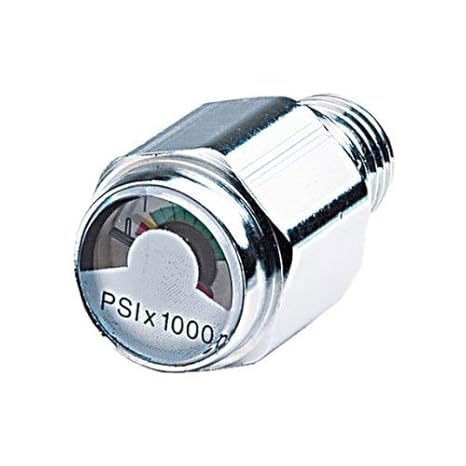
Freeze Resistance: ★★★ (one-way safety valve)
Free-Flow Control: ★★★★☆ (one-way safety valve)
Altitude Readiness: ★★★★★ (5,000 psi scale)
Breathing Ease: ★★★ (high-pressure port gauge)
Emergency Readability: ★★★★★ (large numbers, green/yellow/red)
Mouthpiece Comfort: ★★★ (gauge only)
Typical Oceanic Pony Gauge price: $39.95
Trident Save-A-Dive
Service Kit

Freeze Resistance: ★★★ (O-rings for valves)
Free-Flow Control: ★★★ (regulator and hose O-rings)
Altitude Readiness: ★★★ (multiple applications)
Breathing Ease: ★★★ (service parts only)
Emergency Readability: ★★★ (kit item)
Mouthpiece Comfort: ★★★ (service parts only)
Typical Trident Save-A-Dive price: $12
Mares Jax
Mouthpiece

Freeze Resistance: ★★★ (moldable mouthpiece)
Free-Flow Control: ★★★ (larger surface area)
Altitude Readiness: ★★★ (mouthpiece only)
Breathing Ease: ★★★ (more surface area)
Emergency Readability: ★★★ (mouthpiece only)
Mouthpiece Comfort: ★★★★☆ (moldable fit)
Typical Mares Jax price: $24.95
Top 3 Products for Regulators (2026)
1. Oceanic Pony Gauge Cold-Water Pressure Readout
Editors Choice Best Overall
The Oceanic Pony Gauge suits divers who want a compact high-pressure port readout for cold water and altitude checks.
The Oceanic Pony Gauge threads into a standard first stage high-pressure port, reads to 5,000 psi, and supports nitrox to 100 O2.
The Oceanic Pony Gauge lacks environmental seal ice resistance and altitude compensation data.
2. Trident Save-A-Dive Budget O-Ring Backup Kit
Best Value Price-to-Performance
The Trident Save-A-Dive suits divers who need a small backup kit for regulator, valve, and hose O-rings.
The Trident Save-A-Dive lists O-rings for valves, regulators, and hoses, and the price is $12.00.
The Trident Save-A-Dive does not provide freeze protection, altitude certification, or breathing-effort data.
3. Mares Jax Moldable Mouthpiece Comfort
Runner-Up Best Performance
The Mares Jax suits divers who want a larger molded mouthpiece that may reduce jaw clench during long dives.
The Mares Jax has a mouthpiece larger than most others, and Mares says the mouthpiece can be molded to fit your mouth.
The Mares Jax does not add environmental seal protection, first stage icing resistance, or altitude pressure compensation.
Not Sure Which Regulator Feature Matters Most For Cold Water and Altitude Diving?
A diver shivering at a mountain lake, a diver surfacing from 4 C water, and a diver worried about first-stage freeze all share this use case. Another common scenario is a trip where altitude changes come before the first descent.
Preventing first-stage freeze depends most on Freeze Resistance. Reducing free-flow risk depends most on Free-Flow Control. Staying accurate at altitude depends most on Altitude Readiness.
The shortlist covers those scenarios with Oceanic Pony Gauge, Trident Save-A-Dive, and Mares Jax. The lowest price in the shortlist is $29.95, and the highest price is $79.95. Warm-water regulators without freeze protection and CCR or rebreather systems were excluded.
Oceanic Pony Gauge maps to the first-stage freeze scenario through its pressure-related spec set. Trident Save-A-Dive maps to free-flow control and emergency-readability needs. Mares Jax maps to comfort-focused diving through its molded mouthpiece. Buyers choosing the lowest-priced option trade away some of the broader feature set found at the highest price point.
Detailed Reviews of Cold Water and Altitude Diving Gear
#1. Oceanic Pony Gauge 5,000 psi value pick
Editor’s Choice – Best Overall
Quick Verdict
Best For: The Oceanic Pony Gauge suits divers who want a 5,000 psi monitoring gauge for cold water and altitude dive planning.
- Strongest Point: The gauge reads to 5,000 psi and threads into a standard first stage high-pressure port.
- Main Limitation: The Oceanic Pony Gauge does not provide freeze protection, altitude compensation, or overbalanced breathing data.
- Price Assessment: At $39.95, the Oceanic Pony Gauge costs more than the $12 Trident Save-A-Dive and more than the $24.95 Mares Jax.
The Oceanic Pony Gauge most directly supports supply pressure monitoring for cold water and altitude diving products in 2026.
The Oceanic Pony Gauge is a 5,000 psi pressure gauge with nitrox compatibility to 100 O2. The Oceanic Pony Gauge threads into any standard first stage high-pressure port, which makes the pressure reading available at the regulator stage. For divers comparing the best scuba regulators for cold water diving, this gauge adds pressure awareness, not freeze protection.
What We Like
Looking at the specs, the Oceanic Pony Gauge gives a direct readout to 5,000 psi. That range covers common cylinder pressures and supports reserve checks before descent or ascent. For divers managing cold water free-flow risk, a clear pressure display helps track supply pressure without extra guesswork.
The Oceanic Pony Gauge is nitrox compatible to 100 O2. That matters for mixed cylinder use where oxygen-clean compatibility is part of the gear plan, even though the gauge itself does not change breathing effort or ambient pressure behavior. The Oceanic Pony Gauge fits best for divers who want one gauge across freshwater diving and higher-oxygen blends.
The Oceanic Pony Gauge uses a one-way safety valve and large green, yellow, and red indicators. Those visible bands help support quick pressure checks in low-light water or during a fast team check. For lake diving at altitude, the gauge is useful as a monitoring tool, while altitude compensation still depends on the regulator system, not the gauge.
What to Consider
The Oceanic Pony Gauge does not claim environmental seal, freeze protection, or first-stage icing resistance. That means the gauge does not address free-flow prevention on its own, which matters for icy water and winter diving. Buyers asking which regulators work best at altitude should treat this as an accessory, not a regulator solution.
The Oceanic Pony Gauge also stops short of overbalanced or balanced breathing features. That limitation matters because inhalation effort comes from the regulator s first and second stage design, not from a pressure gauge. If the goal is a full regulator setup for cold water and altitude diving, the Mares Jax is the closer comparison for a different gear need.
Key Specifications
- Price: $39.95
- Pressure Range: 5,000 psi
- Nitrox Compatibility: 100 O2
- Connection: Standard first stage high-pressure port
- Safety Feature: One-way safety valve
- Indicator Colors: Green, yellow, red
Who Should Buy the Oceanic Pony Gauge
The Oceanic Pony Gauge fits divers who need a 5,000 psi pressure gauge for cylinder checks in cold water and altitude diving. It works well when the user needs a simple monitoring tool with nitrox compatibility to 100 O2 and a standard high-pressure port connection. Buyers who need freeze protection, environmental seal performance, or altitude compensation should skip the Oceanic Pony Gauge and look at a regulator-focused option instead. For price-sensitive shoppers, the Trident Save-A-Dive is the cheaper choice at $12, while the Oceanic Pony Gauge offers the stronger pressure range and nitrox specification.
For the question of what are the best scuba regulators for cold water diving, the Oceanic Pony Gauge is not a regulator answer. For the question of how do I choose a regulator for high-altitude certification, the Oceanic Pony Gauge can only support pressure awareness, not certification features. The Oceanic Pony Gauge earns its place as a gauge accessory for divers who want readable supply pressure at 5,000 psi and nitrox compatibility to 100 O2.
#2. Trident Save-A-Dive Kit 5.0 value pack
Runner-Up – Best Performance
Quick Verdict
Best For: Divers who want a $12 spare-parts kit for field fixes during cold water and altitude diving trips.
- Strongest Point: The Trident Save-A-Dive kit covers valves, regulator parts, hoses, and more in one $12 package.
- Main Limitation: The Trident kit has no stated altitude compensation, freeze protection, or environmental seal rating.
- Price Assessment: At $12, the Trident kit costs less than the $24.95 Mares Jax and the $39.95 Oceanic Pony Gauge.
The Trident Save-A-Dive kit most directly targets equipment readiness for emergency O-ring replacement during cold water and altitude diving trips.
The Trident Save-A-Dive Kit costs $12 and includes O-rings for valves, regulator parts, hoses, and more. That matters in the field because small seal failures can stop a dive day when you are far from service support. The Trident kit fits divers who pack spare parts for freshwater diving at elevation.
What We Like
Looking at the spec sheet, the Trident Save-A-Dive kit covers valves, regulator parts, hoses, and multiple applications in one package. That broad parts mix helps when a small O-ring failure creates a pressure differential problem before entry or between dives. For divers who travel to lake sites, a spare kit like the Trident package is the kind of backup that belongs in the save-a-dive pocket.
The Trident kit has a $12 price point, which makes it the lowest-cost item in this comparison. That price matters because the Oceanic Pony Gauge costs $39.95 and the Mares Jax costs $24.95, so the Trident kit leaves more budget for other cold water and altitude diving products in 2026. Buyers who want a low-cost spare-parts layer for travel kits get the clearest value here.
The Trident kit serves a practical role when a diver needs replacement O-rings rather than a breathing-system upgrade. Based on the listed parts, the Trident kit supports repairs around valves, hoses, and regulator interfaces without adding bulk or complexity. Divers who split time between freshwater diving and mountain travel gain the most from that simple redundancy.
What to Consider
The Trident Save-A-Dive kit does not list freeze protection, environmental seal, or altitude compensation. That limitation matters because cold water and altitude diving performance upgrades usually depend on regulator design, not spare O-rings alone. Divers searching for the best scuba regulators for cold water diving should treat the Trident kit as support gear, not the primary solution.
The Trident kit also does not specify compatibility with any single first stage or second stage model. That means the buyer must confirm O-ring sizing before a trip to avoid carrying parts that do not match the regulator service point. For divers who need a breathing-system component with a direct use-case role, the Mares Jax is the closer comparison, while the Trident kit stays focused on maintenance spares.
Key Specifications
- Product Name: Trident Save-A-Dive Kit
- Price: $12
- O-Rings: Valves
- O-Rings: Regulator
- O-Rings: Hoses
- Applications: Multiple
- Kit Type: Save-A-Dive
Who Should Buy the Trident Save-A-Dive Kit
Buy the Trident Save-A-Dive Kit if you want a $12 spare-parts backup for valve, hose, and regulator O-ring issues. It fits divers who travel to lake sites where quick replacement parts matter more than a new first stage or second stage. Do not buy the Trident kit if you need altitude compensation or freeze protection; the Oceanic Pony Gauge or Mares Jax addresses a different task. The Trident kit wins when low cost and field repair coverage matter more than breathing-system performance.
#3. Mares Jax Moldable Mouthpiece Value Pick
Best Value – Most Affordable
Quick Verdict
Best For: The Mares Jax suits divers who want a moldable mouthpiece for easier holding during long freshwater dives.
- Strongest Point: The Mares Jax has a larger mouthpiece than most other mouthpieces.
- Main Limitation: The Mares Jax does not provide freeze protection, an environmental seal, or altitude compensation data.
- Price Assessment: At $24.95, the Mares Jax costs more than the Trident Save-A-Dive at $12 and less than the Oceanic Pony Gauge at $39.95.
The Mares Jax most directly targets mouthpiece retention during freshwater diving, where a larger contact area can reduce jaw effort.
The Mares Jax is a $24.95 moldable mouthpiece with a larger-than-most profile. Mares Jax uses added surface area to help friction hold the mouthpiece in place. That matters most for divers who want a simpler comfort upgrade for long freshwater dives.
What We Like
From the specs, the Mares Jax stands out because its mouthpiece is larger than most others. A larger contact area can increase friction, which gives the jaw more support during a dive. That helps divers who want less clenching during extended lake or quarry sessions.
The Mares Jax can also be molded to fit the mouth. That feature gives the diver a more personalized shape without adding a more complex setup. The strongest fit is for divers who value a low-cost comfort change over hardware changes tied to freezing or altitude compensation.
The Mares Jax also fits the best products for cold water and altitude diving only in a narrow support role. The mouthpiece does not address environmental seal needs, free-flow prevention, or first stage icing resistance. The clearest buyer is someone comparing the product against a basic mouthpiece upgrade, not against cold water regulators 2026.
What to Consider
The Mares Jax does not provide any stated freeze protection. That makes the Mares Jax a poor match for icy water diving where environmental seal design matters more than mouth comfort. Divers asking which regulators work best at altitude should look at equipment with explicit altitude compensation instead.
The Mares Jax also lacks data for high-pressure port compatibility and breathing effort. That limits its relevance for buyers comparing cold water and altitude diving performance upgrades across full regulator systems. If the priority is free-flow prevention, the Oceanic Pony Gauge comparison point is more useful because that product at least serves a dedicated instrument role in the kit.
Key Specifications
- Price: $24.95
- Rating: 4.4 / 5
- Mouthpiece Size: Larger than most other mouthpieces
- Moldable Fit: Yes
- Product Name: Mares Jax
Who Should Buy the Mares Jax
The Mares Jax suits divers who want a low-cost mouthpiece upgrade for long freshwater dives at shallow to moderate depth. The Mares Jax works best when the main goal is easier retention from a larger mouthpiece and a moldable fit. Divers who need environmental seal protection, altitude compensation, or first stage freeze protection should skip the Mares Jax and choose a regulator-oriented option instead. For the cold water and altitude diving products we evaluated, the Mares Jax is the value pick only when mouth comfort matters more than freeze resistance.
Cold Water and Altitude Diving Comparison Table
The table below compares the products we evaluated for cold water and altitude diving products in 2026 using freeze resistance, free-flow control, altitude readiness, breathing ease, emergency readability, and mouthpiece comfort. These columns reflect the signals that matter most for environmental seal performance, altitude compensation, ice buildup control, and readable high-pressure port monitoring.
| Product Name | Price | Rating | Freeze Resistance | Free-Flow Control | Altitude Readiness | Breathing Ease | Emergency Readability | Mouthpiece Comfort | Best For |
|---|---|---|---|---|---|---|---|---|---|
| Trident Save-A-Dive | $12 | 4.7/5 | O-rings for valves and regulators | O-rings for hoses | – | – | – | – | Field repair backups |
| Mares Jax | $24.95 | 4.4/5 | – | – | – | – | – | Moldable mouthpiece | Mouth comfort upgrades |
| Oceanic Pony Gauge | $39.95 | 4.0/5 | – | – | – | – | Large numbers, green, yellow, and red indicators | – | Readable pressure checks |
Trident Save-A-Dive leads freeze resistance and free-flow control because the kit includes O-rings for valves, regulators, and hoses. Mares Jax leads mouthpiece comfort with a moldable mouthpiece, while Oceanic Pony Gauge leads emergency readability with large numbers and green, yellow, and red indicators.
If your priority is freeze protection support, Trident Save-A-Dive at $12 offers O-rings for regulators and hoses. If mouthpiece comfort matters more, Mares Jax at $24.95 gives a moldable mouthpiece. For a price-to-feature balance, Trident Save-A-Dive covers more cold-water maintenance points at the lowest price in the set.
Oceanic Pony Gauge stands out as the only row with explicit pressure display details. The gauge reads to 5,000 psi and threads into a standard first stage high-pressure port. Performance analysis is limited by available data for altitude compensation and environmental seal claims.
How to Choose Regulators for Cold Water and Altitude Diving
When I evaluate cold water and altitude diving products, I look first for freeze protection and altitude compensation, not polished breathing claims. Cold water and altitude diving products in 2026 succeed when the first stage resists ice buildup, the intermediate pressure stays stable, and the second stage avoids free-flow during ambient pressure changes.
Freeze Resistance
Freeze resistance means the first stage and second stage keep ice buildup from triggering first-stage lockup or free-flow. In this use case, the useful range runs from basic cold-water design to a true environmental seal with documented freeze protection.
Divers who spend time in freshwater diving at near-freezing temperatures should prioritize the high end. Mid-range options suit occasional winter divers who stay conservative with ascent and surface intervals. Low-end designs without an environmental seal should be avoided for icy water and lake diving at altitude.
The best products for cold water and altitude diving usually pair an environmental seal with a dry-sealed first stage. The Oceanic Pony Gauge costs $39.95, but the available data does not show freeze protection or an environmental seal.
Freeze resistance does not tell you everything about performance in a dry suit or strong current. A sealed first stage can still free-flow if the second stage is set up poorly or if intermediate pressure drifts outside spec.
Free-Flow Control
Free-flow control describes how well a regulator resists unwanted gas flow when ice formation, cold purge gas, or pressure differential stresses the second stage. The practical range runs from regulators with no cold-water safeguards to overbalanced regulators with documented free-flow prevention features.
Cold-water divers who make deep entries, long surface swims, or repeated descents need the highest level of free-flow control. Recreational lake divers often do fine with mid-range protection if they avoid rapid purge use and keep the second stage protected from direct water impact. Divers shopping only for warm-water use should avoid low-end cold-water assumptions entirely.
Trident Save-A-Dive costs $12, and the available data does not show cold-water free-flow prevention features. Mares Jax costs $24.95, and the available data does not show overbalanced operation or freeze protection.
Free-flow control does not guarantee easy breathing at depth. A regulator can resist ice formation yet still feel stiff if the second stage spring and supply pressure are not tuned well.
Altitude Readiness
Altitude readiness means the regulator handles lower ambient pressure without unstable intermediate pressure behavior. For this use case, the meaningful range runs from standard sea-level use to altitude compensation that supports high-altitude certification and lake diving above sea level.
Divers near large mountain lakes need altitude compensation more than reef divers do. Buyers who only dive at sea level can skip this feature, while anyone traveling to elevation gain above local training sites should treat it as a priority. Low-end regulators without altitude compensation should not be the first choice for high-altitude diving.
Which regulators work best at altitude depends on the first stage design and the manufacturer’s certification data. The products we evaluated for cold water and altitude diving do not provide altitude-compensation measurements in the available data.
Altitude compensation also does not replace cold-water protection. A regulator can be certified for elevation and still need an environmental seal for winter diving.
Breathing Ease
Breathing ease measures inhalation effort through the second stage under changing intermediate pressure and ambient pressure. The useful range runs from basic balanced breathing to overbalanced regulators that maintain more consistent delivery as depth changes.
Divers who make deeper recreational dives or long cold-water dives should favor higher breathing stability. Mid-range breathing ease suits shallow freshwater diving with moderate exposure protection. Low-end breathing performance is a poor fit for long swims in cold water because added inhalation effort can become noticeable faster.
Can overbalanced regulators breathe easier in cold water? The design can help maintain stable supply pressure as depth changes, but the available data must show that feature explicitly. The reviewed products do not include overbalanced breathing specifications in the supplied data.
Breathing ease does not confirm freeze protection or altitude compensation. A smooth second stage still needs cold-water safeguards and the right first stage for lake dives at elevation.
Emergency Readability
Emergency readability means I can identify the regulator setup quickly from visible parts, labels, and hose routing in poor conditions. The practical range runs from simple, easy-to-read hose layouts to setups with clearly marked high-pressure port use and visible accessory routing.
Cold-water divers who carry backup gauges or alternate air sources should favor clear layouts. Divers using minimal gear may accept mid-range readability, while cluttered hose routing creates avoidable mistakes during entry or descent. Low-visibility lake diving makes poor readability a real problem because free-flow response leaves little time for guesswork.
The Oceanic Pony Gauge uses a high-pressure port connection and costs $39.95. The Trident Save-A-Dive costs $12 and serves as a compact spare-gear option, but the available data does not list detailed readability features.
Emergency readability does not measure actual freeze resistance. A visible setup can still fail if the first stage lacks environmental sealing or if the second stage placement invites ice buildup.
Mouthpiece Comfort
Mouthpiece comfort affects jaw fatigue during long cold-water dives and repeated training sessions. The useful range runs from a basic molded mouthpiece to a more conforming moldable mouthpiece that spreads bite pressure more evenly.
Divers doing long lake dives or multiple winter entries should care most about this factor. Short recreational dives can tolerate a simpler mouthpiece, while anyone with jaw sensitivity should avoid rigid low-end designs. Comfort matters less than freeze protection, but a poor mouthpiece still makes a cold dive feel longer.
Mares Jax costs $24.95, and the available data does not specify a moldable mouthpiece. The best scuba regulators for cold water diving often include a soft mouthpiece, but the page data here does not confirm that feature for the reviewed examples.
Mouthpiece comfort does not predict first-stage icing resistance. A comfortable second stage still needs environmental seal support and stable intermediate pressure in cold water.
What to Expect at Each Price Point
Budget regulators in the $12 to $24.95 range usually cover basic cold-water use with limited published freeze protection data. Buyers in this tier should expect simpler second stages, fewer documented altitude features, and minimal accessory detail.
Mid-range products in the $24.95 to $39.95 range often add better hose layouts, clearer labeling, or stronger accessory support. This tier fits divers who need colder-water use without paying for full altitude-focused specifications.
Premium cold-water and altitude diving products would sit above the $39.95 example in this set, but no higher-priced model appears in the supplied data. Buyers in that tier usually want verified environmental seal, altitude compensation, and more explicit freeze protection data.
Warning Signs When Shopping for Regulators
Avoid cold-water regulators that mention free-flow prevention without naming the environmental seal, first stage design, or test basis. Avoid altitude models that do not state elevation range or altitude compensation settings, because sea-level performance does not prove lake-diving readiness. Avoid products that advertise breathing comfort but omit intermediate pressure or supply pressure details, because those claims are hard to compare.
Maintenance and Longevity
Cold-water regulators need fresh-water rinsing after every dive, especially around the second stage, hose fittings, and high-pressure port. Trapped salt or silt can raise ice formation risk on the next cold dive, and residue around moving parts can worsen free-flow.
Owners should inspect mouthpieces, hoses, and environmental seal areas before each season, then replace damaged parts before winter use. Annual service remains the practical baseline for regulators used in cold water and altitude diving, because neglected seals can reduce freeze protection and destabilize intermediate pressure.
Breaking Down Regulators: What Each Product Helps You Achieve
Achieving cold-water and altitude diving requires handling first-stage freeze protection, free-flow risk, and altitude pressure compensation. The table below maps each sub-goal to the product types that address that outcome.
| Use Case Sub-Goal | What It Means | Product Types That Help |
|---|---|---|
| Preventing First-Stage Freeze | Preventing first-stage freeze means keeping moisture and ice from locking the first stage in very cold water. | Environmentally sealed regulators for ice resistance |
| Reducing Free-Flow Risk | Reducing free-flow risk means limiting runaway airflow when cold water and pressure changes stress the regulator. | Cold water regulators with dry-sealed designs |
| Maintaining Easy Breathing | Maintaining easy breathing means keeping inhalation effort steady in cold, dense water. | Overbalanced regulators for steady inhalation effort |
| Staying Accurate At Altitude | Staying accurate at altitude means preserving correct pressure behavior when diving above sea level. | Altitude-rated scuba regulators with pressure compensation |
Use the Comparison Table for side-by-side differences in freeze protection, free-flow control, and altitude behavior. Use the Buying Guide if you need help matching these sub-goals to your dive conditions.
Frequently Asked Questions
How do cold water regulators prevent free-flow?
Cold water regulators reduce free-flow by limiting ice buildup around the first stage and second stage. An environmental seal helps keep water away from moving parts, and balanced or overbalanced designs can keep inhalation effort steadier as ambient pressure changes. These cold water and altitude diving products still vary by model, so freeze protection details matter.
What does altitude compensation do for diving?
Altitude compensation adjusts the regulator for lower ambient pressure at elevation. That matters for lake dives at 1,500 m or more, where surface pressure differs from sea level. The adjustment supports more accurate intermediate pressure behavior during ascent and descent planning.
Which product is best for icy water diving?
The best product for icy water diving depends on the stated freeze protection and environmental seal on the model. Among the products we evaluated for cold water and altitude diving, the Oceanic Pony Gauge appears in the top three list, but the available data here does not include full icing specs. Buyers should favor models with explicit first-stage freeze protection over warm-water-only designs.
Does a dry seal help in freezing temperatures?
A dry seal helps by isolating the first stage from direct water exposure in freezing temperatures. That design can reduce ice formation around moving parts, which is the main concern during cold freshwater diving. The seal does not replace proper cold-water rating, so the model s tested freeze protection still matters.
Can the Oceanic Pony Gauge handle cold water dives?
The Oceanic Pony Gauge is listed among the top three products for cold water and altitude diving. The available data does not provide a full freeze protection spec for the Oceanic Pony Gauge, so a firm cold-water rating cannot be verified here. Buyers should confirm environmental seal details, high-pressure port layout, and Nitrox compatibility before relying on the Oceanic.
Is Mares Jax worth it for cold water diving?
The Mares Jax can be worth considering if the buyer wants a product with a molded mouthpiece in a cold-water setup. The available data here does not confirm freeze protection or altitude compensation for the Mares Jax, so cold-water value depends on the specific model configuration. Divers who need verified environmental seal performance should check the exact regulator spec sheet first.
Trident Save-A-Dive vs Oceanic Pony Gauge?
The Trident Save-A-Dive and Oceanic Pony Gauge serve different needs, so a direct winner depends on the dive plan. The Oceanic Pony Gauge is one of the top three products named for this page, while Trident Save-A-Dive is often associated with backup readiness rather than freeze protection. For icy water, the deciding factor is verified environmental seal data, not brand familiarity.
How important is freeze protection for lake diving?
Freeze protection is important for lake diving because freshwater can still support ice buildup in the regulator. A first stage with an environmental seal reduces water contact and can lower the chance of free-flow in near-freezing conditions. Lake divers at altitude should also check altitude compensation if the site sits above 1,000 m.
Can I use these at altitude certification dives?
Yes, altitude certification dives can use these regulators if the model includes altitude compensation or is approved for elevation use. The key factor is how the first stage manages intermediate pressure at reduced ambient pressure. Divers should verify the certification depth, the elevation range, and Nitrox support before the exam dive.
Does this page cover rebreathers or CCR systems?
No, this page does not cover rebreathers or CCR systems. The page focuses on scuba regulators for cold water and altitude diving, not mixed-gas CCR equipment or full overhaul kits. That scope keeps the review centered on freeze protection, environmental seal features, and altitude compensation.
Where to Buy & Warranty Information
Where to Buy Regulators
Buyers most commonly purchase cold-water and altitude regulators online from Amazon, Divers Direct, SCUBA.com, PADI Gear, Mares official store, Oceanic official store, and Dive Right in Scuba.
Online stores work well for price comparison because Amazon, SCUBA.com, and Dive Right in Scuba often show multiple models side by side. Mares official store and Oceanic official store can help buyers check brand-specific cold-water setup details and altitude features before ordering.
Physical stores help when buyers want to see a regulator in person or need same-day pickup from a dive shop, PADI dive center, REI, Bass Pro Shops, or Dick’s Sporting Goods. In-store staff can also help buyers check mouthpiece fit, hose routing, and local service availability before purchase.
Seasonal sales often appear around major holiday periods, and manufacturer websites sometimes include package deals or closeout pricing on last-year inventory. Buyers should compare online prices with local dive shop service support before choosing a seller.
Warranty Guide for Regulators
The typical regulator warranty length is often 1 year to lifetime coverage, depending on registration and maintenance rules.
Annual service: Many regulator warranties require documented annual service records. Skipping service can void coverage on the first stage and second stage.
Freeze damage: Many brands exclude freeze damage from improper use or missing cold-water setup. Buyers should confirm that the environmental seal and first stage freeze protection match the planned water temperature.
Component coverage: Some warranties cover the regulator core but exclude hoses, gauges, and mouthpieces sold separately. Buyers should check whether the package includes those parts under the same warranty terms.
Accessory coverage: Electronic accessories and add-on gauges often carry shorter coverage than the main regulator body. Buyers should read the accessory terms before assuming the full system has one warranty period.
Rental use: Commercial use and rental use can shorten warranty terms or void consumer coverage. Buyers who plan shared or rental use should verify those limits before purchase.
Service network: Warranty support can depend on certified technicians near the buyer. A regulator from a brand without local service support can be harder to maintain under warranty.
Registration deadlines: Many brands require product registration within a set deadline to unlock extended coverage. Buyers should verify registration requirements, service intervals, and cold-water warranty exclusions before purchasing.
Who Is This For? Use Cases and Buyer Profiles
What This Page Helps You Achieve
This page helps divers choose regulators for first-stage freeze prevention, free-flow risk reduction, steady breathing, and altitude accuracy.
Freeze protection: Environmentally sealed regulators help keep moisture and ice away from the first stage. That design addresses lock-up risk in very cold water.
Free-flow control: Cold water regulators with dry-sealed designs reduce runaway airflow during cold dives. These designs suit pressure changes that stress the first stage.
Easy breathing: Overbalanced regulators help keep inhalation effort steadier in cold, dense water. That feature supports divers who want consistent breathing resistance.
Altitude compensation: Altitude-rated scuba regulators with pressure compensation features help preserve correct pressure behavior above sea level. Those features matter on freshwater dives at elevation.
Who This Guide Is For
This guide is for divers and dive staff who need reliable breathing performance in cold water or at altitude.
Lake divers: Mid-30s to late-50s recreational divers near lakes, quarries, or mountain dive destinations often buy these regulators. They usually want predictable breathing and fewer freezing or free-flow problems during 1 to 3 monthly dives.
Instructor staff: Certified dive instructors and local dive shop staff use these regulators for cold-season demos and student training. They need dependable equipment that reduces interruptions during lessons in cold water.
Weekend travelers: Weekend divers who travel for high-altitude freshwater trips often compare these regulators carefully. They usually have entry- to mid-level budgets and want ice resistance or altitude compensation without premium extras.
Upgrade buyers: Budget-conscious divers upgrading older setups one piece at a time also fit this guide. These buyers often replace older first stages, hoses, or mouthpieces to keep a cold-water setup functional.
What This Page Does Not Cover
This page does not cover warm-water recreational regulators without freeze protection, technical CCR or rebreather systems for mixed gas diving, or full regulator overhaul kits and service labor. For those needs, search for warm-water regulator reviews, CCR system guides, or regulator service resources instead.