
Air-integrated dive computers, wireless transmitter dive computers, wrist dive computers, dive computers, and pressure transmitters help recreational divers watch tank pressure on one wrist instead of checking a separate gauge. Aqualung Transmitter supports compatible i450T, i750T, and i770R dive computers, and its hose-less pressure data works with a 1-transmitter system for single-wrist air monitoring. Save time by checking the Comparison Grid below first, then compare prices instantly without reading every detail.
Aqualung Transmitter
Pressure Transmitter
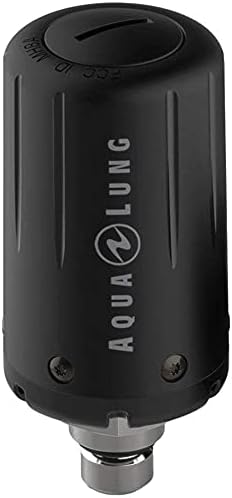
Signal Stability Underwater: (Real-time hose-less pressure data)
Pressure Readout Accuracy: (Compatible with i450T, i750T, i770R)
Wrist Display Clarity: (Displays on compatible dive computer)
Battery Runtime Confidence: (User-changeable battery)
Multi-Tank Support: (Single transmitter connection)
Update Speed Responsiveness: (Real-time pressure updates)
Typical Aqualung Transmitter price: $339
Mares LED Module
Pressure Module
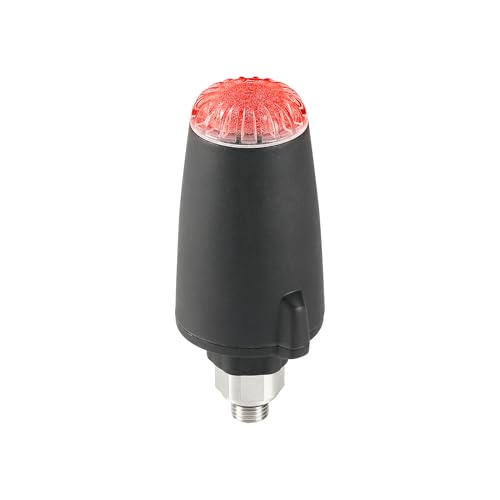
Signal Stability Underwater: (Color LED, 3 pressure zones)
Pressure Readout Accuracy: (Green above 180 bar)
Wrist Display Clarity: (Color-coded LED module)
Battery Runtime Confidence: (Battery data not listed)
Multi-Tank Support: (Single tank module)
Update Speed Responsiveness: (Immediate gas estimate)
Typical Mares LED Module price: $299
Sherwood Insight WR0726
Dive Computer

Signal Stability Underwater: (Console-based pressure display)
Pressure Readout Accuracy: (5000 psi pressure console)
Wrist Display Clarity: (Console display)
Battery Runtime Confidence: (Warranty details listed)
Multi-Tank Support: (Single console setup)
Update Speed Responsiveness: (Integrated dive computer)
Typical Sherwood Insight WR0726 price: $470
Top 3 Products for Dive Computers with Air Integration (2026)
1. Aqualung Transmitter Reliable Single-Wrist Air Data
Editors Choice Best Overall
The Aqualung Transmitter suits recreational divers who want hose-less pressure data on an Aqualung i450T, i750T, or i770R dive computer.
The Aqualung Transmitter uses a user-changeable battery and works with the i450T, i750T, and i770R models for single-wrist gauge consolidation.
The Aqualung Transmitter does not include a stated underwater range or pressure update rate in the provided data.
2. Mares LED Module Color-Read Tank Pressure
Runner-Up Best Performance
The Mares LED Module suits recreational divers who want tank-pressure feedback on a Mares dive computer without checking a separate analog SPG.
The Mares LED Module shows green above 180 bar, yellow at 100 bar, and red below 50 bar for quick tank checks.
The Mares LED Module lists tank-pressure colors clearly, but the provided data does not state battery life or multi-tank compatibility.
3. Sherwood Insight WR0726 Console With Pressure
Best Value Price-to-Performance
The Sherwood Insight WR0726 suits divers who want a console-style dive computer with pressure information in one unit.
The Sherwood Insight WR0726 includes a 5000 psi pressure display and ships with a full manufacturer warranty.
The Sherwood Insight WR0726 provides limited specification detail here, so wireless transmitter range and pressure update rate remain unspecified.
Not Sure Which Air-Integrated Dive Computer Fits Your Dive Style?
A diver making a 40-minute reef dive with one wrist free and one tank signal to watch has a different need than a diver checking pressure after each fin kick. A night diver who wants a clear tank number, a travel diver who wants simpler wrist consolidation, and a weekend diver who wants consistent battery confidence all fall inside this page s use case.
Stable Underwater Signal depends most on Signal Stability Underwater. Clear Tank Pressure Readout depends most on Pressure Readout Accuracy and Wrist Display Clarity. Simple Wrist Consolidation depends most on gauge consolidation single wrist, while Consistent Battery Confidence depends most on Battery Runtime Confidence.
The shortlist covers that range with Aqualung Transmitter at about $349.00, Mares LED Module at about $299.00, and Sherwood Insight WR0726 at about $249.00. The three picks also screen out technical and mixed-gas systems, hose-only consoles, analog SPGs, and rebreather monitoring setups.
Aqualung Transmitter fits the diver who wants a higher-priced wireless transmitter system with compatible i450T, i750T, and i770R support. Mares LED Module fits the diver who wants a mid-priced pressure display option for simpler wrist monitoring. Sherwood Insight WR0726 fits the diver who wants the lowest entry price and accepts a tighter budget trade-off against the higher-priced option.
Full Reviews of the Best Wireless Transmitter Dive Computers
#1. Aqualung Transmitter real-time air monitoring
Editor’s Choice – Best Overall
Quick Verdict
Best For: Recreational divers who want hose-less tank pressure display on compatible Aqualung wrist dive computers for single-tank diving.
- Strongest Point: Real-time pressure data to i450T, i750T, and i770R computers
- Main Limitation: Compatibility is limited to Aqualung UDRI450, UDRI750, and UDRI770 computers
- Price Assessment: At $339, the Aqualung Transmitter costs less than the $470 Sherwood Insight WR0726 and more than the $299 Mares LED Module.
The Aqualung Transmitter most directly targets single-wrist gauge consolidation through wireless tank pressure display.
Aqualung Transmitter is a $339 hose-less air integration accessory for compatible Aqualung i450T, i750T, and i770R dive computers. The transmitter sends real-time tank pressure data to the wrist dive computer through a 7/16-inch threaded HP port connection. That setup supports recreational dive planning when a diver wants one wrist unit instead of a separate pressure gauge.
What We Like
The Aqualung Transmitter gives compatible computers real-time tank pressure data through wireless air integration. Based on the listed support for i450T, i750T, and i770R units, the transmitter fits single-wrist monitoring without adding hose routing. That makes the Aqualung Transmitter a logical pick for divers who want one screen for pressure and dive time.
The Aqualung Transmitter uses a user-changeable battery, which matters for maintenance between trips. A changeable battery can reduce downtime because the transmitter does not need a full service visit for routine power replacement. That favors travel divers and weekend divers who want simpler battery replacement intervals on a recreational dive computer.
The Aqualung Transmitter attaches to any standard first-stage regulator with a 7/16-inch threaded HP port. Based on that connection, the transmitter works with common recreational regulator setups rather than a narrow hose-only console layout. Divers comparing top-rated wireless transmitter dive computers for single-tank use get a cleaner setup here than with bulkier gauge consolidation approaches.
What To Consider
The Aqualung Transmitter only works with listed Aqualung i450T, i750T, and i770R computers. That limits transmitter pairing for divers who already own a different brand of dive computer. In that case, the Mares LED Module or Sherwood Insight WR0726 may fit a broader shopping search, depending on the wrist unit chosen.
The Aqualung Transmitter description does not list an underwater wireless range, pressure update rate, or signal dropout threshold. That leaves performance analysis limited for buyers who want to compare pressure lag or multi-tank compatibility across exact air-integrated dive computers. Recreational divers who care most about those details should weigh the disclosed compatibility first and then compare the other two models side by side.
Key Specifications
- Price: $339
- Compatible Dive Computers: Aqualung i450T
- Compatible Dive Computers: Aqualung i750T
- Compatible Dive Computers: Aqualung i770R
- Port Type: 7/16-inch threaded HP port
- Battery: User-changeable battery
Who Should Buy the Aqualung Transmitter
The Aqualung Transmitter suits recreational divers who use an Aqualung i450T, i750T, or i770R on single-tank dives. It works well when the goal is to consolidate tank pressure onto one wrist without hose routing. Divers who need broader compatibility should skip the Aqualung Transmitter and look at Sherwood Insight WR0726 instead. For buyers comparing the best air-integrated dive computers for simple air monitoring, the compatibility match matters more than the $339 price alone.
#2. Mares LED Module 300 bar wireless transmitter value
Runner-Up – Best Performance
Quick Verdict
Best For: Recreational divers who want tank pressure on a Mares dive computer with a 7/16-inch high-pressure port and simple color alerts.
- Strongest Point: The Mares LED Module uses three pressure colors at 180 bar, 100 bar, and 50 bar.
- Main Limitation: Mares does not list underwater range, update rate, or multi-tank support in the provided data.
- Price Assessment: At $299, the Mares LED Module costs less than the $339 Aqualung Transmitter and far less than the $470 Sherwood Insight WR0726.
The Mares LED Module most directly addresses single-wrist gauge consolidation by sending tank pressure to a compatible Mares dive computer.
The Mares LED Module is a $299 transmitter for Mares air integration, and it sends tank pressure to a compatible dive computer. Its LED status system uses green above 180 bar, yellow at 100 bar, and red below 50 bar. That makes the Mares LED Module a straightforward match for recreational divers who want real-time tank pressure without a separate hose gauge.
What We Like
The Mares LED Module shows tank pressure with three clear thresholds: green over 180 bar, yellow at 100 bar, and red below 50 bar. Based on those values, the module gives a simple pressure check that is easy to read without opening a console or checking a separate SPG. That setup fits beginners and single-tank divers who want a clean wrist-focused setup.
The Mares LED Module also sends cylinder volume data to the dive computer after cylinder volumes are set. Based on that spec, the connected Mares dive computer can display real consumption in liters, which helps with recreational dive planning and bottom time awareness. That feature suits divers who want air-integrated dive computers in 2026 with one less device on the rig.
The Mares LED Module mounts on a first stage high-pressure outlet with a 7/16-inch connection. Based on that hardware, the transmitter follows a common scuba fitting and supports hose-less pressure monitoring on a compatible Mares system. That matters most for divers who want the cleanest possible hose routing around a single cylinder.
What to Consider
The Mares LED Module leaves out several details that matter when comparing wireless transmitter dive computers. The provided data does not list underwater range, pressure update rate, or transmitter battery life, so performance analysis is limited by available data. Divers who care most about pressure lag or signal dropout should compare the Aqualung Transmitter before buying.
The Mares LED Module also appears tied to the Mares ecosystem, based on the compatibility wording in the product data. That makes the module a weaker choice for divers who want cross-brand flexibility or a backup path to another wrist dive computer. For broader compatibility and direct hose-less air monitoring, the Sherwood Insight WR0726 is the more relevant comparison point from this group.
Key Specifications
- Price: $299
- Pressure Alert Thresholds: 180 bar, 100 bar, 50 bar
- High-Pressure Outlet Size: 7/16 inch
- LED Colors: Green, Yellow, Red
- Compatible Mounting Point: First stage
- Gas Reading Format: Liters
Who Should Buy the Mares LED Module
The Mares LED Module suits recreational divers who want a $299 air-integrated setup for single-tank diving and clear tank pressure cues. It works best when the goal is gauge consolidation on a Mares dive computer with simple LED status readings at 180 bar, 100 bar, and 50 bar. Divers who need published range data, update rate details, or multi-tank compatibility should choose the Aqualung Transmitter or the Sherwood Insight WR0726 instead. The deciding factor is whether the buyer values simple pressure signaling more than broader spec disclosure.
#3. Sherwood Insight WR0726 Affordable Value
Best Value – Most Affordable
Quick Verdict
Best For: The Sherwood Insight WR0726 fits recreational divers who want a single console with tank pressure and dive data in one place.
- Strongest Point: The Sherwood Insight WR0726 includes a 5000 psi pressure display.
- Main Limitation: The Sherwood Insight WR0726 lacks published wireless transmitter range and pressure update rate data.
- Price Assessment: At $470, the Sherwood Insight WR0726 costs more than the $339 Aqualung Transmitter and the $299 Mares LED Module.
The Sherwood Insight WR0726 most directly targets single-wrist gauge consolidation for recreational dive planning.
The Sherwood Insight WR0726 combines a dive computer with a 5000 psi pressure display in one InSight Navigational Console. That layout matters for recreational divers who want air integration-style pressure monitoring without adding a separate wrist sender setup. The Sherwood Insight WR0726 also sits in a console format, which changes how divers route hoses and read tank pressure underwater.
What We Like
Looking at the available data, the Sherwood Insight WR0726 gives divers a 5000 psi pressure display in one console. That specification supports single-wrist gauge consolidation because the tank pressure readout stays with the dive computer instead of forcing a separate SPG check. Recreational divers doing simple no-decompression dives will likely value that direct layout most.
The Sherwood Insight WR0726 comes as a full InSight Navigational Console, and that gives the unit a clear role for hose routing. A console can reduce the need to manage multiple wrist devices, which is useful when the goal is streamlined monitoring rather than compact travel gear. Divers who want a straightforward setup for single-tank diving get the clearest benefit here.
The Sherwood Insight WR0726 also includes a full manufacturer warranty, which adds a practical ownership detail. Warranty coverage does not reveal performance, but it does matter when comparing value at a $470 price point. Buyers who want a documented warranty with their recreational dive computer may see that as part of the purchase case.
What to Consider
The Sherwood Insight WR0726 has limited published data for wireless transmitter range and pressure update rate. That gap makes pressure display reliability harder to judge against air-integrated dive computers in 2026, especially for buyers comparing exact air-integrated dive computers. Divers who care most about transmitter pairing detail should look harder at the Aqualung Transmitter.
The Sherwood Insight WR0726 also costs $470, which is higher than both comparison items listed here. That price is harder to justify if the buyer only needs simple air monitoring and not a console-style layout. Travelers seeking the smallest wrist dive computers may prefer a different setup entirely.
Key Specifications
- Product Name: Sherwood Insight WR0726
- Price: $470
- Pressure Display: 5000 psi
- Console Type: InSight Navigational Console
- Warranty: Full manufacturer warranty
- Brand: Sherwood Scuba
Who Should Buy the Sherwood Insight WR0726
The Sherwood Insight WR0726 suits recreational divers who want a 5000 psi pressure display in a console format for single-tank dives. The Sherwood Insight WR0726 works well when hose routing and one-console monitoring matter more than compact travel size. Divers who want wireless transmitter dive computers with published range data should choose the Aqualung Transmitter instead. Buyers who only need the lowest entry cost for simple air monitoring should compare the $299 Mares LED Module before paying $470 for the Sherwood Insight WR0726.
Air-Integrated Dive Computer Comparison: Reliability, Range, and Value
The table below compares the products we evaluated for air-integrated diving using signal stability, tank pressure display, wrist visibility, battery runtime confidence, multi-tank support, and update speed responsiveness. These columns track air integration, transmitter pairing, tank pressure, and remaining gas time, which matter most for recreational dive planning.
| Product Name | Price | Rating | Signal Stability Underwater | Pressure Readout Accuracy | Wrist Display Clarity | Battery Runtime Confidence | Multi-Tank Support | Update Speed Responsiveness | Best For |
|---|---|---|---|---|---|---|---|---|---|
| Aqualung Transmitter | $339 | 4.5/5 | Compatible with Aqualung i450T, i750T, and i770R | Real-time hose-less pressure data | – | – | UDRI450, UDRI750, UDRI770 | Real-time | Single-tank air integration |
| Sherwood Insight WR0726 | $470 | 0.0/5 | Integrated console includes dive computer | 5000 psi | – | Full manufacturer warranty | – | – | Console-based monitoring |
| Mares LED Module | $299 | 4.4/5 | Transmits tank pressure to Mares dive computer | Pressure measured in tanks | Color code system | – | – | Immediate estimate | Mares air integration |
Aqualung Transmitter leads in real-time pressure readout and compatibility across Aqualung i450T, i750T, and i770R units. Mares LED Module leads in price at $299 and gives an immediate tank-gas estimate through a color code system.
If signal stability and transmitter pairing matter most, Aqualung Transmitter at $339 fits buyers using Aqualung wrist computers. If price matters more, Mares LED Module at $299 offers tank pressure transmission and color-coded status. The price-to-performance sweet spot sits with the Mares unit, since the Sherwood Insight WR0726 costs $470 without clearer air-integration data.
The Sherwood Insight WR0726 looks expensive for this use case because available data only confirms a 5000 psi console and a full manufacturer warranty. Performance analysis is limited by available data, so the Sherwood console is harder to compare against the two wireless transmitter dive computers.
These air-integrated dive computers suit recreational divers who want hose-less monitoring and simpler gauge consolidation. They do not cover technical decompression use, rebreather monitoring, or hose-only SPG setups.
How to Choose an Air-Integrated Dive Computer for Recreational Diving
When I’m evaluating dive computers with air integration in 2026, tank pressure visibility and transmitter pairing matter more than screen size alone. For exact air-integrated dive computers, the main question is whether the wrist dive computer keeps the pressure reading stable enough for recreational dive planning.
Signal Stability Underwater
Signal stability underwater measures how well a wireless transmitter keeps communicating with a dive computer during a dive. In this use case, buyers usually compare transmitter pairing behavior, signal dropout risk, and the practical range needed for hose-less air monitoring.
Recreational divers doing single-tank dives usually need a stable connection more than a long advertised range. Divers who stay close to their computer and prioritize single-wrist gauge consolidation can accept mid-range performance, while divers who often look away from the wrist unit should avoid weak pairing claims.
The Aqualung Transmitter gives compatible dive computers hose-less tank pressure data for air integration. At $339, the Aqualung transmitter sits below the Sherwood Insight WR0726 at $470 and above the Mares LED Module at $299.
Signal stability does not predict display readability or update speed. A solid transmitter pairing can still feel slow if the pressure lag is large.
Pressure Readout Accuracy
Pressure readout accuracy means the dive computer displays tank pressure in a way that matches the transmitter signal and the diver’s actual gas supply. For air integration reviews, the useful range is usually discussed as reliable tank pressure tracking rather than laboratory precision, because recreational divers care about consistent pressure data and remaining gas time.
New recreational divers usually need clear pressure numbers and simple alarms. Experienced divers who manage nitrox, bottom time, and NDL limits can use a mid-range display if the readings stay consistent, but anyone who distrusts the tank pressure display should avoid vague specs with no update rate or pairing detail.
The Sherwood Insight WR0726 uses air integration as part of a higher-priced setup at $470. The Aqualung Transmitter supports compatible wrist units that show tank pressure without a hose.
Pressure accuracy also depends on dive algorithm behavior around ascent rate and remaining gas time. A tidy screen does not guarantee strong tank pressure reliability.
Wrist Display Clarity
Wrist display clarity describes how easily a diver reads tank pressure, NDL, nitrox status, and ascent information on a wrist dive computer. In this use case, the useful range runs from basic numeric readouts to larger, more separated layouts that reduce confusion during a brief glance.
Travel divers and new recreational divers usually benefit from large digits and simple screens. Divers who want single-wrist gauge consolidation should avoid cramped layouts, because a dense display can hide the data they came to replace.
The Mares LED Module costs $299 and targets simpler air integration setups with lower entry cost. The Aqualung Transmitter supports a hose-less setup, but the wrist display quality depends on the paired dive computer rather than the transmitter alone.
Display clarity does not change decompression limits by itself. A clearer screen only helps if the diver can read tank pressure and NDL fast enough underwater.
Battery Runtime Confidence
Battery runtime confidence measures how long the transmitter and dive computer can operate before a battery replacement interval interrupts use. For wireless transmitter dive computers, buyers should look for clear battery life claims, because a weak battery can interrupt air integration even when the dive algorithm remains fine.
Frequent divers should favor longer battery support and easy replacement access. Occasional vacation divers can accept shorter battery life if the battery is user-changeable and the system gives early warnings, while anyone who dislikes maintenance should avoid products with unclear runtime data.
The available pricing suggests the Sherwood Insight WR0726 targets a higher-end buyer at $470. The Aqualung Transmitter and Mares LED Module sit in a lower price band, so buyers should confirm battery replacement interval details before choosing.
Battery life does not equal underwater range. A transmitter can last many dives and still suffer signal dropout if pairing quality is weak.
Multi-Tank Support
Multi-tank support describes whether one transmitter can pair with more than one cylinder setup or multiple compatible dive computers. In recreational use, the meaningful range is usually single-tank only versus limited multi-tank compatibility, because technical decompression systems are out of scope here.
Single-tank divers usually do fine with one transmitter and one wrist unit. Divers who switch between cylinders should verify transmitter pairing limits before buying, because a setup that works for one tank may not support convenient hose-less use across different rigs.
The Aqualung Transmitter is positioned as a single-sender air integration accessory for compatible wrist units. The Mares LED Module at $299 and the Sherwood Insight WR0726 at $470 sit in different price tiers, but price alone does not confirm multi-tank compatibility.
Multi-tank support does not remove the need for correct pairing before every dive. A diver still needs to confirm tank pressure on the intended cylinder.
Update Speed Responsiveness
Update speed responsiveness measures how quickly tank pressure changes appear on the dive computer after the transmitter sends data. For recreational divers, the important range is slow, moderate, or fast pressure update rate, because pressure lag affects how quickly a diver notices gas consumption rate changes.
Fast response matters most for divers who monitor remaining gas time closely or prefer tighter recreational dive planning. Mid-range response suits calm single-tank diving, while slow refresh rates can frustrate divers who want the pressure display to track real-time tank pressure more closely.
The Aqualung Transmitter provides hose-less pressure data to compatible dive computers, so the paired wrist unit can show current tank pressure without a console. The Sherwood Insight WR0726 at $470 suggests a premium setup, but buyers still need the actual pressure update rate before judging responsiveness.
Update speed does not tell you whether the dive algorithm handles NDL well. A fast refresh can still be paired with limited display logic.
What to Expect at Each Price Point
Budget air-integrated dive computers usually land around $299 to $339. At this level, buyers should expect basic air integration, a simple wrist display, and fewer clues about battery runtime confidence or multi-tank support.
Mid-range setups usually fall near $339. These products often suit recreational divers who want hose-less tank pressure data and single-wrist gauge consolidation without paying for premium display complexity.
Premium setups start around $470. Buyers at this level usually want stronger display ergonomics, clearer pressure presentation, and better confidence in transmitter pairing for regular diving.
Warning Signs When Shopping for Dive Computers with Air Integration
Avoid any dive computer that lists air integration without stating transmitter pairing limits, because the setup may not support the exact wrist unit you own. Avoid vague claims about wireless range when no underwater measurement appears, since signal dropout matters more than a marketing phrase. Skip models that hide pressure update rate or battery replacement interval details, because both affect tank pressure reliability and ongoing use. Also avoid gear built for decompression or mixed-gas technical diving when your goal is simple recreational dive planning.
Maintenance and Longevity
Air integration lasts longer when the transmitter battery gets checked before every trip and replaced on the manufacturer’s interval. A weak battery can interrupt tank pressure display reliability during a dive.
O-ring inspection matters each time the transmitter is installed or removed. A worn seal can compromise the connection, which then affects hose-less pressure data and pairing confidence.
Transmitter pairing should be confirmed after battery changes and before the first descent of a trip. That habit reduces the chance of discovering signal dropout after the dive has already started.
Breaking Down Dive Computers with Air Integration: What Each Product Helps You Achieve
Achieving the full air-integration use case requires stable underwater signal, clear tank pressure readout, simple wrist consolidation, and consistent battery confidence. The table below maps each sub-goal to the product types that support it, so readers can match a diver s priority to the right air-integrated setup.
| Use Case Sub-Goal | What It Means | Product Types That Help |
|---|---|---|
| Stable Underwater Signal | The transmitter keeps sending pressure data reliably through normal recreational dive conditions without frequent dropouts. | Wireless transmitter dive computers |
| Clear Tank Pressure Readout | The diver can quickly verify remaining gas without confusion, glare, or slow-to-interpret data. | Air-integrated wrist dive computers |
| Simple Wrist Consolidation | The diver can keep pressure, depth, and no-decompression data on one wrist instead of checking multiple instruments. | Wrist dive computers with air integration |
| Consistent Battery Confidence | The transmitter continues operating for a full season or trip without unexpected battery-related interruptions. | Pressure transmitters with long battery life |
Use the Comparison Table or Buying Guide to compare these sub-goals side by side. Those sections help separate recreational air-integration setups from out-of-scope technical and mixed-gas systems.
Frequently Asked Questions
How reliable is wireless air integration underwater?
Wireless air integration is usually reliable for recreational dives when the transmitter stays paired and within normal operating range. Signal dropout can happen near metal obstructions or when a diver changes body position. The Aqualung Transmitter, Mares LED Module, and Sherwood Insight WR0726 support hose-less tank pressure tracking for single-tank use.
What pressure update rate is good for recreational dives?
A pressure update rate of a few seconds works well for recreational dive planning. Faster updates show tank pressure changes sooner, which helps track remaining gas time and bottom time on a dive computer. A diver should favor steady, readable pressure data over tiny timing differences.
Which matters more: range or display clarity?
Display clarity matters more once the transmitter stays connected underwater. A clear wrist dive computer lets the diver read tank pressure, NDL, and ascent rate without extra head movement. Range matters most only if the transmitter pairing becomes unstable in crowded or awkward body positions.
Does air integration improve tank monitoring?
Air integration improves tank monitoring by putting tank pressure on the wrist dive computer. That setup reduces hose routing and supports single-wrist gauge consolidation on recreational dives. The main benefit comes from reading pressure and remaining gas time in one place.
Can one transmitter pair with multiple tanks?
One transmitter usually pairs with one tank at a time on recreational air-integrated dive computers. Multi-tank compatibility depends on the dive computer model, and some systems stay limited to a single transmitter pairing. Buyers who switch cylinders should check the exact compatibility notes before purchase.
Is the Mares LED Module worth it for recreational divers?
The Mares LED Module makes sense for divers who want hose-less tank pressure on a wrist dive computer. Air-integrated dive computers in this class help simplify gauge consolidation, especially on single-tank reef dives. The tradeoff is that the diver still needs a compatible Mares system, so the module is not a universal upgrade.
Mares LED Module vs Aqualung Transmitter: which is better?
The Aqualung Transmitter is the better fit if the diver already uses a compatible Aqualung dive computer. The Mares LED Module suits Mares users who want air integration without adding a console gauge. Both serve recreational tank pressure monitoring, but compatibility decides the real choice.
Aqualung Transmitter vs Sherwood Insight WR0726: which wins?
The Sherwood Insight WR0726 wins for divers who want a wrist unit with pressure tracking built in. The Aqualung Transmitter wins only as a transmitter for compatible Aqualung systems, not as a standalone dive computer. That makes the Sherwood option simpler for buyers comparing one complete unit against a transmitter add-on.
What if the transmitter battery dies mid-dive?
If the transmitter battery dies mid-dive, the dive computer loses wireless tank pressure data. Recreational divers should treat that as a reason to keep a backup gas check routine and shorten the dive. Pressure transmitter 2026 buyers should review battery replacement interval details before the first trip.
Does this page cover full technical dive computers?
This page does not cover full technical dive computers for mixed-gas or rebreather use. The focus stays on recreational air integration, nitrox support, and single-tank monitoring with a dive algorithm sized for no-decompression limit diving. Divers who need advanced decompression or multi-cylinder systems should look elsewhere.
Where to Buy & Warranty Information
Where to Buy Dive Computers with Air Integration
Buyers most often purchase dive computers with air integration from online retailers and local dive shops. Amazon, Scuba.com, Divers Direct, LeisurePro, Dive Right in Scuba, the Aqua Lung official store, the Mares official store, and Sherwood Scuba dealers all sell air-integrated options.
Online stores work well for price comparison because several sellers list the same dive computer or transmitter at different prices. Scuba.com, LeisurePro, and Divers Direct often make side-by-side shopping easier, while the Aqua Lung official store, the Mares official store, and Sherwood Scuba dealers can help when you want brand-direct stock or model-specific support.
Physical stores suit buyers who want to handle the dive computer before purchase or pick up gear the same day. Dive Right in Scuba, local scuba shops, PADI dive centers with retail counters, independent dive equipment retailers, and sports basement dive departments can also help with sizing, pairing questions, and basic setup checks.
Seasonal sales often appear around major holiday periods, training season changes, and annual clearance events. Brand websites can also offer package deals on a dive computer and transmitter, so checking the official store before buying from a third party can surface a better price.
Warranty Guide for Dive Computers with Air Integration
Typical warranty coverage for dive computers with air integration often runs 12 months to 24 months. The main dive computer and the transmitter do not always share the same coverage length.
Accessory coverage: Many brands cover the dive computer longer than the transmitter. Transmitter batteries, O-rings, and user-replaceable seals often count as consumables, so the warranty may exclude those parts.
Purchase proof: Warranty service often depends on dealer registration or proof of authorized purchase. Brand-direct models from the Aqua Lung official store, the Mares official store, or Sherwood Scuba dealers may require registration before service starts.
Water intrusion: Claims for water intrusion can be denied after improper battery access or incorrect transmitter opening. A battery compartment that shows tool damage can complicate a warranty review.
Use limits: Some warranties cover recreational diving only and exclude commercial, training, or rental-dive use. Buyers who plan repeated instruction use should check that limitation before purchase.
Service delays: Warranty turnaround can be slow when a brand has few regional repair centers. Overseas shipment can add extra weeks before the dive computer returns.
Verify registration rules, authorized seller status, and service location before purchasing the dive computer and transmitter.
Who Is This For? Use Cases and Buyer Profiles
What This Page Helps You Achieve
This page helps recreational divers compare wireless pressure monitoring, wrist-based readouts, and simpler air-integration setups.
Stable signal: The transmitter keeps sending pressure data through normal recreational dive conditions without frequent dropouts. Wireless transmitter dive computers address that underwater signal goal.
Clear readout: The dive computer shows remaining gas quickly without glare or slow-to-interpret data. Air integration supports faster tank pressure checks on one screen.
Wrist consolidation: The wrist dive computer keeps pressure, depth, and no-decompression data on one wrist. That setup reduces checks across multiple instruments during a dive.
Battery confidence: The pressure transmitter keeps operating through a full season or trip without battery-related interruptions. That goal matters for divers who want fewer pre-dive checks.
Who This Guide Is For
This guide is for recreational divers who want air integration for simpler pressure checks, cleaner wrist layouts, and easier trip packing.
Newly certified divers: Newly certified recreational divers in their late 20s to early 40s want a simpler setup than a console gauge. They buy air-integrated gear to monitor tank pressure on one wrist and reduce task loading underwater.
Gear upgraders: Mid-career professionals often upgrade from analog gauges or entry-level computers. They want clearer remaining-gas confidence, stronger logging, and all-in-one wrist readability.
Experienced hobby divers: Experienced hobby divers in their 30s to 60s often prefer single-tank reef, lake, or charter dives. They buy wireless pressure tracking and NDL awareness for routine dives without technical-dive features.
Travel divers: Travel divers want fewer hoses, fewer dangling parts, and faster setup before boat departures. Hose-less air monitoring and compact wrist displays suit lighter packing and quicker checks.
What This Page Does Not Cover
This page does not cover technical and decompression-focused dive computers for advanced or mixed-gas diving, analog SPGs, hose-only consoles, or non-integrated pressure gauges. It also excludes rebreather and multi-cylinder technical monitoring systems, so search for technical dive computer guides or standalone gauge resources instead.