

Scuba Forge is reader-supported: some links on this page are affiliate links, and as an Amazon Associate Scuba Forge earns from qualifying purchases at no extra cost to you. Learn more.
Second stage regulator prices typically range from $102.49 to $1,534.49, with the most common options falling between $119.95 and $339.95. As the price rises, the primary change is the engineering of the internal breathing mechanism and the materials used for the housing and components.
Second Stage Regulator Price Levels at a Glance
| Price level | Price range | Products | Median rating |
|---|---|---|---|
| Entry level | $102.49 to $109.95 | 4 | 5.0 |
| Lower mid-range | $119.95 to $148.75 | 4 | – |
| Upper mid-range | $154.95 to $339.95 | 4 | 5.0 |
| Top end | $688 to $1534.49 | 4 | 5.0 |
Products in this category with a full review here
From $105.80 to $1091: 3 of the 10 in this category we have reviewed in full.

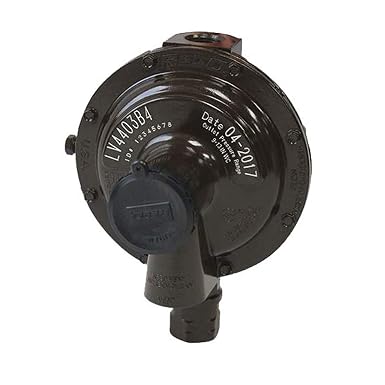
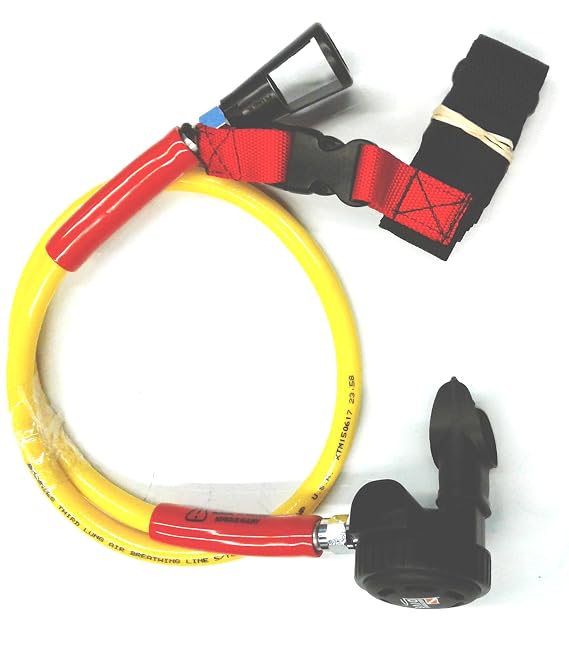
What does an entry level second stage regulator provide?
An entry level second stage regulator provides a functional breathing apparatus for a price range between $102.49 and $109.95. This price point is suitable for a student or a diver who needs a reliable, basic unit for infrequent use or for learning the fundamentals of underwater breathing. At this level, the regulator provides a standard response to inhalation, but it may lack the high-precision flow control found in more expensive models.
Low cost second stage regulators provide basic functionality for recreational divers
A diver using this level of gear might experience a slightly different feel when inhaling compared to a high-end model, but the primary function of delivering air remains consistent. The limitation at this price point is often the simplicity of the internal components, which may result in a less refined “work of breathing” during heavy exertion. If you are a recreational diver who prioritizes cost over advanced engineering, these units provide the necessary functionality for a low initial investment.
Compared to the lower mid-range, these entry-level options may use more basic materials for the external casing or have a simpler internal valve design. While they meet the basic requirements for underwater breathing, they do not offer the same level of sophisticated flow optimization found as you move up the price scale.
If you are planning a voyage to harsh conditions, see our comparison of regulators for extreme environments.
What does a lower mid-range second stage regulator offer?
A lower mid-range second stage regulator offers a balance of features and reliability with prices between $119.95 and $148.75. This level suits a recreational diver who wants a more refined breathing experience than an entry-level unit but does not require the specialized engineering of high-end professional gear. The median price for this bracket is $137.48.
Mid range regulators offer consistent breathing response for standard recreational dives
The primary gain at this level is often a more consistent response across different breathing rates. For a diver performing a standard recreational dive, these regulators provide a smoother transition between inhalation and exhalation. They are designed to provide a reliable flow of air while maintaining a manageable work of breathing for the average user.
While these units are a step up from the $102.49 starting point, they still lack some of the high-performance features of the upper mid-range. If you are looking for a dependable workhorse for regular weekend dives, this range provides a significant jump in build quality without the premium cost of high-end engineering.
What does an upper mid-range second stage regulator provide?
An upper mid-range second stage regulator provides advanced engineering and materials within a price range of $154.95 to $339.95. This level is suited for the frequent recreational diver who values a high-quality, consistent breathing experience and wants a regulator that can handle a wide variety of conditions comfortably.
Second stage regulators at the $224.48 median minimize breathing resistance
At the $224.48 median price, the focus shifts toward minimizing breathing resistance and ensuring the regulator remains responsive even when the air supply pressure changes. These models often incorporate more sophisticated internal geometries to ensure that the air flows smoothly into the diver’s mouth. This is a critical consideration for anyone who spends significant time underwater and wants to avoid the fatigue caused by a heavy work of breathing.
For a deep dive into a high-end option, see our full review of the Hollis 200LX.
Upper mid range regulators provide precision and durability for frequent divers
The upper mid-range offers a significant leap in refinement over the $119.95 lower mid-range. While the lower mid-range provides a solid basic experience, the upper mid-range provides the precision and durability that many experienced divers prefer for their primary equipment. If you find yourself diving frequently, the investment in this range provides a more consistent experience that reduces the physical effort of breathing during longer dives.
What does a top end second stage regulator offer?
A top end second stage regulator provides the highest level of engineering and material quality available, with prices ranging from $688 to $1,534.49. This level is suited for professional divers, technical divers, or those who demand the absolute best in flow performance and reliability regardless of the cost.
Top end second stage regulators offer effortless breathing in extreme conditions
The top end represents the peak of second stage regulator technology, where the focus is on providing a nearly effortless breathing experience. These regulators are engineered to provide consistent flow even in extreme conditions or during high-exertion tasks. Because the engineering is so precise, these units are often the choice for those who spend a significant amount of time in the water and require the highest level of reliability.
High grade materials and sophisticated designs define the $1,170 top end
The jump from the upper mid-range to the top end is significant, with the median price reaching $1,170. At this level, you are paying for the highest grade of materials and the most sophisticated internal designs ever produced for this category. While the difference in basic functionality may be subtle to a beginner, the difference in precision and the ability to handle extreme scenarios is what defines this price tier.
For a detailed breakdown of the Oceanic model, see our full review of the Oceanic Alpha 10.
Where does paying more stop buying more for a second stage regulator?
The point where paying more stops buying more for a second stage regulator occurs as the price moves into the top end bracket, where the median price is $1,170. In the first three price levels, each increase in cost provides a tangible improvement in the internal mechanics and the material quality of the regulator.
Diminishing returns on basic functionality occur at the highest price points
Between the entry level and the upper mid-range, the gains in breathing ease and build quality are substantial and measurable. However, as you move from the $224.48 median of the upper mid-range to the $1,170 median of the top end, the gains in basic functionality begin to flatten. At the highest price points, you are paying for extreme reliability, specialized engineering for technical use, and the highest possible material standards rather than a significant change in the basic way the device provides air.
Upper mid range regulators offer the best balance of performance and value
For the majority of recreational divers, the upper mid-range offers the best balance of performance and value. If you do not require the specific capabilities of a technical diving setup, the jump to the $1,170 median may provide a level of precision that exceeds what is necessary for standard recreational use. Understanding where your specific needs end allows you to avoid paying for features that do not change your actual diving experience.
What should you budget for on top of the second stage regulator?
A buyer needs to budget for several essential accessories and maintenance items to use a second stage regulator effectively. These costs are separate from the initial purchase of the regulator and are necessary for the system to function safely and correctly.
Required accessories include submersible pressure gauges and compatible regulator hoses
You will need to budget for a Submersible Pressure Gauge, which monitors cylinder pressure during the dive. This gauge must be compatible with the specific pressure rating of your air supply. Additionally, you may need a Regulator Hose to extend the reach of the breathing apparatus. The hose must match the connection type of the regulator to ensure a secure fit.
Detailed performance data is available in our full review of the Scubapro S620 Ti.
Regular maintenance requires purchasing specific replacement o-rings for airtight seals
Maintenance is also a recurring cost. You will need to purchase Replacement O-rings to ensure airtight seals and prevent leaks. These O-rings must match the specific size and material requirements of the regulator’s internal valves. Failing to maintain these seals can lead to moisture accumulation or a free-flow, where the regulator fails to close and exhausts the air supply rapidly.
How can a buyer tell a fair price for a second stage regulator?
The deciding specification for this category is the breathing mechanism’s flow performance and material build.
To determine a fair price, compare the price of the regulator to the median price of its respective tier. For example, if a regulator in the upper mid-range is priced near the $224.48 median, it suggests a fair market value for the engineering it provides. If a regulator in the top end is priced significantly higher than the $1,170 median, you should verify if it includes specific features like high-pressure ports or specialized materials that justify the extra cost.
Comparing current retail prices to median values ensures fair purchase pricing
When evaluating a price, consider the date of the research; these figures were checked in November 2026, and retail prices move frequently. A fair price is one that aligns with the median of the category it belongs to, ensuring you are not overpaying for features that are not present in the data. By comparing the price to the median of the tier, you can see if the product offers a good value for the specific level of engineering you require.
The rest of our second stage regulator guides
- Second Stage Regulators for Extreme Environments Compared
- Choosing the Best Scuba Regulator for Beginners
- The Second Stage Regulators That Work Best for Left Handed Divers
- Which Second Stage Regulator Is Best for a Full Face Diving Mask?
- Best Second Stage Regulators for Hookah Diving
- Backmount Second Stage Regulators Under $150 Compared