

Scuba Forge is reader-supported: some links on this page are affiliate links, and as an Amazon Associate Scuba Forge earns from qualifying purchases at no extra cost to you. Learn more.
Weight for a second stage regulator typically falls between 4.8oz and 9.5oz. You should aim for a unit that weighs no more than 12oz to ensure it does not compromise your buoyancy or comfort during a dive.
If you are on a strict budget, see the best second stage regulator for backmount under $150.
Recommended Weight Values for Second Stage Regulators
| Use Case | Recommended Weight | Why this number |
|---|---|---|
| Stay balanced on a small boat | 10 to 14oz | Limits the weight added to the head while maintaining stability in a seated position. |
| Minimize weight on a backmount rig | 8 to 12oz | Reduces the downward pull on the harness to keep the center of gravity stable. |
| Reduce weight for a sidemount setup | 8 to 11oz | Minimizes the weight hanging from the side of the body to prevent uneven dragging. |
| Reduce weight for a hookah setup | 10 to 14oz | Balances the weight distribution for a non-traditional breathing configuration. |
| Keep weight low for a budget backmount | 12oz | Provides a maximum threshold to ensure the regulator remains manageable for beginners. |
| Minimize weight for a left-handed setup | 9 to 13oz | Ensures the weight of the unit does not cause the hose to pull the regulator out of position. |
Second Stage Regulators covered by our own reviews
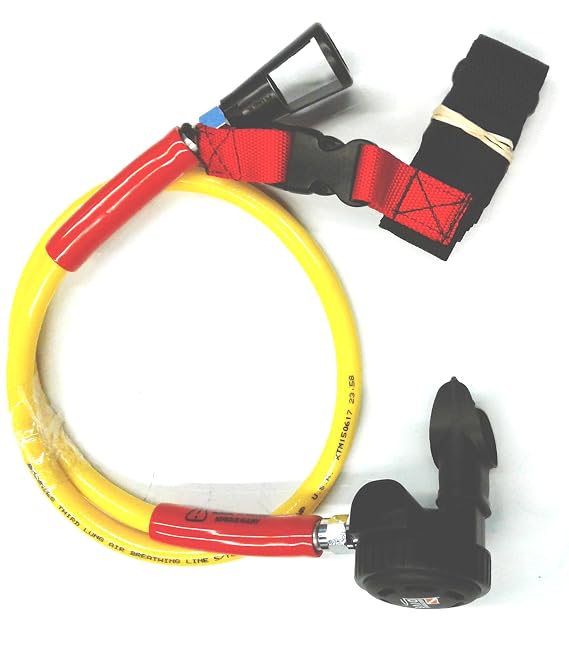
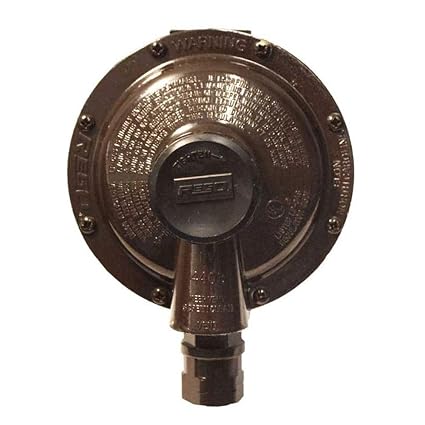
Each of the 3 shown here has its own full review on this site; they run from $109.73 to $339.95.
For emergency situations, explore the best backup breathing device for scuba to ensure safety.
Specialized conditions require you to look at the best second stage regulator for extreme environments for reliability.

What happens if you go under or over on weight?
If you choose a second stage regulator that weighs less than 4.8oz, you may find the unit lacks sufficient internal components to provide a smooth breathing experience. A lighter weight often indicates a simplified internal mechanism that might struggle with consistent flow at depth. It is a trade-off between weight and the mechanical complexity needed to manage gas delivery.
For full-face setups, check out the best second stage regulator for full face diving mask compatibility.
How heavy second stage regulators cause neck strain and buoyancy issues
Overbuying on weight leads to physical fatigue and buoyancy issues. A regulator that exceeds 12oz adds unnecessary mass to your head, which can cause neck strain during long dives. This extra weight shifts your center of gravity, forcing you to compensate constantly to stay level in the water. You pay for weight that provides no functional benefit to your breathing.
Determining the right reach is easy when you learn how to choose your hose length.
Understanding the basics is easy with our guide on how a second stage regulator works.
What is the mistake most buyers make with weight?
Buyers often focus on the lowest weight possible as a primary goal, which can lead to selecting a regulator with a simplified design. You should instead optimize for the balance between weight and breathing resistance. A regulator that weighs 5oz but makes it difficult to inhale is less effective than a 9oz unit that provides effortless flow.
Safety is paramount, so review the regulator safety standards and certifications before buying.
Why a 5.2oz weight serves as a baseline for efficient design
Focus on the median weight of 5.2oz found in the research as a baseline for modern engineering. This number represents a point where manufacturers can include necessary valves and seals without making the unit bulky. If a regulator is significantly heavier than 10oz, check if the extra mass is due to a more robust material or simply an inefficient design.
Simplify your technical research by reading common second stage regulator terms and specs explained.
You can see the differences between models in the different types of second stage regulators.
How does weight interact with other second stage regulator specs?
Weight interacts with the pressure rating and the internal mechanism of the second stage regulator. While the pressure rating measures the force the device can withstand, it does not dictate how heavy the unit is. A high pressure rating is a safety standard, whereas weight is a matter of ergonomics and comfort.
For a detailed data breakdown, see our full G260 spec analysis.
How hose length affects the perceived weight of a regulator
The hose length does not change the weight of the regulator itself, but it changes how that weight feels. A long hose can act as a lever, making a heavy regulator feel even heavier as it pulls on the mouthpiece. You should prioritize a weight that feels balanced when attached to your specific hose configuration.
You can view a deep dive into the SEAC X100 Octopus spec breakdown.
Get a comprehensive technical overview by viewing our full Hollis 200LX review.
Why manufacturers often omit specific weight data for second stage regulators
We found that only 3 out of the 16 second stage regulator listings we evaluated even stated a specific weight. This lack of data suggests that many manufacturers do not prioritize weight as a primary selling point. Because weight is often not listed, you must look for indicators of high-quality materials like 18/10 stainless steel, which can add weight but increase the durability of the mechanism.
Learn about the specifics in our full Third Lung Regulator review.
The other second stage regulator guides we have published
- The Second Stage Regulators That Work Best for Left Handed Divers
- Which Second Stage Regulator Is Best for a Full Face Diving Mask?
- Best Second Stage Regulators for Hookah Diving
- Backmount Second Stage Regulators Under $150 Compared
- Choosing the Best Second Stage Regulator for Right Handed Configuration
- The Second Stage Regulators That Work Best for Underwater Breathing