

Scuba Forge is reader-supported: some links on this page are affiliate links, and as an Amazon Associate Scuba Forge earns from qualifying purchases at no extra cost to you. Learn more.
A second stage regulator is a breathing apparatus that delivers air from a cylinder to a diver’s mouth at a consistent flow. You need a reliable breathing source for any underwater excursion, but purchasing a dedicated unit is not the only way to achieve the required breathing capacity. If you plan to dive fewer than 10 times a year, your focus might shift from ownership to access or alternative gear configurations. You should first determine if your primary goal is personal ownership for frequent use or simply the ability to breathe underwater during a specific trip.
Can I rent a second stage regulator for my dive?
Renting a second stage regulator provides access to high-quality breathing apparatus without the long-term cost of ownership or maintenance. This route works by paying a local dive center a daily or weekly fee to use their maintained inventory. The cost of renting is significantly lower than the initial purchase price of a new unit, as the rental fee covers the shop’s overhead and periodic servicing. It beats buying for a single vacation or a one-off trip where the risk of losing or damaging a personal unit outweighs the benefit of ownership. This option stops making sense when your diving frequency exceeds 3 to 4 trips per year, as the cumulative rental fees will eventually surpass the amortized cost of a personal unit.
Maintenance and safety requirements for rental gear
Rental gear requires the shop to perform regular pressure tests and internal cleaning to prevent moisture accumulation, which can cause the mechanism to seize. You should verify that the shop performs servicing every 6 to 12 months, depending on the local regulations and the specific brand’s requirements. A common mistake is assuming a rental is “ready to go” without checking the last service date on the regulator’s tag. If the shop cannot provide a documented service history, the rental is a risk to your breathing consistency.
Divers looking for specialized gear can see the best second stage regulator for hookah diving in our latest roundup.
Where these choices show up in our reviews
3 options shown here, $102.49 to $1091, each with its own full review behind its name.


What does buying a secondhand second stage regulator involve?
Buying a secondhand second stage regulator allows for a lower entry price point into the diving market by purchasing a used breathing apparatus. This route involves sourcing a unit from a private seller or a specialized used gear dealer. The cost is typically 40% to 60% lower than a new unit, but it requires a significant upfront investment in a professional service before use. It beats buying new if you are on a strict budget and can find a unit from a reputable manufacturer with a clear history. This option stops making sense if you cannot find a unit that has been serviced within the last 12 months or if the housing shows signs of significant pitting or corrosion.
If you are on a strict budget, view the best second stage regulator for backmount under $150 to see your options.
The mandatory service cost of used gear
A used second stage regulator requires a full “major service” before your first dive to ensure the internal components are free of salt and debris. This service usually costs between $80 and $150 depending on the complexity of the internal valves. If the cost of the used unit plus the mandatory service exceeds the price of a new entry-level model, buying new is the more economical choice.
How do different brand models of second stage regulators compare?
Comparing different brand models of second stage regulators involves choosing between varying engineering philosophies and flow characteristics. This route involves weighing the specifications of different manufacturers to find the balance between work of breathing and durability. It beats buying a “generic” brand when you require specific reliability benchmarks, such as those found in high-end engineering models. This option stops making sense when the price difference between a premium brand and a standard brand exceeds 50% for features you do not require, such as specialized sidemount configurations.
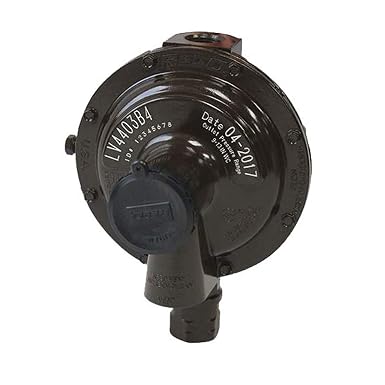
You can view our data-driven analysis in our full LV4403B4 Regulator comparison to see how it stacks up against others.
Work of breathing and flow rates
The work of breathing refers to the effort required to inhale and exhale against the resistance of the regulator’s internal components. A high-quality brand often optimizes the internal geometry to minimize this resistance, which is critical during high-exertion dives. If you find yourself struggling to inhale during a heavy work task, it is often a sign that the regulator’s internal design is not providing sufficient flow for your breathing rate.
Comparison of second stage regulator options
| Route | Who it suits | Main advantage | Where it breaks down |
|---|---|---|---|
| Renting | Occasional or vacation divers | No ownership costs or maintenance | Cost exceeds ownership for frequent use |
| Buying Secondhand | Budget-conscious regular divers | Lower initial purchase price | Requires high upfront service costs |
| Different Brand Models | Divers with specific needs | Tailored flow and durability | High price premium for niche features |
When is buying a second stage regulator the right choice?
Buying a second stage regulator is the right choice when you dive at least twice a month or require a specific configuration for your local conditions. If you require a specific hose length, such as a 100 cm reach, or a specific port orientation like a right-hand exhaust, ownership ensures the gear is always ready. It is also the correct choice when you need a reliable breathing source that is tailored to your specific physiological needs, such as a low-resistance model for high-exertion diving. When you own the gear, you control the service schedule, ensuring the regulator never fails due to neglected maintenance.
More second stage regulator explainers and comparisons
- The Second Stage Regulators That Work Best for Underwater Breathing
- Which Second Stage Regulator Is Easy to Breathe for Intermediate Diving?
- The Second Stage Regulators That Serve as a Backup Breathing Device for Scuba
- Second Stage Regulators for Extreme Environments Compared
- Choosing the Best Scuba Regulator for Beginners
- The Second Stage Regulators That Work Best for Left Handed Divers