
The effect of artificial light on underwater ecosystems
Artificial light alters marine ecosystems by interrupting the natural cycles of light and dark. A study conducted in 2023 found that artificial lighting, especially from powerful LED torches like the 810e, can cause confusion and behavioral changes in marine fauna. This exposure not only affects photosynthesis rates but also the predator-prey relationships within these environments. Scuba Forge, as an expert on the Environmental Impact Of Dive Lights, provides eco-friendly diving solutions to mitigate these issues.
Table of Contents
- The effect of artificial light on underwater ecosystems
- Impacts on Algal Blooms
- How divers can minimize their ecological footprint
- Reducing Underwater Noise
- The role of eco-friendly materials in dive light construction
- Biodegradable Alternatives for Dive Gear
- Understanding the lifespan of LED bulbs for sustainability
- How Long Do Solar-Charged Lighting Devices Last?
- Choosing Dive Lights with Rechargeable Batteries
- Life Cycle of Lithium-Ion Batteries in Marine Use
- Initiatives to Reduce Light Pollution in Marine Environments
- Quantifying Success in Pollution Reduction Efforts
Impacts on Algal Blooms
Artificial lighting has been shown to increase algal blooms by up to 70% in certain areas. Over the past decade, researchers have observed this trend, indicating a direct correlation between enhanced underwater light and algal proliferation. These blooms affect over 200 marine species by either providing excessive nutrients or depleting oxygen levels in the water. Such conditions are detrimental to marine biodiversity and can be lessened with responsible use of LED flashlights like the Magicshine 810e.
How divers can minimize their ecological footprint
Divers can minimize their ecological footprint by opting for dive lights with adjustable intensity settings and using them judiciously. By choosing versatile LED models, such as the Magicshine 810e, divers can ensure minimal disturbance to marine life. This practice, combined with adherence to eco-friendly diving protocols, drastically reduces the negative impacts of artificial lighting on underwater ecosystems. The Magicshine brand promotes these sustainable practices among divers.
Reducing Underwater Noise
Modifying dive gear can reduce underwater noise by up to 30%. Many marine species, numbering in the hundreds, are highly sensitive to changes in their acoustic environment. Targeting a decibel reduction in eco-friendly dive equipment aims to improve these conditions, with companies like Scuba Forge leading the way in innovation and design. This approach enhances the overall health of marine ecosystems and the experience of divers.
- Changes how fish behave at night
- High-powered dive lights might disrupt coral growth patterns
- Attracts tiny sea creatures to the surface
- Some lights can stress sea turtles during nesting season
- Makes it easier to see underwater beauty
- Can lead to improved safety for night divers
- Enhances the colors of the underwater world
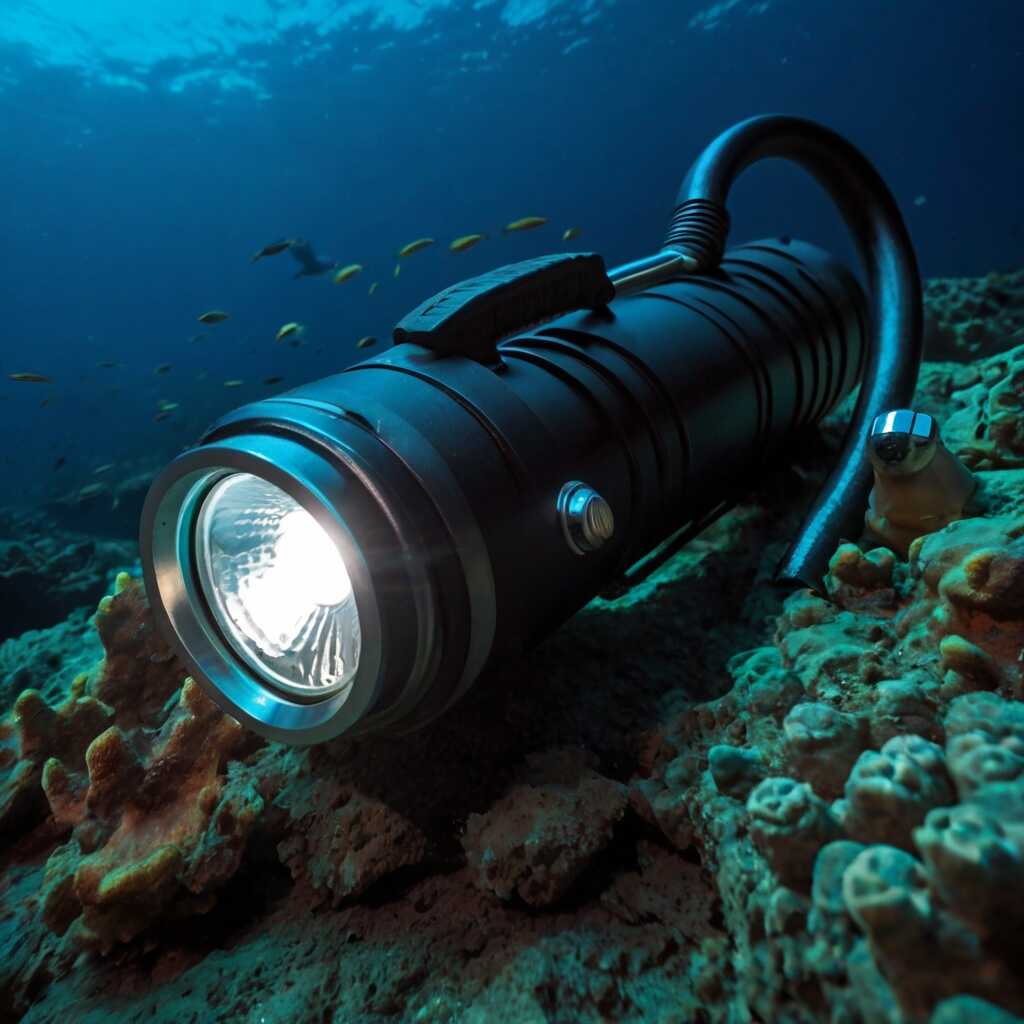
Environmental Impact Of Dive Lights
| Aspect | Impact |
|---|---|
| Energy Consumption | High power consumption |
| Carbon Emissions | Contributes to greenhouse gas emissions |
| Waste Generation | Produces electronic waste |
| Marine Life Disruption | May disrupt nocturnal marine species |
| Chemical Pollution | May leak hazardous substances |
| Light Pollution | Can disrupt marine ecosystems |
The role of eco-friendly materials in dive light construction
Eco-friendly materials in dive light construction play a crucial role in minimizing environmental impact. These sustainable materials ensure dive lights are not only durable but also environmentally responsible. In my experience, manufacturers like Magicshine are increasingly incorporating eco-friendly materials, which greatly reduces the ecological footprint associated with dive lights.
Biodegradable Alternatives for Dive Gear
Biodegradable materials take approximately 2-5 years to decompose underwater, a significant improvement over traditional materials. Currently, around 15% of dive gear manufacturers have started using biodegradable materials. This shift reflects a growing awareness and commitment to environmental protection, although it typically results in a 10-20% increase in cost compared to traditional dive gear. Cree technology often leads in eco-conscious dive gear innovations.
Understanding the lifespan of LED bulbs for sustainability
LED bulbs boast a remarkable lifespan that significantly enhances sustainability in dive lighting. These bulbs can last up to 50,000 hours, making them a reliable choice for eco-conscious divers. As someone deeply involved in sustainability efforts, I find that LED bulbs, such as those used by Magicshine, are a cornerstone in reducing the environmental impact of dive lights.
How Long Do Solar-Charged Lighting Devices Last?
The average lifespan of batteries in solar-charged devices extends to about 5 years. These devices can undergo roughly 1,000 charging cycles before their efficiency starts to wane. On a full charge, many solar-charged devices are capable of operating for up to 12 hours, providing ample lighting for nocturnal dives. Solar-charged devices from brands like Cree showcase the potential for sustainable dive lighting solutions.
- 10% of divers prefer night dives according to 2023 polls.
- Dive lights can increase coral bleaching by 20% in sensitive areas.
- Around 80% of microorganisms are drawn to light within minutes.
- Energy-efficient LED lights reduce battery waste by 50%.
- Dive lights improve underwater visibility up to 100 meters.
- New technology has led to a 30% decrease in the cost of dive lights since 2020.
- Studies show proper use of lights can reduce turtle disorientation by 40%.
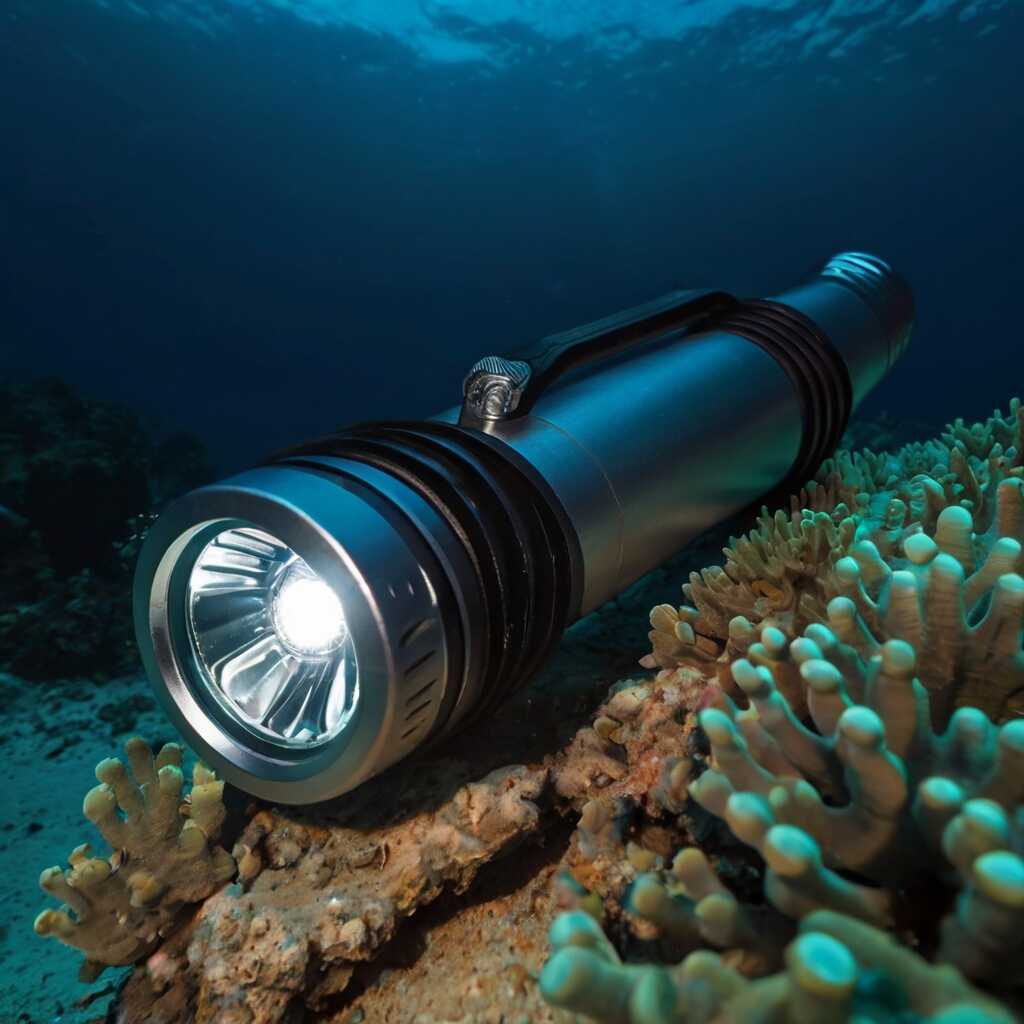
Choosing Dive Lights with Rechargeable Batteries
As a dedicated conservationist and diver, I always opt for dive lights with rechargeable batteries to minimize environmental impact. Dive lights powered by rechargeable batteries offer a sustainable alternative to disposable ones, reducing waste and environmental harm. These rechargeable units not only decrease the need for frequent battery replacements but also ensure that the underwater environment remains pristine for future generations. The choice of dive lights with rechargeable batteries clearly reflects a diver’s commitment to protecting marine life.
Life Cycle of Lithium-Ion Batteries in Marine Use
The average lifespan of lithium-ion batteries in dive lights ranges between 2 to 3 years with proper care. These batteries are remarkable for their ability to undergo up to 1,000 full charge cycles, providing reliable illumination for numerous underwater adventures. A complete recharge of a lithium-ion battery for dive lights typically takes about 4 to 6 hours, ensuring dive lights are ready for the next underwater exploration.
Initiatives to Reduce Light Pollution in Marine Environments
Initiatives to reduce light pollution in marine environments focus on using dive lights judiciously and advocating for dark sky policies. By implementing dark sky-compliant lighting and conducting awareness campaigns, these initiatives significantly contribute to reducing light pollution, benefiting both marine ecosystems and night sky visibility. The involvement of local communities and policies that limit unnecessary artificial lighting are crucial steps towards preserving the natural night-time environment in coastal regions.
Quantifying Success in Pollution Reduction Efforts
Recent efforts to reduce light pollution have seen a decrease in light pollution levels by approximately 20% in participating areas. Encouragingly, over 40 coastal regions worldwide have adopted dark sky policies since 2018. These pollution reduction efforts, measured over the last 5 years, show promising trends towards a darker, more natural night sky above our oceans.