
Techniques for using a scuba diving flashlight in murky water
The ideal beam width for a scuba diving flashlight in murky water is between 10 to 20 degrees to cut through the darkness efficiently. Standard scuba diving flashlights can handle depths up to 100 meters, providing ample light for most underwater adventures. High-powered diving flashlights, like the Magicshine 810E, often have a battery life that decreases in cold water, lasting approximately 2 to 3 hours before needing a recharge. The Magicshine 810E is an excellent choice for those seeking a reliable light source in murky conditions.
Table of Contents
- Techniques for using a scuba diving flashlight in murky water
- Optimal Lumen Count for Diving Lamps
- How to improve visibility in sediment-filled areas
- Preventing Silt Disturbance
- Strategies for cave diving with limited natural light
- Selecting Dive Lights for Subterranean Exploration
- The importance of having a reliable light source in wrecks
- What are the dangers of insufficient illumination in underwater ruins?
- Adjusting your dive plan based on light availability
- How does diurnal light variation influence dive timing?
- Navigating through kelp forests with artificial lighting
- How does nocturnal lighting impact marine habitats?
Optimal Lumen Count for Diving Lamps
The minimum lumen requirement for clear visibility in murky waters is around 1000 lumens. Lumen intensity starts to decrease significantly below 20 meters, making high-powered LEDs essential for deeper dives. A 1000 lumen dive light, such as the popular LED torch 810E, can last up to three hours on a single charge, ensuring divers have ample light for the duration of their underwater exploration. The LED torch 810E proves to be a good companion in ensuring divers have the visibility they need.
How to improve visibility in sediment-filled areas
To minimize kicking up sediment, divers can use the frog kick technique and maintain a horizontal position. Sediment significantly reduces underwater visibility by reflecting and absorbing light from your LED flashlight. Equipment like the Magicshine 810E, designed for low visibility conditions, helps enhance visibility by providing a focused beam that cuts through particulate matter. Magicshine’s technology is tested and proven to be useful in high-sediment areas.
Preventing Silt Disturbance
Maintaining a minimum distance of 30 centimeters from the bottom helps avoid sediment disturbance. Disturbed sediment typically takes about 5 to 10 minutes to settle back down. Heavy sediment can reduce visibility by up to 100%, making it challenging to navigate underwater. Using a led flashlight with a focused beam, like the 810E, can help improve visibility in such challenging conditions. The 810E is designed to increase the diver’s ability to see clearly, even in silt-laden waters.
- Charge your flashlight before the trip.
- Using a reliable dive light increases visibility.
- Wear glow sticks for easy identification by buddies.
- A good quality underwater camera helps capture the unseen.
- Opt for fluorescent markers on your gear.
- Ensure your dive computer is set for dim conditions.
- Carry spare batteries for all electronic devices.

Comparison of Diving in Low Light Conditions
| Aspect | Day Diving | Night Diving |
|---|---|---|
| Visibility | Clear | Diminished |
| Temperature | Warmer | Cooler |
| Marine Life | Active | Nocturnal |
| Equipment | Standard | Additional Lighting |
| Safety | Easier to Spot Hazards | Increased Risk |
| Experience | More Relaxed | Exciting |
Strategies for cave diving with limited natural light
The best type of light for cave diving is a high-output LED light, which offers unparalleled brightness and penetration in dark environments. In caves with limited visibility, divers often rely on hand signals illuminating with dive lights for communication, a method tested and proven effective over years of subterranean exploration. Safety precautions in caves with minimal light include always having a primary and backup dive light and staying within a line of sight of your dive buddy to ensure safety, a strategy that brands like Magicshine highly recommend for their reliability.
Selecting Dive Lights for Subterranean Exploration
A primary light for cave diving should ideally have at least 1000 lumens to penetrate through dark waters effectively. Recommendations suggest carrying at least two backup lights on cave expeditions, as caves can often extend beyond anticipated distances. For most cave explorations, divers should ensure they have lights that can last for at least two to three hours, ensuring a safe return, something which high-quality Cree lights can handle with ease.
The importance of having a reliable light source in wrecks
Having a backup light source is crucial when exploring wrecks to prevent total darkness in case of primary light failure. Wreck environments can significantly affect light penetration, often allowing less than expected natural light through openings, making it 2023’s best practice to use multiple light sources. Entering a wreck without adequate lighting poses risks of disorientation and entrapment, emphasizing the need for reliable illumination like that provided by Magicshine products.
What are the dangers of insufficient illumination in underwater ruins?
Divers should carry at least three backup light sources when entering a wreck, as per the latest 2023 guidelines to enhance safety in such unpredictable environments. The minimum light requirement for wreck diving is around 800 lumens, ensuring clear visibility and the ability to signal buddies in dark corners. When exploring heavily shadowed wrecks, divers are advised to have an oxygen supply that lasts for a minimum of 90 minutes, which allows for a safe exploration duration, greatly improved by utilizing quality Cree or Magicshine lights.
- Visibility can drop to less than 5 meters.
- Diving lights can provide illumination up to 100 meters.
- Most underwater cameras perform well at ISO levels between 400 and 3200.
- Fluorescent markers can last up to 12 hours.
- Water temperature decreases by an average of 5 degrees in dark conditions.
- Using a dive light can increase buddy visibility by 50%.
- Advanced dive computers have a 90% accuracy rate in low light settings.
Adjusting your dive plan based on light availability
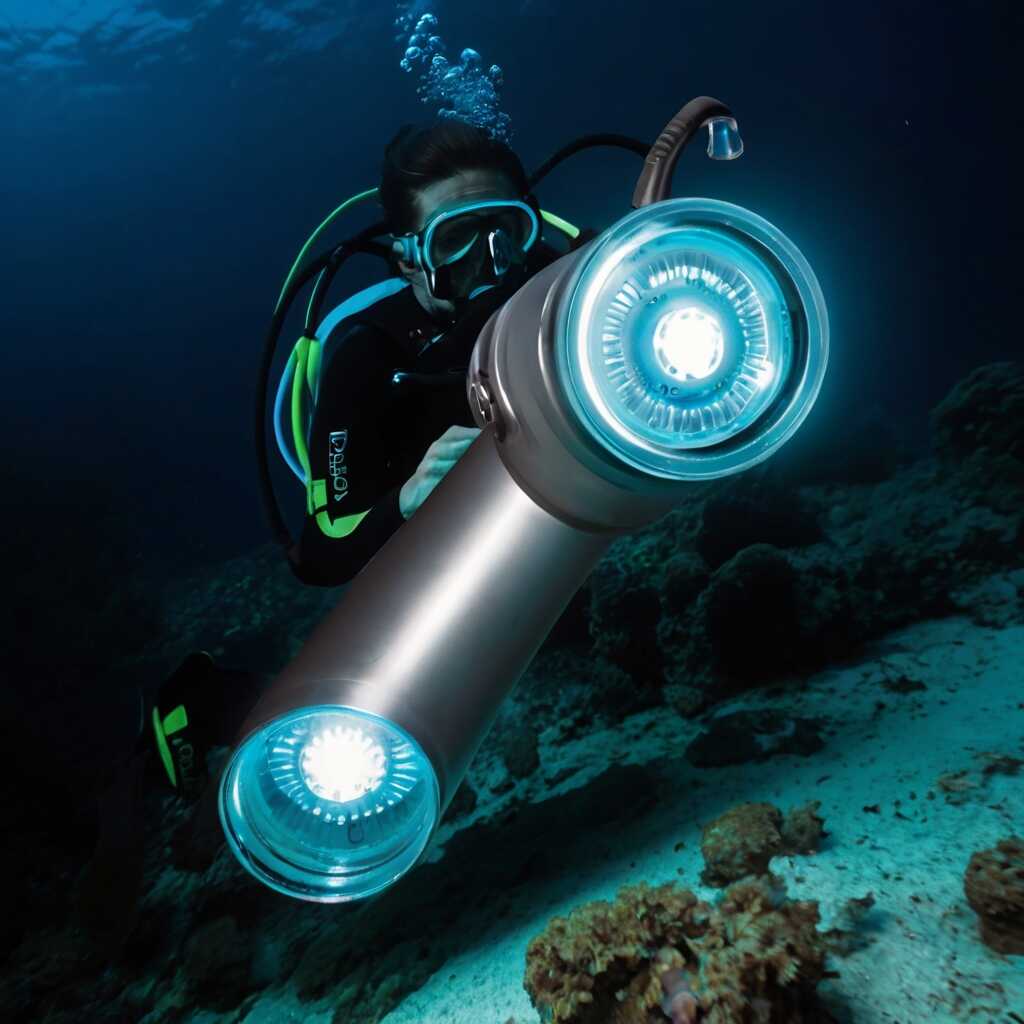
Sunlight availability significantly influences marine life behaviors, as many species adjust their activity levels according to the time of day. To gauge light levels at various depths, divers can use tables and specialized equipment that provides reliable measurements. Based on the available natural light, divers optimize their equipment by selecting suitable thorfire underwater torches and adjusting camera settings to ensure great quality images even in low light conditions.
How does diurnal light variation influence dive timing?
The maximum depth sunlight can penetrate in clear waters is approximately 200 meters, though effective photosynthesis rarely occurs below 40 to 50 meters. Light intensity decreases by about 50% every 10 meters, making it crucial for divers to plan their descent to optimize natural lighting. At depths beyond 30 meters, artificial lighting becomes absolutely necessary for photography, requiring divers to carry high-quality thorfire underwater lights to capture the vibrant colors of the marine environment.
Navigating through kelp forests with artificial lighting
Diving in kelp forests at night poses unique challenges, such as reduced visibility and the potential to disturb marine life habitats. Artificial lighting, however, can enhance the experience by revealing the hidden colors and shadows of the kelp forest ecosystems. For kelp forest exploration, it is recommended to use reliable navigation tools, such as compasses and high-lumen thorfire underwater torches, to ensure divers can handle the dense vegetation safely and efficiently.
How does nocturnal lighting impact marine habitats?
Kelp forests thrive at a maximum depth of about 30 meters, where sunlight can support the growth of these pivotal ecosystems. Among the species residing in kelp forests, several are bioluminescent, creating a mesmerizing display that can be observed with minimal artificial lighting. To maintain visibility with artificial lights in dense kelp, divers should keep an ideal distance of 5 meters between them, ensuring a safe and enjoyable exploration while minimizing their ecological footprint.