

Scuba Forge is reader-supported: some links on this page are affiliate links, and as an Amazon Associate Scuba Forge earns from qualifying purchases at no extra cost to you. Learn more.
A second stage regulator is a breathing apparatus that delivers air from a cylinder to a diver’s mouth on demand. You need a unit that provides a consistent flow rate without excessive breathing resistance when you are underwater for more than 15 minutes. You should measure your required gas consumption and compare it against the flow characteristics of the regulator’s internal components.
Core Components of a Second Stage Regulator
The internal mechanics of the second stage regulator determine how easily you can inhale and exhale while submerged. Understanding these parts helps you identify which models prioritize smooth air delivery over compact size.
Understanding the basics is essential, so take a moment to learn about the different types of second stage regulators.
- Demand Valve – This component controls the flow of air based on the diver’s inhalation by opening only when negative pressure is detected. A high-quality demand valve ensures you do not waste air when you are not actively inhaling.
- Exhaust Port – This is the opening where exhaled air is released from the mouthpiece. A well-positioned exhaust port prevents water from entering the regulator and ensures a clear path for spent air.
- Low Pressure Hose – This tube connects the first stage to the second stage and carries the air supply. You should look for a hose diameter that matches your existing first stage to ensure a secure fit.
- Pressure Gauge – This provides a visual readout of remaining air supply, usually integrated into the first stage or a separate unit. While it does not affect the second stage‘s breathing feel, it is essential for monitoring your remaining gas.
Where these choices show up in our reviews
Each of the 3 shown here has its own full review on this site; they run from $154.95 to $688.
Protect your investment by reviewing the second stage regulator warranty terms before making a final purchase.


Physical Specifications for Second Stage Regulators
Physical specifications for a second stage regulator dictate how the device sits in your hands and how it interacts with your gear. These measurements are often the deciding factors for comfort during long dives.
If standard options don’t fit your needs, explore alternative ways to achieve the same results as a standard regulator.
- Weight – This measures the heaviness of the unit in ounces or grams.
- Hose Diameter – This measures the thickness of the tubing, such as 1/2″ x 3/4″ or 3/4″ x 3/4″. Only 1 listing specifies a 1/2″ x 1/2″ diameter, while others vary to accommodate different first stage connections.
- Hand Orientation – This describes the orientation of the exhaust port and hose routing, typically categorized as right-hand or left-hand. Only 2 of the 16 listings specify a right-hand orientation; for most others, this is not stated.
- Connection Type – This defines how the regulator attaches to the cylinder, such as Yoke or DIN. Only 3 of the 16 listings specify a connection type, including 2 Yoke and 1 P-Con options.
Technical Standards Ensuring Second Stage Regulator Safety and Compatibility
Technical standards for a second stage regulator ensure that the device can handle the pressures of a standard scuba cylinder and fit your specific equipment. These standards are non-negotiable for safety and functionality.
To help manage your budget, see what each price level of second stage regulator provides in our cost breakdown.
- 350 bar / 5000 psi – This is the standard pressure rating for the cylinder supply that the regulator must deliver. Most modern regulators are designed to handle this standard pressure without failure.
- Yoke vs DIN – This is the physical connection interface between the regulator and the cylinder valve. Yoke systems use a clamp and pin, while DIN systems screw directly into the valve, offering a more secure connection.
- Right-hand vs Left-hand – This refers to the orientation of the exhaust port and hose routing. Choosing the correct orientation prevents your hoses from tangling with your other gear or obstructing your vision.
- Submersible Pressure Gauge – This accessory monitors cylinder pressure during the dive. You must ensure the gauge’s mounting point is compatible with your specific first stage.
- Regulator Hose – This extends the reach of the breathing apparatus from the first stage to the second stage. You must match the hose diameter to your first stage’s outlet to prevent leaks.
- Replacement O-rings – These ensure airtight seals and prevent leaks at connection points. You must choose O-rings that match the specific diameter and material of your regulator’s fittings.
Common Regulator Terms That Buyers Often Confuse
Buyers often confuse different pressure and connection terms when selecting a second stage regulator. Understanding these distinctions prevents ordering incompatible parts.
For a niche high-performance option, see our full Third Lung Regulator spec breakdown.
How second stage regulator pressure ratings differ from flow rates
Many people confuse Pressure Rating with Flow Rate. Pressure rating, such as 350 bar or 5000 psi, measures the maximum force the device can withstand. It does not determine how much air you can breathe per minute. If you need a high flow rate for heavy breathing, you must look at the internal demand valve design rather than the pressure rating.
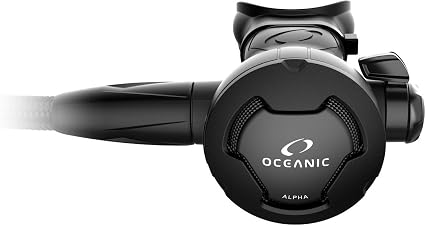
You can view the technical details in our full Oceanic Alpha 10 review.
Why Yoke and DIN connections are physically incompatible for regulators
Another common point of confusion is Yoke vs DIN. While both deliver air, they are physically incompatible. A Yoke regulator will not fit a DIN valve and vice versa. You must check your cylinder valve type before selecting a regulator to ensure it can actually be mounted.
Detailed performance data is available in our full S620 Ti review.
Verifying second stage regulator hose diameters for a secure fit
Finally, Hose Diameter is often mistaken as a universal fit. A 3/4″ hose will not fit a 1/2″ port. You must verify the specific dimensions of your first stage’s output to ensure the second stage hose can be securely attached without leaking.
For specific low-pressure requirements, see our full Rego LV4403B46R Regulator review.
Browse our other second stage regulator pages
- The Second Stage Regulators That Work Best for Left Handed Divers
- Which Second Stage Regulator Is Best for a Full Face Diving Mask?
- Best Second Stage Regulators for Hookah Diving
- Backmount Second Stage Regulators Under $150 Compared
- Choosing the Best Second Stage Regulator for Right Handed Configuration
- The Second Stage Regulators That Work Best for Underwater Breathing