

Scuba Forge is reader-supported: some links on this page are affiliate links, and as an Amazon Associate Scuba Forge earns from qualifying purchases at no extra cost to you. Learn more.
A second stage regulator is a breathing apparatus that delivers air from a high-pressure source to a diver’s mouth at a usable, low pressure. You need a second stage regulator when you require a way to inhale air underwater without the high pressure of the cylinder forcing gas into your lungs. To determine if you need a specific model, you must first measure your average depth and the duration of your dives to ensure the breathing resistance remains constant under those conditions.
Second stage regulators reduce cylinder pressure for manageable breathing
The primary problem this device solves is pressure reduction and flow control. Scuba cylinders hold air at extreme pressures, typically around 350 bar or 5000 psi. If a diver attempted to breathe directly from this source, the force would be impossible to manage. The second stage regulator acts as a gateway, ensuring that the air only moves when you inhale and that the pressure remains steady regardless of how hard or fast you breathe.
How a Second Stage Regulator Works
The mechanism of a second stage regulator follows a specific sequence of events triggered by the movement of the user’s lungs.
- The process begins with a demand signal. When you inhale, the diaphragm or piston inside the regulator moves inward.
- This movement opens an internal valve. This valve allows air to enter the housing from the low pressure hose.
- The air flows into a chamber where it is distributed. The internal geometry of the housing ensures the air reaches the mouthpiece evenly.
- As you stop inhaling, the internal components move back into position. This closes the valve to prevent air from escaping into the water.
- When you exhale, the air is pushed out through a dedicated exit path. This prevents the exhaled air from pushing against the intake mechanism.
Second Stage Regulators we have reviewed in detail
Prices across these 3 run from $154.95 to $1249; each one has a full review here.


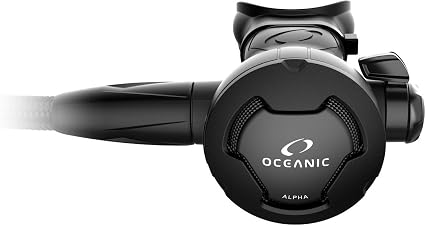
Parts of a Second Stage Regulator That Matter
Several internal and external components determine how a second stage regulator performs during a dive.
Demand valves control air flow based on diver inhalation
The Demand Valve is the core component that controls the flow of air based on the diver’s inhalation. It reacts to the physical movement of the mouthpiece, ensuring that air is only delivered when the user actively pulls it in. A high-quality demand valve provides a consistent feel, meaning the effort required to inhale remains the same whether you are breathing slowly or rapidly.
We provide a comprehensive breakdown in our full Third Lung Regulator review for those interested in that specific model.
Low pressure hoses connect the first and second stages
The Low Pressure Hose connects the first stage to the second stage. This hose carries the air that has already been reduced from the cylinder’s high pressure. The length and diameter of this hose are standard across most systems, but the connection points must match your specific equipment.
Exhaust ports prevent carbon dioxide re-breathing during exhalation
The Exhaust Port is the opening where exhaled air is released. By directing the exhaled gas away from the intake, the exhaust port prevents the “re-breathing” of carbon dioxide and ensures the regulator doesn’t become clogged with bubbles. The placement of this port is a matter of ergonomics, often determined by whether the unit is right-hand or left-hand oriented.
Pressure gauges provide visual readouts of remaining air supply
The Pressure Gauge provides a visual readout of remaining air supply. While not part of the breathing mechanism itself, the gauge tells you how much gas is left in the cylinder. It is often integrated into the hose system or the first stage, but it is the primary way you monitor your remaining time underwater.
Yoke and DIN connections determine cylinder attachment methods
Standard connections like Yoke vs DIN determine how your entire system attaches to the cylinder. A Yoke is a clamp-style interface that wraps around the valve, while DIN is a threaded connection that screws directly into the valve. Choosing between these depends entirely on the type of cylinder you own.
Second stage regulators must handle 350 bar or 5000 psi
The 350 bar or 5000 psi standard pressure rating for the cylinder supply is the benchmark the regulator must deliver. This is the pressure at which the air enters the first stage. The second stage must be able to handle this input consistently to ensure the air delivered to your mouth is stable.
You can view our technical analysis in our full Oceanic Alpha 10 review to see how it performs.
What a Second Stage Regulator Changes in Practice
Having a reliable second stage regulator changes the experience of diving by providing predictable breathing. In a situation where you are at depth, the regulator ensures that the pressure of the water does not make it harder to draw air into your lungs. If the regulator is poorly designed, you might experience breathing resistance, which is the increased effort required to inhale. This can lead to CO2 buildup and exhaustion if the gas does not flow freely enough.
High performance regulators maintain steady flow during high exertion
The difference in regulator quality often shows up during high-exertion activities, such as swimming against a current. A high-performing regulator maintains a steady flow even when your inhalation rate increases. In contrast, a lower-performing unit might feel like it is “choking” or providing less air than needed. Conversely, in a stationary environment like a wreck exploration, the difference between a budget and a high-end regulator is much less noticeable, as the demand for air is steady and low.
Internal geometries prevent moisture from seizing cold water regulators
Environmental factors also change how the regulator performs. In cold water, moisture accumulation can occur inside the mechanism. If moisture builds up, it can cause the internal parts to seize or become difficult to operate. A regulator designed for these conditions will have internal geometries that allow water to drain away from the moving parts.
How Do Second Stage Regulators Handle Specific Conditions?
Will this fit my current primary setup without needing extra adapters?
Whether a second stage regulator fits your setup depends on the connection type of your first stage. If your first stage uses a Yoke connection and your new regulator uses a DIN fitting, you will need a specific adapter. You should check the thread type and connection style of your current first stage before selecting a replacement.
How does it handle freezing water or high-pressure depths?
Second stage regulators handle high pressure by reducing the cylinder’s 350 bar or 5000 psi supply to a breathable level. In freezing water, the regulator must be designed to prevent internal moisture from freezing into ice. Many designs include “drain” features that allow water to exit the housing so it cannot accumulate and block the flow of air.
For a deeper look at the Scubapro line, see our full S620 Ti review for a detailed spec breakdown.
Is this a reliable replacement for my old unit?
A second stage regulator is a reliable replacement if it matches the flow requirements of your current diving profile. You should ensure the new unit has a similar breathing resistance to what you are used to. Replacing an old unit is a standard way to ensure the safety of your breathing apparatus as components age and wear down.
How does the pressure stability compare to standard regulators?
Pressure stability refers to how consistent the air flow is during different breathing rates. A stable regulator provides a constant volume of air regardless of how fast you inhale. This is achieved through the precision of the demand valve and the internal flow paths of the regulator housing.
Who Needs a Second Stage Regulator and Who Does Not
You need a second stage regulator if you intend to perform any form of SCUBA diving or underwater breathing from a compressed gas cylinder. It is the primary tool that allows you to breathe while submerged. If you are a surface-supplied diver, you might use a different type of breathing apparatus that does not rely on a portable cylinder, and therefore, you would not need a standard second stage regulator.
Diver experience levels determine specific regulator requirements
If you are a recreational diver, you need a regulator that prioritizes ease of use and consistent flow. If you are a technical diver exploring extreme depths, you may need a regulator specifically designed to handle higher pressures and different gas mixes. If you do not plan on breathing underwater from a tank, you do not need this equipment at all.
The other second stage regulator guides we have published
- The Second Stage Regulators That Work Best for Left Handed Divers
- Which Second Stage Regulator Is Best for a Full Face Diving Mask?
- Best Second Stage Regulators for Hookah Diving
- Backmount Second Stage Regulators Under $150 Compared
- Choosing the Best Second Stage Regulator for Right Handed Configuration
- The Second Stage Regulators That Work Best for Underwater Breathing