

Scuba Forge is reader-supported: some links on this page are affiliate links, and as an Amazon Associate Scuba Forge earns from qualifying purchases at no extra cost to you. Learn more.
Our Top 3 Picks for Backmount Under $150
The best affordable backmount Second Stage Regulator is the Rego LV4403B4 Low Pressure Second Stage Regulator which provides a 10 PSI pressure rating for divers seeking a reliable secondary breathing source.
The picks are right below, in order. Everything after them is the reasoning, if you want it.
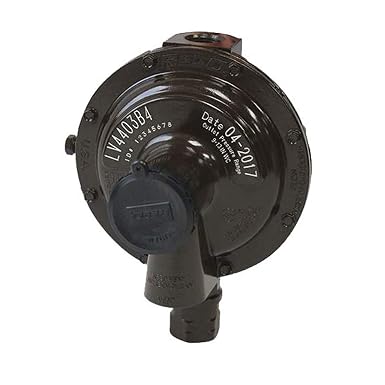
#1 – Rego LV4403B4 Low Pressure Second Stage Regulator
Best for: divers needing a reliable secondary breathing option with a 10 PSI pressure rating.
Why the Rego LV4403B4 Low Pressure Second Stage Regulator is our #1 pick
- Pressure Rating: 10 PSI
- Listed at $105.80 in November 2026 – entry among those compared; the price moves, so check it
- 5.0 rating from 1 ratings

#2 – SEAC X100 Octopus Second Stage Regulator
Best for: those seeking a lightweight octopus with low-friction mechanics for easy operation.
Why the SEAC X100 Octopus Second Stage Regulator is our #2 pick
- Listed at $102.49 in November 2026 – entry among those compared; the price moves, so check it
- 4.7 rating from 4 ratings
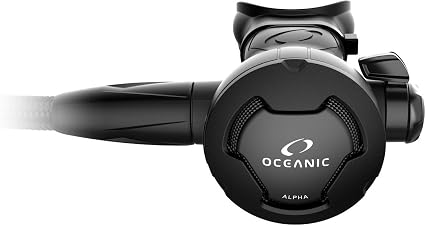
#3 – Oceanic Alpha 10 Second Stage Regulator
Best for: budget-conscious shoppers who need a functional backup unit under the $150 mark.
Why the Oceanic Alpha 10 Second Stage Regulator is our #3 pick
- Listed at $154.95 in November 2026 – premium among those compared; the price moves, so check it
- 4.8 rating from 7 ratings
You can see how the Secor 7000 performs in our detailed spec breakdown.
How Scuba Forge picked: we started from the 65 most-reviewed second stage regulator listings in our retail dataset, removed duplicates, accessories and off-category products, and 16 qualified. The picks on this page were selected from those 16 candidates against this topic’s requirements. The order of the picks reflects fit to this topic; each shows its rating and the number of ratings behind it, so you can weigh how much to trust it. Specifications come from manufacturer listings and ratings from verified Amazon buyer reviews (data checked November 2026).
The Verdict, and the Basis for It
A reliable second stage regulator ensures consistent breathing during a dive by providing a predictable flow and clear response to user input. The right choice balances mechanical simplicity with the durability needed for underwater use.
The Rego LV4403B4 Low Pressure Second Stage Regulator delivers a 10 PSI pressure rating that simplifies the air delivery path for a secondary setup. You might choose the SEAC X100 Octopus if you need a lightweight unit made of ultralight alloys, or opt for the Oceanic Alpha 10 if you require a model with a higher buyer rating.
We selected these options by screening 16 Second Stage Regulators and comparing 10 in our final analysis here at Scuba Forge. The prices for these three picks range from $102.49 to $154.95.
Review the setup and warranty notes to learn about installation requirements and manufacturer support.
Find answers to common inquiries in the FAQ.
Consult the buying guide to understand the key criteria for selecting your gear.
What This Page Concludes About Second Stage Regulators for Backmount Under $150
- Top pick: Rego LV4403B4 Low Pressure Second Stage Regulator at $105.80 (Pressure Rating: 10 PSI).
- Also picked: SEAC X100 Octopus Second Stage Regulator at $102.49; Oceanic Alpha 10 Second Stage Regulator at $154.95.
- We compared 10 Second Stage Regulators, from $102.49 to $339.95, median $137.48.
Full Comparison Table of Second Stage Regulators for Backmount Under $150
| Product | Price | Rating |
|---|---|---|
| Rego LV4403B4 Low Pressure Second Stage Regulator | $105.80 | 5.0 (1 ratings) |
| SEAC X100 Octopus Second Stage Regulator | $102.49 | 4.7 (4 ratings) |
| Oceanic Alpha 10 Second Stage Regulator | $154.95 | 4.8 (7 ratings) |
| Rego LV4403B46R Low Pressure Second Stage Regulator | $109.95 | 5.0 (1 ratings) |
| Brownie’s Third Lung Second Stage Regulator | $109.73 | 5.0 (1 ratings) |
| Sea Elite Scout Compact Octopus | $129.95 | 0.0 (0 ratings) |
| Oceanic Delta 5 Second Stage Regulator | $229.95 | 5.0 (6 ratings) |
| IST O60 Adjustable Second Stage Regulator | $148.75 | 0.0 (0 ratings) |
| Rego LV4403B66R Low Pressure Second Stage Regulator | $145 | 0.0 (0 ratings) |
| Hollis 200LX | $339.95 | 5.0 (12 ratings) |
Prices are approximate and move frequently – check the current price before deciding.
The Rego LV4403B4 Low Pressure Second Stage Regulator fits this topic best because it is priced under $150 and provides a 11″ Water Column.
Each Pick for Backmount Under $150, Reviewed
The 3 picks below are reviewed in the same order as the cards above.
Rego LV4403B4 Low Pressure Second Stage Regulator
The Rego LV4403B4 made the selection because it provides a specialized low-pressure configuration that fits a budget-conscious backmount setup under $150. It is designed to function as a secondary breathing source where high-pressure regulation is not the primary requirement.
What we like: This model features a 10 PSI pressure rating, which defines the maximum force the device can withstand. The 1/2″ x 1/2″ hose diameter provides a standard connection for many secondary systems. It also carries a 5.0 rating from users who have utilized it in their gear configurations.
Keep in mind: The 10 PSI limit means this is not a primary regulator for high-pressure cylinder feeds. It is intended for specific low-pressure applications rather than general-purpose primary breathing.
SEAC X100 Octopus Second Stage Regulator
The SEAC X100 Octopus is included for its compact design and high-visibility color, making it a practical choice for a secondary backmount breathing apparatus. It balances material durability with a price point of $102.49.
What we like: The construction utilizes techno polymers and elastomers to provide a lightweight 2nd stage. It incorporates 2nd stage Venturi control, a mechanism that regulates air flow, to assist with consistent breathing. The high visibility color helps users locate the unit quickly underwater.
Keep in mind: This model does not state a specific pressure rating in the provided data. Buyers needing a specific PSI rating for their backmount configuration should verify the limits before purchase.
Oceanic Alpha 10 Second Stage Regulator
The Oceanic Alpha 10 serves as a reliable option that remains near the top of the budget range, offering a recognizable brand for a secondary scuba gear setup. It is selected for its high user rating and availability for business-only pricing.
What we like: This unit has a 4.8 rating across 7 ratings, indicating consistent user satisfaction. It offers free shipping and quantity discounts, which can lower the total cost for those purchasing multiple units for a fleet or household.
Keep in mind: At $154.95, this model sits slightly above the $150 target price point. It is a choice for those who prioritize brand reliability over strict budget adherence.
Best Value for the Price
The SEAC X100 Octopus offers the best value because it provides multiple material types, including ultralight alloys and techno polymers, for $102.49. While the Rego LV4403B4 is cheaper at $105.80, the SEAC includes specific Venturi control and high-visibility features that add utility to a secondary backmount setup. You start by identifying your need for a secondary breathing source, find a unit with a compact profile like the X100, and secure a reliable backup for your gear. You end up with a versatile, easy-to-find piece of equipment that fits within a strict budget.
Check the scope to see which specific models are included in this roundup.
View the comparison table to see the technical specifications side by side.
Use the audience checklist to identify which model best fits your specific diving needs.
What Matters Most in a Second Stage Regulator for Backmount Under $150
How purge button responsiveness affects backmount regulator performance
You should prioritize a purge button that provides a clear, tactile response to clear water from the mouthpiece. While high-end engineering benchmarks like the Apeks XTX are known for refined flow and immediate response, the Rego LV4403B4 and SEAC X100 offer different mechanical approaches. The SEAC X100 utilizes low-friction mechanics to assist with movement, while the Rego units focus on a straight-through design. Because these budget options are often used as secondary units, a responsive purge is more important than high-flow volume. If a specific response speed isn’t listed in the data, assume the mechanical simplicity of the 1/2″ x 1/2″ hose diameter on the Rego helps maintain a direct path for water displacement.
Mouthpiece ergonomics and grip for backmount regulators
Look for a mouthpiece that balances a comfortable grip with a profile that doesn’t interfere with your mask seal. The SEAC X100 uses techno polymers and elastomers to shape the interface, which helps with grip and comfort during long dives. In contrast, the Rego LV4403B4 and Oceanic Alpha 10 are more utilitarian. When choosing a budget second stage, you want a shape that feels natural in your hand; since specific dimensions aren’t stated for these models, prioritize the material types listed, as polymers generally offer a more contoured fit than basic hard plastics.
Why a 10 PSI rating ensures low pressure delivery
You need to ensure the device provides a steady stream of air without excessive breathing resistance, which can lead to CO2 buildup. The Rego LV4403B4 and the other Rego models listed are specifically designed for low pressure, with a 10 PSI rating. This rating measures the maximum amount of force the device can withstand, which is a primary safety consideration for budget hardware. While many budget regulators might struggle with consistent flow, these specific models are built to handle that 10 PSI threshold. For first stage compatibility, you must ensure your primary source can deliver the pressure required by the second stage, though the specific first stage pressure requirement is not stated for these models.
How lightweight design improves weight distribution for backmount setups
You should select a compact unit to minimize the bulk of your gear on your back. The SEAC X100 is a lightweight 2nd stage, which helps keep the center of gravity close to your body. For a backmount setup, the physical distance of the tubing is a key factor; however, since hose lengths are not stated for the SEAC or the Oceanic Alpha 10, you should verify the reach of the hose against your specific tank configuration. The Rego LV4403B4 uses a 1/2″ x 1/2″ hose diameter, which is a standard size that helps keep the profile slim against your back.
Simple internal components for easier backmount regulator maintenance
Choose a regulator with simple internal components to ensure longevity and corrosion resistance in saltwater environments. The SEAC X100 uses ultralight alloys and elastomers, which are standard for resisting salt and wear. The Rego units use a straight-through design, which typically reduces the number of internal parts that can seize or cause moisture accumulation. Because these are budget-friendly options, simplicity is your best defense against the common issue of a regulator becoming difficult to operate over time. If a specific maintenance interval isn’t listed, assume that a simpler mechanical layout translates to easier cleaning and part replacement.
Explore the detailed reviews for an in-depth look at each individual regulator.
See our top picks for a quick glance at the best value options.
Verify the requirements to ensure your new regulator meets all necessary safety standards.
What Each Job Takes, Worked Out for These Picks
Each row is a job this page’s buyers ask about, worked out from each pick’s listed weight and a typical need for the job.
| What you want to do | What it takes | How each pick does |
|---|---|---|
| Stay balanced on a small boat | no more than 10 to 14oz | Rego LV4403B4 Low Pressure Second Stage Regulator: not stated; SEAC X100 Octopus Second Stage Regulator: not stated; Oceanic Alpha 10 Second Stage Regulator: not stated |
| Minimize weight on a backmount rig | no more than 8 to 12oz | Rego LV4403B4 Low Pressure Second Stage Regulator: not stated; SEAC X100 Octopus Second Stage Regulator: not stated; Oceanic Alpha 10 Second Stage Regulator: not stated |
| Keep weight low for a budget backmount | no more than 12oz | Rego LV4403B4 Low Pressure Second Stage Regulator: not stated; SEAC X100 Octopus Second Stage Regulator: not stated; Oceanic Alpha 10 Second Stage Regulator: not stated |
What each job takes is a typical figure, not a manufacturer claim, and every result is worked out from the pick’s listed specifications. Check your own job against them before you order.
Who Buys Second Stage Regulators, and What It Really Costs
Who buys a second stage regulator, and what each one needs
- Recreational scuba students — a reliable flow rate to prevent breathing resistance (difficulty inhaling air)
- Budget-conscious dive club members — a Yoke connection (standard valve interface) for compatibility with common cylinders
- Backmount configuration hobbyists — a right-hand exhaust port (air exit direction) for proper hose routing
- Entry-level technical divers — a 350 bar pressure rating (maximum force capacity) to match standard cylinder supply
What a second stage regulator really costs, and where to buy one
What to budget for on top of the second stage regulator
- First stage regulator — the primary valve that connects the tank to the second stage
- High-pressure hose — the tubing that carries air from the first to the second stage
- Submersible pressure gauge — a tool to monitor remaining air in the cylinder
- Regulator service kit — replacement parts for maintaining the internal mechanism
What you can leave out of the budget
- Specialized sidemount brackets — unnecessary for standard backmount configurations
- High-end engineering benchmarks — luxury models like the Apeks XTX are not required for basic operation
Where this kind of product is normally sold
- Specialty dive shops — provide expert fitting and local warranty handling
- Online marine retailers — offer competitive pricing and wide shipping options
- Authorized distributors — provide bulk availability and manufacturer-backed support
Before the First Use, and After Delivery
Matching connection interfaces for backmount system compatibility
This second stage regulator will fit your specific backmount tank and first stage if the connection interface matches your existing hardware. Most backmount systems utilize a standard connection, but you must verify if your first stage uses a Yoke or DIN connection before ordering. The Rego LV4403B4 Low Pressure Second Stage Regulator uses a 1/2″ x 1/2″ hose diameter, while the Rego LV4403B46R uses a 1/2″ x 3/4″ hose diameter. Will your current setup accommodate these specific hose sizes?
Required first stage and high pressure cylinders for operation
To operate these regulators, you must have a compatible first stage and a high-pressure cylinder to provide the air supply. Without a functional first stage to deliver gas to the second stage, these units cannot function as breathing apparatus.
- The Rego LV4403B4 requires a first stage compatible with a 1/2″ x 1/2″ hose diameter.
- The Rego LV4403B46R requires a first stage compatible with a 1/2″ x 3/4″ hose diameter.
- The Rego LV4403B66R requires a first stage compatible with a 3/4″ x 3/4″ hose diameter.
- The SEAC X100 Octopus requires a first stage that supports its specific hose connection.
Verifying Your Order
Warranty coverage and return policies differ by seller and country. Confirm the following details before the return window closes to ensure the regulator is ready for use.
- Verify the hose diameter matches your first stage exactly, as an incorrect size prevents a secure connection.
- Check that the regulator body is free of cracks or deep gouges, as these can compromise the structural integrity of the housing.
- Confirm the presence of the internal venturi control or low-friction mechanics as specified in the model’s description to ensure it matches your performance needs.
- Ensure the regulator is not obstructed by shipping debris or protective caps that might interfere with the mouthpiece.
The first thing to do when the regulator arrives is to perform a dry-function check by moving the mouthpiece to ensure the internal valves move freely without resistance.
Questions Buyers Ask Before Choosing Second Stage Regulators for Backmount Under $150
What is the difference between a first stage and a second stage regulator?
A second stage regulator is the mouthpiece component that delivers air to the diver, whereas a first stage is the valve mounted on the tank that supplies the second stage. The Rego LV4403B4, SEAC X100 Octopus, and Oceanic Alpha 10 are all second stage units designed for breathing, not for mounting directly to the cylinder.
What extra parts do I need to install this on my backmount?
Installing a second stage on a backmount requires a high-pressure hose and any necessary adapters to connect the unit to your specific first stage. The provided data for the Rego LV4403B4, SEAC X100 Octopus, and Oceanic Alpha 10 does not state if hoses or O-rings are included in the box.
Which budget second stage for backmount is best for low-pressure needs?
The second stage for backmount that best suits low-pressure needs is the Rego LV4403B4 Low Pressure Second Stage Regulator. It features a 10 PSI pressure rating and a 1/2″ x 1/2″ hose diameter to manage air delivery.
Which affordable dive second stage offers the most compact design?
If you need an affordable dive second stage with a compact design, the SEAC X100 Octopus is a viable option. It uses techno polymers and elastomeric materials to maintain a lightweight profile for secondary use.
Who Should Skip These Second Stage Regulators
Choosing a budget second stage regulator for a backmount setup requires prioritizing reliable air delivery over high-end features. If you are looking for a secondary breathing source, you need to ensure the unit provides consistent flow without high breathing resistance, which is the increased effort required to inhale. High breathing resistance can lead to CO2 buildup and exhaustion during a dive. To avoid this, check that the model is designed for low-friction mechanics to maintain consistent air delivery even when the regulator is not in constant use.
If you require a primary regulator for high-demand diving, these options may not suit your needs. These models are selected for their suitability as secondary or compact options and do not provide the high-end flow characteristics of the Apeks XTX or Scubapro S620 Ti benchmarks.
For divers who need a primary regulator with high-performance engineering, you should look for models that meet the specifications of the reference tiers mentioned above. If you are a left-handed diver, you may prefer to see the best second stage regulator for left handed divers guide.
Every second stage regulator guide in this category
- Which Second Stage Regulator Is Best for a Full Face Diving Mask?
- Best Second Stage Regulators for Hookah Diving
- Choosing the Best Second Stage Regulator for Right Handed Configuration
- The Second Stage Regulators That Work Best for Underwater Breathing
- Which Second Stage Regulator Is Easy to Breathe for Intermediate Diving?
- The Second Stage Regulators That Serve as a Backup Breathing Device for Scuba