

Scuba Forge is reader-supported: some links on this page are affiliate links, and as an Amazon Associate Scuba Forge earns from qualifying purchases at no extra cost to you. Learn more.
Our Top 3 Picks for Extreme Environments
The best scuba Regulator for extreme conditions is the Dräger Secor 7000 T54559 which provides a 900mm hose length for divers requiring professional-grade reliability in harsh environments.
Most Second Stage Regulator options look identical on a listing page. These 3 are the ones that differ where it actually matters.
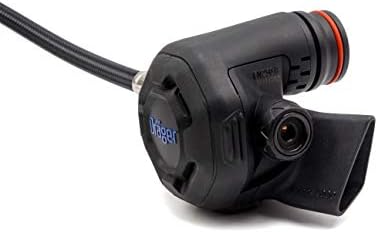
#1 – Dräger Secor 7000 T54559
Best for: extreme environments requiring a P-Con connection
Why the Dräger Secor 7000 T54559 is our #1 pick
- Listed at $1091 in November 2026 – premium among those compared; the price moves, so check it
- 4.7 rating from 4 ratings
Hose Length: 900mm

Best for: minimizing weight on a backmount rig
Why the Scubapro G260 11.263.000 is our #2 pick
- Listed at $1249 in November 2026 – premium among those compared; the price moves, so check it
- 5.0 rating from 7 ratings
Pressure Rating: 2900psi · Weight: 9.5oz/268g (without mouthpiece)

#3 – Scubapro S620 Ti
Best for: high-end recreational reliability in demanding conditions
Why the Scubapro S620 Ti is our #3 pick
- Listed at $688 in November 2026 – premium among those compared; the price moves, so check it
- 5.0 rating from 6 ratings
Weight: 2 Pounds
For a deeper look at the specs, view our full review of the SEAC X100 Octopus.
How Scuba Forge picked: we started from the 65 most-reviewed second stage regulator listings in our retail dataset, removed duplicates, accessories and off-category products, and 16 qualified. The picks on this page were selected from those 16 candidates against this topic’s requirements. The order of the picks reflects fit to this topic; each shows its rating and the number of ratings behind it, so you can weigh how much to trust it. Specifications come from manufacturer listings and ratings from verified Amazon buyer reviews (data checked November 2026).
Our Verdict and How We Chose
Reliable breathing in freezing or deep water depends on a regulator’s ability to maintain consistent flow without moisture accumulation seizing the internal mechanism. A high-flow exhaust valve is a key technical standard that prevents gas buildup during heavy inhalation.
The Scubapro S620 Ti remains a versatile option for high-end recreational reliability.
We selected these 3 models after screening 16 Second Stage Regulators and comparing 10 in this page’s table here at Scuba Forge. The shortlist covers a price range from $688 to $1249, while the median price of the 10 products in our comparison is $192.45.
Check the scope to understand exactly which models are included in this roundup.
Follow the buying guide to learn the essential criteria for selecting a regulator.
Use the audience checklist to see which model best suits your specific profile.
You can find detailed performance data on the Hollis 200LX for further comparison.
What This Page Concludes About Second Stage Regulators for Extreme Environments
- Top pick: Dräger Secor 7000 T54559 at $1091 (Hose Length: 900mm).
- Also picked: Scubapro G260 11.263.000 at $1249; Scubapro S620 Ti at $688.
- We compared 10 Second Stage Regulators, from $102.49 to $1249, median $192.45.
Second Stage Regulators for Extreme Environments Compared Side by Side
| Product | Price | Rating |
|---|---|---|
| Dräger Secor 7000 T54559 | $1091 | 4.7 (4 ratings) |
| Scubapro G260 11.263.000 | $1249 | 5.0 (7 ratings) |
| Scubapro S620 Ti | $688 | 5.0 (6 ratings) |
| SEAC X100 Octopus Second Stage Regulator | $102.49 | 4.7 (4 ratings) |
| Brownie’s Third Lung Second Stage Regulator | $109.73 | 5.0 (1 ratings) |
| Rego LV4403B46R Low Pressure Second Stage Regulator | $109.95 | 5.0 (1 ratings) |
| Hollis 200LX | $339.95 | 5.0 (12 ratings) |
| Oceanic Alpha 10 Second Stage Regulator | $154.95 | 4.8 (7 ratings) |
| Oceanic Delta 5 Second Stage Regulator | $229.95 | 5.0 (6 ratings) |
| Sea Elite Scout Compact Octopus | $129.95 | 0.0 (0 ratings) |
Prices are approximate and move frequently – check the current price before deciding.
Each Pick for Extreme Environments, Reviewed in Detail
The 3 picks below are reviewed in the same order as the cards above.
Dräger Secor 7000 T54559
The Dräger Secor 7000 T54559 is selected for its status as a professional-grade breathing apparatus designed for demanding conditions. It provides a reliable high-end option for those requiring a specialized P-Con connection type.
What we like: This model features a 900mm hose length, providing significant reach for the diver. It is constructed with silicone material and utilizes a P-Con connection, which is a specific interface for the regulator and cylinder valve.
Keep in mind: The P-Con connection is a specific requirement that may not be compatible with standard DIN or Yoke cylinders.
Scubapro G260 11.263.000
The Scubapro G260 11.263.000 is included for its high-flow performance and ability to minimize weight on backmount or sidemount rigs in extreme environments.
What we like: This regulator delivers an airflow of 1800 l/min at 2900psi (200bar), which provides a high gas flow rate—the measurement of how much air moves to provide a safety margin during heavy exertion. It weighs 9.5oz (268g) without the mouthpiece, making it suitable for the lower end of the 8 to 12oz weight range needed for lightweight rigs.
Keep in mind: At 9.5oz, it may sit at the upper limit of your weight requirements for a compact sidemount setup.
Scubapro S620 Ti
The Scubapro S620 Ti is selected for its high-end engineering and durability, offering a robust option for extreme environment dive gear.
What we like: This model provides a 5.0 rating from 6 buyers and features a reinforced technopolymer design. It offers a durable profile for those prioritizing ruggedness over the lowest possible weight.
Keep in mind: The S620 Ti weighs 2 pounds, which is significantly heavier than the other options and may not suit a weight-sensitive configuration.
The Scubapro G260 11.263.000 provides the most consistent delivery during rapid, high-volume breathing due to its 1800 l/min gas flow rate. For a compact profile with high durability, the Scubapro G260 11.263.000 offers a reinforced technopolymer design and a metal air barrel, while the Scubapro S620 Ti offers a heavier, more robust build.
To determine the right fit, identify your maximum allowable weight for a second stage regulator.
If these options aren’t ideal, explore the alternatives to a second stage regulator.
The Specs That Decide a Second Stage Regulator for Extreme Environments
How specialized materials maintain low-temperature regulator functionality
Prioritize regulators with specialized materials like the silicone used in the Dräger Secor 7000 T54559 to maintain flexibility in freezing water. In extreme environments, standard plastics can stiffen, making it harder to inhale. The Scubapro S620 Ti serves as a high-end engineering benchmark for reliability and flow, and while the Dräger model uses a different material composition, both are designed to maintain consistent performance where standard gear might fail. If you are upgrading for ice diving, ensure the material remains pliable at sub-zero temperatures.
Why a 2900psi pressure rating ensures high-pressure depth safety
The Scubapro G260 11.263.000 supports a pressure rating of 2900psi, which is the maximum force the device can withstand before reaching its limits. For extreme environments, you need this high pressure to maintain a safe buffer against a free-flow, which is when a regulator fails to close and exhausts the air supply rapidly. While the other models on this page do not state a specific pressure rating, the G260 provides a clear high-pressure ceiling for deep-sea applications. For technical or sidemount configurations—specialized gear that defines the limits of the standard recreational market—this high rating helps ensure the mechanism remains responsive under heavy loads.
How high-flow exhaust valves prevent regulator free-flow situations
Look for a high-flow exhaust valve, like the one on the Scubapro G260 11.263.000, to ensure gas escapes quickly if the valve opens unexpectedly. A reliable exhaust path is what prevents a free-flow from becoming a panic situation by maintaining a steady flow of air out of the second stage. The Dräger Secor 7000 T54559 and Scubapro S620 Ti are selected for their ability to handle these high-performance demands. When choosing between them, consider the specific exhaust design that matches your primary breathing requirements.
Why 18/10 stainless steel provides material corrosion resistance
Select a model with 18/10 stainless steel or reinforced technopolymer to ensure durability against salt water and acidic environments. Corrosion resistance is essential for durability in salt water or acidic environments, preventing the internal mechanism from seizing. The Scubapro G260 11.263.000 utilizes a reinforced technopolymer design, while the Dräger Secor 7000 T54559 uses silicone. These materials are chosen to withstand harsh conditions where standard finishes would degrade. Check the specific material listed for each model to ensure it matches the chemical profile of your dive site.
Ensure your equipment meets safety requirements by viewing the certifications and safety standards for second stage regulators.
The Jobs Buyers Ask About, Checked Against Each Pick
Each row is a job this page’s buyers ask about, worked out from each pick’s listed weight and a typical need for the job.
| What you want to do | What it takes | How each pick does |
|---|---|---|
| Minimize weight on a backmount rig | no more than 8 to 12oz | Dräger Secor 7000 T54559: not stated; Scubapro G260 11.263.000: only at the easier end (9.5oz); Scubapro S620 Ti: not stated |
| Reduce weight for a sidemount setup | no more than 8 to 11oz | Dräger Secor 7000 T54559: not stated; Scubapro G260 11.263.000: only at the easier end (9.5oz); Scubapro S620 Ti: not stated |
The needs are typical figures for each job, not manufacturer claims, and each pick’s result is worked out from its listed specifications. Your own job’s figure is the one that decides.
Who Buys Second Stage Regulators, and What It Really Costs
Who buys a second stage regulator, and what each one needs
- Technical divers — a unit that handles high breathing resistance to prevent CO2 buildup
- Sidemount explorers — a specific right-hand or left-hand orientation for hose routing
- Cave explorers — a design that resists moisture accumulation to prevent the mechanism from seizing
- Deep sea researchers — a regulator capable of delivering the 350 bar (standard pressure for cylinder supply) rating
- Cold water wreck divers — a high-flow design to prevent free-flow (failure where air escapes constantly)
What a second stage regulator really costs, and where to buy one
What to budget for on top of the second stage regulator
- High-pressure hose — connects the first and second stages
- Submersible pressure gauge — shows remaining air in the tank
- Regulator service kit — contains O-rings and parts for maintenance
- Travel case — protects the unit from impact during transport
What you can leave out of the budget
- Decorative faceplate — provides no functional benefit to breathing
- Extra-long extension hose — adds unnecessary weight and drag
Where this kind of product is normally sold
- Specialized dive shops — provide expert fitting and manufacturer warranty handling
- Online marine retailers — offer competitive pricing and standard shipping
- Authorized distributors — provide access to genuine replacement parts
What These Second Stage Regulators Need, and What to Check on Arrival
Required first-stage connections and high-pressure cylinder setup requirements
You need a high-pressure cylinder and a compatible first-stage regulator to operate these second stage regulators. A second stage regulator requires a first-stage connection to deliver air, and high-pressure tanks require a first-stage that can handle the specific pressure rating of the cylinder.
- The Dräger Secor 7000 T54559 requires a P-Con connection, which is a specific type of threaded fitting for mating the regulator to your first stage.
- The Scubapro G260 11.263.000 is compatible with high-pressure systems up to 2900psi (200 bar), which is the maximum force the device can withstand.
- The Scubapro S620 Ti requires a standard connection to your first stage, though the specific fitting type is not stated in the data.
Verifying Your Order on Arrival
Warranty coverage and return policies vary by seller and country. Verify these details before the return window closes to ensure your investment is protected.
- Check the physical condition of the metal air barrel on the Scubapro G260 11.263.000 and the metal valve inlet tube to ensure no shipping damage occurred to these high-impact components.
- Confirm the hose length of the Dräger Secor 7000 T54559 is exactly 900mm, as the length of the tubing determines the physical distance of the reach from your first stage.
- Verify that the Scubapro S620 Ti arrives with its expected weight of 2 Pounds, as any significant deviation might indicate a manufacturing defect or a missing component.
- Inspect all connection points for smooth threading to ensure you can install replacement O-rings, which are necessary for maintaining the unit in remote locations by ensuring airtight seals and preventing leaks.
Perform a dry-fit connection to your first stage and check for any visible cracks or manufacturing defects before your first use.
Consult the FAQ for answers to common technical questions.
Review the minimum requirements to ensure the hardware meets your specific needs.
View the comparison table to see the key specifications side by side.
Buying Questions About Second Stage Regulators for Extreme Environments, Answered
What is the price difference between a standard pro model and an extreme environment regulator?
The price difference between a standard professional model and one rated for extreme conditions depends on the specific engineering requirements for freezing water or deep sea use. While a high-end recreational regulator might cost several hundred dollars less, the Scubapro G260 11.263.000 is priced around $1249 to provide the specialized components needed for these environments.
Which second stage regulator is best for heavy duty scuba use?
The second stage regulator that is best for heavy duty scuba use depends on your specific rig configuration and weight requirements. The Scubapro G260 11.263.000 provides a 2900psi pressure rating and weighs 9.5oz (268g) without the mouthpiece, which is sufficient for the easier end of the 8 to 12oz requirement for backmount rigs.
How do I choose a regulator for cold water breathing?
Choosing a regulator for cold water breathing involves identifying a model with high-flow capabilities and reliable materials like silicone or reinforced technopolymer. The Dräger Secor 7000 T54559 features a silicone body and a 900mm hose length to assist with maneuverability in harsh conditions.
Which breathing apparatus is suitable for a sidemount setup?
The breathing apparatus suitable for a sidemount setup should minimize weight to ensure balance during technical dives.
See our top picks for a quick overview of the best options available.
Look at the setup and warranty notes for installation details and manufacturer support.
Explore the detailed reviews for a deep dive into each individual product.
Who Should Skip These Second Stage Regulators
You may need a specific configuration for your setup, such as a right-hand orientation for the exhaust port. The Hollis 200LX is the only model in our comparison that states a right-hand configuration, while the other options do not specify an orientation.
If you require a specific connection type for your cylinder, the Dräger Secor 7000 T54559 uses a P-Con connection, which is a standardized coupling interface. The other options in our comparison do not state a connection type.
If you require a heavy-duty option for cold water, the Scubapro S620 Ti weighs 2 pounds. This weight is a measure of the unit’s heaviness and does not determine the flow rate or the gas volume it provides.
The other second stage regulator guides we have published
- The Second Stage Regulators That Serve as a Backup Breathing Device for Scuba
- Choosing the Best Scuba Regulator for Beginners
- The Second Stage Regulators That Work Best for Left Handed Divers
- Which Second Stage Regulator Is Best for a Full Face Diving Mask?
- Best Second Stage Regulators for Hookah Diving
- Backmount Second Stage Regulators Under $150 Compared