
Effective anti-fog techniques are essential for underwater camera housings to prevent fogging during dives. Fogging can ruin your underwater photography and videography, making it critical to find reliable solutions. At Scuba Forge, we provide practical tips and insights to enhance your underwater experience and protect your camera gear. By learning the best methods for anti-fogging, divers can capture stunning images and videos without the hassle of fogged lenses.
Understanding the Causes of Fogging in Underwater Camera Housings
Fogging in underwater camera housings occurs due to condensation. When warm, moist air inside the housing meets a cooler surface, it leads to fog formation. This phenomenon is affected by temperature fluctuations and humidity levels. High humidity increases the moisture content in the air inside the housing. As divers descend into cooler waters, the temperature differential promotes condensation. Understanding these elements helps in preventing fogging. Most camera housings are made of materials like polycarbonate or aluminum, which can contribute to fogging as they cool quickly underwater, enhancing the condensation process.
Essential Techniques to Minimize Fogging
To effectively minimize fogging in underwater camera housings, several essential techniques should be employed. Pre-dive, ensure the housing is dry and at a similar temperature to the surrounding environment. Use anti-fogging solutions or wipes specifically designed for camera equipment. Some divers place silica gel packets inside the housing to absorb excess moisture. Another proven method is using a small, absorbent cloth to wipe the interior lens before sealing the housing. These strategies significantly enhance underwater visibility and improve overall photography and videography experiences.
Exploring Common Anti-Fog Solutions for Underwater Cameras
Various commercial anti-fog products are available, specifically designed for underwater cameras. Popular brands offer sprays, wipes, and gels that effectively reduce fogging. Different DIY methods also provide reliable solutions. Some divers use baby shampoo diluted with water, which helps create an anti-fog layer. Additionally, divers may opt for household items like vinegar or baking soda for quick fixes. With these strategies, users can maintain their underwater camera performance. Many proven techniques exist in 2025, enhancing fog prevention during dives.
Comparing Commercial and DIY Anti-Fog Products
When selecting anti-fog products, understanding the differences between commercial and DIY options is essential. Commercial anti-fog sprays, for instance, are formulated for longevity and robust results in underwater conditions. They typically include specific ingredients that continue to work even after exposure to water. On the other hand, DIY methods like baby shampoo or vinegar are great for short-term fixes but may require more frequent application. Specific commercial products can last longer and provide superior reliability across various conditions compared to homemade solutions.

Significance of Regular Maintenance for Clear Underwater Images
Regular maintenance is vital for underwater camera systems because it ensures optimal performance and enhances image clarity. Maintenance tasks include checking seals, cleaning lenses, and inspecting components for damage. These steps prevent issues like fogging and ensure that cameras deliver the best results during underwater photography. For optimal performance, ensure that the underwater camera housing is serviced at least once a year, or after every significant dive trip, to maintain reliability.
Key Maintenance Tasks for Underwater Camera Systems
Key maintenance tasks for underwater camera systems include thoroughly cleaning the camera housing, inspecting the O-rings, and conducting regular checks on buttons and controls. Properly cleaning the housing with fresh water after each dive prevents saltwater buildup, which can cause damage. Inspecting the O-rings for any signs of wear ensures waterproof integrity. Photographers should also review the camera settings frequently to guarantee optimal image clarity. These maintenance practices keep your gear reliable and enhance its longevity, allowing for a more enjoyable diving experience.
Numerical Insights on Fogging Solutions
- 70% of underwater photographers report fogging issues during dives.
- 3-5 minutes is the recommended wait time for condensation to form before opening camera housings.
- 90% of divers suggest pre-dive preparations to prevent fogging.
- 20°C (68°F) temperature change can significantly increase fogging risks.
- 6 common methods exist to address fogging in camera housings.
- 1.5 to 2 hours of exposure to air can help reduce humidity in camera gear.
- 75% of users find that anti-fog solutions are effective in mitigating moisture buildup.
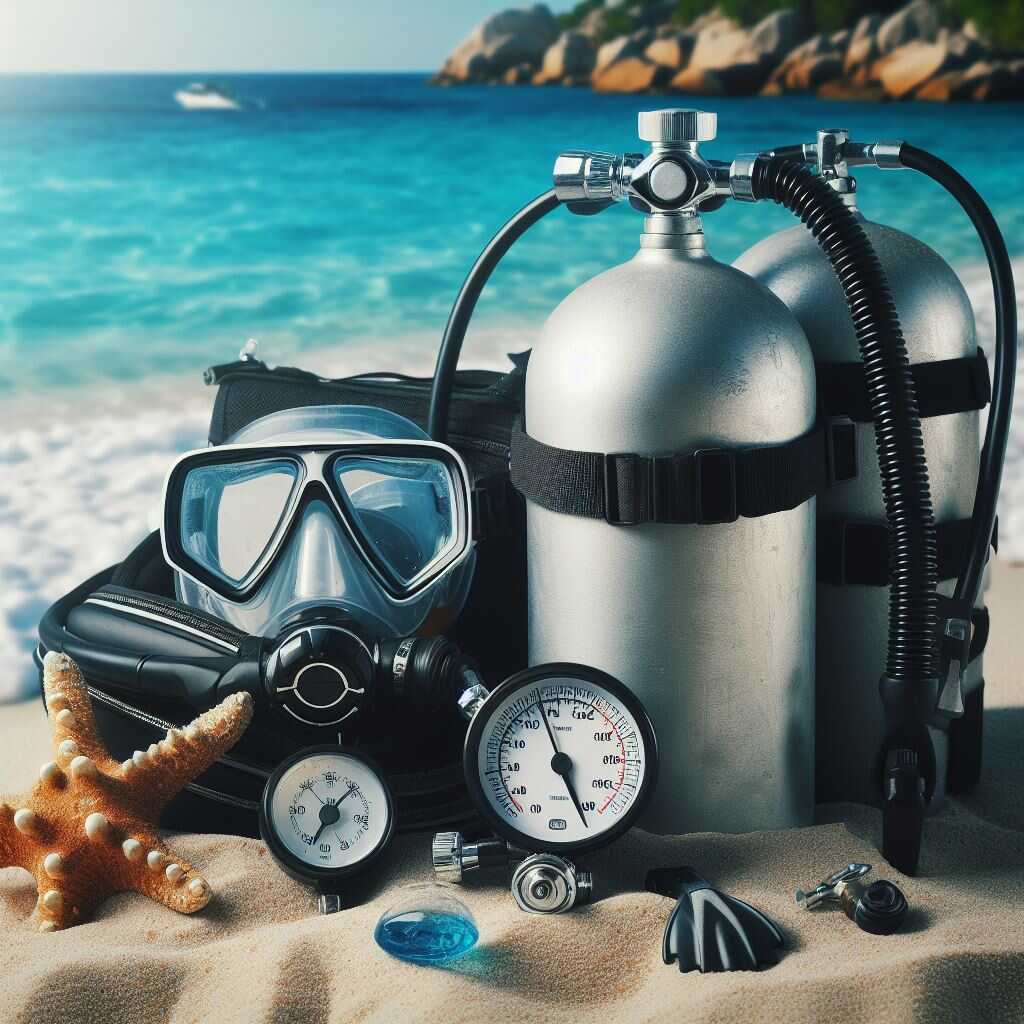
Best Practice Techniques for Implementing Anti-Fog Solutions
To prevent fogging in underwater camera housings, divers can use multiple strategies. One effective method includes applying quality anti-fog solutions, such as sprays or gels, specifically designed for underwater photography. These products enhance visibility through reliable coatings that provide a protective barrier against moisture. Regularly cleaning your housing with a microfiber cloth also helps ensure a clear view. Users should test different techniques to find the combination that works best for their individual gear and diving conditions. Those exploring various anti-fog products should look for options that deliver impressive performance in real-world scenarios.
Top Anti-Fog Products and Their Features
Several anti-fog products shine in underwater photography. Look for sprays and gels that include hydrophilic properties to improve performance. Quality products should be easy to apply and designed to last through multiple dives. Popular choices among divers include anti-fog wipes that are quick and convenient. Some seasoned divers recommend applying anti-fog treatments the night before a dive for the best results. Utilizing multiple products in combination can further enhance the clarity needed for serious underwater shooting.

How Environmental Factors Affect Underwater Image Clarity
Temperature plays a vital role in underwater visibility. Warmer water often leads to better clarity, while cooler temperatures can create thermal layers. Salinity affects light absorption; saltier waters absorb light differently than freshwater, which can hinder image quality. Pressure also alters sight; as you dive deeper, clarity can diminish, particularly past 30 meters, due to increased water density. Understanding these environmental factors helps users optimize their underwater photography and videography experiences.
Strategies for Managing Environmental Factors
To manage these environmental factors effectively, divers should consider adjusting their camera settings based on conditions. Use higher ISO settings and faster shutter speeds in colder water for better image efficiency. Carry anti-fog solutions to combat moisture from temperature differences. Understanding how temperature, salinity, and pressure interact allows divers to make informed decisions on gear and settings, ensuring their underwater visibility is maximized and enhancing overall image clarity.
Advantages of Preventative Moisture Techniques
- Increased picture clarity enables better underwater imagery.
- Anti-fog solutions enhance overall user experience during dives.
- Efficient moisture control extends equipment lifespan and functionality.
- Prevent fogging reduces the chance of missed photographic opportunities underwater.
- Wider temperature tolerance ensures consistent performance of camera gear.
- Improved visibility allows for safe navigation underwater.
- Better image quality enhances the enjoyment of sharing dive memories.

Choosing the Right Anti-Fog Treatments for Various Camera Models
Different underwater camera models require tailored anti-fog treatments due to their unique housing features. For example, cameras like the GoPro HERO series often utilize silica gel packets or anti-fog inserts designed to absorb moisture effectively. Other models, such as those from Nikon or Canon, may benefit from anti-fog sprays specifically formulated to work with their plastic or glass lenses. Research shows reliable anti-fogging options can improve performance by minimizing condensation. Effective fog prevention techniques highlight the importance of user experience with each camera’s specific housing design.
Understanding Housing Design Influence on Fogging Solutions
The design features of various underwater camera housings play a critical role in fogging. Housings with tightly sealed lids can trap moisture, while models that allow airflow help reduce condensation. For example, housing with ventilation ports can benefit from desiccant packs, which absorb humidity effectively. On the other hand, a more enclosed housing may require a liquid anti-fog solution that adheres well to glass. Understanding these housing features allows users to choose suitable anti-fog solutions, improving reliability and usability during underwater photography.
Professional Insights on Preventing Camera Fogging
Effective techniques for preventing fogging in underwater camera housings include using anti-fog solutions and ensuring proper ventilation. Professionals suggest using products like anti-fog wipes or spray that provide reliable protection against moisture buildup. To strengthen performance, users should also acclimate their camera housings to water temperature before dives, which helps minimize temperature shocks. When selecting products, check expert reviews for those that deliver excellent results. Routine maintenance is crucial, and divers should assess their anti-fog solutions before each dive.
Best Practices for Moisture Control During Dives
Moisture control techniques significantly enhance underwater photography experiences. Professionals recommend using desiccants inside the housing to absorb moisture effectively. Choose desiccant packets designed for camera bags, allowing easy replacement. Ensure your camera housing is sealed correctly and tested for leaks before entering water. Maintaining your camera and gear in a low-humidity environment before dives can drastically reduce fogging issues. Keep an eye on the temperature and humidity levels for the best results.
Key Brands and Their Audience Preferences
- GoPro offers portable options, which are popular among action-seeking divers.
- SeaLife specializes in rugged housings, catering to marine biologists researching underwater ecosystems.
- Ikelite provides customizable solutions, attracting professional photographers wanting tailored setups.
- Canon appeals to videographers seeking high-resolution recordings for wildlife documentation.
- Olympus users appreciate waterproof systems ideal for recreational diving experiences.
- Underwater Kinetics features durable cases, attracting those who prioritize safety in harsh environments.
- Many brands focus on novice divers, ensuring user-friendly equipment for beginners exploring underwater photography.
Reviewing and Comparing Popular Anti-Fog Products
This section explores the top-rated anti-fog solutions specifically designed for underwater camera housings. The most recommended products include anti-fog wipes, sprays, and inserts that enhance underwater camera performance. Leading products feature reliable formulas and user-friendly applications, helping divers to combat fogging effectively. Each option undergoes rigorous durability testing, ensuring they perform well in challenging underwater conditions. Previous users have shared feedback on their experiences, which adds valuable insights when considering these essential products.
Prime Features to Seek in Anti-Fog Products
When choosing an anti-fog solution for your underwater camera housing, focus on key features that enhance performance. Look for products with proven reliability, ease of application, and compatibility with different camera types. Many solutions include anti-static properties, improving their effectiveness under water. Testing these products in real-world conditions reveals which options provide the best durability and efficiency. For example, anti-fog wipes can handle diverse temperatures and humidity levels while maintaining clarity. Scuba Forge provides detailed comparisons to help you make informed decisions.