
Choosing the right BCD size is essential for enhancing fit and buoyancy control underwater. A proper BCD, or buoyancy control device, ensures you feel comfortable and confident as you dive. At Scuba Forge, we provide insightful guidance to help divers of all levels select the ideal BCD size. Our comprehensive reviews emphasize safety, performance, and proper fit to improve your underwater experience.
Significance of Selecting the Right BCD Size for Divers
Selecting the right buoyancy control device (BCD) size is crucial for all divers. Proper fit impacts safety significantly. A well-fitting BCD enhances buoyancy control, allowing divers to maintain stable positions underwater. A BCD that is too large can lead to excess water and hinder adjustments. An overly tight BCD can impair movements and cause discomfort. Both conditions can compromise a diver’s experience and safety. Each BCD typically comes in a range of sizes from XS to XL, enabling divers to find the perfect fit for their body type.
Understanding BCD Sizing for Optimal Performance
Choosing the correct BCD size is vital for optimal performance during dives. The sizing of the BCD must align with the diver’s weight and body shape. Most manufacturers provide detailed sizing charts that consider chest measurements, waist circumference, and torso length. For instance, an XS BCD may fit a diver with a 28-inch waist, while an XL may suit those over a 46-inch waist. Having a reliable BCD ensures maximum buoyancy control, less drag, and improved comfort, creating an overall pleasant diving experience. The correct size enables divers to focus on their surroundings instead of their equipment.
Impact of BCD Fit on Buoyancy Management and Stability
The fit of a BCD greatly impacts buoyancy management and stability while diving. A well-fitted BCD ensures that air is evenly distributed, enhancing buoyancy control. When a diver is in the water, poorly fitted BCDs can shift or cause discomfort, leading to instability. Proper fit supports the diver’s experience, allowing them to focus on their underwater environment. A reliable BCD allows divers to maintain position and control, which boosts confidence and safety. BCDs with features like adjustable straps and ergonomic designs provide essential comfort and enable better buoyancy management.
Key Features of BCDs for Enhancing Stability and Comfort
When selecting a BCD, look for key features that enhance stability and comfort. Adjustable shoulder and waist straps are critical for a personalized fit. These features improve buoyancy control by allowing a diver to distribute weight evenly. Additionally, integrated weight systems streamline buoyancy adjustments, providing a cleaner profile underwater. Some BCDs also include lumbar support for additional comfort during long dives. Research suggests that models with these features score higher in user reviews for stability and efficiency. Ultimately, well-designed BCDs provide a great experience while ensuring safety during dives.

Essential Features to Look for in a BCD
Choosing the right BCD requires understanding essential features. Look for adjustable straps that enhance comfort and fit. Pocket configurations should be considered for the gear you plan to carry. High-quality materials increase durability, ensuring a reliable performance underwater. Review different styles to find the best combination of features tailored to your diving needs. Testing various models helps to determine which BCD enhances your buoyancy control most effectively.
Understanding BCD Pocket Configurations and Their Benefits
BCD pocket configurations play a crucial role in organizing your diving equipment. Many modern BCDs come with multiple pockets designed for specific gear. They can include large cargo pockets for extra accessories and smaller, secure pockets for essential items like tools. Adjustable pocket placements help evenly distribute weight, enhancing comfort and improving buoyancy control. When selecting a BCD, consider how the pocket layout can handle all your essentials effectively. A good layout aids in maintaining a streamlined profile underwater.
Essential Measurements for the Ideal Diving Vest
- Most BCDs come in sizes S, M, L, XL, accommodating chest circumferences from 28 to 60 inches.
- The buoyancy range of BCDs typically varies from 10 to 50 pounds, depending on intended use.
- A standard adult BCD weighs between 3 and 5 pounds when not inflated.
- Many BCD models include adjustable straps for a customizable fit, enhancing comfort underwater.
- BCD bladder capacities can differ, with some holding over 30 liters of air.
- Retailers usually suggest a weight ratio of 1:5 for beginners—1 pound of buoyancy for every 5 pounds of weight.
- Most manufacturers provide sizing charts, advising divers to refer to them for the best fit.

Common BCD Sizing and Fitting Mistakes to Avoid
Divers often make mistakes when selecting BCD size and fit. One common error is assuming a single size fits all body types. A proper fit is crucial for buoyancy control. Many divers overlook the importance of trying different styles, such as jacket, wing, and back-inflation BCDs, which can drastically affect comfort and fit. Misjudging the importance of adjustable straps leads to discomfort during dives. Always ensure a snug fit without restricting movement. The range of BCD sizes typically accommodates both men and women. Beginners should refer to sizing guides and perform adjustments before making a purchase.
Understanding BCD Styles for Better Fit
Diving BCDs come in various styles that impact their fit and performance. Jacket BCDs wrap around the torso and provide a snug feel, ideal for beginners. Wing BCDs are streamlined and great for advanced divers. Back-inflation BCDs position the buoyancy at the back, ensuring a sleek profile underwater. Each style can affect buoyancy distribution and overall comfort. When selecting a BCD style, consider your diving experience and preferences. Testing the fit during dives enhances your reliability in buoyancy control. Expert reviews highlight the importance of choosing a BCD that complements your diving style and body shape.
Importance of Regular BCD Maintenance for Optimal Fit
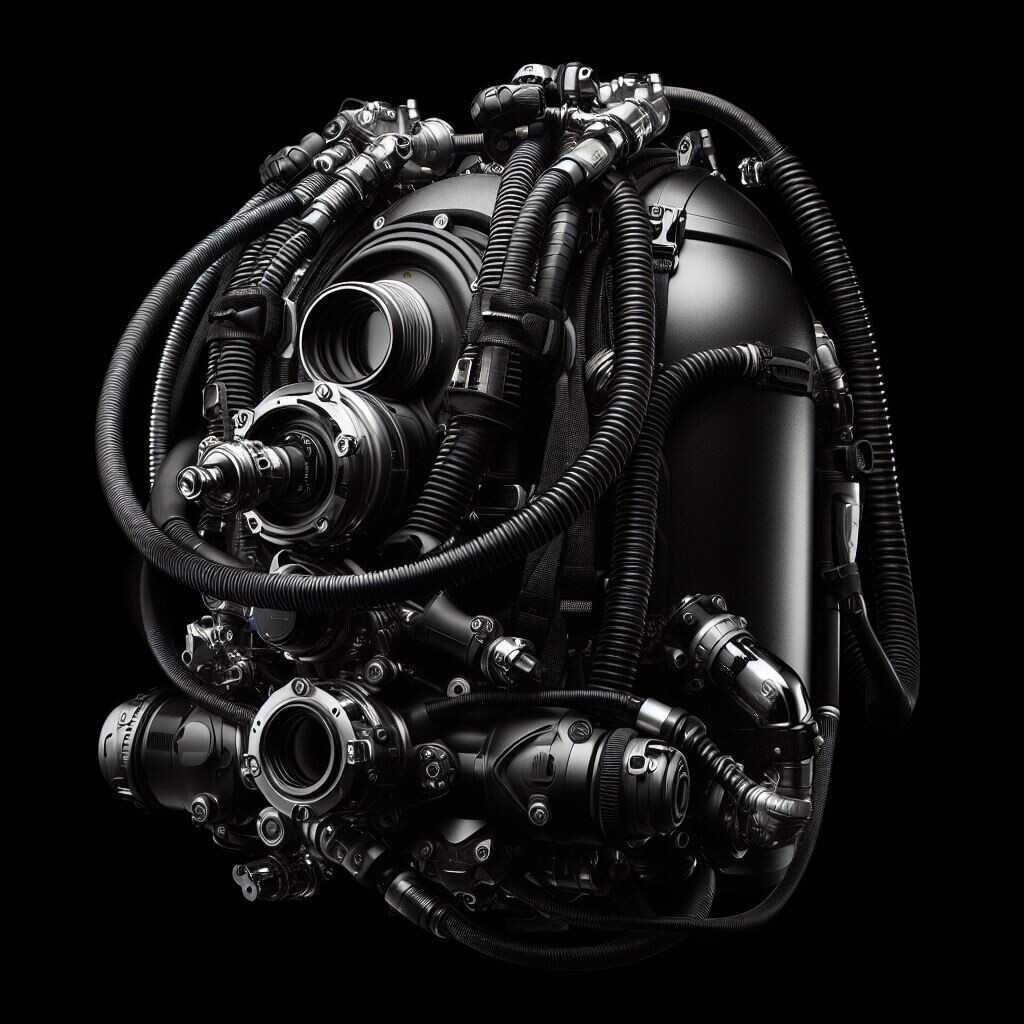
Regular BCD maintenance is essential for ensuring a proper fit and buoyancy control. Inspect the bladder for leaks and tears by inflating it fully and submerging it in water. Look for bubbles indicating leaks. Check the straps for fraying or wear, which can affect comfort and safety. Regularly clean your BCD with fresh water after each dive to remove salt, sand, and grime. This practice extends the life of the materials and maintains the performance. Neglecting maintenance can lead to reduced buoyancy and increase the risk of equipment failure. It has been reported that approximately 30% of divers neglect proper BCD maintenance each year, impacting their diving experience.
Effective Inspection Techniques for Your BCD
Effective inspection of your BCD involves checking multiple components, including inflator mechanisms and the overall integrity of the bladder. Start by examining the inflator hose for cracks or leaks, as this is a critical feature for buoyancy control. Ensure that the dump valves operate smoothly and do not get stuck. Remove any dirt or debris that may impair performance. A thorough inspection can enhance reliability and safety during dives. Incorporate these techniques into your regular diving routine to ensure your equipment remains in great condition, providing the necessary support for all underwater adventures.
Why Proper Fit Matters for Underwater Comfort
- Wearing the right size vest enhances buoyancy control, allowing divers to maintain optimal depth.
- A proper fit decreases the risk of gear shifting underwater, promoting safer diving practices.
- Comfort improves overall enjoyment, enabling divers to focus on the underwater experience rather than equipment issues.
- Good fit prevents water from entering the BCD, helping maintain thermal protection in cooler conditions.
- Using the right size equipment assures better compliance with safety regulations and guidelines.
- Proper buoyancy aids in conserving energy, allowing for longer dives with less fatigue.
- Adaptive fit options cater to diverse body types, ensuring inclusivity for all divers.
Choosing the Right BCD Based on Diver Experience Level
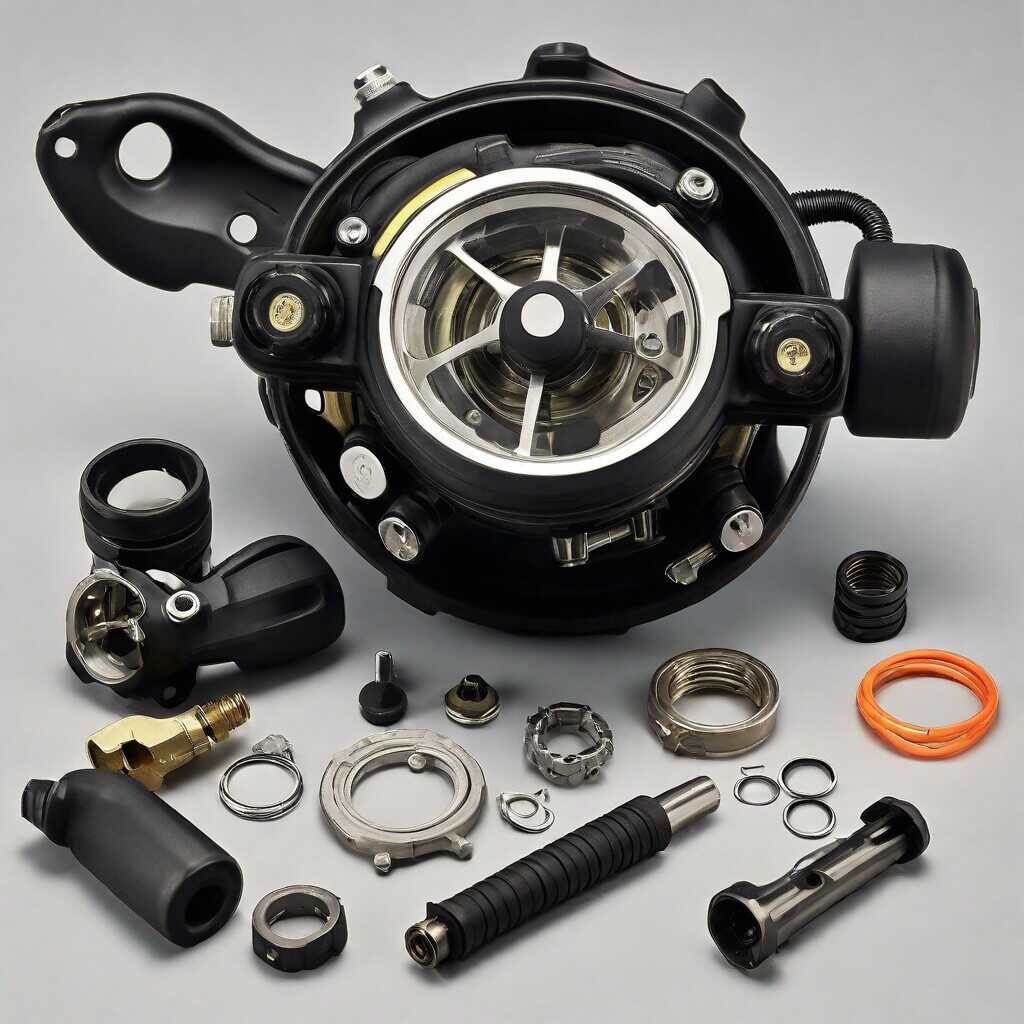
Diver experience level plays a crucial role in BCD selection. Beginner divers should prioritize comfort and ease of use. A BCD designed for beginners may include adjustable straps and an integrated weight system for quick learning. Experienced divers often seek BCDs with additional features like advanced buoyancy control mechanisms and multiple pockets for gear. Essential features such as material durability and reliability also matter. Standard BCDs typically provide around 12 to 20 liters of buoyancy, which is generally sufficient for recreational diving. Ensuring that you select a BCD based on your experience can enhance your underwater performance significantly.
Key Features for Beginner and Experienced Divers
For beginner divers, a BCD should offer essential features like padded back support and simple inflator systems. These aspects enhance comfort and ease while learning. Attention to buoyancy control is critical, as beginners need stability in the water. Experienced divers might prefer BCDs with additional accessories, such as a modular design for customization. Choosing a reliable BCD suitable for deeper dives can improve overall performance. Knowing these distinct features helps divers select wisely and matches their specific underwater adventures.
Influence of Environmental Conditions on BCD Size Decisions
Environmental conditions play a crucial role in BCD size decisions. Temperature changes can significantly affect the buoyancy of a diver. A thicker wetsuit may require a larger BCD size to ensure the right buoyancy control. When diving in cold water, divers need additional buoyancy due to added thermal protection. In warmer waters, a lighter BCD may suffice. Depth also impacts buoyancy requirements. As divers go deeper, the water pressure increases, affecting how the BCD performs. Proper fit and size adjustments are essential for efficient buoyancy control at various depths. Factors such as current, visibility, and water density can also influence performance and comfort.
Adjusting BCD Sizes for Temperature Variations
Divers must consider temperature variations when selecting BCD sizes. In colder water, a thicker wetsuit or drysuit adds buoyancy. Divers might require a BCD with more lift capacity. A few pounds of additional buoyancy may be needed to counteract the weight of the thermal gear. In tropical environments, divers typically wear minimal thermal protection. This requires a more standard BCD size to ensure it provides comfort and reliability. An optimal BCD enhances buoyancy control without compromising on fit, ensuring a great diving experience regardless of water temperature.
Leading Brands and Their User Profiles in Diving Gear
- Brand A attracts experienced divers with advanced features, ensuring safety and stability underwater.
- Brand B offers entry-level BCDs that are user-friendly, perfect for beginners learning the basics.
- Brand C appeals to technical divers, featuring customizable options for various diving conditions.
- Brand D suits recreational divers due to its lightweight design, making it easy to travel with.
- Brand E focuses on environmental sustainability, attracting eco-conscious divers looking for green options.
- Brand F provides a range of sizes, ensuring it meets the needs of divers with unique body shapes.
- Brand G is known for ergonomic comfort, making it popular among divers seeking long-term use without discomfort.
Community Feedback and BCD Recommendations from Divers
Divers share valuable insights on the best BCD recommendations for buoyancy control. Top models gaining attention include the Aqua Lung Rogue and Scubapro Hydros Pro for their impressive buoyancy adjustments and comfortable fit. Essential features that divers consider critical include adjustable straps, integrated weight systems, and varying buoyancy capacities. The community has years of combined testing experience, with many divers reviewing BCD performance rigorously and providing data-driven feedback.
Essential Features to Look for in a BCD
Divers emphasize several essential features when selecting a BCD to ensure reliability and quality. Adjustable straps provide personalized fits while enhancing buoyancy control. Integrated weight systems improve balance and facilitate easier adjustments underwater. A sturdy design enhances durability, ensuring the BCD withstands various diving conditions. Models like the SeaQuest Diva LX deliver excellent performance, as they are tested for comfort and efficiency. Expert reviews also highlight the importance of pockets for extra storage and accessories, crucial for divers looking to enhance their underwater experience.