
Seasonal changes significantly impact dive site visibility and marine life encounters, altering the underwater experience for divers. As water temperatures fluctuate and local currents shift, divers may notice variations in clarity and the types of marine life present. Understanding these seasonal effects will enhance your diving adventures and ensure you are well-prepared. At Scuba Forge, we provide insights into how these seasonal changes can affect visibility and what you can do to optimize your encounters with marine life.
How Seasonal Variations Affect Diving Visibility and Safety
Understanding seasonal changes is crucial for divers aiming to enhance underwater experiences. During winter months, cold water tends to improve visibility due to reduced plankton blooms. Summer brings warmer temperatures but increases plankton activity, resulting in lower visibility. Different seasons also affect marine life behaviors. For example, spawning seasons in spring attract diverse species, increasing encounters. Fall generally sees a shift back to more stable conditions, providing chances to see larger schools of fish as they migrate. Knowing these changes helps divers prepare effectively for varying diving conditions, promoting both safety and excitement.
Maximizing Dive Safety During Seasonal Changes
Maximizing dive safety requires awareness of seasonal effects on diving conditions. Visibility can drop significantly during summer due to higher water temperatures and increased algae. In contrast, winter can provide excellent clarity but also poses risks like colder temperatures and stronger currents. Divers should always check local conditions before diving. Researching recent visibility reports helps in planning. Additionally, utilizing reliable dive gear suited for each season enhances comfort and safety. Diving with a buddy, especially in darker conditions or stronger currents during transitional months, is essential for ensuring a safe experience.
Seasonal Marine Life Trends and Best Viewing Times
Understanding seasonal marine life trends helps divers connect with diverse species. Tropical regions often exhibit vibrant marine species year-round. However, temperate zones experience distinct seasons. In spring, divers can spot migrating dolphins and aggregations of fish. Summer offers opportunities for encounters with turtles and reef sharks. Fall seasons attract massive gatherings of pelagic fish. Winter presents unique underwater life, such as beluga whales and sea otters. Each season offers reliable chances for wildlife encounters if divers plan dives at prime locations during these active months. Researching local migration patterns enhances wildlife viewing experiences.
Best Dive Sites for Seasonal Encounters
To maximize marine life sightings, choose dive sites strategically based on seasonal trends. For example, the Great Barrier Reef in Australia provides excellent opportunities for witnessing coral spawning during the summer months. In Mexico, the Socorro Islands attract humpback whales each winter. The waters around Florida are known for seasonal manatee migrations during colder months. Experienced divers find that locations like Bonaire are great for year-round visibility, while the Azores are an excellent summer option for spotting blue sharks. Selecting the right dive site, based on thorough research and seasonality, can significantly enhance diving experiences.
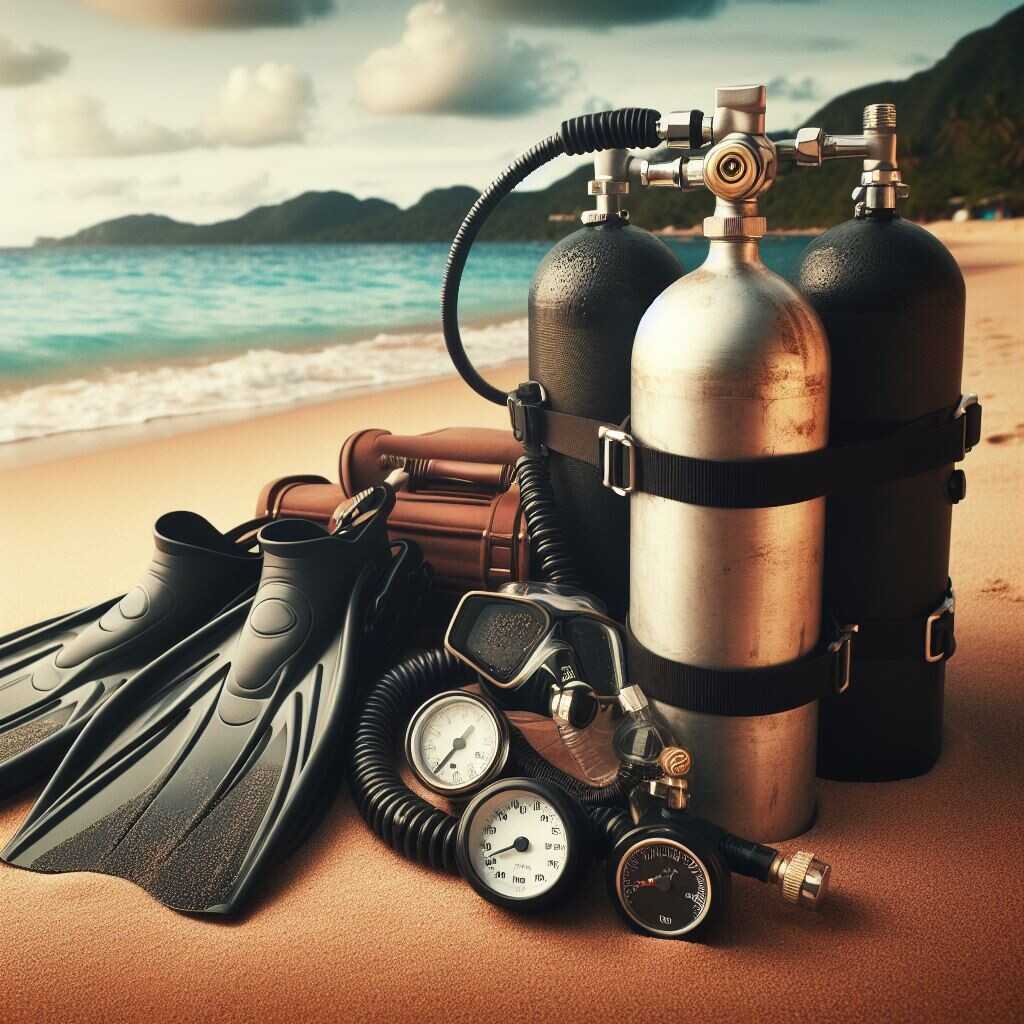
Top Dive Sites and Optimal Times for Each Season
Understanding when to dive is crucial for experiencing the best sightings and conditions. For summer, the Maldives offers calm seas and vibrant marine life from June to September. In the fall, the Caribbean, particularly Belize, boasts clear visibility and a variety of species from October to November. Winter is perfect for the Great Barrier Reef, with great visibility and active marine life from December to February. Lastly, during spring, the Red Sea is amazing for dive enthusiasts, as conditions are ideal from March to May. Each of these popular dive sites provides unique experiences tailored for the best seasonal advantages.
Best Months for Marine Life Encounters
Marine life encounters often peak during particular months at various dive sites. The Great Barrier Reef experiences high fish activity from January to March due to spawning season. In the Galapagos Islands, June to September is exceptional for seeing hammerhead sharks and marine iguanas. The visibility in the Red Sea is excellent between April and June, ideal for observing corals and pelagic species. Each location has specific seasons that enhance visibility and marine life activity, ensuring divers enjoy memorable underwater adventures. Researching these patterns helps divers plan effective and fulfilling trips.
Numerical Insights on Underwater Clarity and Creature Interactions
- Visibility can reach up to 30 meters during peak seasons.
- Marine life encounters increase by 50% in warmer months.
- Water temperature shifts by 5-10 degrees Celsius seasonally.
- Visibility drops as low as 5 meters during heavy rain.
- Locations with high plankton blooms see 70% less visibility.
- 80% of divers report better experiences in summer.
- Up to 60 species of fish may gather in certain seasonal reefs.

Role of Weather Patterns in Dive Planning
Weather patterns significantly affect dive site visibility and experiences. Temperature changes influence water clarity. Warmer months often bring plankton blooms, which can reduce visibility. Heavy rainfall increases sediment runoff, creating murky waters. Wind affects surface conditions and can influence where divers should go. Understanding these weather conditions helps in planning safe and enjoyable dives. Proper planning enables divers to maximize their underwater encounters while ensuring their safety.
Major Weather Factors to Consider for Diving
Divers should consider several weather factors for effective dive planning. Temperature is crucial; warmer water can be more inviting but may bring increased marine traffic and algae blooms. Rainfall can lead to reduced visibility by washing debris into the ocean. Wind speed and direction should also be monitored as it can lead to rough seas, affecting entry and exit points. Checking local weather forecasts is essential. This ensures divers choose optimal days and locations, enhancing their diving experience while prioritizing safety.

Effects of Tides on Dive Conditions and Experiences
Tides play a crucial role in underwater visibility during dives. High tides often wash away sediment, enhancing visibility. Conversely, low tides can stir up sand and debris, reducing clarity. Experienced divers should pay attention to tidal cycles to plan dives effectively. Changes in tides also influence marine life behavior. Certain species like dolphins and sharks are more active during specific tidal periods. Understanding these patterns helps divers maximize their encounters with marine life. The best tidal range for clear visibility usually occurs during the first hour of the incoming tide, making this a prime time for diving.
Understanding Tidal Patterns for Better Diving Experiences
Understanding tidal patterns is essential for optimizing diving experiences. Tides change approximately every six hours, leading to varying conditions underwater. During the peak of high tide, water is clearer as it pushes out pollutants. This is crucial for divers who seek exceptional underwater visibility. Additionally, many fish species feed during tidal changes, increasing the chances of spotting vibrant marine life. Research shows that diving during the last hour of an outgoing tide can also yield good visibility, but timing is key. A reliable tidal chart can significantly improve dive planning and overall success.
Advantages of Recognizing Seasonal Variations in Dive Conditions
- Divers can plan trips for optimal creature sightings.
- Enhanced clarity often leads to more enjoyable diving experiences.
- Divers can prepare for varying temperatures and conditions effectively.
- Species migrations provide unique chances to see rare marine life.
- Awareness of seasonal changes aids in conservation efforts.
- Knowledge of visibility patterns increases safety during dives.
- Divers can optimize gear choices based on seasonal needs.

Environmental Conditions Impacting Diving Success
Several environmental factors significantly impact dive visibility and marine life encounters. Water temperature plays a vital role; temperatures between 70°F and 80°F are often favorable for marine life activity. Diver visibility typically improves in clear, calm waters, which are influenced by factors such as current strength and sediment movement. Strong currents can reduce visibility and make diving more challenging. Understanding these environmental factors helps divers choose optimal dive sites and times, significantly enhancing their underwater experience.
Understanding Water Temperature Effects on Marine Life
Water temperature can greatly impact marine ecosystems and species behavior. Ideal temperatures between 70°F and 80°F encourage diverse marine life encounters. Species like coral, fish, and invertebrates thrive in these conditions, increasing the chances of witnessing rich biodiversity. Temperatures below 60°F may result in decreased activity levels of tropical marine species. When planning dive trips, it’s essential to research seasonal temperature patterns, allowing divers to prepare adequately and enjoy the best possible underwater encounters.
Seasonal Gear Adjustments for Divers
Seasonal factors such as water temperature, currents, and visibility significantly affect gear choices for divers. In the summer, warmer water allows for lighter wetsuits or even shorties, enhancing comfort. In contrast, cold water in winter requires thicker wetsuits or drysuits to maintain warmth. Divers should also evaluate whether they need additional thermal layers or accessories like hoods and gloves for colder months. Understanding these seasonal gear needs ensures divers select optimal equipment for their underwater adventures, enhancing both comfort and performance.
Water Temperature Changes and Gear Selection
Water temperatures fluctuate between seasons, impacting the type of gear divers should use. In summer, water temperatures can average between 70°F to 80°F, allowing divers to feel comfortable in thinner wetsuits. In winter, temperatures can drop to around 40°F to 60°F, necessitating thicker wetsuits or drysuits that provide necessary insulation. Additionally, accessories like hoods, gloves, and socks become essential for protecting against the cold. Conducting regular research and testing different gear helps divers determine what equipment offers the best performance and comfort for their specific diving conditions.
Exploring Popular Brands and Their Specialty Use Cases in Diving
- Scubapro: Offers durable equipment known for comfort; great for beginners.
- Aqualung: Focuses on high-performance gear for advanced divers.
- Mares: Engages recreational divers with fun and colorful designs.
- Oceanic: Appeals to tech-savvy divers wanting modern features.
- Big Blue: Caters to night divers with powerful lighting solutions.
- Seac: Provides budget-friendly options for casual divers.
- Women divers: Prefer brands that offer diversity in fit and style.
Effective Dive Trip Planning Considering Seasonal Changes
Divers can enhance their experiences by planning trips around seasonal changes that affect underwater visibility and marine life encounters. Key factors include understanding water temperature, currents, and marine animal migration patterns. Time of year plays a critical role. Typically, visibility is best from late spring to early fall in many locations. Planning around these times can help divers secure the best conditions. For popular dive sites, verify specific conditions that may vary by location. Using reliable resources such as dive reports and recommendations from experts helps ensure a successful dive trip.
Essential Seasonal Factors for Dive Site Success
When planning dives, consider essential seasonal factors that influence marine life encounters and underwater visibility. Water temperature significantly impacts marine activity. Warmer months attract diverse species. Currents can affect visibility and accessibility of dive sites. Some areas have strong currents during certain seasons, making them impractical for diving. Researching local trends helps divers anticipate when specific species are present. Scuba Forge recommends checking historical data for visibility reports at your chosen dive site. This will give you a clearer idea of what to expect during your visit.