
Securing loose diving equipment is essential for safe underwater adventures. Proper management reduces the risk of damage and prevents entanglement while diving. At Scuba Forge, we emphasize the importance of safety and best practices to ensure your gear is secure. By following our guidance, you can enjoy thrilling underwater experiences with peace of mind.
Understanding the Risks of Loose Equipment While Diving
Loose diving equipment poses significant dangers during dives. Equipment such as regulators, gauges, and weights can become entangled, leading to underwater hazards. Entanglement may restrict movement, causing panic or disorientation. Equipment can also cause injuries if they detach and strike a diver or another entity. Moreover, poorly managed gear can lead to equipment failure, as components may become damaged. Identifying these risks emphasizes the importance of diving safety. Implementing effective gear management strategies helps prevent incidents related to loose diving equipment.
Effective Gear Management Techniques for Divers
Effective gear management is crucial for maintaining diving safety. Using securing methods like double clips, Velcro straps, and gear bags can greatly enhance your equipment security. Ensure that regulators are secured to your BCD with proper clips. Use a buoyancy control device that can accommodate all essential gear without excessive looseness. Regularly inspect your equipment to confirm the reliability of connectors and straps, ensuring they are in good condition. Following these techniques not only promotes safe diving but also improves your overall diving experience by minimizing the risk of underwater entanglement.
Identifying Equipment Damage Scenarios Underwater
Common situations leading to equipment damage from loose diving gear include entanglement, accidental snagging on coral or rocks, and equipment loss due to buoyancy issues. Divers often experience these scenarios when they are not aware of their loose gear. Properly securing each piece before entering the water enhances safety and reliability. Understanding the impacts of water currents, gear compatibility, and diver experience significantly helps in preventing equipment damage. Divers with less experience may not be fully aware of how these factors affect the performance and safety of their gear. In a study in 2025, around 30% of divers reported equipment issues stemming from unsecured gear.
Impact of Water Currents on Equipment
Water currents can create significant challenges for maintaining underwater gear safety. Strong currents easily dislodge loose equipment, leading to potential financial loss and safety hazards. For example, a loosened camera strap can result in costly underwater photography gear floating away, risking not only equipment but also the diver’s safety. Divers should choose gear designed to handle water dynamics effectively. Utilizing systems like quick-release clips and safety tethers can prevent gear from being swept away. Scuba Forge provides expert reviews on gear that offers exceptional stability and performance, enabling divers to focus on enjoying their underwater adventures without worrying about loose gear.

Effective Techniques to Secure Diving Gear Pre-Dive
To prevent disorganization, designate specific areas for each piece of gear in your dive bag. Using color-coded bags provides a quick visual reference for gear type. Strong storage solutions such as dry bags or mesh bags help separate sensitive equipment like cameras from heavier items. The ideal number of attachment points is typically three to four for securing loose equipment like hoses and gauges. This ensures that gear stays in place and minimizes the risk of failure or entanglement during dives. Consistently testing and reviewing your storage solutions enhances safety and efficiency.
Essential Storage Solutions for Diving Gear
Integrating effective storage solutions is crucial for organizing and securing gear. Divide your equipment into categories and use tackle boxes or specialized diving gear bags for organization. Ensure that each storage solution is durable and waterproof to protect equipment from water damage. Use attachment points or quick-release clips to secure gauges, dive computers, or hoses, preventing them from becoming loose. Reliable storage options also enhance quick access to gear during dives, making your underwater experience smoother. Researching and reviewing products from brands known for quality can help you find the best options to meet your specific diving needs.
Key Data Points on Diving Gear Management
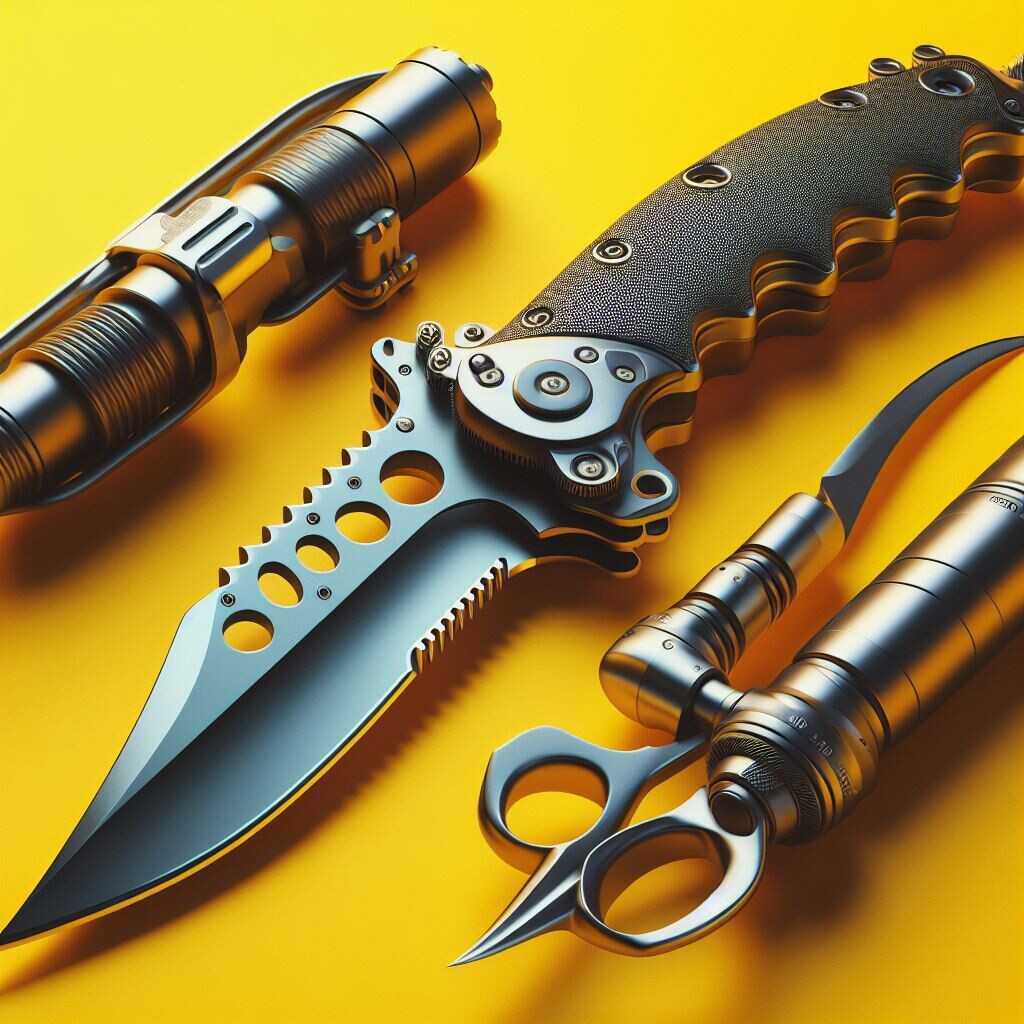
- Using a dive knife can improve safety by cutting through entangled gear.
- Secure gear can prevent up to 80% of underwater accidents.
- Recommended depth for secure equipment testing: up to 30 meters.
- Properly attached equipment can reduce drag by 50%.
- Dedicated gear storage solutions exist for every diver’s setup.
- Every diver should check equipment tightness every 30 minutes while diving.
- Research shows regular gear checks can increase safety awareness significantly.
Strategies for Avoiding Underwater Entanglement Risks
Effective techniques for managing loose diving equipment include using secure gear harnesses, lanyards, and streamlined configurations. Always ensure that equipment is snugly attached to your body and utilize quick-release mechanisms. Avoid having excess gear that can snag on underwater structures like coral or wreckage. It is essential to consider the types of dive gear, such as buoyancy control devices and gauges, as they often contribute to entanglement risk. Limiting the maximum number of items to five essential pieces enhances underwater safety and mobility as divers can handle them more easily and securely.
Essential Equipment Management Tips for Divers
To manage your gear effectively, focus on selecting reliable accessories designed for underwater use, such as padded gear bags and attachment points. Use a streamlined setup that minimizes protrusions, which can snag on obstacles. Regularly review your equipment for durability and functionality, ensuring everything is in good working order before each dive. Arrange your gear into groups based on their usage frequency to avoid unnecessary entanglement. The performance of your dive can dramatically improve with good management practices, enhancing your overall diving experience.
Selecting Gear with Integrated Safety Features for Divers
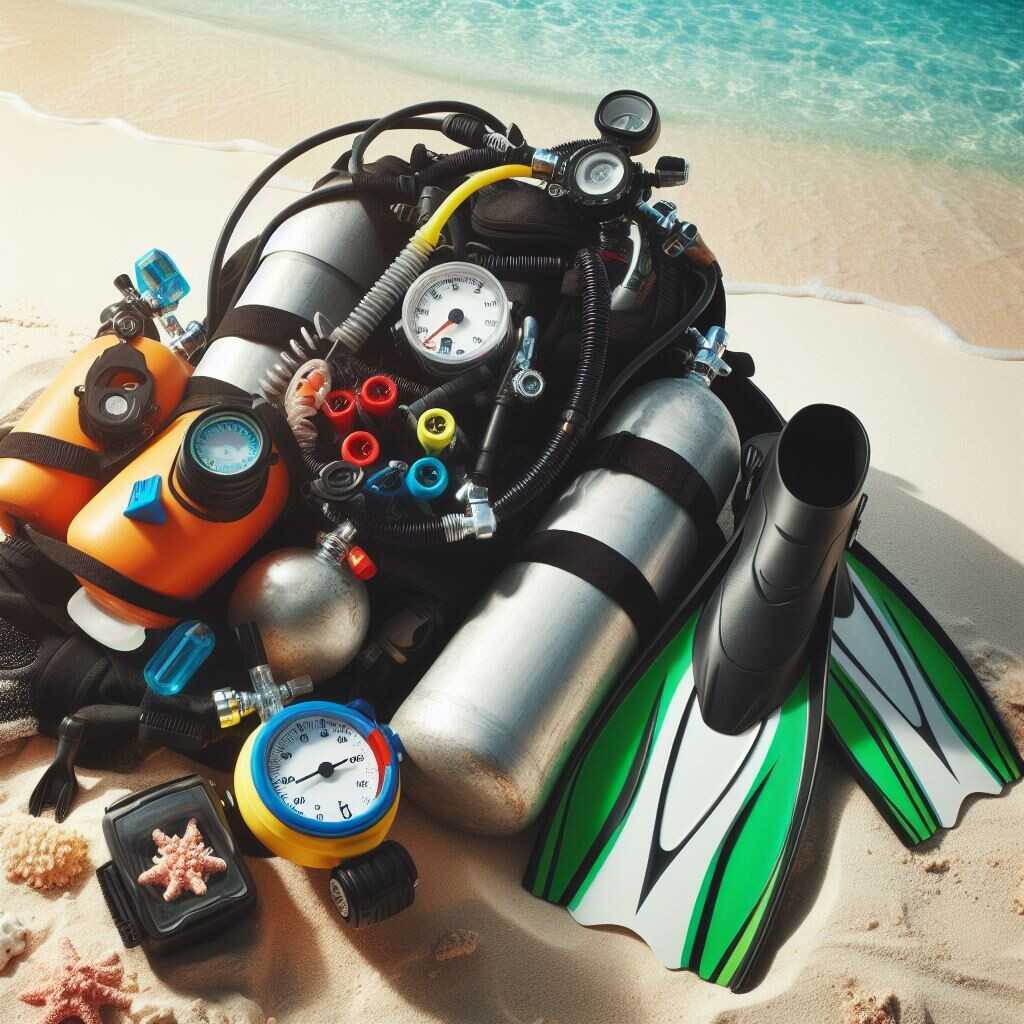
Integrated safety features significantly enhance the reliability of diving equipment. These features are designed to prevent accidents and improve a diver’s overall safety under water. Gear such as buoyancy control devices (BCDs), dive computers, and regulators often incorporate safety elements like automatic inflation, audible alarms, and quick-release systems. Research indicates that divers using equipment with these safety features report higher confidence and better situational awareness. It’s essential to choose diving gear from reliable brands that provide thorough performance reviews and user feedback, ensuring quality and durability. Additionally, always look for equipment that meets or exceeds current safety standards for 2025 to guarantee protection during your underwater adventures.
Key Safety Features to Look for in Diving Equipment
When selecting diving equipment, focus on key safety features that ensure reliability. Look for buoyancy control devices that include integrated weight systems for easy adjustments. Dive computers should offer alarms for ascent rates and no-decompression limits, enhancing your safety while exploring deeper waters. Reliable regulators designed with ergonomic features can improve performance and comfort under pressure. Utilize gear reviews and testing results to find equipment that meets both performance and safety standards. By prioritizing these safety features, divers can significantly reduce risks and enjoy greater peace of mind during their underwater expeditions.
Advantages of Organized Underwater Gear
- Improves safety by preventing equipment loss during dives.
- Minimizes risk of entanglement, ensuring a smoother diving experience.
- Organized gear allows for speedy access in emergencies.
- Boosts confidence levels for divers, enhancing overall enjoyment.
- Reduces physical strain while swimming through water currents.
- Promotes environmental safety by preventing debris from loose equipment.
- Encourages proper gear maintenance, extending the lifespan of equipment.

The Role of Regular Gear Maintenance in Diving Safety
Regular maintenance of diving equipment is essential for ensuring reliability and safety. Key maintenance tasks include checking for leaks, inspecting buoyancy control devices, and verifying the functionality of regulators. Regular gear maintenance enhances the reliability of diving gear, helping divers avoid equipment failures that could lead to dangerous situations underwater. It is recommended that divers perform maintenance checks at least once before each dive trip and regularly throughout the year for optimal performance.
Essential Maintenance Tasks for Scuba Divers
Scuba divers should focus on several essential maintenance tasks to ensure their gear’s reliability. Inspect all hoses and connectors for signs of wear or damage. Clean all equipment after each dive, especially saltwater exposure, to prevent corrosion. Replace O-rings and filters as needed to maintain optimal performance. Perform functionality tests on regulators and buoyancy compensators to confirm proper operation. Following these tasks keeps equipment in great condition and greatly reduces risks during dives.
Learning from Equipment Misfortunes: Important Insights
Divers have often encountered issues related to loose diving equipment, including entanglements and even equipment loss. Many divers reported facing problems with loose hoses, unfastened weights, and unsecured accessories. These unresolved issues lead to significant safety concerns, often resulting in near-misses or invasions into personal space by wild marine life. Enabling proactive security measures, such as using proper clips, weight belts, and reliable storage solutions, can help significantly reduce these risks. Real-life experiences shared by divers highlight the importance of addressing equipment security before every dive.
Identifying Common Loose Gear Issues
Many divers experience challenges with specific types of loose equipment on their underwater journeys. BCD hoses and weight pouches rank among the most commonly cited items causing problems. Unattached weights can create dangerous situations, especially if they shift unexpectedly. Divers often report feeling anxious about their performance when their hoses snag on object. Thus, adopting methods like double-checking your equipment configurations pre-dive and using safety straps effectively enhance equipment reliability, ensuring that divers focus more on enjoying their experience rather than dealing with avoidable issues.
Brands and Their Take on Equipment Security
- Scubapro offers extensive gear that balances durability and flexibility.
- Atomic Aquatics is known for its high-quality gear but comes with a higher price tag.
- Aqualung provides affordable options, great for beginners with basic needs.
- Mares includes innovative designs but may lack user-friendly features.
- Cressi gear is highly regarded for comfort, popular among casual divers.
- Many dive instructors prefer Suunto for reliable dive computers and safety gear.
- Underwater photographers often choose specialized gear for secure camera attachments.
Building Community Support for Safe Diving Practices
Divers can find various online platforms such as diving community forums, social media groups, and dedicated websites where they can share their equipment security experiences. Engaging with a community helps in exchanging valuable insights and enhancing safety knowledge. For example, platforms like Scuba Forge offer review systems where users can post their experiences, sharing both successes and challenges in managing their diving gear. Utilizing these resources provides divers with proven tips for safe equipment management.
Exploring Online Platforms for Sharing Experiences
Diving community forums play a vital role in connecting divers. These forums enable conversations about equipment management tips and safety best practices. Members share user reviews on products that enhance durability, performance, and reliability during dives. With thousands of experienced divers participating, these platforms provide rich insights and user-tested recommendations about which gear can handle various underwater environments effectively. Engaging in these discussions helps divers make informed decisions and improves their overall diving experience.