
“Find the Best Age-Appropriate Diving Programs for Young Explorers” guides parents to discover safe and exciting diving options for children. Diving programs designed for youth foster a love for the underwater world while prioritizing safety. Scuba Forge is dedicated to helping families find suitable diving experiences that create lasting memories and promote ocean education. With our comprehensive reviews and insights, parents can confidently choose the best diving programs for their young explorers.
An Overview of Youth Diving Programs in the Diving World
Youth diving programs offer a range of options for children and young adults to explore underwater environments. Parents can choose from various types, including introductory courses, certification programs, and adventure dives. Factors to consider include the age-appropriate courses available, safety training guidelines, class sizes, and instructor experience. As of 2025, there are numerous age-appropriate diving programs worldwide, each designed to prioritize safety while enhancing underwater exploration experiences for young divers.
Understanding Age-Appropriate Diving Certifications
Age-appropriate diving certifications prepare young divers with essential skills and knowledge for safe underwater activities. Organizations like PADI and SSI offer junior certifications. These programs focus on safety training guidelines, ensuring children learn diving skills in a supportive environment. Junior Open Water Diver courses, for instance, start from age 10 and emphasize practical diving experiences alongside theoretical knowledge. This structure helps enhance their confidence while exploring marine environments. Age-appropriate programs also enable easy progression to higher certification levels as the divers grow older.
The Positive Impact of Diving on Children and Families
Diving experiences provide numerous benefits for children and families. Introducing kids to diving sparks a fascination for marine life. It helps them appreciate underwater ecosystems, enhancing their environmental awareness. Families bond over shared diving adventures, creating lasting memories. Youth diving programs are designed to be safe, engaging, and educational. These programs ensure that young divers learn essential diving safety education early on. They can handle the underwater challenges presented during explorations. Ultimately, these experiences contribute to responsible ocean stewardship.
How Diving Encourages Environmental Stewardship in Young Divers
Diving programs actively include environmental education tailored for young explorers. They teach children about marine ecosystems and the importance of conservation. By interacting with marine life up close, children develop a personal connection to the ocean. They learn to respect underwater environments. This hands-on experience reinforces the value of protecting oceans for future generations. Programs often involve activities like underwater clean-ups or coral reef restoration efforts. These initiatives inspire youth to become passionate advocates for marine conservation, nurturing a sense of responsibility for our oceans.

What to Consider When Selecting a Youth Diving Program
Parents should look for established safety measures in youth diving programs. Valid certifications from recognized organizations ensure reliable safety standards. Course content tailored for young divers enhances learning. Check instructor qualifications, ensuring they have experience in teaching children. The program should promote environmental awareness along with diving skills. Also, confirm that the program has clear age requirements for participation, typically ranging from ages 8 to 15. The right program should help your child develop confidence and skills while diving safely.
Safety Measures and Qualifications to Look for in Youth Diving Programs
When evaluating youth diving programs, safety measures are of utmost importance. Programs should follow international safety standards and have emergency procedures in place. Instructors must have specialized qualifications in teaching youth diving. This includes certifications in both diving and teaching, ensuring that they can handle unexpected situations. Programs that conduct thorough equipment reviews and offer reliable gear contribute to overall safety. Additionally, programs should provide a structured curriculum that supports gradual progression, allowing children to build diving skills effectively. The best youth diving programs should also emphasize environmental responsibility, helping young divers appreciate marine ecosystems.
Key Statistics for Youth Scuba Programs
- Many diving programs start for kids as young as 8 years old.
- Over 60% of parents express interest in youth diving experiences.
- Less than 10% of instructors are certified for teaching young divers.
- Around 75% of youth programs emphasize safety training.
- Studies show underwater exploration boosts children’s confidence by 40%.
- Approximately 50% of young divers pursue marine conservation education.
- Annual growth in youth diving participation is about 15%.

Understanding Safety Practices in Youth Diving Education
Youth diving programs prioritize safety to ensure children have enjoyable and secure experiences underwater. Programs design safety protocols, which include comprehensive pre-dive briefings, buddy systems, and shallow water training. These measures are essential for reducing risks. Programs often partner with certified organizations such as PADI or NAUI, which establish standards for youth diving safety. The certification typically requires at least 20 hours of training, including pool practice and open water sessions. This training emphasizes essential diving skills and safety protocols that enhance reliability and confidence in young divers.
Key Safety Protocols in Youth Diving
Key safety protocols in youth diving programs include buddy diving rules, equipment checks, and regular safety drills. Programs teach youngsters to always dive with a partner. This approach improves safety through teamwork and communication. Equipment checks before each dive ensure gear is functional and reliable. Regular drills reinforce safety knowledge, which enhances their awareness of best practices during aquatic experiences. Instructors help young divers understand how to respond in emergencies, which builds critical skills for diving. Additionally, programs often incorporate real-life situations into training for practical learning, ensuring that young divers are well-prepared.
Age-Specific Requirements and Certification Levels in Diving
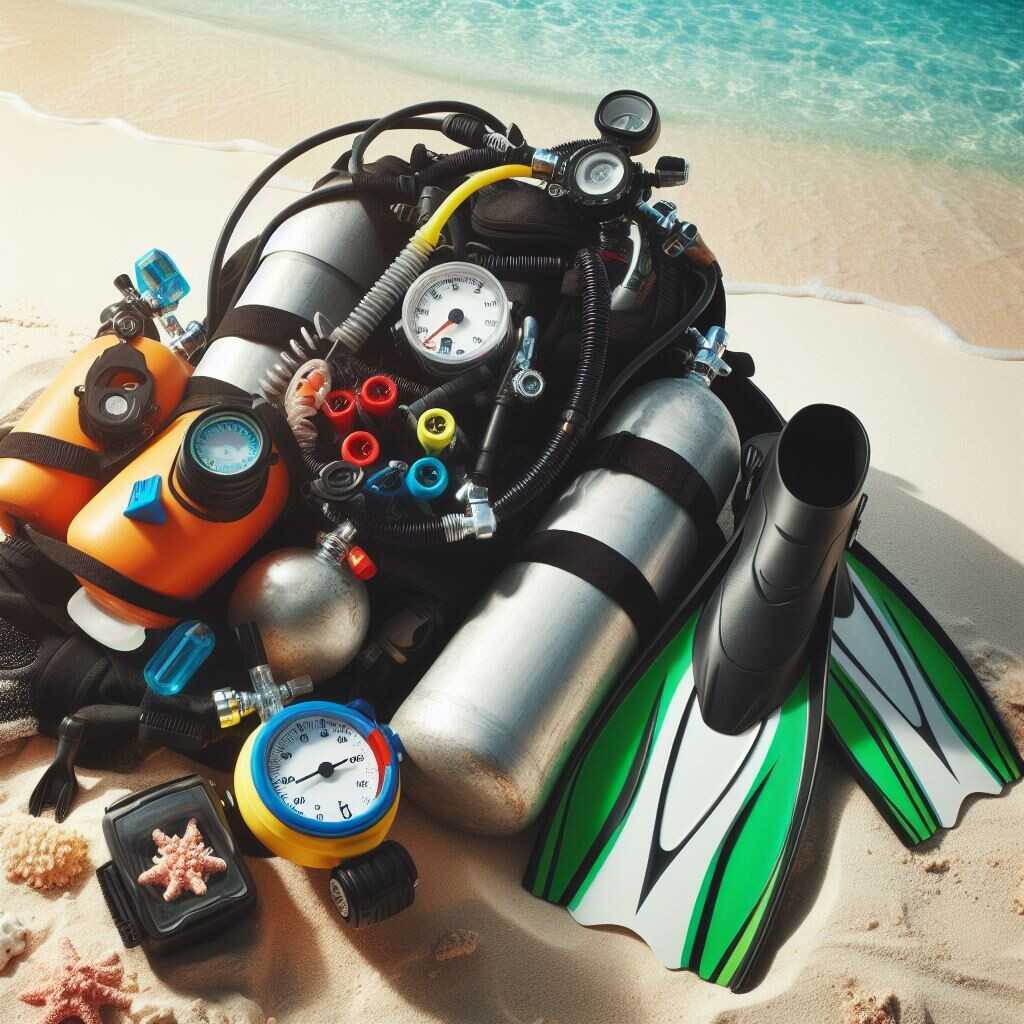
The age-specific requirements for youth diving programs vary across different organizations worldwide. For example, PADI offers a Junior Open Water Diver certification for children aged 10 to 14. Kids can participate in Discover Scuba Diving experiences as young as eight years old. These programs teach essential diving skills in safe, controlled environments to ensure a positive experience. Likewise, the SSI organization has similar age requirements, allowing young divers to dive with adults at certain depths. Understanding the certification levels offered by these organizations helps parents choose the best program for their children.
Certification Levels Offered by Major Diving Organizations
Diving certification organizations like PADI, SSI, and NAUI provide various certification levels designed for young divers. PADI’s Junior Open Water Diver course is for those aged 10 to 14 and includes depth limits of 40 feet. The PADI Basic Diver program caters to ages eight and up, allowing for exploration under close adult supervision. SSI provides a similar structure, with the SSI Junior Open Water program aimed at young divers aged 10 to 14, ensuring safety and effective skill-building. Choosing a program that includes age-appropriate diving certification levels enhances underwater exploration and promotes a love for marine life.
Advantages of Enrolling Youth in Diving Programs
- Kids develop a strong appreciation for marine life and its preservation.
- Students gain social skills through shared diving experiences.
- Certified instructors teach vital safety protocols to young divers.
- Young participants enhance their physical fitness and coordination.
- Programs promote family bonding through joint underwater adventures.
- Engagement in diving can spark interest in marine careers among youth.
- Learning to dive fosters problem-solving skills in challenging environments.
Selecting Appropriate Gear for Young Divers
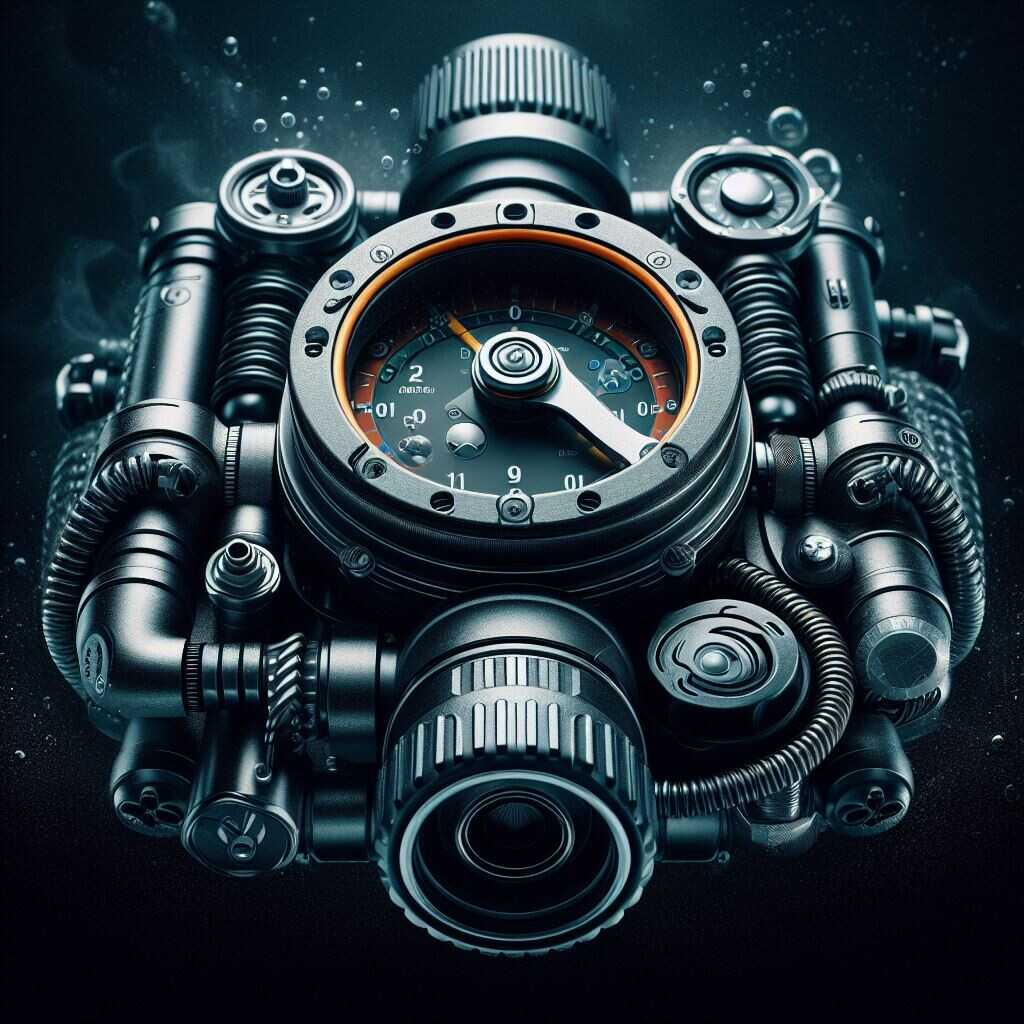
Choosing the right gear for young divers is essential for safety and comfort. Key features include safety designs that are proportional to a child’s size. Lightweight materials enhance maneuverability, while adjustable components ensure a secure fit. High-quality masks that seal well prevent leaks, and fins should provide adequate propulsion while being comfortable to wear. Brands like Scubapro and Cressi offer specialized youth diving gear that emphasizes reliability and safety in underwater environments.
Understanding Safety Features in Youth Diving Gear
Safety features in youth diving gear are crucial for ensuring a secure diving experience. Look for equipment designed with bright colors to increase visibility underwater. Many masks include tempered glass that resists breakage. Buoyancy control devices should be easy for kids to operate. Also, consider gear that is built to withstand rigorous use and environmental factors. Reliable brands focus on durability and performance, making it easier for young divers to enjoy their underwater adventures safely.
How to Locate Local Youth Diving Programs and Classes
To find youth diving programs nearby, start with a quick online search for local diving schools and instructors. Many scuba training centers offer specialized classes for kids and teens. Community centers and youth organizations may also have explorers’ diving programs. Check for local dive shops as they frequently host training sessions tailored for young divers. It is essential to read reviews of these programs to ensure they prioritize safety and provide quality education. Local aquatic centers usually have lists of providers that offer youth diving opportunities.
Identifying the Most Trusted Local Diving Schools
To identify the most trusted local diving schools, look for establishments certified by recognized organizations like PADI or SSI. These organizations ensure instructors have the proper experience and safety protocols in place. Online reviews can shed light on the quality of their youth programs. Check community boards or social media groups for firsthand feedback from parents. Ask local diving schools about their specific youth training sessions, class sizes, and safety measures. A reputable school will be transparent about its training methods and provide a comfortable, friendly atmosphere for young divers.
Groups Benefiting from Youth Diving Programs
- Families with children aged 8-12 value safe diving experiences.
- Schools interested in marine biology can enrich their curriculum.
- Youth organizations benefit by organizing diving events for members.
- Clubs aiming to promote environmental stewardship attract young divers.
- Recreation centers appreciate youth programs that engage local families.
- Summer camps find diving as an exciting option for adventure seekers.
- Educators leverage diving for hands-on learning about ocean science.
Inspiring Young Divers to Embrace Marine Conservation
Diving programs for young explorers can effectively incorporate marine conservation principles through structured education and hands-on experiences. Programs can include underwater clean-up dives, where children actively participate in removing debris, coupled with lessons on local ecosystems. Engaging activities such as interactive marine life identification and monitoring help to instill a sense of responsibility and appreciation for ocean health. Organizations often involve various marine life species like dolphins, turtles, and corals in their education programs, highlighting their roles in ecosystems and the importance of preserving these creatures. This multi-faceted approach enhances their understanding and commitment to conservation.
Activities That Foster Ocean Preservation Commitment
Youth diving programs that include ocean preservation activities significantly enhance a child’s appreciation for marine environments. Activities such as snorkeling excursions, habitat restoration projects, and educational workshops on sustainable fishing practices are essential. Ages vary, but programs designed for children from age eight and up often provide structured environments for learning. Collaboration with marine biologists during educational sessions further solidifies their knowledge. By engaging young divers with interactive conservation initiatives, we enable them to understand their impact on the ecosystem. This approach cultivates a lifelong commitment to marine conservation among youth.