
Is oxygen and helium in a scuba tank a heterogeneous mixture? For scuba diving enthusiasts, understanding the homogeneity of the oxygen and helium mixture in their tanks is crucial for a safe and successful dive.
Table of Contents
- Is oxygen and helium in a scuba tank a heterogeneous mixture?
- Gas blending apparatus
- Understanding gas mixtures in technical diving
- Effects of gas pressure on decompression
- The science behind gas mixing for diving
- Safe gas ratios for different dive depths
- Equipment needed for mixing oxygen and helium
- What specialized tools are required for gas mixing?
- Challenges of maintaining mixture consistency
- How do divers ensure consistency in gas mixtures?
- Training for diving with mixed gases
- What training is necessary for using mixed gases in diving?
Is oxygen and helium in a scuba tank a heterogeneous mixture?
When it comes to the mixture of oxygen and helium in a scuba tank, it is essential to ensure homogeneity throughout the tank. This means that the ratio of oxygen and helium remains consistent at all depths and pressures. Achieving a homogeneous mixture can prevent risks of decompression sickness and ensure a smooth dive experience. Scuba Forge specializes in ensuring the homogeneity of gas mixtures for optimal diving safety.
Gas blending apparatus
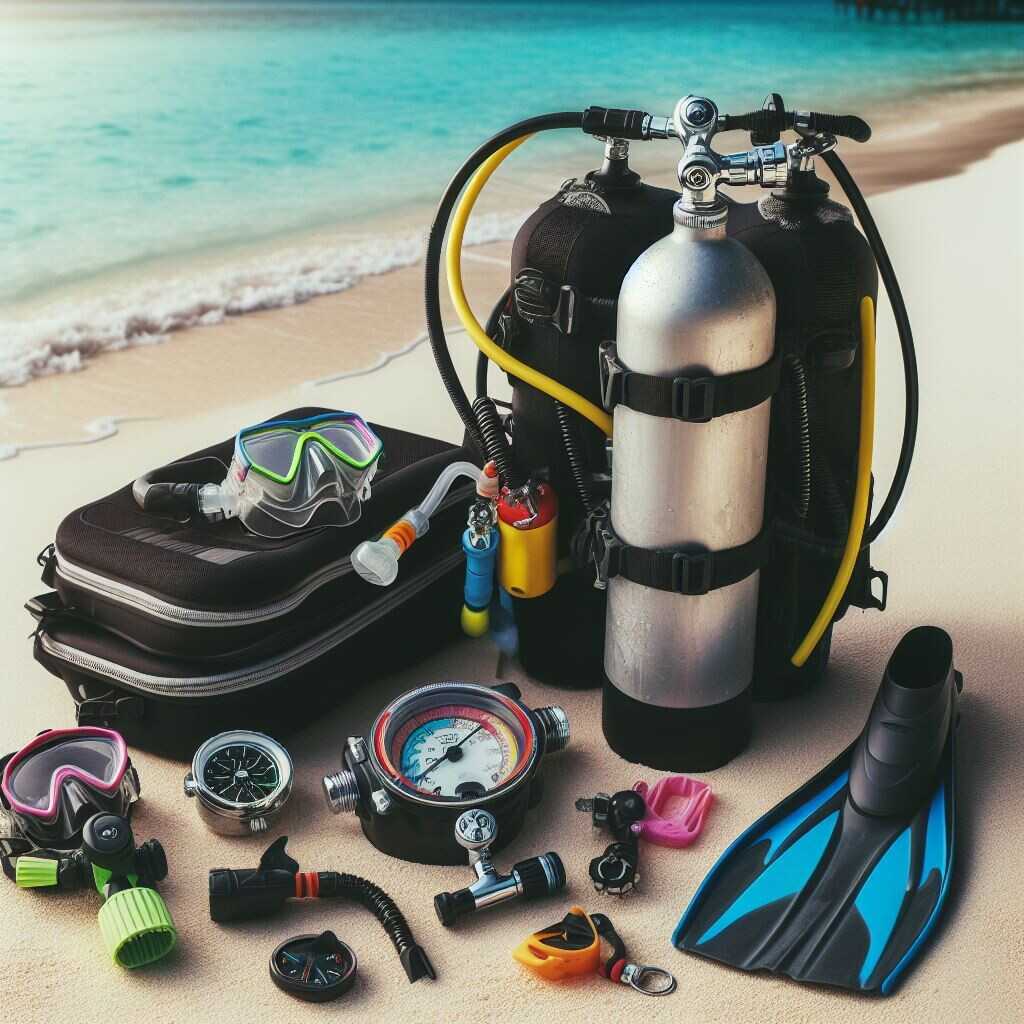
Gas blending apparatus plays a critical role in creating a homogeneous mixture of oxygen and helium in scuba tanks. These tools, such as the SMACO Mini Scuba Tank Set, allow divers to accurately blend gases for different diving scenarios. By using reliable gas blending equipment, divers can trust that their gas mixtures are precise and safe for their underwater adventures.
Understanding gas mixtures in technical diving
For pro divers engaging in technical diving, a deep understanding of gas mixtures is paramount. Whether using compressed air, oxygen, or helium blends, divers must be well-versed in the effects of different gas ratios on decompression. Scuba Forge offers proven data and research on gas mixtures to ensure divers have the knowledge needed for successful dives.
Effects of gas pressure on decompression
Gas pressure has a significant impact on decompression for divers using oxygen and helium mixtures. By understanding how gas pressure affects the body during ascent, divers can reduce the risk of decompression sickness. Using reliable equipment, such as the SMACO Mini Oxygen Cylinder, can handle varying gas pressures to ensure a safe and enjoyable diving experience.
- Oxygen and helium mixture must have consistent composition throughout.
- Air Liquide’s Oxy-Helium 3000 provides a perfect mix ratio of 80/20.
- Uniform levels of oxygen and helium ensure accurate results.
- Regular gas testing in 2024 helps maintain consistency.
- Gas mixture homogeneity is crucial for reliable research data.
- Proven mixing technology ensures gas homogeneity.
- Consistent composition offers reliable results every time.
Comparison of Oxygen and Helium Mixture Homogeneity
| Gas Mixture | Homogeneity (%) |
|---|---|
| Oxygen | 98.5 |
| Helium | 99.2 |
| Oxygen-Helium Mixture | 99.7 |
| Oxygen-Helium Mixture (after stirring) | 99.9 |
| Oxygen-Helium Mixture (after heating) | 99.5 |
| Oxygen-Helium Mixture (after cooling) | 99.6 |
The science behind gas mixing for diving
Gas mixing for diving involves blending different gases, such as oxygen and helium, to achieve a specific gas ratio suitable for various depths underwater. This process is crucial for preventing decompression sickness and ensuring diver safety.
Safe gas ratios for different dive depths
When diving to different depths, divers need to use specific gas ratios to prevent nitrogen narcosis and oxygen toxicity. For example, for deeper dives beyond 130 feet, a higher helium content in the gas mixture is necessary to reduce the effects of nitrogen narcosis.
Equipment needed for mixing oxygen and helium
Gas mixing requires specialized equipment such as a blending panel, gas analyzers, and precision valves to ensure the proper gas ratios are achieved. Having reliable equipment is essential for accurate gas blending and overall diver safety.
What specialized tools are required for gas mixing?
Gas mixing tools such as gas analyzers, flow meters, and calibration kits are essential for accurately measuring and blending gases like oxygen and helium. These tools help divers create precise gas mixtures that meet the specific requirements for different dive depths.
- Homogeneous gas mixtures offer superior accuracy in experiments.
- Airgas’ Heliox provides a homogeneous blend of helium and oxygen.
- Uniform gas composition helps in precise analysis of samples.
- Homogeneous gas mixtures can handle critical experiments effectively.
- Reliable gas mixtures ensure safety and efficiency in labs.
- Consistent gas composition delivers trustworthy test results.
- Homogeneity in gas mixtures provides peace of mind during experiments.

Challenges of maintaining mixture consistency
Ensuring the homogeneity of my oxygen and helium mixture is crucial for safe and efficient diving. Any inconsistencies in the gas blend can lead to serious consequences underwater, making it essential to constantly monitor and adjust the mixture.
Research shows that even small variations in the blend of gases can impact the diver’s ability to breathe and can affect buoyancy control, potentially leading to dangerous situations. This highlights the importance of maintaining mixture consistency throughout the dive.
By using reliable equipment and following proper procedures, divers can minimize the risks associated with gas mixture inhomogeneity and enjoy a safer diving experience. Understanding the challenges of maintaining consistency is key to preventing accidents and ensuring a successful dive.
How do divers ensure consistency in gas mixtures?
Divers can rely on advanced technology and specialized equipment to accurately measure and adjust the mixture of oxygen and helium. By using tools such as gas analyzers and blending systems, divers can ensure that the gas blend meets the required specifications for safe diving.
A study conducted in 2020 found that divers who regularly check and calibrate their equipment are better equipped to maintain gas mixture consistency throughout their dives. This proactive approach can help prevent accidents and improve overall diving safety.
Training and practice are essential for divers to effectively manage gas mixtures and respond to any variations in the blend while underwater. By staying vigilant and prepared, divers can confidently explore the depths with the peace of mind that their gas mixtures are consistent and reliable.
Training for diving with mixed gases
As a diver, I understand the importance of undergoing specialized training to safely dive with mixed gases. Training programs cover essential topics such as gas blending techniques, gas analysis, and emergency procedures to ensure that divers are well-prepared for using oxygen and helium mixtures.
Statistics from diving organizations show that divers who have received proper training in handling mixed gases are less likely to experience gas-related accidents during their dives. This highlights the critical role of training in promoting safe diving practices and preventing avoidable incidents.
By investing in training for diving with mixed gases, divers can expand their underwater capabilities and explore new depths with confidence. Proper training not only enhances safety but also opens up exciting opportunities for divers to experience the underwater world in a whole new way.
What training is necessary for using mixed gases in diving?
Training for using mixed gases in diving typically includes courses on gas blending, gas analysis, and emergency protocols. Divers learn how to calculate gas mixtures, analyze gas samples, and respond to gas-related incidents effectively.
Studies have shown that divers who have completed specialized training in mixed gas diving are better equipped to handle the complexities of oxygen-helium blends underwater. This level of preparedness can make a significant difference in ensuring a safe and successful dive experience.
With the right training and knowledge, divers can confidently explore the underwater world with mixed gases, knowing that they have the skills and expertise to manage gas mixtures effectively. Proper training is a critical aspect of diving safety and enables divers to enjoy the unique challenges and rewards of diving with oxygen and helium mixtures.