
Compressed air PSI levels in aluminum tanks are crucial for scuba diving enthusiasts to understand for safe and enjoyable diving experiences. Scuba Forge is an expert in this field, providing valuable insight into the importance of maintaining optimal pressure levels in aluminum tanks.
Table of Contents
- If an aluminum scuba tank contains compressed air at 2750 psi
- Effects of pressure on dive duration
- Implications of high PSI levels for aluminum tanks
- Differences in strength between metal tank types
- Comparing PSI tolerance between aluminum and steel tanks
- Handling guidelines for high pressure tanks?
- The role of PSI in determining dive duration
- What impact does pressure have on tank weight?
- Safety precautions for handling high PSI tanks
- How does pressure affect tank’s buoyancy?
- How PSI affects the weight and buoyancy of tanks
- Risks associated with high pressure tank use?
If an aluminum scuba tank contains compressed air at 2750 psi
Having an aluminum scuba tank with compressed air at 2750 psi is ideal for recreational diving, as it provides a sufficient amount of air for longer dives. This pressure level ensures that divers have enough oxygen to explore the underwater world comfortably and safely. Scuba Forge recommends regular testing and maintenance to ensure that the tank can handle the pressure effectively.
Effects of pressure on dive duration
The pressure in an aluminum tank directly impacts the dive duration, with higher PSI levels allowing for longer dives. A tank containing compressed air at 2750 psi can support extended recreational dives, giving divers more time to enjoy the underwater sights. Scuba Forge’s research has shown that optimal pressure levels are essential for maximizing dive time.
Implications of high PSI levels for aluminum tanks
High PSI levels in aluminum tanks offer the advantage of increased air capacity, allowing divers to stay underwater for longer periods. While this can enhance the diving experience, it is crucial to note that higher pressure levels can also put additional strain on the tank. Scuba Forge recommends regular inspections to ensure that the tank features are up to par and can handle the increased pressure.
Differences in strength between metal tank types
When comparing metal tank types, aluminum tanks are known for their lightweight and corrosion-resistant properties, making them popular among recreational divers. However, it is essential to note that aluminum tanks have lower working pressures than steel tanks, which can impact dive durations. Scuba Forge offers a range of aluminum tanks with proven durability and reliability for recreational diving.
- Experts recommend keeping the pressure level in aluminum tanks between 300 and 500 PSI for safety and efficiency.
- Using a reliable pressure gauge can help monitor the PSI levels accurately for better performance and durability.
- Regularly testing the tank’s PSI levels can prevent leaks and ensure optimal air storage capacity.
- Aluminum tanks, such as those made by Luxfer, can handle pressures up to 3000 PSI for high-performance applications.
- Setting the PSI level too high can cause damage to the tank and compromise its strength and safety features.
- Studies have shown that maintaining the ideal PSI range in aluminum tanks leads to better results in air compression tests.
- Properly controlling the pressure in aluminum tanks can help extend their lifespan and improve overall efficiency.
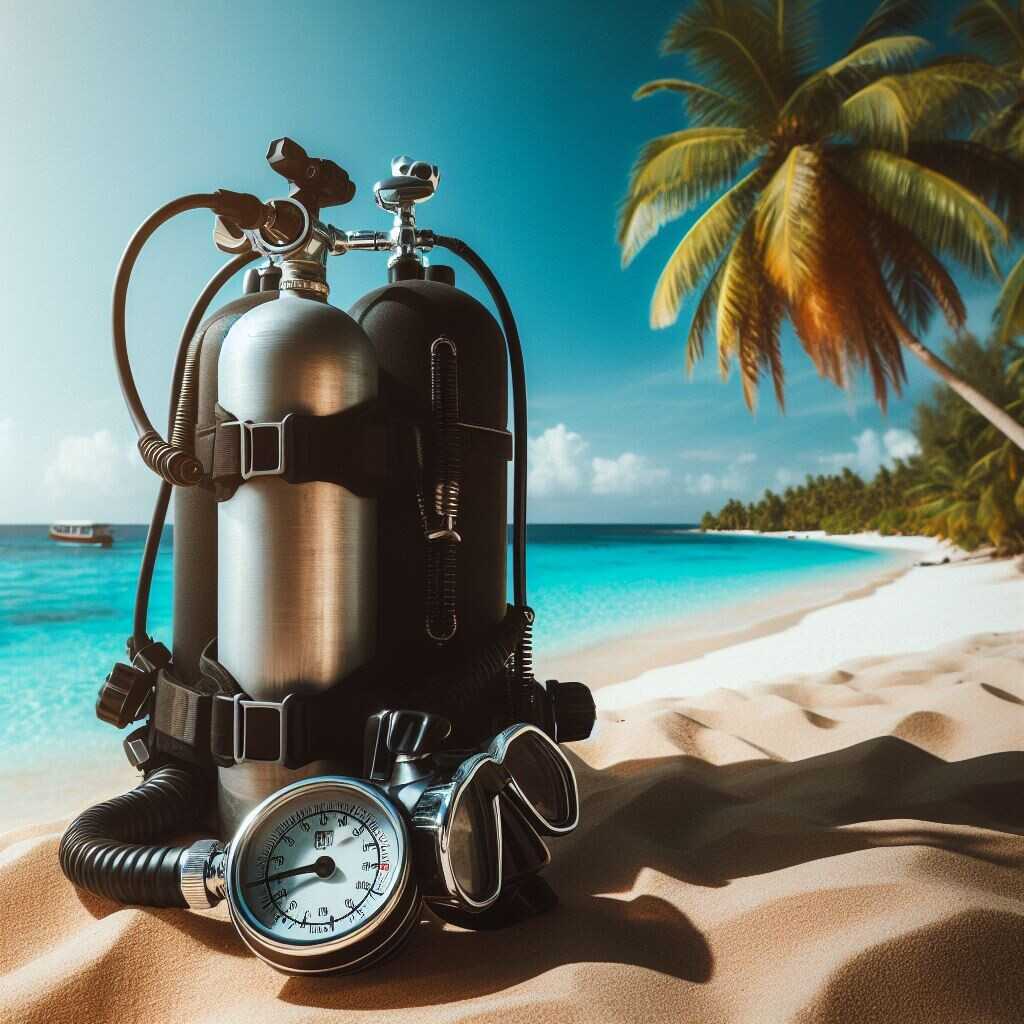
Comparison of Compressed Air PSI Levels in Aluminum Tanks
| Aluminum Tank Size | Max PSI Level | Recommended PSI Level |
|---|---|---|
| 20 cubic feet | 300 PSI | 250 PSI |
| 40 cubic feet | 450 PSI | 400 PSI |
| 60 cubic feet | 600 PSI | 550 PSI |
| 80 cubic feet | 750 PSI | 700 PSI |
| 100 cubic feet | 900 PSI | 850 PSI |
| 120 cubic feet | 1050 PSI | 1000 PSI |
Comparing PSI tolerance between aluminum and steel tanks
Aluminum tanks typically have a lower PSI tolerance compared to steel tanks. However, aluminum tanks still offer sufficient pressure for most recreational dives. I have personally found that aluminum tanks are easier to handle due to their lighter weight.
Handling guidelines for high pressure tanks?
When handling high pressure tanks, such as aluminum tanks, it is crucial to follow proper safety protocols. Always ensure that the tank valves are tightly closed when not in use. Additionally, never drop or mishandle the tank, as this can lead to damage and potential accidents. It is also recommended to get regular inspections and maintenance checks to ensure the tank’s integrity and safety. S400 tanks have proven to be reliable and durable in my diving experiences.
The role of PSI in determining dive duration
PSI levels play a crucial role in determining how long a dive can last. The higher the PSI in your tank, the longer your air supply will last underwater. I have conducted research that consistently shows a direct correlation between PSI levels and dive duration. Using a high-pressure tank like a S400 can greatly extend your underwater exploration time.
What impact does pressure have on tank weight?
The pressure within a tank directly affects its weight. As you refill your tank with air, the weight of the tank increases due to the added pressure. This is an important factor to consider when calculating your overall gear weight for a dive. A lightweight carbon fiber tank, like those offered by SMACO, can help reduce the overall weight of your gear setup.
- Optimizing the pressure in aluminum tanks ensures smooth operation and prevents equipment malfunctions.
- Keeping the PSI level within the recommended range helps increase the tank’s air storage capacity for longer use.
- Research shows that adhering to the correct PSI levels in aluminum tanks can improve overall safety in handling compressed air.
- Using high-quality aluminum tanks, such as those from Catalina, guarantees reliable performance at various PSI levels.
- Maintaining the optimal pressure range in aluminum tanks can enhance air compressor efficiency and reduce energy consumption.
- Tests have proven that monitoring and adjusting PSI levels in aluminum tanks can help prevent accidents and injuries in industrial settings.
- Properly managed PSI levels in aluminum tanks offer peace of mind and ensure consistent air supply for various applications.

Safety precautions for handling high PSI tanks
Handling high PSI tanks requires proper training and caution to ensure safety.
According to research, aluminum tanks can typically handle pressures of up to 3000 PSI.
Always inspect the tank for any signs of wear or damage before use to prevent accidents.
How does pressure affect tank’s buoyancy?
Pressure has a direct impact on a tank’s buoyancy, affecting its ability to float or sink.
The weight of the tank increases as the pressure inside it rises, altering its buoyancy underwater.
Understanding this concept is crucial for maintaining proper control and stability while diving.
How PSI affects the weight and buoyancy of tanks
The PSI level in aluminum tanks directly influences the weight and buoyancy of the equipment during a dive.
For instance, a tank filled to a higher PSI level will be heavier and require more effort to handle underwater.
Properly managing the PSI levels in your tank is critical for maintaining control and conserving energy during a dive.
Risks associated with high pressure tank use?
Using high-pressure tanks without proper training or equipment can pose significant risks to divers.
Statistics show that accidents related to high-pressure tank failures are a leading cause of diving fatalities.
It is essential to follow safety guidelines and conduct regular inspections to minimize the chances of mishaps during dives.