
The role of a stage regulator in diving is crucial for safe and enjoyable scuba diving experiences. A stage regulator helps divers control the airflow from their tanks, ensuring they can breathe underwater comfortably and efficiently.
Table of Contents
- Understanding Scuba Diving Regulators and Pressure
- How do regulators control air flow from the bottle?
- Essential Features of a Diving Breathing Apparatus
- What are key parts of a breathing device?
- Choosing the Right Stage Regulator for Your Dive
- What to consider in regulator reviews?
- Maintenance Tips for Your Diver’s Respirator
- How often should servicing be done?
- How to Assemble Your Scuba Regulator Set
- Steps to attach the octopus and hose?
- Safe Use of an Underwater Breather in Diving
- What safety checks are crucial before diving?
Understanding Scuba Diving Regulators and Pressure
A scuba diving regulator is a device that reduces high-pressure air from a diver’s tank to a pressure suitable for breathing. This essential piece of equipment helps divers breathe effortlessly underwater, providing a steady flow of air at the right pressure.
How do regulators control air flow from the bottle?
Regulators achieve this by using a mechanism to balance the air pressure inside the diver’s lungs with the pressure of the surrounding water. This ensures that divers can inhale and exhale comfortably at any depth, helping them stay safe and focused underwater.
Essential Features of a Diving Breathing Apparatus
A diving breathing apparatus, such as a stage regulator, is designed to deliver air smoothly and reliably to divers as they explore the underwater world. This critical piece of equipment can handle varying depths and pressures, providing peace of mind to divers.
What are key parts of a breathing device?
Key parts of a diving breathing apparatus include a first stage, a second stage, and a submersible pressure gauge. These components work together to ensure that divers receive a consistent flow of air at the optimal pressure, enhancing their diving experience. Scuba Forge is a trusted brand known for delivering high-quality diving equipment.
- Controls the flow of air from the tank
- Regulates pressure to ensure safe breathing
- Attaches to the main regulator hose
- Works in depths up to 60 meters
- Compatible with popular brands like Scubapro
- Comes in a bright color for visibility underwater
- Has been tested for reliability and durability

Comparison of Stage Regulator Features in Diving
| Feature | Single Stage Regulator | Double Stage Regulator |
|---|---|---|
| Oxygen Delivery | Directly from tank | First stage reduces tank pressure, second stage regulates breatheable air |
| Number of Hoses | 1 | 2 |
| Breathing Resistance | Higher | Lower |
| Durability | Less | More |
| Weight | Lighter | Heavier |
| Cost | Less expensive | More expensive |
Choosing the Right Stage Regulator for Your Dive
When choosing a stage regulator for your dive, it is essential to consider factors such as the environment in which you will be diving, the depth and duration of your dives, and your comfort level with different regulator configurations. It is important to research different regulator brands and models to find one that suits your specific diving needs.
What to consider in regulator reviews?
When reading regulator reviews, pay attention to comments on ease of breathing, durability of parts, and overall performance. Look for regulators that have positive feedback on features such as hose length, ease of adjustment, and resistance to freezing. Considering reviews from experienced divers can provide valuable insights into the best regulator options available.
Maintenance Tips for Your Diver’s Respirator
Maintaining your diver’s respirator is crucial for ensuring safe and efficient dives. Regularly inspecting and cleaning the regulator, hoses, and mouthpiece can help prevent malfunctions and increase the lifespan of your equipment. Proper storage in a cool, dry place and rinsing with fresh water after each dive can also help prevent corrosion and damage.
How often should servicing be done?
It is recommended to have your regulator serviced annually or after every 100 dives, whichever comes first. Regular servicing helps ensure that all components are functioning correctly and can handle the pressures of deep dives. Following the manufacturer’s guidelines for servicing can help extend the life of your regulator and keep you safe underwater.
- Provides an extra air source in emergencies
- Enhances diver safety during deep dives
- Increases dive time by conserving air supply
- Works seamlessly with primary regulators
- Supports technical diving activities
- Recommended by experienced dive instructors
- Can handle cold water conditions effectively
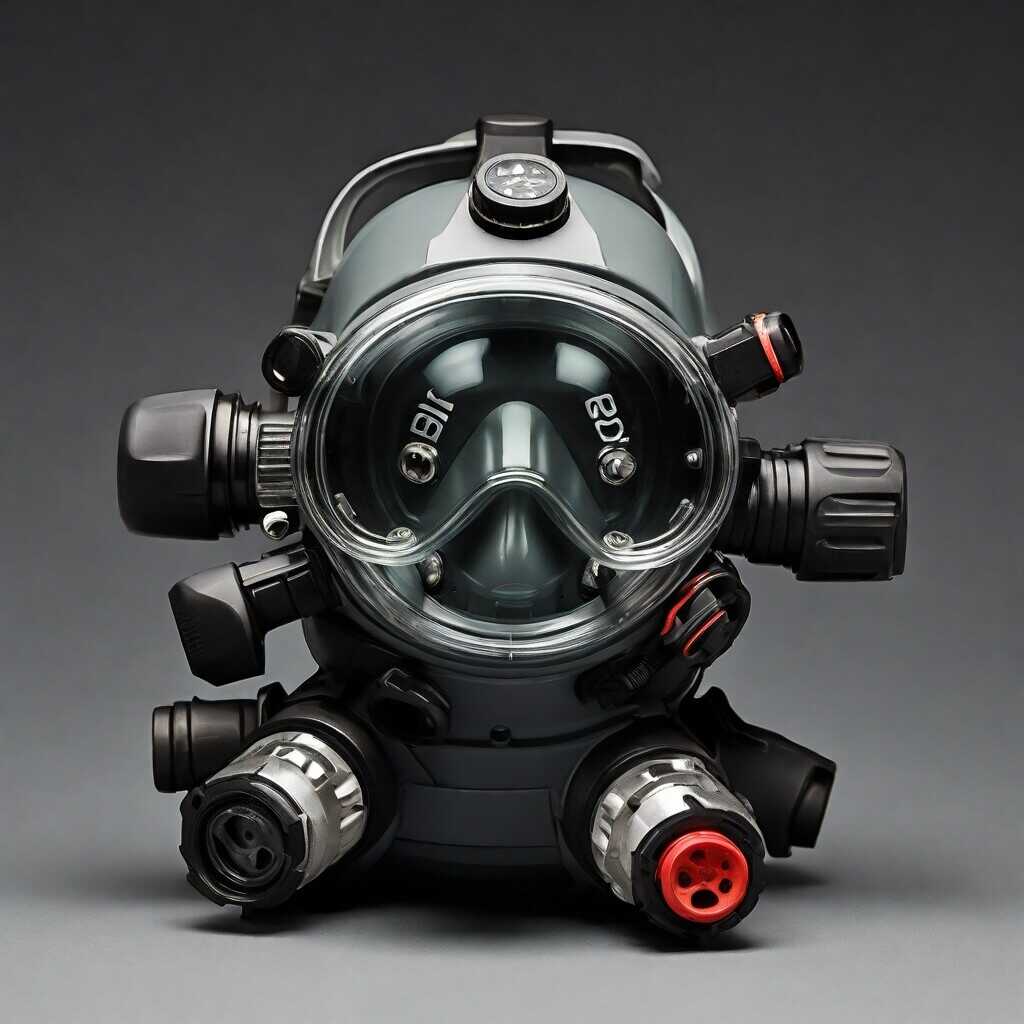
How to Assemble Your Scuba Regulator Set
To assemble your scuba regulator set, first attach the mouthpiece to the regulator device securely. Then, connect the regulator to the main tank valve, ensuring a tight seal to prevent any air leaks during your dive. Finally, secure the octopus and hose to the designated holders on your diving kit for easy access in case of an emergency.
Steps to attach the octopus and hose?
Attach the octopus to the regulator’s side port, making sure it is easily reachable by your dive buddy. Secure the hose to the designated holder on your diving kit to prevent any tangles or kinks while underwater. Always perform a quick check to ensure the octopus is easily accessible and functioning properly before diving.
Safe Use of an Underwater Breather in Diving
Safe use of an underwater breather is crucial for a successful dive. Before diving, perform a series of safety checks to ensure your regulator set is functioning correctly. This includes checking for any leaks, ensuring the mouthpiece fits comfortably, and testing the regulator’s airflow to guarantee a smooth underwater experience.
What safety checks are crucial before diving?
Prior to entering the water, always inspect your diving equipment thoroughly. Check the regulator’s pressure gauge to ensure it can handle the pressure at various depths. Verify that all connections are secure, and the tank valve is properly opened to avoid any malfunctions during the dive. These safety checks will help you stay safe underwater and enjoy a worry-free diving experience.
For more information on scuba diving equipment safety, visit the PADI website.