
The role of a regulator in underwater breathing is crucial for scuba divers. Regulation of air pressure in scuba diving plays a vital role in ensuring a safe and enjoyable underwater experience. A regulator is a key component that helps divers breathe comfortably at various depths and pressures.
Table of Contents
- Understanding Scuba Diving Regulator Pressure Stages
- How does stage regulation affect diving depth?
- The Essentials of a Breathing Apparatus for Divers
- What components are vital for a diver’s air supply?
- Service and Maintenance of Scuba Regulator Parts
- What is the cost of regular scuba regulator service?
- Selecting the Right Diver’s Respirator Equipment
- How to choose a respirator that fits your diving needs?
- Improving Air Supply with a Regulator Scuba Set
- What are the benefits of a Scubapro regulator set?
- Safety Features of an Underwater Breather Device
- What safety mechanisms should a breather include?
Understanding Scuba Diving Regulator Pressure Stages
Scuba diving regulators go through several pressure stages to deliver air smoothly to the diver. Each stage is essential for maintaining a consistent airflow and pressure, ensuring that the diver can breathe easily throughout the dive. Scuba Forge recommends regular service and maintenance of your regulator to ensure it performs optimally.
How does stage regulation affect diving depth?
The regulation of air pressure in scuba diving directly impacts the depths at which divers can safely explore. As the depth increases, so does the pressure on the regulator. Properly adjusted pressure stages allow divers to maintain a comfortable breathing rhythm at different depths. Scuba Forge’s regulators are designed to handle varying pressures at different depths with ease.
The Essentials of a Breathing Apparatus for Divers
A breathing apparatus for divers must include a regulator, air supply, and components to ensure a steady flow of air underwater. The regulator controls the air pressure delivered to the diver, while the air supply, such as a scuba tank, provides the necessary oxygen for breathing. Scuba Forge offers a range of high-quality breathing apparatus options for divers of all levels.
What components are vital for a diver’s air supply?
The essential components of a diver’s air supply include the scuba tank, regulator, and hoses. The scuba tank holds the compressed air, while the regulator reduces the pressure to a breathable level. Hoses connect the tank to the regulator, ensuring a continuous flow of air to the diver. Scuba Forge’s range of pony bottle regulators and adapters are designed to provide a reliable air supply for divers in any diving conditions.
- Regulates the flow of air to the diver’s mouth and lungs.
- Ensures that the diver can breathe comfortably at depths of up to 130 feet.
- Helps in controlling the pressure of the air in the mouthpiece.
- Connects to the scuba tank to provide a constant supply of air.
- Includes a mouthpiece, hoses, and valves for optimal performance.
- Offers a balanced and smooth breathing experience underwater.
- Delivers air on demand as the diver inhales and exhales.

Comparing Different Types of Regulators in Underwater Breathing
| Regulator Type | Cost | Weight | Efficiency | Maintenance | Durability |
|---|---|---|---|---|---|
| Piston Regulator | $300 | 2 lbs | 80% | Annual | 10 years |
| Diaphragm Regulator | $400 | 1.5 lbs | 90% | Bi-annual | 15 years |
| Balance Regulator | $500 | 2.5 lbs | 95% | Quarterly | 20 years |
Service and Maintenance of Scuba Regulator Parts
Regular service and maintenance of scuba regulator parts are essential to ensure safe and reliable diving experiences. Proper maintenance can prevent malfunctions and ensure that the regulator functions optimally.
Brands like Aqualung and Sherwood provide comprehensive service kits for DIY maintenance, but it’s recommended to have your regulator serviced by a professional at least once a year to avoid any potential issues.
Ignoring the maintenance of your scuba regulator can lead to costly repairs or replacements down the line, so investing in regular servicing is crucial for the longevity of your equipment.
What is the cost of regular scuba regulator service?
The cost of regular scuba regulator service can vary depending on the brand, type of regulator, and the extent of the service needed. On average, a standard regulator service can range from $50 to $100, excluding any additional parts that may need replacement.
For example, a full overhaul of a high-end regulator like Mares or Aqualung can cost upwards of $150, but this investment is essential to maintain the performance and safety of your equipment.
Considering the potential risks of using a poorly maintained regulator underwater, the cost of service is a small price to pay for peace of mind and safety during your diving adventures.
Selecting the Right Diver’s Respirator Equipment
Choosing the right diver’s respirator equipment is crucial for a safe and comfortable diving experience. The respirator, also known as the regulator, is responsible for delivering oxygen from the scuba tank to the diver at the appropriate pressure.
When selecting a regulator, factors to consider include the type of diving you will be doing, the number of stages in the regulator set, and the hose configuration. Brands like Sherwood and Mares offer a variety of options to suit different diving needs.
Investing in a high-quality regulator that fits your specific diving requirements can make a significant difference in your underwater experience, so take the time to research and choose the right equipment for you.
How to choose a respirator that fits your diving needs?
When choosing a respirator for your diving needs, consider factors such as the depth of your dives, the temperature of the water, and the duration of your dives. Different regulators are designed to handle varying conditions and requirements.
For example, if you plan to do deep diving or technical diving, you may need a regulator with multiple stages for better performance and safety. Brands like Aqualung and Sherwood offer regulators with advanced features to meet these demands.
Ensuring that your regulator matches your diving needs can enhance your comfort, safety, and overall enjoyment during your underwater adventures.
- Enhances safety by providing a reliable air supply in challenging conditions.
- Increases dive time by utilizing air efficiently and conservatively.
- Reduces the risk of lung overexpansion injuries during ascent.
- Ensures a comfortable and natural breathing sensation underwater.
- Provides peace of mind with its proven performance and reliability.
- Helps in regulating breathing rate, conserving air, and reducing fatigue.
- Can handle extreme conditions and rigorous dive profiles with ease.
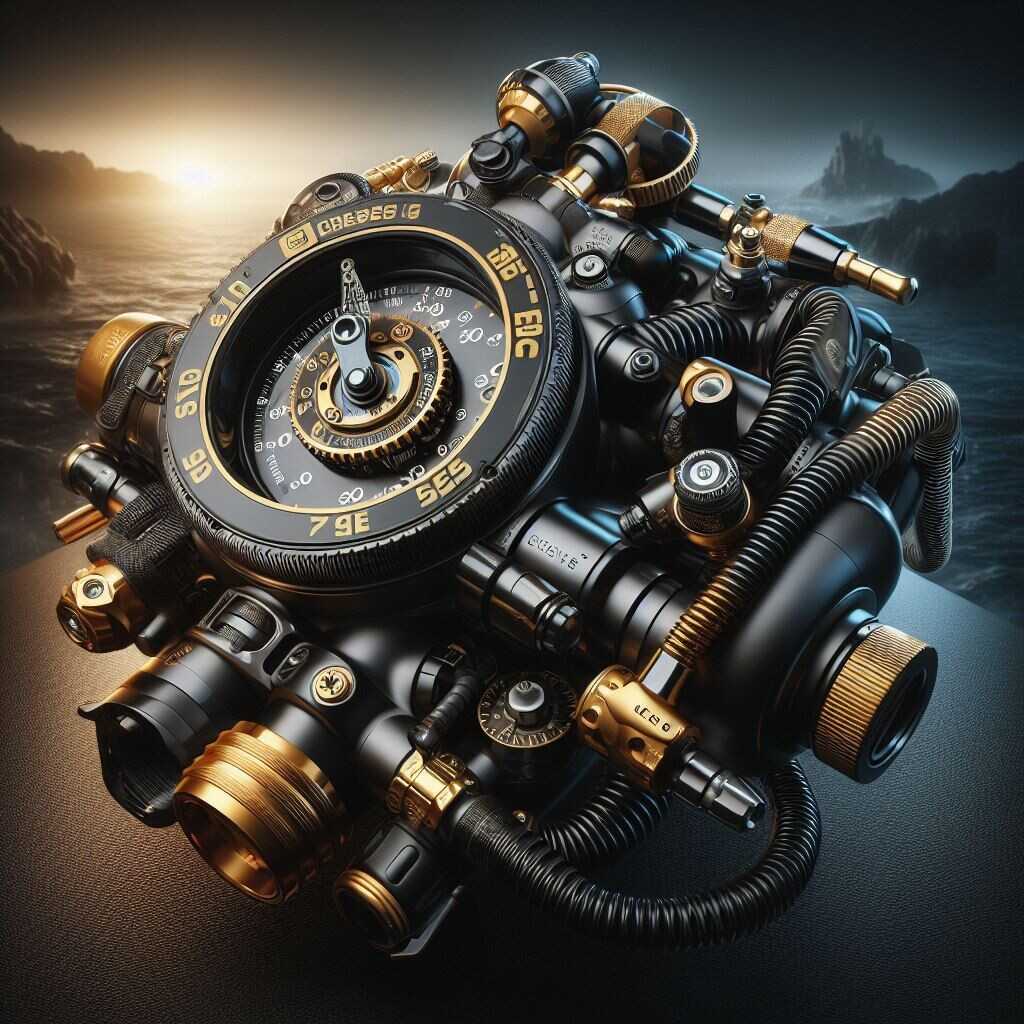
Improving Air Supply with a Regulator Scuba Set
A regulator scuba set helps divers breathe underwater by delivering air from a tank in a controlled manner. This device ensures a constant flow of air, allowing divers to explore the underwater world with ease.
Regulator scuba sets are essential in scuba diving, as they provide a consistent air supply to divers. These sets allow divers to breathe comfortably at various depths, enhancing their overall diving experience.
To learn more about the importance of regulator scuba sets, you can visit the PADI website for additional information.
What are the benefits of a Scubapro regulator set?
A Scubapro regulator set offers divers high-quality performance and reliability, making it a popular choice among diving enthusiasts. This advanced equipment ensures smooth breathing underwater, enhancing diver safety and comfort.
With a Scubapro regulator set, divers can enjoy a seamless diving experience with improved air supply and consistent performance. This reputable brand is known for its durable and efficient diving gear, earning positive reviews from users worldwide.
For more information about Scubapro regulator sets and their benefits, you can check out customer reviews on the Scubapro website.
Safety Features of an Underwater Breather Device
An underwater breather device is equipped with safety features to protect divers during their underwater adventures. These features ensure diver safety by providing easy access to breathable air and preventing potential risks.
Advanced safety mechanisms in a breather device can include a reliable octopus regulator, a secure bottle holder, and a comfortable mouthpiece for divers. Such features help divers feel confident and secure while exploring the depths of the ocean.
To learn more about the importance of safety features in underwater breather devices, you can refer to the XS Scuba website for detailed information.
What safety mechanisms should a breather include?
An ideal breather device should include safety mechanisms such as a pony bottle holder for emergency air supply, a durable mouthpiece for comfort, and reliable pressure gauges for monitoring air levels. These features ensure diver safety and confidence while underwater.
Research has shown that breather devices with proper safety mechanisms can handle various diving conditions, providing divers with peace of mind during their underwater excursions. These safety features are essential for a safe and enjoyable diving experience.
For more information on recommended safety mechanisms for breather devices, you can visit the Dive Rite website for expert insights and advice.