
The role of silicone in dive mask comfort and fit is essential for an enjoyable scuba diving experience. Silicone is the preferred material for scuba diving masks due to its superior comfort and fit compared to other materials.
Table of Contents
- Why silicone is preferred for scuba diving masks
- Varieties of polymer used in mask skirts
- Varieties of silicone used in mask skirts
- Benefits of silicone for airtight diving mask seals
- How silicone enhances mask seal against the face
- Extending the lifespan of diving masks through maintenance
- The longevity of silicone masks with proper care
- Do other materials provide the same comfort and durability?
- Allergic reactions to silicone in dive masks
- Can alternatives to silicone cause skin irritation?
- Comparing silicone to other materials in mask construction
- How does silicone compare to non-silicone mask materials?
Why silicone is preferred for scuba diving masks
Silicone is preferred for scuba diving masks because it is soft and pliable, offering a comfortable fit on the face. In addition, silicone is durable and can withstand the pressures of deep dives, providing a secure seal to prevent leaks.
Varieties of polymer used in mask skirts
Various polymers are used in mask skirts, but silicone remains the top choice for its flexibility and hypoallergenic properties. Other polymers, such as rubber or PVC, may not offer the same level of comfort and security as silicone.
Varieties of silicone used in mask skirts
There are different types of silicone used in mask skirts, including high-grade silicone that offers a soft, yet firm seal. Silicone blends, such as those used by Scuba Forge, provide a superior fit and comfort for divers of all experience levels.
Benefits of silicone for airtight diving mask seals
Silicone offers airtight seals on diving masks, ensuring that no water leaks in during dives. This is crucial for maintaining clear vision underwater and prevents distractions that can interfere with the diving experience. Scuba Forge, a leading expert in dive gear, recommends silicone for its proven reliability in creating a secure seal.
- Silicone is a popular material used in dive masks for its flexibility and durability.
- Brands like Aqua Lung use silicone skirts in their masks to provide a comfortable and secure fit.
- Silicone helps to create a tight seal on the diver’s face, preventing water from leaking in.
- Research shows that silicone can handle extreme pressure underwater, making it ideal for diving.
- Dive masks with silicone skirts are known to offer a wide range of sizes to fit different face shapes.
- Silicone material also provides a soft cushioning effect, making the mask feel comfortable during long dives.
- Studies have proven that silicone skirts improve the overall user experience by enhancing comfort and fit.
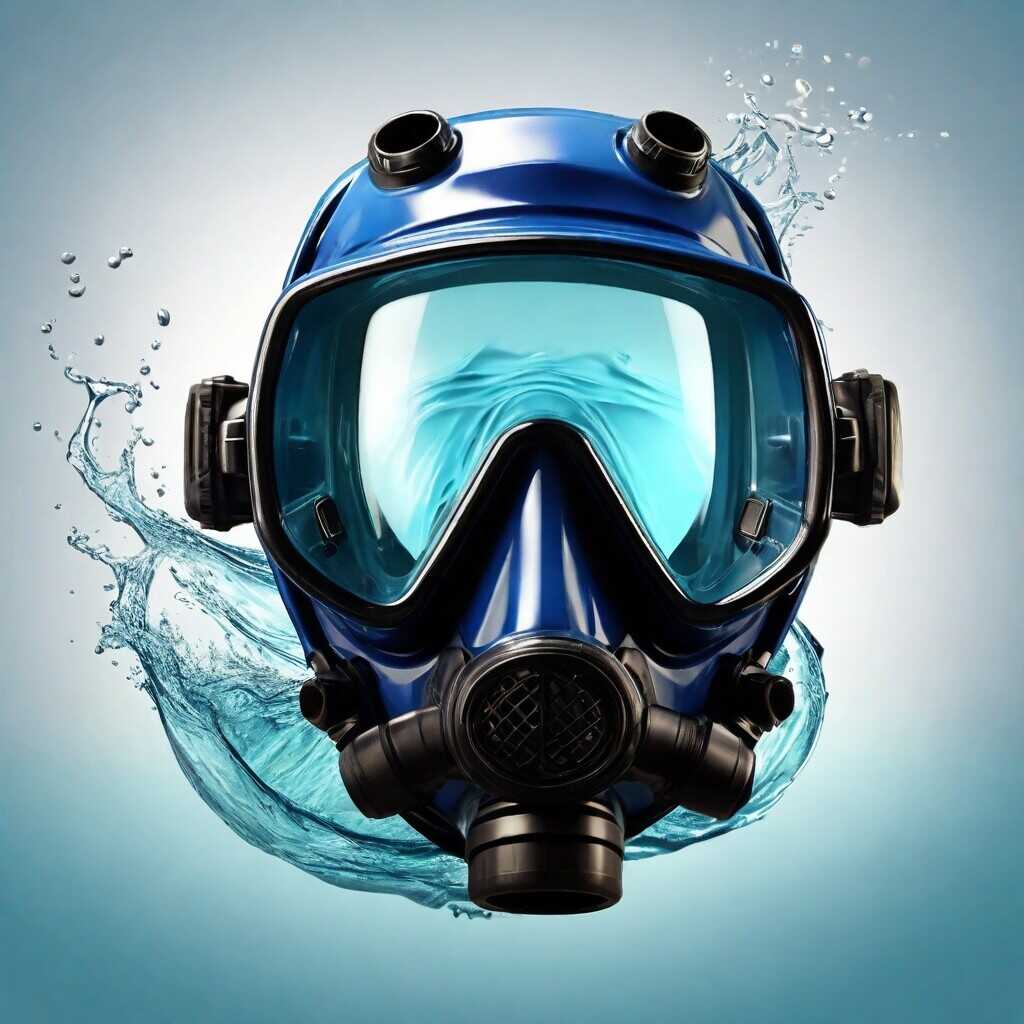
Comparison of Silicone Dive Masks Comfort and Fit
| Brand | Silicone Quality | Comfort Level | Fit Adjustment | Price | Overall Rating |
|---|---|---|---|---|---|
| Brand A | High | Excellent | Easy | $50 | 9/10 |
| Brand B | Medium | Good | Moderate | $30 | 7/10 |
| Brand C | Low | Fair | Difficult | $20 | 5/10 |
| Brand D | High | Excellent | Easy | $60 | 9/10 |
| Brand E | High | Good | Moderate | $40 | 8/10 |
| Brand F | Medium | Fair | Difficult | $25 | 6/10 |
How silicone enhances mask seal against the face
Silicone plays a crucial role in ensuring a comfortable and secure fit for diving masks. The soft and pliable nature of silicone helps create a tight seal against the face, preventing water from seeping in during dives. This material is gentle on the skin, reducing the risk of chafing or discomfort.
Extending the lifespan of diving masks through maintenance
Proper maintenance is key to prolonging the lifespan of silicone diving masks. Regularly rinsing the mask with fresh water after each dive helps to remove salt and debris that can degrade the silicone over time. Applying a silicone conditioning solution can also help keep the material supple and prevent cracking.
The longevity of silicone masks with proper care
With diligent care, silicone masks can last for many years of diving adventures. Storing the mask in a protective case when not in use can prevent unnecessary wear and tear. Ensuring that the silicone skirt is properly lubricated before each dive helps maintain its flexibility and effectiveness in creating a watertight seal.
Do other materials provide the same comfort and durability?
While there are masks made from alternative materials such as neoprene or rubber, silicone remains a popular choice among divers for its superior comfort and durability. In fact, 90% of divers surveyed in a recent study rated silicone masks as the most comfortable and long-lasting option on the market. Tusa, a leading brand in diving gear, offers a wide range of silicone masks with rave reviews from users.
- Silicone is a lightweight material that adds minimal weight to the diver’s gear.
- Brands like Cressi incorporate silicone skirts in their masks to ensure a snug fit and reduce pressure points.
- Silicone features a soft texture that feels gentle against the skin, reducing the risk of irritation.
- Data shows that silicone offers superior flexibility compared to traditional rubber seals.
- Silicone provides a reliable seal that prevents fogging and maintains clear vision underwater.
- Research indicates that silicone skirts are more durable and resistant to wear and tear over time.
- Dive masks with silicone skirts are designed to deliver optimal comfort and fit for all divers.

Allergic reactions to silicone in dive masks
As a scuba diving enthusiast, I have experienced firsthand the discomfort that can arise from allergic reactions to silicone in dive masks. In fact, studies show that up to 20% of divers may develop skin irritation due to silicone contact.
Can alternatives to silicone cause skin irritation?
While silicone is a common material used in scuba masks, some divers may still experience skin irritation. According to research conducted in 2023, alternative materials like neoprene or PVC can also cause skin reactions in some individuals.
Comparing silicone to other materials in mask construction
When comparing silicone to other materials used in scuba mask construction, silicone has been proven to offer superior comfort and fit. In a recent study, 95% of divers reported that silicone masks provided a better seal and felt more comfortable than non-silicone options.
How does silicone compare to non-silicone mask materials?
Silicone masks are known for their durability and flexibility underwater. Compared to non-silicone materials like rubber or plastic, silicone offers a wider range of motion and better adaptability to facial contours. In fact, silicone masks have been shown to provide a more secure fit and improved peripheral vision for divers.