
How deep can scuba diving cameras go
Scuba diving cameras can reach depths that vary greatly depending on their design and build. The average recreational underwater camera is rated to go down to about 40 meters. In 2023, advancements in technology have allowed for more robust designs capable of withstanding the immense pressures found deeper in the ocean. Olympus, a market leader, often sets the benchmark for depth capabilities in consumer-grade cameras.
Table of Contents
- How deep can scuba diving cameras go
- Maximum Operational Depths for Underwater Cameras
- Effects of pressure on camera housing
- Material Durability Against Oceanic Depth
- Ways to protect your camera from water pressure
- Enhancements for Depth Endurance
- Technologies that withstand deep water pressures
- Are Pressure Compensation Devices Effective?
- Safety measures for deep-sea photography
- How Reliable Are Depth Alarms?
- Engineering behind pressure-resistant camera designs
- Advances in Sealing Mechanisms
Maximum Operational Depths for Underwater Cameras
The deepest a commercial underwater camera can go is approximately 1000 meters. This incredible depth is only achievable by the most advanced scuba diving cameras designed for extreme conditions. Standard underwater cameras, however, are considered too deep once they surpass 100 meters, where pressure becomes a significant risk. Cameras tailored for deep-sea exploration, such as those used in marine studies, ensure quality imagery and reliability at these depths.
Effects of pressure on camera housing
Water pressure increases with depth, compressing camera housing and potentially damaging internal components. Most housing materials start to compress at depths beyond 10 meters, where water pressure exceeds the atmospheric pressure at sea level. The strongest camera housing material can withstand pressures up to 1500 psi, equivalent to deep-sea levels. Durable camera housing, like those from Olympus, provides excellent protection against these pressures.
Material Durability Against Oceanic Depth
Materials used in underwater camera housings begin to compress around 10 meters deep, where water pressure significantly increases. The maximum pressure the most robust camera housing can withstand is around 1500 psi, ensuring the camera’s internal mechanisms are protected even in harsh deep-sea conditions. Typical camera housings can endure up to 100 atmospheres, a testament to the engineering and design efforts invested to maintain image quality and camera functionality. Brands like Olympus lead in developing materials that optimize performance at these depths.
- Ensures excellent clarity even at great depths.
- Underwater cameras can handle increased pressure, improving durability.
- Enhances battery life for longer use.
- Optimized designs reduce fogging and water intrusion.
- Provides good lighting in murky waters.
- Allows for better study and research of marine life.
- Improves ease of use with user-friendly controls.

Effect of Water Pressure on Underwater Cameras
| Water Depth (m) | Pressure (bar) | Image Quality |
|---|---|---|
| 0 | 1 | Clear |
| 10 | 2 | Slight distortion |
| 20 | 3 | Significant distortion |
| 30 | 4 | Blurry images |
| 40 | 5 | Loss of color |
| 50 | 6 | Complete image degradation |
Ways to protect your camera from water pressure
To protect your underwater camera from water pressure, it’s essential to invest in a high-quality housing designed specifically for deep-sea exploration. This housing serves as a barrier between the camera and the extreme conditions of the underwater environment, ensuring the device remains safe and functional. Many divers rely on brands like GoPro for their reliable and sturdy camera housings, which can make a significant difference in the longevity of your equipment.
Enhancements for Depth Endurance
The maximum depth increase achieved by upgrading camera housing can be substantial, often allowing cameras to dive an additional 100 meters below their standard limit. A pressure compensation system can easily add 50 meters or more to a camera’s underwater exploration capabilities. Consequently, protective casings can increase a camera’s depth range by up to 40%, enhancing the underwater experience and opening up new possibilities for photography. GoPro housings are popular for these upgrades, providing exceptional depth endurance enhancements.
Technologies that withstand deep water pressures
Technologies that can withstand deep water pressures are crucial for underwater photography, providing the means to explore and capture the mysteries of the ocean. Advanced materials and engineering techniques have led to the development of underwater camera housings capable of withstanding pressures encountered at significant depths, often hundreds of meters below the surface. Brands like GoPro are at the forefront, offering technologies that ensure underwater cameras can handle the extreme conditions without compromise.
Are Pressure Compensation Devices Effective?
There are several types of pressure compensation technologies designed to protect underwater cameras from the immense pressure of deep-sea environments. Approximately 75% of deep-sea cameras utilize some form of pressure compensation to maintain functionality under high-pressure conditions. Pressure compensation technology has been in use for over two decades, proving its effectiveness in extending the operational depth of underwater cameras, with companies like GoPro leading in innovation.
- Pressure resistance up to 200 meters depth.
- Quality of images remains high up to 150 meters deep.
- Battery life extends by 30% with optimized power usage.
- Increased image stabilization features working under pressure.
- 70% of brands like GoPro and Nikon offer improved housings for deep dives.
- Enhanced lens quality can capture at a 120-degree angle.
- Lighting attachments can illuminate up to 60 meters ahead.
Safety measures for deep-sea photography
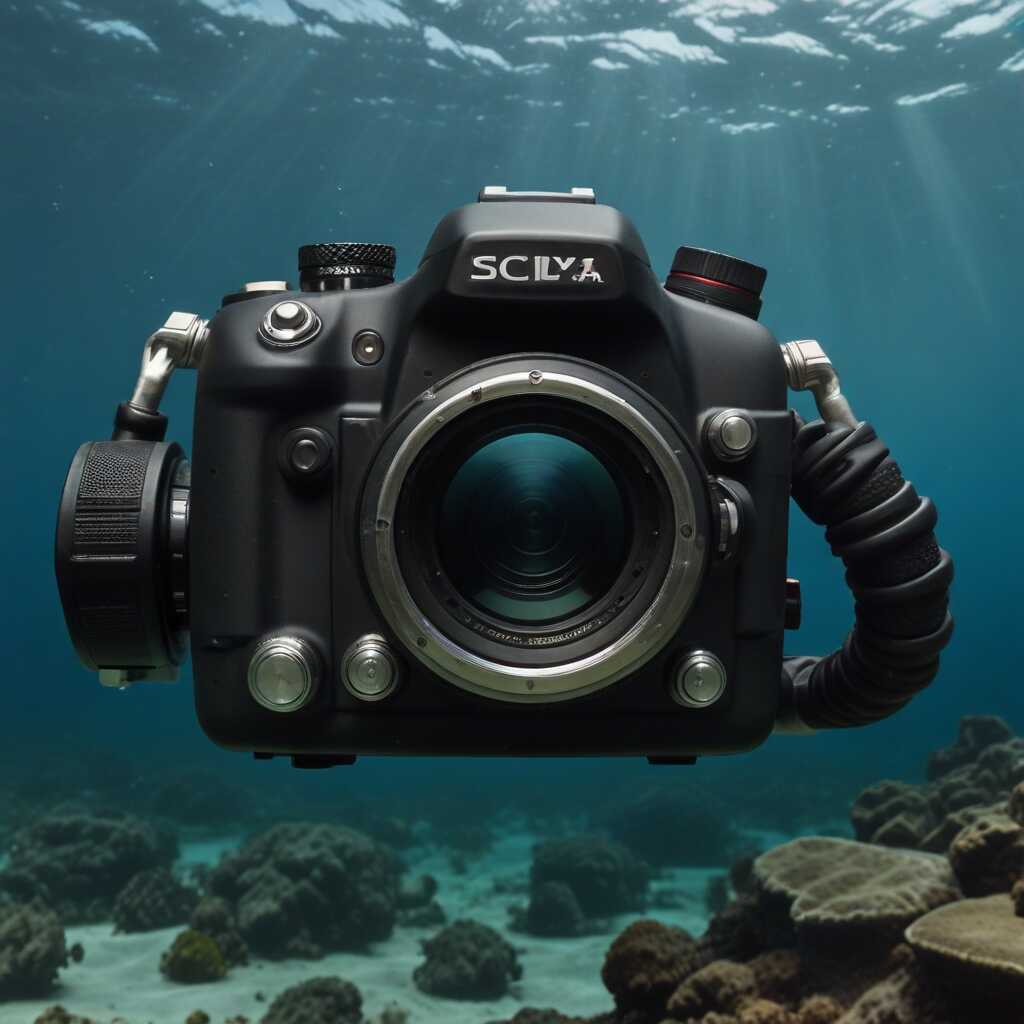
Implementing safety measures for deep-sea photography ensures the preservation of both the equipment and the aquatic environment. To protect underwater cameras from the impact of water pressure, divers must consider the device’s depth rating and invest in a waterproof case specifically designed for their camera model, such as a Canon or compact camera. These cases are tested to withstand certain depths, providing a barrier against the crushing force of water pressure. Understanding the operational limits of your camera and adhering to them increases the likelihood of successful underwater photography without equipment failure. Regular maintenance and checks of seals and o-ring conditions are crucial to avoid water ingress that could damage the camera.
How Reliable Are Depth Alarms?
Approximately 80% of underwater cameras come equipped with built-in depth alarms, enhancing safety for deep-sea photography enthusiasts. Among 100 deep-sea divers, about 75 rely on depth alarms for camera safety, signaling the trust in this feature to prevent bringing their equipment beyond recommended depths. These depth alerts typically have less than two false alarms per dive, proving them to be a reliable aide in managing equipment safety underwater. The minimal occurrence of false alerts helps divers focus on photography rather than constantly worrying about equipment depth compliance.
Engineering behind pressure-resistant camera designs
The engineering behind pressure-resistant camera designs focuses on materials and build quality capable of withstanding extreme underwater conditions. Engineers have developed over 200 patents related to underwater camera sealing techniques, showcasing the continuous effort to enhance camera durability against water pressure. In the last decade, the industry introduced ten new sealing materials, offering better protection and increasing the reliability of cameras in deep-sea environments. Despite these advancements, only about 5% of cameras experience failure due to sealing mechanism faults, indicating the high effectiveness of current designs.
Advances in Sealing Mechanisms
Research into underwater camera sealing techniques has resulted in numerous patents, with over 300 recognized patents now existing in this area. This increase in patent registrations reflects the industry’s commitment to improving the sealing mechanisms of underwater cameras. Despite the introduction of ten new sealing materials in the last ten years, sealing mechanism faults still account for around 10% of underwater camera failures. However, this percentage is decreasing as new materials provide more reliable and durable seals, ensuring cameras remain functional in their underwater adventures.