
Ideal spots to use your scuba diving camera
Scuba diving cameras can handle depths up to a hundred meters, ensuring photographers can explore deep underwater realms. The best waterproof cameras for scuba diving, like the Olympus Tough series, offer durability and high-quality imaging under pressure in 2023. For clear underwater photos, a camera with at least 12 megapixels is recommended to capture the finest details of marine life. Olympus cameras are proven to deliver excellent results in such conditions.
Table of Contents
- Ideal spots to use your scuba diving camera
- Optimizing Camera Settings for Aquatics
- What makes a location perfect for underwater shots
- Natural Lighting’s Impact on Subsea Imagery
- Planning a Photography Trip to Coral Reefs
- Identifying Photogenic Coral Species
- Best Times to Photograph Underwater Ecosystems
- When is Marine Visibility at its Peak?
- How to capture the diversity of marine life
- Spotlighting Rare Aquatic Creatures
- Preparing your equipment for different water types
- How Does Salinity Affect Equipment Performance?
Optimizing Camera Settings for Aquatics
The ideal shutter speed for moving marine life is between 1/125th and 1/200th of a second to freeze motion without blurring. Red light starts diminishing at 5 meters, requiring photographers to adjust their filters to capture the vibrant colors of the ocean. For clear shots in low light, an ISO setting around 400 is recommended but increasing it might be necessary to avoid underexposure without compromising on the image quality. Action cameras are useful in these settings for their adaptability.
What makes a location perfect for underwater shots
Clear water is critical for the clarity of underwater photographs, with visibility influenced by sediments and algae. Underwater currents can both challenge and enhance underwater photography by adding motion or clearing sediments. Sunlight plays a pivotal role in underwater photography, providing natural lighting that can dramatically impact the quality and atmosphere of the capture. Digital techniques can further improve the quality of photos taken in these perfect locations.
Natural Lighting’s Impact on Subsea Imagery
The best natural lighting for underwater photography is found two to three hours after sunrise, when sunlight is softer and more even. Natural light begins to significantly fade after 10 meters, affecting the color and clarity of the shot. Sunlight can penetrate clear ocean waters effectively up to 70 meters on a clear day, enhancing visibility and the vibrancy of colors in underwater photography. Reviews in 2024 suggest that cameras equipped with good low-light features optimize the benefits of natural lighting.
- Provides a unique viewpoint into marine life.
- The Great Barrier Reef enriches your portfolio with colors and textures.
- Improves your photography skills with challenging environments.
- Palau’s Jellyfish Lake offers exclusive encounters with wildlife.
- Enhances creativity by exploring new underwater landscapes.
- Great for research and study of marine biology.
- Helps in promoting ocean conservation through impactful images.

Comparison of Famous Underwater Photography Locations
| Location | Visibility | Depth | Marine Life | Accessibility | Popular for |
|---|---|---|---|---|---|
| Great Barrier Reef | Excellent | Varied | Diverse | Boat tours | Coral reefs |
| Blue Hole, Belize | Good | 407 ft | Sharks | Dive site | Deep sea diving |
| Maldives | Crystal clear | Depends | Turtles | Resorts | Underwater resorts |
| Galapagos Islands | Varied | Varied | Sea lions | Liveaboards | Wildlife photography |
| Palau | Excellent | Varied | Jellyfish lake | Liveaboards | Unique marine life |
| Raja Ampat, Indonesia | Crystal clear | Varied | Manta rays | Liveaboards | Biodiversity |
Planning a Photography Trip to Coral Reefs
The most colorful coral reefs for underwater photography include the Great Barrier Reef and the Red Sea’s coral gardens, renowned for their vivid displays. To plan a trip around coral spawning events, I research and align my travel dates with annual coral spawning calendars, which typically occur in the spring and summer. The best season to visit coral reefs for photography, drawing from my experience, is during the late spring to early summer when water clarity is at its peak, enhancing the quality of underwater images. A reliable camera like GoPro is essential for capturing the vibrant underwater life at these destinations.
Identifying Photogenic Coral Species
Coral thrives up to a maximum depth of about 60 meters, where sunlight can still penetrate well enough to support photosynthesis. Scientists recognize over 2,500 main types of coral, a diversity that provides ample subjects for underwater photography. Only about 30% of coral species have been photographed, highlighting the vast potential for unique and unexplored imagery in underwater photography ventures. Nikon underwater cameras are great tools for capturing the intricate details of these lesser-photographed species.
Best Times to Photograph Underwater Ecosystems
September often offers the clearest water for underwater photography due to reduced plankton activity and stable weather conditions. The moon phase significantly affects underwater visibility, with new and full moons providing higher tides and better clarity. Early mornings feature the least amount of sediment disturbance, making it the ideal time for underwater photographers to capture crisp, clear images. Canon’s underwater camera range is excellent for taking advantage of these optimal conditions.
When is Marine Visibility at its Peak?
Plankton blooms typically peak in April, reducing underwater visibility significantly. Good underwater photography requires a minimum visibility range of 10 meters to ensure detailed and clear shots. Visibility is usually best a few hours before high tide, offering photographers a window for optimal shooting conditions. Sony offers underwater cameras that can handle low visibility, enhancing the quality of photos in challenging conditions.
- Average depth explored by photographers: 30 meters.
- SS Thistlegorm gains 10,000 visits annually by photographers.
- Up to 100,000 photos are taken in the Red Sea each year.
- Silfra Fissure provides over 100 meters of underwater visibility.
- Water temperatures range from 2°C to 30°C in popular sites.
- An estimated 5% increase in underwater camera sales in 2023.
- Over 70 types of corals can be photographed in Belize’s barrier reef.
How to capture the diversity of marine life
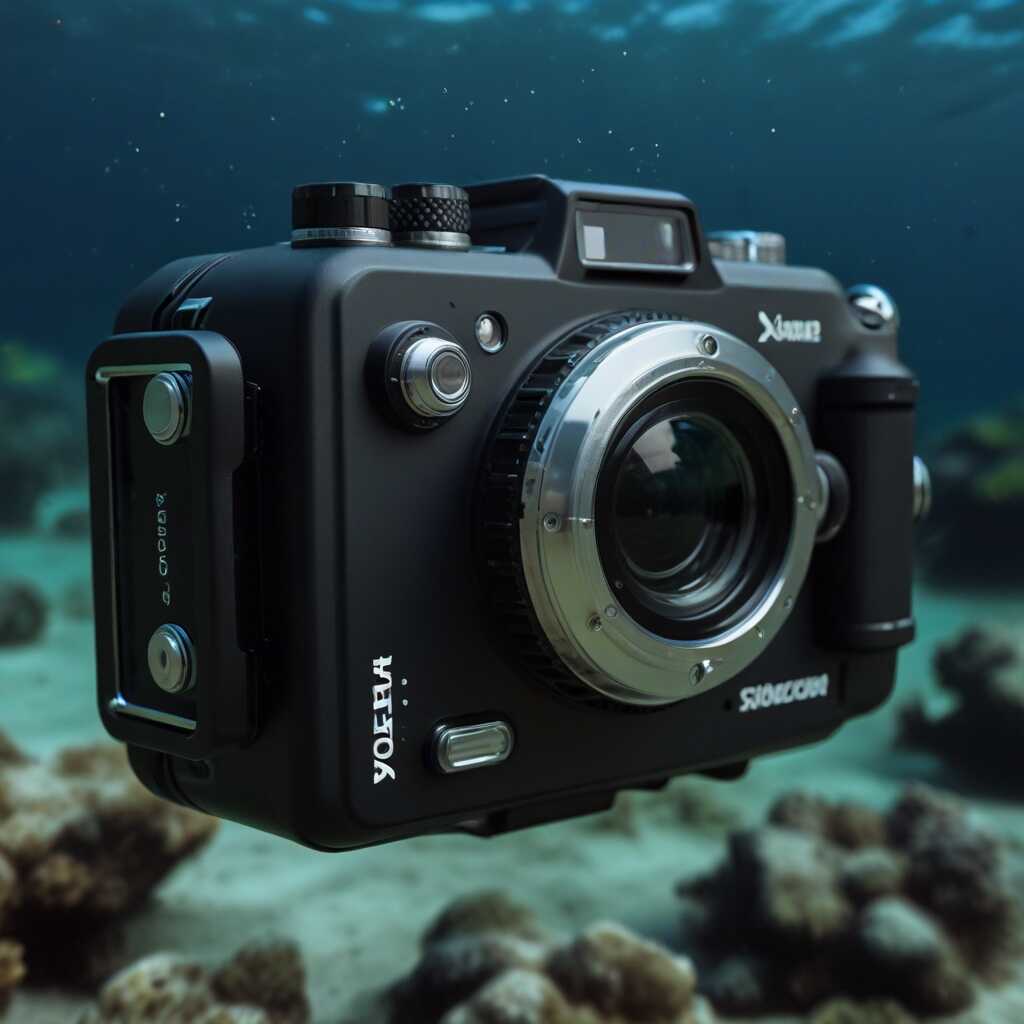
To photograph fast-moving fish without blur, I increase my camera’s shutter speed, ensuring crisp images of even the quickest subjects. For capturing vibrant coral colors underwater, setting the white balance manually proves essential to enhance the hues that often get lost at depth. To show the scale of marine life accurately, I use wide-angle lenses which allow for comprehensive scenes, giving viewers a true sense of the underwater world’s vastness.
Spotlighting Rare Aquatic Creatures
About 1,000 marine species are considered rare or endangered, reflecting the urgent need for conservation efforts. Scientists estimate that 95% of marine species remain undiscovered, underscoring the ocean’s vast unexplored territories. Divers are ten times more likely to encounter rare species in protected marine areas, highlighting the importance of these conservation zones.
Preparing your equipment for different water types
The challenge of shooting in saltwater versus freshwater lies in the varying levels of buoyancy and visibility, affecting both composition and focus. To protect my camera from corrosion in saltwater, I ensure it’s encased in a quality waterproof housing and rinse it thoroughly after each dive. When photographing in murky water, adjusting the strobe positioning and reducing backscatter becomes crucial to improve clarity and contrast in images.
How Does Salinity Affect Equipment Performance?
Gear should be rinsed at least three times after each saltwater exposure to prevent corrosion and maintain performance. The ideal water temperature range for using standard underwater housings lies between 10°C to 35°C, ensuring optimal operation and preventing housing fog. There are four main types of waterproof casing seals, each designed to offer protection against different water types and pressures, proving essential for divers exploring various environments.