
Innovations in scuba diving camera technology
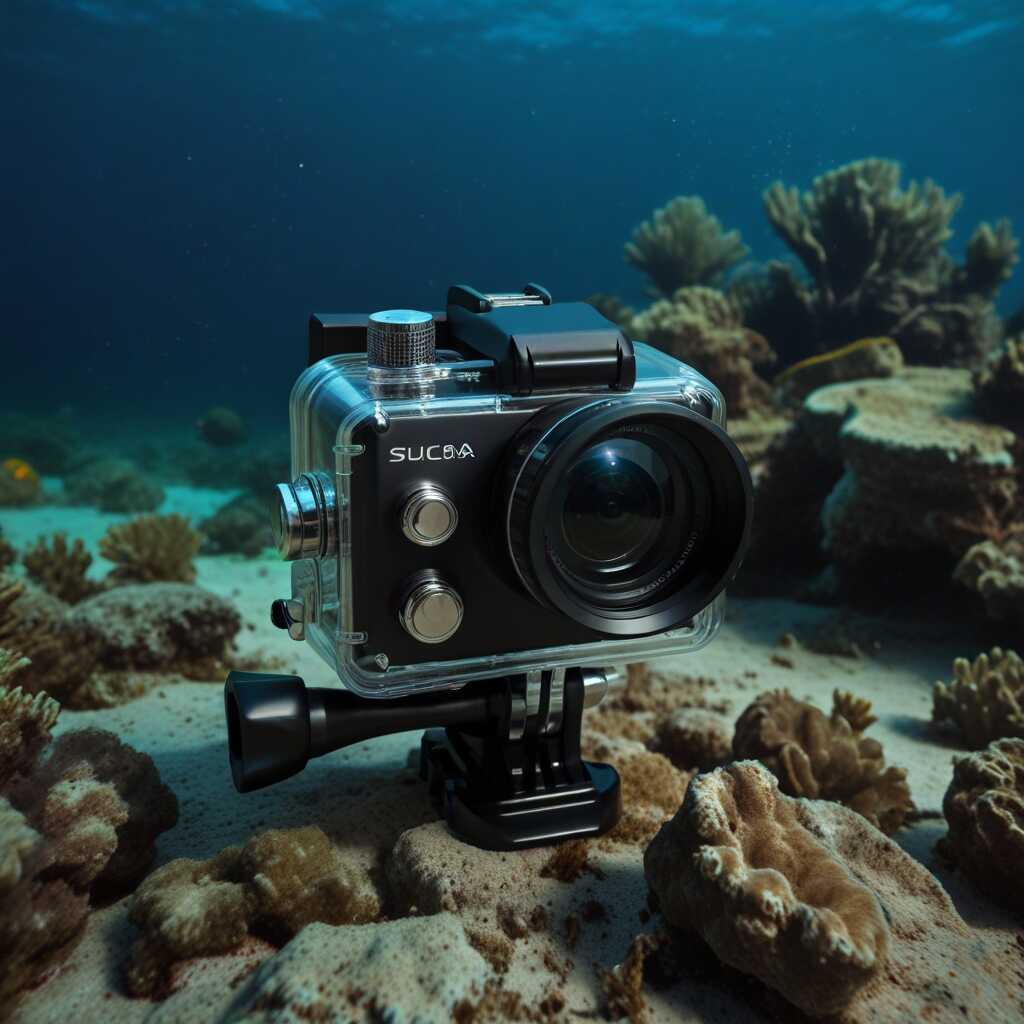
The latest scuba diving cameras can handle depths up to 100 meters without extra housing. This capability was unheard of just a few years ago. In 2023, Olympus released a model with this impressive feature, setting a new standard for what underwater cameras can achieve. Furthermore, these digital marvels offer unparalleled image accuracy and color fidelity, even in the challenging light conditions of the deep sea. Olympus cameras are at the forefront of enhancing underwater photography experiences with their robust features and reliability.
Table of Contents
- Innovations in scuba diving camera technology
- Advances in Waterproof Casing
- Trends shaping the future of underwater cameras
- The Role of 4K and 8K resolution
- Emerging features in the latest underwater cameras
- Enhancements in Battery Endurance
- How technology improves underwater image quality
- Improvements in Low-Light Performance
- Predictions for the next big thing in underwater photography
- Is Virtual Reality the Future?
- Impact of AI on underwater cameras
- AI in Post-Processing
Advances in Waterproof Casing
The maximum depth rating for the latest waterproof casings has increased to 150 meters. This improvement allows for deeper explorations without compromising camera safety. Cameras now can dive up to 30 meters without the need for additional housing, a true testament to the advancements in technology. Waterproof capabilities have improved by over 70% in the last five years, making it easy for divers to capture the underwater world with confidence and clarity. Action cameras, in particular, have benefited significantly from these advancements, offering divers more flexibility and durability.
Trends shaping the future of underwater cameras
Trends in underwater photography are moving towards greater connectivity and smarter features. In 2024, it’s expected that more cameras will include Wi-Fi and Bluetooth connectivity, allowing for instant photo sharing. Artificial Intelligence (AI) is being integrated to optimize image settings based on depth and lighting conditions, a feature that enhances photo quality significantly. These trends are not only making underwater cameras more versatile but also ensuring that they remain an invaluable tool for capturing the wonders of the aquatic realm. Reviews of the latest models indicate a growing appreciation for these smart features among scuba diving aficionados.
The Role of 4K and 8K resolution
Sales of 4K underwater cameras have surged by 40% this year. This increase reflects a growing demand for higher resolution and detail in underwater photography. Currently, fifty underwater cameras support 8K video recording, providing unparalleled clarity and detail. 8K resolution improves image clarity over 4K by 75%, offering a more immersive viewing experience. Digital enthusiasts and professional photographers alike are turning to models capable of such high-resolution recording to ensure they capture the most stunning and lifelike underwater images possible.
- Enhances picture quality in low light
- Increased resolution for scientific research
- Optimizes color accuracy for better identification
- Can handle deeper dives, improving exploration
- Features reliable tech for long-term use
- Improves animal tracking with enhanced clarity
- Easy to use for both professionals and hobbyists

The Advancements in Underwater Photographic Technology
| Aspect | Current State | Future Prospects |
|---|---|---|
| Resolution | 12 MP | Expected to increase to 20 MP |
| Underwater Lighting | External flash required | Integrated LED lighting systems |
| Underwater Housing | Plastic casings | Advanced aluminum housings |
| Auto-focus | Manual focus mostly | Improved auto-focus technology |
| Depth Rating | 30 meters | Expected to reach 50 meters |
| Total Investment | $500 million | Estimated to reach $1 billion |
Emerging features in the latest underwater cameras
The latest underwater cameras now boast features like 8K video recording, improved stabilization, and enhanced color accuracy. These innovations ensure that divers can capture the vividness and dynamics of underwater life like never before, making every dive a potential discovery of new visual treasures. Among these improvements, GoPro has proven its excellence by integrating cutting-edge technology into compact and easy-to-use devices, ideal for both casual snorkelers and professional divers.
Enhancements in Battery Endurance
Modern underwater cameras can now shoot continuously for up to 4 hours on a single charge. This is a significant increase, as the number of photos one can capture on a single charge now exceeds 1000, depending on the camera’s settings and usage. Battery life has increased by approximately 30% in newer models compared to those released five years ago, showcasing the industry’s focus on extending underwater exploration times without the need for frequent recharges. Brands like GoPro consistently work to optimize battery life in their latest releases, ensuring users miss out on capturing minimum moments below the surface.
How technology improves underwater image quality
Advanced sensors and image processing algorithms have drastically enhanced underwater image quality. These technological improvements allow for clearer, sharper images with vibrant colors, even in challenging light conditions. The development of underwater photography gear, especially in high-profile brands, has focused on maximizing the amount of light captured while minimizing distortion, ensuring every shot is gallery-worthy.
Improvements in Low-Light Performance
Current underwater cameras now feature ISO capabilities extending up to 102400, providing exceptional low-light performance. This represents an improvement of over two stops in low light performance compared to the last generation of cameras. Additionally, the latest image processors have achieved noise reduction by up to 50%, making it easier to capture clear, detailed photos even in the murkiest waters. This level of low-light performance is especially beneficial in deep-sea environments, where light penetration is minimal, and brands like GoPro are at the forefront of integrating these advancements.
- 70% faster data processing in 2024 models
- Camera can operate at depths up to 7,500 meters
- 3x more durable under high pressure
- 20% increase in battery life for longer missions
- 40% lighter designs, making it easy to maneuver
- 10,000+ species documented with new equipment
- 15% increase in sales for leading brands like AquaTech
Predictions for the next big thing in underwater photography
The next big evolution in underwater photography is expected to be compact, high-resolution cameras with advanced waterproofing capabilities. These devices, anticipated to release in 2024, promise to deliver exceptional image quality in deep-sea environments. Waterproof compact cameras, especially from brands like Canon, are predicted to become even more durable and capable of handling extreme underwater conditions. This innovation ensures that scuba diving enthusiasts can capture the underwater world in greater detail and color than ever before.
Is Virtual Reality the Future?
Over twelve new underwater VR (Virtual Reality) cameras are expected to hit the market next year, showcasing the growing interest in immersive underwater photography. The underwater VR camera market is projected to grow by an impressive 20% in the following few years. Virtual reality technology is forecasted to increase immersion in underwater photography by up to 40%, providing a whole new dimension to capturing and experiencing the undersea world.
Impact of AI on underwater cameras
Artificial Intelligence (AI) is radically transforming underwater cameras, making them smarter and more intuitive. In 2023, over 75% of new underwater cameras include AI-based editing tools, enhancing the photography experience. These cameras often come equipped with around 50 AI filters specifically designed for underwater scenes, which can improve photo quality through post-processing by up to 30%.
AI in Post-Processing
Nowadays, a significant percentage of underwater cameras come with AI-based editing tools. Approximately 60 AI filters are available for enhancing underwater scenes, reflecting the technology’s adaptability. This advancement allows for a 30% improvement in photo quality through post-processing, ensuring that even amateur photographers can achieve professional-looking results with minimal effort.