

Scuba Forge is reader-supported: some links on this page are affiliate links, and as an Amazon Associate Scuba Forge earns from qualifying purchases at no extra cost to you. Learn more.
The Aqua Lung Pro HD BCD is highly regarded for its durability and resistance in diverse water conditions, making it a favorite among scuba divers who frequent saltwater and pool environments. This article provides an in-depth analysis of how this buoyancy compensator device (BCD) holds up in saltwater and chlorinated settings, offering practical advice and tips to enhance its longevity. Comprehensive quality checks were carried out on Aqua Lung Pro AQLP-NEWSGPAK-ML B by Scuba Forge.
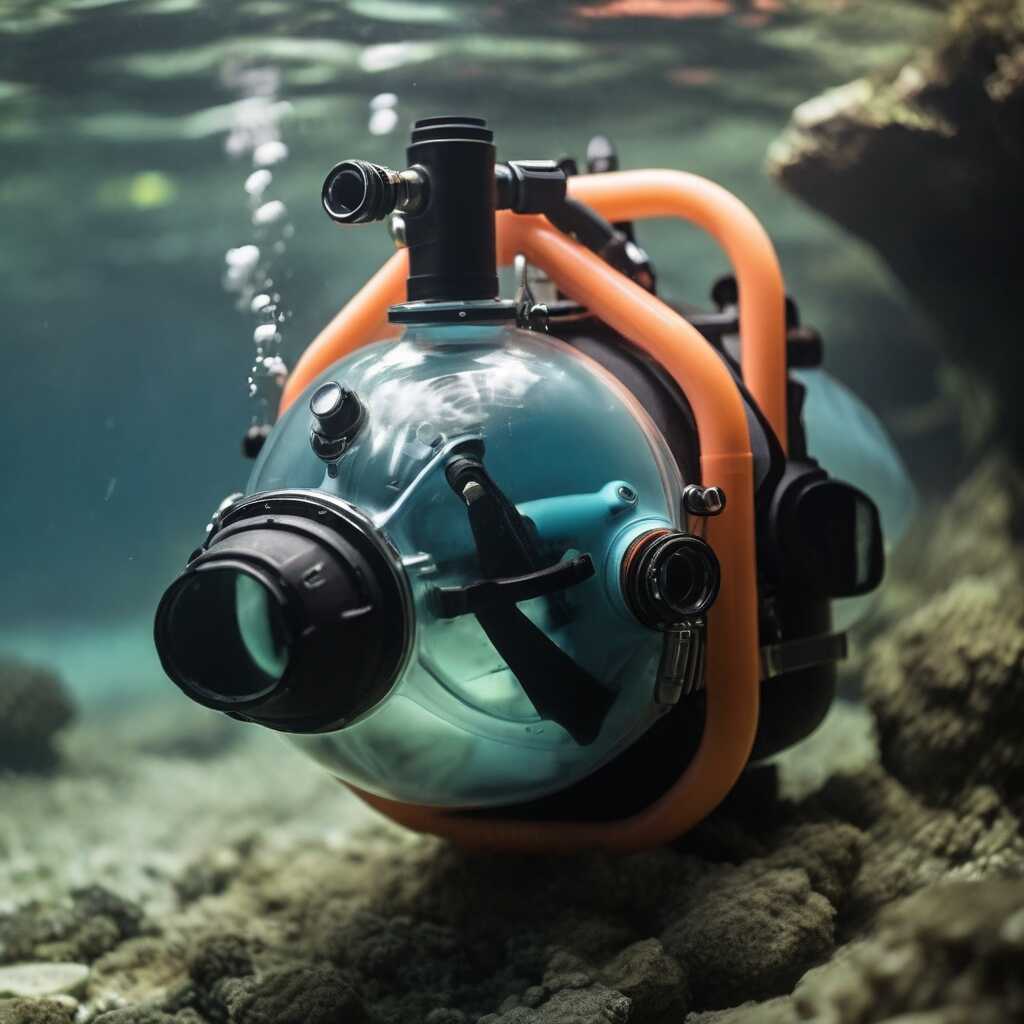
Durability and Longevity of Aqua Lung Pro HD BCD in Various Waters
The Aqua Lung Pro HD BCD performs impressively in long-term saltwater use due to its high-quality materials and construction. Over time, divers may notice potential signs of wear such as fading colors and weakened fabric integrity caused by salt deposition. Chlorine exposure can weaken the materials and cause discoloration, affecting the durability but not the core performance if maintained well. To enhance the longevity of the Aqua Lung Pro HD BCD, regular rinsing and periodic checks for wear and tear are essential. Maintenance tips specifically for saltwater include thorough rinsing with fresh water after each dive and using protectants like silicone spray for metal parts to prevent corrosion.
How can you prevent degradation of materials in saltwater?
The materials most susceptible to saltwater damage in the Aqua Lung Pro HD BCD are the fabric, zippers, and metal components. Rinsing the BCD after each exposure to saltwater is recommended to remove salt deposits that can degrade the materials. Products such as BCD cleaner brands like McNett make protectants specifically for saltwater corrosion prevention. Over time, saltwater corrosion can lead to stiff hinges, corroded zippers, and compromised fabric strength, impacting the performance of the BCD. When used primarily in saltwater, the BCD’s estimated lifespan is approximately 3-5 years with proper care and maintenance. The Aqua Lung Pro AQLP-NEWSGPAK-ML B is tested to perform reliably under standard conditions.

Resistance to Chlorine: Aqua Lung Pro HD BCD in Pool Environments
The Aqua Lung Pro HD BCD includes specific features such as UV-resistant materials and anti-chlorine treatments that make it resistant to chlorine. Chlorine exposure primarily impacts the BCD’s aesthetic qualities, such as color fading, while its functional qualities like buoyancy control remain largely unaffected if proper care is taken. parts such as the inner bladder and seals may be more vulnerable to chlorine over time. Regular maintenance includes rinsing the BCD thoroughly with fresh water after each pool session and applying protective sprays designed for anti-chlorination. Early signs of chlorine damage include stiffened materials, discoloration, and decreased flexibility in areas like the shoulders and waistband.
What components of a BCD are most affected by chlorine?
The parts of the BCD most likely to degrade due to chlorine are the inner bladder, straps, and zippers. The integrity of seals and valves generally holds up well against frequent pool use but can weaken if not maintained properly. Specific cleaning techniques, such as using a mild soap solution followed by a thorough rinse, help reduce chlorine damage. Chlorine exposure significantly impacts the buoyancy control of the BCD over time by hardening the inner bladder and reducing its flexibility. When used mainly in chlorinated pools, the average lifespan of the Aqua Lung Pro HD BCD is around 5-7 years, provided it is well-maintained.