
The responsible use of reef hooks is essential to prevent coral damage during marine observations. By using these tools correctly, divers can enjoy the underwater world while protecting delicate ecosystems. Scuba Forge is committed to educating divers about best practices for reef hook usage, ensuring that everyone can appreciate marine life without harming it. This article offers practical tips and guidance for divers who are passionate about coral conservation and want to explore responsibly.
The Critical Role of Coral Reefs in Thriving Marine Ecosystems
Coral reefs provide essential functions in marine ecosystems. They act as biodiversity hotspots, supporting approximately 25% of all marine species despite covering less than 1% of the ocean’s surface. Marine life, including fish, invertebrates, and even marine mammals, relies on coral reefs for habitat, food, and breeding grounds. Protecting coral reefs is crucial for maintaining ocean health, as they enhance water quality and prevent erosion by acting as natural barriers. These ecosystems also contribute to local economies through fisheries and tourism, underscoring the importance of coral conservation efforts.
Significance of Coral Reef Biodiversity
Coral reefs are vital for sustaining marine biodiversity. They support thousands of species, including fish, mollusks, and crustaceans. Support for diverse life forms helps maintain ecosystem balance. Many of these species are integral to food chains and provide ecosystem services such as nutrient cycling and habitat creation. Research indicates that healthier coral reefs increase fish populations, which can enhance fishing yields by 30% or more. Understanding these intricate connections helps emphasize the need for effective coral conservation strategies to protect and restore these invaluable marine habitats.
How Reef Hooks Function and Enhance Diving Experiences
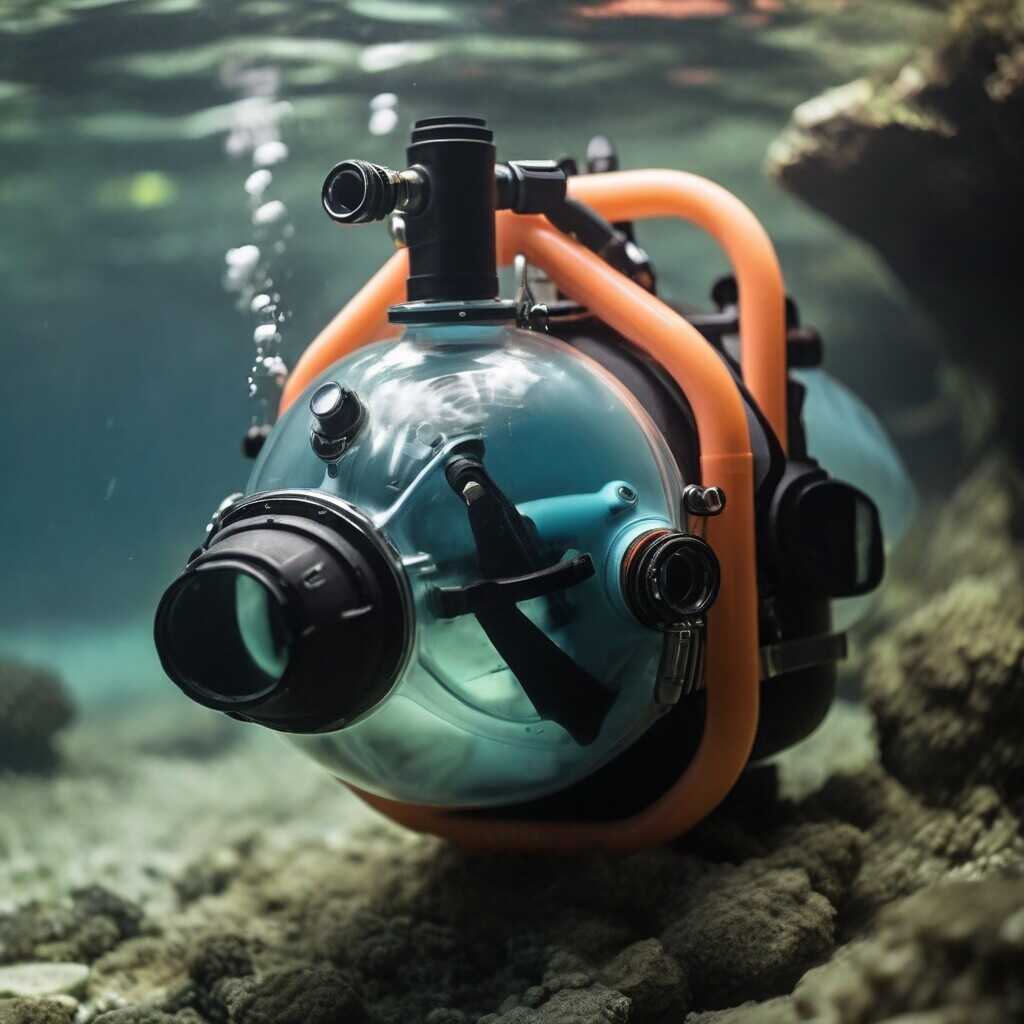
Reef hooks are essential diving tools designed to secure divers in a stable position without damaging coral structures. They typically consist of a sturdy metal hook, a strong line, and a buoyant attachment. These components allow divers to explore underwater environments safely. Reef hooks help divers observe marine life while minimizing the risk of touching or disturbing sensitive coral ecosystems. They enhance diving experiences by allowing closer observation of marine creatures in their natural habitats.
Benefits of Using Reef Hooks for Coral Conservation
Using reef hooks offers substantial benefits for coral conservation. They provide divers with the ability to suspend themselves over fragile coral formations. This prevents accidental contact, ensuring the safety and health of the coral ecosystems. Properly designed reef hooks are durable, reliable, and can handle considerable weight while remaining secure. Research and expert reviews indicate that using these hooks leads to less coral damage, making them a vital tool for eco-conscious divers. Adopting reef hooks in diving practices improves the relationship between recreational activities and marine conservation efforts.
Essential Guidelines for Responsible Reef Hook Usage
To use reef hooks responsibly, divers should follow several best practices. Always choose a location that is away from coral to minimize damage. Utilize reef hooks designed with coral-safe materials that provide maximum grip without harming marine life. Avoid overwintering coral colonies. Properly secure the hook to strong, non-sensitive surfaces, allowing for better stability while observing marine life. Divers should always have a plan for quick removal if currents change. Stay aware of surrounding marine life to avoid accidents. Maintain a respectful distance from delicate coral formations to ensure coral reef conservation.
Identifying Sensitive Coral Species
Understanding which coral species are most vulnerable to reef hook damage enhances awareness among divers. Species such as Acropora and Montipora are highly sensitive to physical contact. These corals can be easily damaged by any foreign objects, including reef hooks. Knowing these species allows divers to adjust their approach and reduce environmental impact. When observing these corals, divers should prioritize their safety and well-being, avoiding areas where these species thrive to prevent harm. By recognizing these critical coral types, divers can better contribute to coral reef conservation efforts.
Key Statistics for Coral Preservation Techniques
- Over 30% of coral reefs worldwide face serious threats.
- Using reef hooks decreases direct physical damage to coral by up to 70% during observations.
- Coral reefs cover less than 1% of the ocean but support about 25% of marine life.
- Properly using reef hooks can reduce divers’ impact on fragile ecosystems.
- Studies show 50% of divers do not understand how to use reef hooks correctly.
- It takes approximately 10 years for damaged corals to recover fully in ideal conditions.
- Coral reef degradation could reduce fish populations by as much as 75% over the next decade.

Identifying and Avoiding Common Reef Hook Mistakes
Divers often commit several common mistakes when using reef hooks, impacting coral health. A frequent error is anchoring reef hooks too close to fragile coral structures. This can cause physical damage. Failing to ensure the reef hook is designed for lightweight use can lead to gear failure. Divers might also forget to check their surroundings before using a reef hook. This oversight can result in entangling marine life or disrupting the ecosystem. Proper training in responsible diving practices can enhance awareness among divers, ensuring they understand the importance of coral conservation.
Understanding the Impact of Reef Hook Usage on Coral Species
Reef hook practices differ significantly among various marine environments and coral species. For instance, soft corals can be more susceptible to damage than hard corals. Using reef hooks in areas with diverse coral formations requires adaptability and careful observation. Divers should research the specific ecosystem before diving. Understanding where these coral types grow helps divers avoid incorrect usage. Statistics show that only 30% of divers know the best practices for reef hooks, which highlights the need for educational resources. Training can empower divers to make informed choices while protecting these essential marine habitats.
Consequences of Coral Damage for Marine Life and Ecosystems
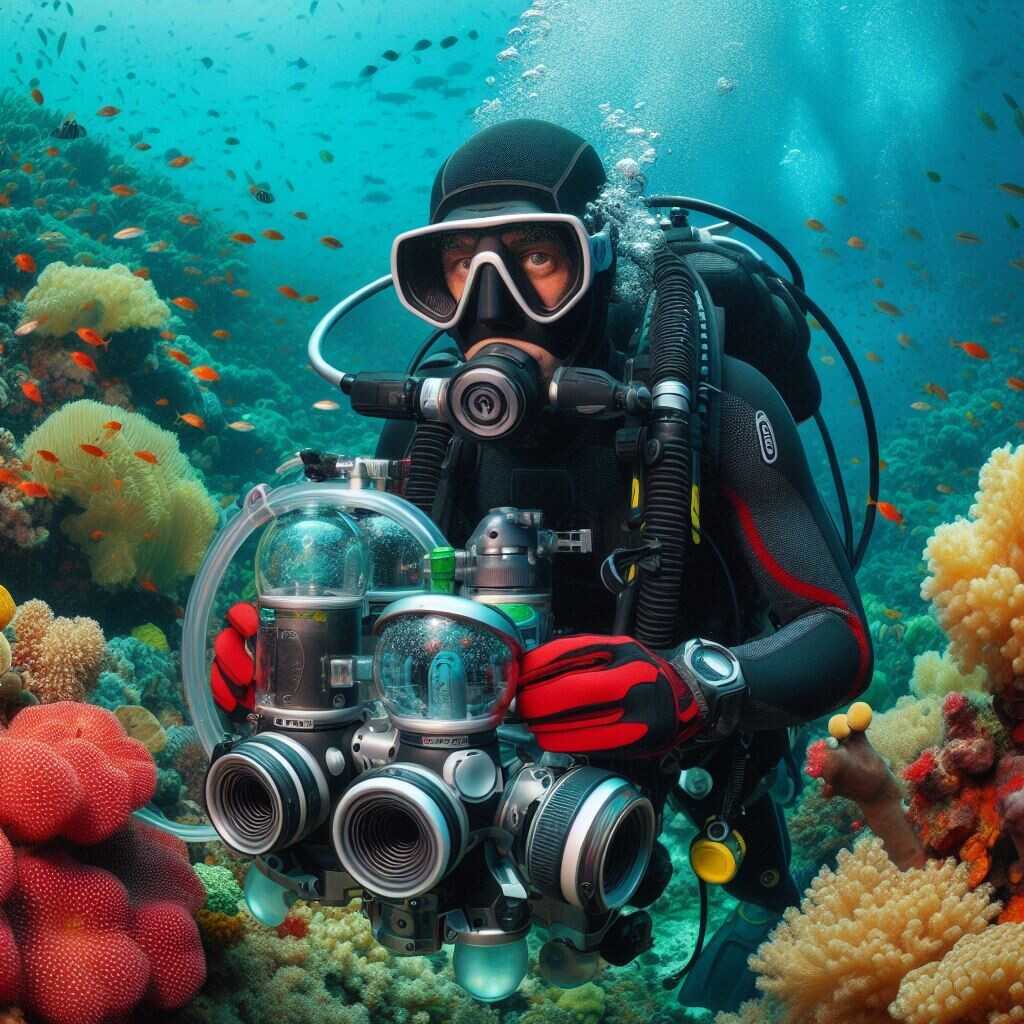
Coral damage leads to significant marine biodiversity loss. Coral reefs support about 25% of all marine species, providing habitat for fish, invertebrates, and other organisms. When reefs deteriorate, the ecological balance of the entire marine ecosystem is disrupted. This includes the loss of food sources for larger animals such as turtles and sharks. Coral damage threatens approximately 33% of coral species, showcasing the urgent need for conservation efforts to protect these vital habitats. The interdependencies of species within coral ecosystems amplify the ongoing negative impacts on marine life.
Importance of Coral Reefs in Marine Ecosystems
Coral reefs are essential for maintaining marine biodiversity. They provide shelter and sustenance for countless species, including economically important fish. Healthy coral reefs improve the resilience of marine ecosystems, enabling them to withstand environmental changes. Studies show that reef ecosystems enhance coastal protection from storms and erosion. In addition, they are crucial for carbon cycling, which regulates ocean temperature and chemistry. Coral reefs are not just beautiful; they play a vital role in ensuring the overall health of our oceans and require immediate protection efforts.
Advantages of Smart Coral Observation Practices
- Using reef hooks helps protect corals from unnecessary stress and damage.
- Responsible techniques enhance biodiversity by preserving marine habitats.
- Divers can observe marine life more closely without disturbing their homes.
- Reef hooks increase safety for divers by providing a secure anchoring point.
- This practice promotes environmental awareness and conservation efforts among divers.
- Using reef hooks reduces the likelihood of accidents or injuries while diving.
- Responsible marine observation fosters community engagement and education on coral reefs.
Understanding Environmental Laws and Guidelines for Divers
Divers must be aware of various environmental laws governing coral reefs, such as the Marine Protection, Research, and Sanctuaries Act. These laws prohibit harmful activities that can damage coral reefs. Compliance is essential to ensure these ecosystems remain healthy. Additionally, entities like the National Oceanic and Atmospheric Administration (NOAA) and the United Nations Educational, Scientific and Cultural Organization (UNESCO) help establish responsible diving guidelines. U.S. federal law currently protects approximately 1,800 reefs under the Coral Reef Conservation Act. Divers play an important role in preserving these unique underwater habitats by adhering to these regulations.
Key Organizations Supporting Coral Reef Protection
Several organizations actively support coral reef protection through regulations and guidelines. The NOAA establishes conservation measures under the National Marine Sanctuary System. The National Park Service monitors diving activities in protected areas. Nonprofit organizations like the Coral Triangle Initiative also focus on sustainable diving practices. These organizations provide resources to divers that enhance their understanding of marine conservation. Staying informed about their efforts helps divers align their practices with the best environmental standards, ensuring a positive impact on marine ecosystems.
Recommended Eco-Friendly Gear for Responsible Divers
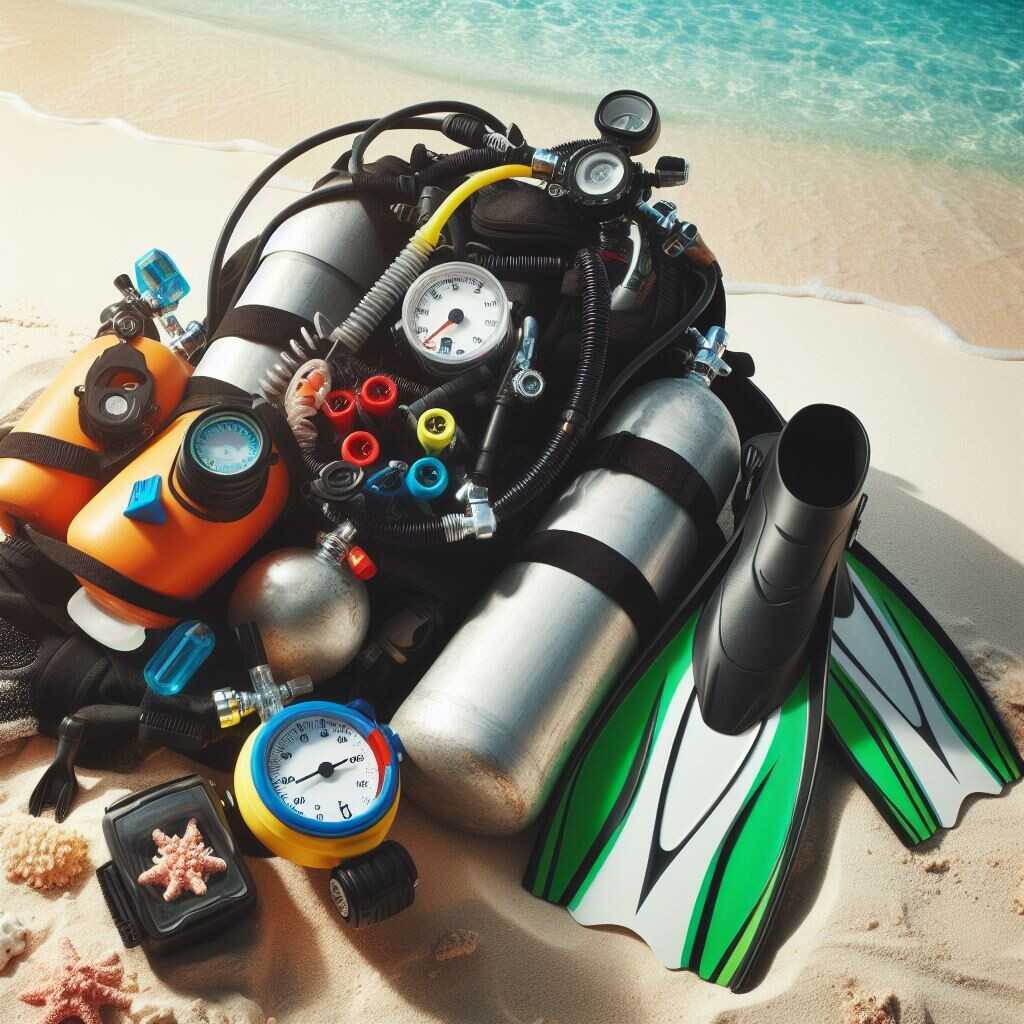
Divers can choose from several eco-friendly gear options that support marine conservation. Sustainable equipment options include biodegradable dive fins, reef-safe sunscreen, and reusable dive bags. These products help minimize environmental impact. Eco-friendly gear often features reliable materials, designed for durability and performance. For instance, diving with reef-safe sunscreen protects coral reefs from harmful chemicals. Using reusable dive bags reduces plastic waste. Investing in these products enables divers to promote marine health effectively.
Top Eco-Friendly Products for Divers Commit to Coral Conservation
Several brands offer reliable eco-friendly products that enhance responsible diving behaviors. One notable example is biodegradable dive fins, which provide the same performance as traditional fins but break down naturally over time. Brands like OceanIC and Greenfin focus on creating sustainable equipment options made from recycled materials. A popular choice is the eco-friendly diving mask made from silicone instead of plastic, improving comfort and durability. Selecting these green alternatives not only benefits the environment but also contributes to a community of eco-conscious divers.
Diving Communities and Their Coral Conservation Efforts
- Environmental enthusiasts often prefer eco-friendly gear for reef observations.
- Marine biology students benefit from learning proper observation techniques from experts.
- Recreational divers help raise awareness about coral health through beach cleanups.
- Eco-conscious travelers support dive shops that promote sustainable practices.
- Local dive groups frequently organize training sessions on responsible reef hooks usage.
- Tourism operators encourage responsible diving to protect coral ecosystems.
- Wildlife photographers focus on capturing images that highlight coral conservation efforts.
Engaging in Community-Conservation Efforts for Coral Reefs
Divers can participate in coral reef protection by joining local and global initiatives. Organizations like the Coral Triangle Initiative, the Ocean Conservancy, and the ReefBase Project focus on coral reef conservation. Local dive shops often partner with these organizations to offer programs for divers. Engaging in beach cleanups, participating in reef monitoring programs, and supporting sustainable tourism practices enhance coral reef health. These efforts connect divers with dedicated conservationists, enabling the sharing of valuable experience and resources.
How Divers Can Make a Difference in Coral Conservation
Divers can make a significant impact on coral conservation through various hands-on initiatives. Joining local coral restoration projects allows divers to assist in transplanting healthy coral fragments. Participating in research dives helps collect critical data on reef health. Events like World Oceans Day provide opportunities for education and action. By collaborating with organizations devoted to coral reef protection, divers can share their knowledge and experiences. These efforts contribute to overall marine health while promoting eco-conscious diving practices.