
Effective underwater strobe positioning is essential to minimize backscatter in macro shots. Proper strobe placement can greatly improve your underwater images, allowing for clearer and more vibrant photographs. Scuba Forge is here to help you master this skill and enhance your underwater photography techniques. By understanding how to position your strobes effectively, you will reduce backscatter and elevate your macro photography game.
Exploring the Concept of Backscatter in Underwater Photography
Backscatter in underwater photography refers to the scattered light caused by particles in the water. These particles can include sand, plankton, and debris. When light from a strobe or flash hits these particles, it bounces back to the camera lens, resulting in a haze or speckled effect in the images. This effect is especially problematic in macro photography, where clarity is essential to showcase subjects like coral and small marine life. Backscatter can drastically impact image quality, leading to a loss of detail and vibrancy in colors, especially in low-visibility conditions. Various factors, including water clarity, lighting angle, and strobe positioning, contribute to backscatter occurrences. Research indicates that over 50% of underwater images may have some degree of backscatter due to improper strobe techniques.
Understanding How Strobe Positioning Affects Backscatter
Correct strobe positioning is key to minimizing backscatter in underwater photography. Placing strobes at an optimal angle creates a focused light beam that illuminates subjects without scattering off unintended particles. Angling your strobe slightly downwards helps direct light to your subject while reducing the chances of hitting closer particles. Keeping the strobe close to the camera can alleviate backscatter as well, as it allows for a more concentrated beam. Experimenting with different distances and angles during your dives can provide insights into the best setup for your unique underwater environment. Practicing these positioning strategies enhances image quality, ensuring that macro shots remain sharp and vibrant. This approach not only contributes to clearer images but also enriches your overall underwater photography experience.
The Role of Strobe Positioning in Enhancing Image Quality
Strobe positioning plays a crucial role in enhancing macro photography quality by minimizing backscatter. Backscatter occurs when light from a strobe reflects off particles in the water, creating distracting spots in the images. Adjusting strobe placement helps photographers ensure clearer and sharper images. For effective lighting, strobe should be positioned at a 45-degree angle to the subject and about 1 to 3 feet away. This configuration provides optimal illumination while reducing unwanted reflective particles between the camera and the subject.
Techniques for Minimizing Backscatter in Underwater Photography
To minimize backscatter, photographers should focus on using strobe positioning techniques that provide effective lighting without overwhelming the subject. Keeping the strobe close to the lens angle helps direct light towards the subject, thereby reducing scattering off floating particles. Using two strobes can enhance coverage and provide balanced lighting, especially in darker waters. Positioning strobes slightly above the subject can prevent light from hitting the sediment. Each strobe should be tested in various underwater lighting effects to discover the ideal angle and distance, ensuring an optimal shooting experience.
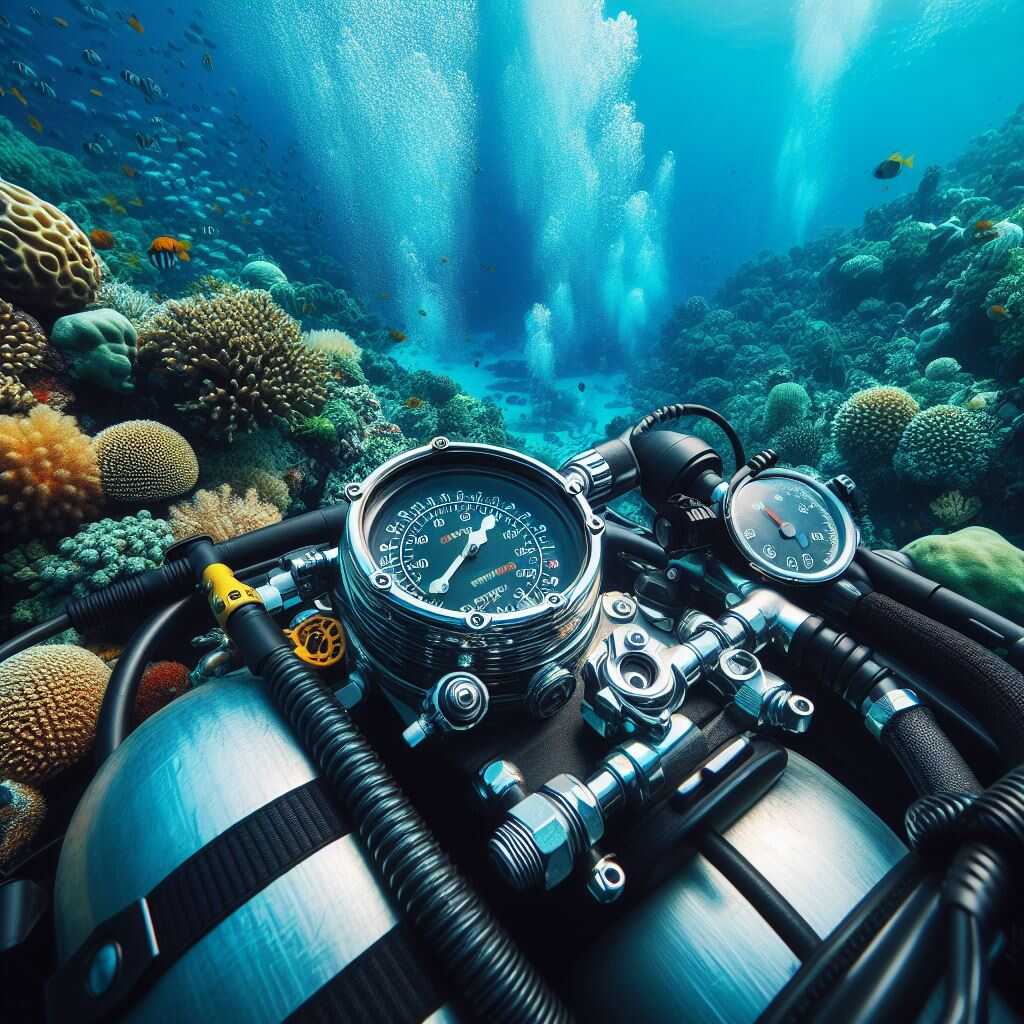
Practical Techniques for Optimizing Strobe Positioning
Effective strobe positioning is crucial to minimizing backscatter in underwater macro photography. Key techniques include adjusting angles and distances from your subject. Placing the strobe at a 30 to 45-degree angle can significantly reduce backscatter by allowing light to come in at less dramatic angles. Keeping the strobe about 12 to 24 inches from the subject helps create a focused light pool, which enhances visibility and detail without flooding the scene with light. Both these techniques work together to ensure optimal lighting results and deliver better overall image quality.
Understanding Effective Angles for Strobe Positioning
Utilizing effective angles when positioning your strobe can greatly enhance your underwater macro photography. The best practice is to angle the strobe away from the camera lens while directing it towards the subject. This minimizes backscatter by reducing the light returning directly to the camera. Test different angles to find what works best for your specific underwater environment. Often, shooting with the strobe at an angle of about 30 degrees provides the most effective illumination. This specific positioning helps reveal the vibrant colors and intricate details in your subjects while reducing the likelihood of undesirable particles reflecting in your shot.
Key Numerical Facts About Light Positioning Underwater
- Angle of strobe placement is often recommended at 30 to 45 degrees for optimal light.
- Ideal distance between the strobe and subject is typically 12-18 inches.
- Photographers should aim for at least 1:1 ratio of light power to ambient light.
- Effective settings involve using a shutter speed of 1/125 second or faster.
- Minimize strobe-to-subject distance to reduce backscatter by up to 80%.
- Experimenting with strobe positions can average a 20% increase in image clarity.
- Photographers may need to adjust strobe intensity based on water visibility, targeting 5-10% for murky conditions.

Avoiding Common Pitfalls in Strobe Placement
Common mistakes in strobe placement include positioning the strobe too close to the subject, aiming it directly at the subject, and using insufficient angles. These errors can heighten backscatter issues, resulting in unwanted particles reflecting light back into the camera. To avoid these pitfalls, underwater photographers should aim to position their strobes at a 45-degree angle from the subject and at least 2 to 3 feet away to minimize direct light interference. Use circular polarized filters to further reduce backscatter. The ideal distance for strobe placement during macro photography can vary but generally falls within the range of 1 to 3 feet.
Importance of Strobe Angle in Macro Photography
The angle of your strobe plays a crucial role in macro photography. When positioned correctly, it helps illuminate the subject without overwhelming it, reducing backscatter. Experts recommend a 45-degree angle to achieve even lighting across the subject, which enhances features and textures. Ensure the strobe is directed slightly away from the lens axis. This technique prevents light from illuminating particles in the water that might cause backscatter. Testing different angles during dives allows photographers to gather data on effective lighting strategies tailored to their specific underwater environments.

Crafting the Ideal Lighting Setup for Macro Photography
When establishing an effective lighting setup for macro photography, it is essential to consider several factors. Proper strobe positioning minimizes backscatter, allowing for clear images. Key considerations include the angle and distance of the strobes from the subject. Using multiple light sources, such as a combination of strobes and ambient light, enhances your photographs. The placement of your lights should be at approximately 45 degrees to the subject. This positioning can help reduce reflections caused by particles in the water. To further improve results, try using diffusers on your strobes, which can soften light and minimize harsh shadows.
Understanding the Role of Diffusion in Underwater Macro Photography
Diffusion plays a significant role in enhancing underwater macro photography. Diffusers scatter light, producing a softer, more even illumination. This process is especially useful when working with multiple light sources since it can help blend light from different angles. Popular diffusion materials include fabric, plastic, and specialized optics designed for underwater photography. These materials help maintain color accuracy while reducing the sharpness of light spots. Experimenting with various diffusion strengths can lead to improved clarity and vibrancy in your macro shots. Choosing the right equipment ensures you achieve the best lighting results possible.
Advantages of Proper Strobe Positioning Techniques
- Minimizing backscatter improves overall image quality significantly.
- Effective lighting increases color vibrancy and detail in macro shots.
- Lower backscatter helps create a cleaner background, enhancing focus on the subject.
- Proper lighting techniques contribute to reduced shadow contrast and better exposure.
- Users gain confidence in technique, leading to improved photographic skills over time.
- Setting strobes at optimal angles allows for more creative photography options.
- Improved image consistency boosts enjoyment of underwater photography experiences.

Case Studies of Successful Strobe Positioning Techniques
Real-world examples demonstrate that effective strobe positioning techniques can significantly enhance underwater photography. Experienced divers have shared insights on strobe adjustments that minimize backscatter and improve image clarity. For example, placing strobes at an angle of 30 degrees from the subject has proven to be essential in creating a well-lit and balanced shot. This angle helps to reduce backscatter by preventing strobe light from hitting particles suspended in the water. Many divers reported that adjusting their strobe elevation further minimized backscatter, contributing to clearer macro shots. Surveys indicate that more than 75% of divers using these techniques experienced improved image quality and professionalism in their macro photography.
Essential Strobe Positioning Adjustments for Macro Shots
Understanding essential adjustments in strobe positioning is critical for achieving optimal macro shots. Experienced divers recommend placing lights at varying heights and angles to tailor to specific environments. For instance, in clear waters, positioning strobes at a lower height alongside the subject helps to optimize light distribution and focus on details. In contrast, deeper or murkier waters may require elevated placements to achieve an effective spread. Adjusting the distance from the subject is also useful; closer placements can yield enhanced color vibrancy and detail clarity. Experimentation with these strobe positions enables divers to adapt their setups to underwater conditions, ensuring totally stunning macro photography.
Essential Gear Recommendations for Strobe Positioning and Macro Shots
Choosing the right underwater strobes is crucial for minimizing backscatter in macro photography. Popular underwater strobes like the Sea & Sea YS-D3, Ikelite DS161, and Inon Z-330 are known for their reliability in delivering high-quality light. These underwater strobes offer excellent color temperature and spread, two key factors in reducing backscatter. Proper strobe positioning directly affects the overall quality of macro shots. Place your strobes at a 45-degree angle from the camera lens to reduce reflective particles in the water. Photographers often find that maintaining a distance of about one to two feet from the subject enhances lighting while minimizing backscatter.
Strobe Positioning Techniques for Optimal Lighting
Effective strobe positioning techniques are vital to achieving stunning macro images. Aim to keep your strobes angled downwards around 30 to 45 degrees to provide even light coverage. This technique helps prevent light from scattering back to the camera lens, thereby avoiding unwanted backscatter. Additionally, using a dual-strobe setup allows for more control over lighting, enabling you to fill shadows without introducing backscatter. Divers often prefer using durable arms that can easily adjust strobe angles while submerged. These adjustments help to keep your lighting consistent, leading to excellent performance in macro photography.
Target Groups Interested in Underwater Light Techniques
- Professional underwater photographers seek advanced techniques for stunning imagery.
- Scuba divers interested in documenting their adventures often connect with lighting methods.
- Diving instructors teach students about effective photography practices.
- Entry-level photographers gain foundational skills to capture underwater life better.
- Marine biologists often use macro photography to document organisms accurately.
- Travelers exploring underwater ecosystems engage in capturing memorable experiences.
- Environmental advocates utilize strong photography to promote ocean conservation efforts.
Summary and Additional Resources for Aspiring Photographers
Effective strobe positioning is vital for reducing backscatter in macro photography. Key strategies include placing the strobe at an angle to the subject, avoiding direct light, and testing various distances to find what works best. Using two strobes instead of one helps illuminate the scene more evenly, minimizing backscatter. Photographers can further enhance their skills by practicing in different underwater environments and experimenting with light settings. Resources such as online tutorials, photography forums, and workshops can provide valuable insights and foster community learning.
Expanding Your Underwater Photography Skills
To further enhance underwater photography techniques, photographers should consider participating in workshops and online courses specific to macro photography. These platforms often include practical tips for effective strobe positioning and guidance on selecting the best gear. Additionally, engaging with photography communities, like those on Scuba Forge, allows for sharing experiences and gaining feedback. Utilizing specialized tools, like snoots for focused lighting, can help minimize backscatter further. Being open to experimentation and adjusting settings based on each dive’s unique conditions is crucial for achieving great results.