
Enhance underwater photography using proper lighting techniques to capture stunning details and vibrant colors. Effective lighting can transform your images, making marine life pop and showcasing the beauty of underwater scenes. This article provides practical tips and insights from Scuba Forge, your trusted resource for gear reviews and advice, to help you master lighting techniques. Discover how to select the right equipment and implement strategies for stunning underwater shots.
Why Proper Lighting is Essential in Underwater Photography
Lighting is crucial for underwater photography as it directly affects the clarity, color, and detail of images. Under the water’s surface, natural light diminishes rapidly, causing colors to fade, especially reds and oranges. Proper lighting techniques help to retrieve these lost hues, enabling vibrant shots of marine life. Techniques like using external flashes or ambient lighting can dramatically enhance color correction and image clarity. They help bring out details in your subjects that might otherwise remain hidden in shadowy waters. Understanding the importance of artificial lighting ensures you achieve the best possible results in your underwater photography.
Essential Techniques for Effective Underwater Lighting
To maximize impact in your underwater photography, reliable and robust lighting techniques are necessary. Utilizing strobes or LED lights enables color correction and enhances details in your photographs. Strobes provide a quick burst of light, which can freeze motion and illuminate subjects effectively. Position your lights at a 45-degree angle for optimal results. This helps reduce unwanted backscatter and highlights the textures of marine life. For expansive scenes, soft diffused lighting can prevent harsh shadows and even out exposure. Understanding how to manipulate your equipment in varying depths can greatly improve the quality of images captured underwater.
Key Factors Influencing Underwater Lighting Conditions
Understanding the primary factors affecting underwater lighting conditions is essential for successful underwater photography. Water clarity refers to the transparency of water, which can change based on particles, plankton, or algae. Clear water allows more light to penetrate, improving the quality of images. Depth significantly impacts how light behaves underwater. As depth increases, natural light diminishes due to absorption. For instance, red wavelengths disappear first, followed by orange and yellow as you go deeper. Ambient light conditions are vital as they determine the available light for capturing images. Photographers often need to rely on artificial lights when conditions are poor.
Maximizing Light in Different Aquatic Environments
Maximizing light in different aquatic environments requires knowledge of how water clarity and depth interact. In clear ocean waters, sunlight can penetrate up to 200 feet, making natural light a powerful tool. However, in murky waters, visibility drops significantly. Using external lights, such as strobes or video lights, becomes essential. These tools help fill in shadows and enhance colors that naturally fade at greater depths. Each lighting technique might require a different approach, such as adjusting beam angles and color filters. By understanding how to adapt to various environments, underwater photographers can achieve impressive results and capture vibrant marine life.

Choosing the Right Lighting Equipment for Your Needs
Underwater photographers have several lighting equipment options, including strobe lights, video lights, and reflectors. Strobes are great for still images, providing powerful bursts of light that freeze motion and enhance color. Video lights are designed for capturing moving subjects and offer continuous lighting, essential for videography. Reflectors can bounce light onto your subject, making underwater photography more dynamic. When choosing, consider your specific photography goals, like whether you prioritize still images or video. Also, assess the water clarity and depth conditions, as these factors will influence which lighting equipment works best. Research and compare the performance of each option for reliability and effectiveness to ensure excellent results.
Understanding the Depth Range for Effective Lighting
The depth range significantly impacts underwater lighting performance. Strobe lights are ideal for shallow depths, usually up to 30 meters (100 feet), where they can effectively illuminate subjects. Beyond this depth, light diminishes rapidly, making video lights a better choice for deeper scenarios. Video lights provide consistent illumination, making them useful at depths exceeding 30 meters. For best results, test your equipment in varying depths to determine how each type of light performs. Choosing the right light based on your target depth enhances the overall quality of your underwater images.
Key Statistics on Underwater Imagery Techniques
- 45% of underwater images suffer from poor lighting conditions.
- Up to 60% of underwater color can be lost at a depth of 10 meters.
- Using strobes can increase the color vibrancy in underwater photographs.
- Experts recommend using manual settings on your camera to adjust exposure.
- About 80% of underwater photographers report using additional lighting for better results.
- Only 25% of beginners use reflectors effectively in their underwater shoots.
- Average underwater visibility reaches 20 meters in clear waters.

Techniques for Manipulating Light in Underwater Photography
Using proper angles to position your light source in underwater photography maximizes visibility and detail. Aim your light at a 30 to 45-degree angle to your subject. Avoid directing light straight down or at a 90-degree angle, which can create unwanted reflections. Using underwater lighting equipment such as strobes or continuous lights enhances color saturation and reduces backscatter. Place your light at least 1 to 2 feet from your subject to prevent harsh shadows. This distance improves the quality of light on your subject, making it appear more natural. Adjusting the intensity of your light source can enhance details and improve contrast.
Optimal Light Angles for Underwater Photography
Finding the optimal light angles for underwater photography helps create stunning images. Position your light at approximately 45 degrees above the subject for a professional look. This angle minimizes backlight and highlights the textures of marine life. To capture the vibrant colors of coral and fish, try side lighting at a low angle. Side lighting emphasizes the contours and reduces harsh shadows. Use multiple light sources whenever possible. Combining strobes allows for a synchronized and balanced approach to illuminating underwater subjects. This method dramatically enhances the overall image quality, making every detail stand out.

Common Lighting Mistakes in Underwater Photography and How to Fix Them
Common lighting mistakes in underwater photography include using the wrong light source, failing to balance flash with ambient light, and shooting too deep without proper lighting equipment. Optimizing natural light is crucial. Photographers should position themselves to maximize light penetration. Using flash at depths greater than 10 meters can wash out colors. Understanding the environment helps avoid these issues. Utilizing multiple light sources enables the photographer to capture underwater subjects with clarity. Techniques like using diffusers can help achieve a more natural look. By correcting these mistakes, divers can significantly enhance underwater images.
Optimizing Natural and Artificial Light for Underwater Photography
To optimize natural and artificial light in underwater photography, position yourself to capture sunlight effectively. Early morning or late afternoon provides the best natural light. For artificial lighting, use strobes to fill in shadows without overpowering the natural light. Adjust their intensity based on depth; at 5-10 meters, a lower setting works best to illuminate marine life. Experimenting with the angle of the flash can also enhance colors. Combining these techniques allows you to improve image quality dramatically. Always consider the surrounding environment and subject when planning your lighting approach.
Advantages of Utilizing Effective Illumination Methods
- Improved image clarity reveals intricate details of underwater life.
- Enhancing colors brings out the vibrant hues of marine environments.
- Lighting creates depth and dimensionality in your photos.
- Increased contrast helps differentiate subjects from backgrounds.
- Using multiple light sources creates interesting effects and shadows.
- Proper lighting reduces post-editing time to enhance images.
- Highlighting textures adds realism and depth to underwater subjects.
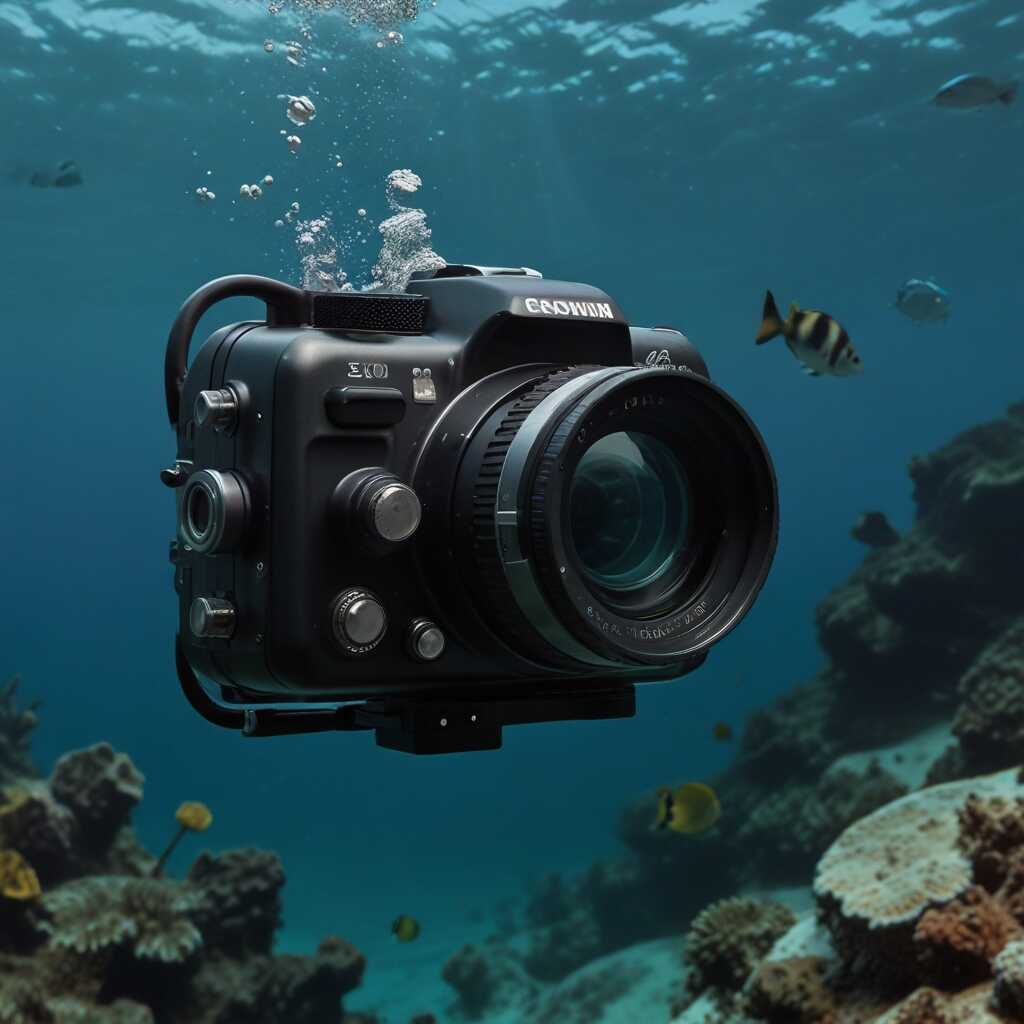
Maximizing Natural Light for Stunning Underwater Images
Utilizing natural light for underwater photography can profoundly enhance image quality. The best times to capture great underwater images are during the golden hours – just after sunrise and just before sunset. At these times, sunlight penetrates the water more effectively, creating softer and more visually appealing colors. Water clarity also plays a crucial role; clearer water allows more light to reach your subjects. Techniques such as shooting at a shallow angle towards the surface can help, as this minimizes the distortion caused by water. Different underwater conditions, like depth and light diffusion, affect the effectiveness of natural light and should be taken into account. Familiarizing yourself with these conditions helps you determine the optimal settings for achieving beautiful underwater images.
Understanding Water Clarity and Its Impact
Water clarity significantly influences how natural light behaves underwater. Clearer water allows more sunlight to penetrate, illuminating your subjects beautifully. In contrast, murkier water absorbs light and can cast a green or blue hue over the shot. Photographers should adjust their techniques based on water clarity. For instance, in murky water, use a higher ISO setting to compensate for the reduced light. Additionally, selecting the right color balance can help offset the impact of water hue. By understanding water conditions, photographers can choose the best techniques to enhance their underwater photography.
Post-Processing Techniques for Enhancing Underwater Lighting
Using effective post-processing techniques can significantly enhance the lighting in underwater photographs. Recommended software tools include Adobe Lightroom and Photoshop, as they offer features designed for adjusting exposure settings and applying color correction methods. Techniques such as adjusting contrast can help details pop, while curves adjustments can provide finer control over color balance. Adding saturation carefully can bring vibrancy back to images that might appear muted due to underwater light absorption. Typical post-processing may involve approximately five key steps to achieve optimal results.
Key Steps for Effective Post-Processing in Underwater Photography
Effective post-processing in underwater photography involves key steps that greatly enhance image quality. Begin by correcting the exposure settings to ensure proper brightness levels. Use color correction methods to fix any color imbalances created by varying depths in water. Noise reduction tools can help eliminate graininess, especially in low light conditions. After these adjustments, enhance saturation slightly to restore the underwater colors that photography may have lost. Finally, apply sharpening techniques to improve details while ensuring the result feels natural. Using a systematic approach will provide reliable results.
Target Audiences for Aquatic Photography Techniques
- Scuba diving enthusiasts appreciate tips for capturing underwater experiences.
- Marine life documentarians seek effective methods for vibrant wildlife images.
- Professional videographers utilize advanced lighting for stunning visuals.
- Photography students practice techniques to enhance their skill set.
- Amateur photographers enjoy learning about lighting options for better shots.
- Nature lovers are keen to capture the beauty of underwater ecosystems.
- Educators use underwater photography to teach about marine environments.
Case Studies of Successful Underwater Lighting Techniques
Many photographers have showcased their expertise through innovative underwater lighting techniques. Notable examples include David Doubilet, whose use of natural sunlight filtration enhances colors and details in marine life. Another exceptional photographer, Elena Kalis, employs artificial lights to highlight submerged subjects, crafting stunning narratives. Additionally, the lighting setups by Brian Skerry, who uses remote triggers for strobes, effectively capture fast-moving sea animals. These case studies provide insight into how effective lighting can enhance underwater photography and inspire readers to incorporate similar techniques.
Essential Techniques for Best Underwater Lighting
Successful underwater lighting techniques include using natural light with the right angles and depths for vibrant colors. Photographers often recommend strobe lights positioned at different angles to eliminate shadows and reveal intricate details. Experimenting with diffusers can also soften the light, preventing harsh glare on subjects. For example, David Doubilet places his strobes at 45-degree angles to strike a balance between foreground and background lighting. This technique enhances the visual appeal while maintaining natural hues. Understanding and mastering these essential techniques can significantly improve any underwater photography project.