
Effective communication techniques are essential for underwater photography success, especially when working with models. Clear interaction can enhance the overall experience, making your underwater shoots more creative and enjoyable. At Scuba Forge, we believe that mastering communication in these unique environments leads to stunning images and memorable dives. This guide will provide you with practical tips to improve your communication with models, allowing for captivating underwater photography.
Understanding the Importance of Clear Communication Underwater
Clear communication is essential for successful underwater photography. It enables photographers and models to convey intentions and adjustments effectively. Underwater environments pose unique challenges like limited visibility and sound distortion. Effective listening skills and non-verbal cues become critical under these conditions. Using visual signaling methods like hand signals can enhance the interaction, ensuring the model understands the photographer’s vision. Studies show that effective communication improves the overall experience and produces better photographic results. Research indicates that implementing specific signals can significantly enhance communication, which is vital for capturing the best underwater images.
Key Techniques for Effective Underwater Communication
Effective underwater communication techniques are crucial for ensuring successful photography sessions. Photographers should teach models specific hand signals before diving. These visual signaling methods provide clear and immediate feedback. Utilizing colored boards for visual cues can enhance understanding in low visibility conditions. Practicing effective listening skills before and during the shoot fosters a collaborative environment. Consider integrating a series of established signals that convey instructions like “swim closer” or “turn around.” Familiarizing both the photographer and model with these methods helps create an environment where every participant feels confident and informed.
Foundational Principles for Communicating Underwater
Effective underwater communication is critical for successful photography sessions. Photographers should utilize clear visual signals such as hand gestures or light indicators. For instance, to communicate “look up” or “smile,” specific hand movements can enhance understanding. Establishing a shared set of gestures before diving helps models comprehend instructions easily. Reliable signals substitute verbal commands in the underwater environment. Factors like visibility and distance affect the effectiveness of gestures. Typically, gestures can be recognized at an average distance of around ten feet in good conditions. This distance can vary based on water clarity.
Developing a Common Gesture Language
Creating a common gesture language between the photographer and models enhances underwater communication significantly. Start by selecting straightforward gestures for basic commands like “stop,” “come closer,” or “turn around.” Each gesture should be easy to remember and clearly defined. Utilize hand signals alongside visual aids like underwater writing boards for complex instructions. Practicing these gestures before the dive ensures both parties understand their meanings. The reliability of this custom language improves over time as both models and photographers gain experience and comfort underwater. Prior research or testing different signals in shallow waters can help finalize the most effective gestures.

Navigating Environmental Challenges During Photo Shoots
Communication during underwater photo shoots can be significantly affected by water clarity and current strength. Water clarity determines how well models can see and understand gestures, making it harder to communicate if visibility is poor. Strong currents can complicate positioning and stability, impacting the ability of both photographers and models to coordinate effectively. Understanding these environmental challenges helps photographers enhance collaboration by using clear signals and establishing stable anchor points before the shoot begins.
Strategies for Effective Underwater Communication
Employing specific strategies can greatly improve underwater communication. Use color-coded signals, waterproof boards, or hand gestures to convey messages clearly. In low visibility, establishing a set distance between the photographer and model helps maintain awareness. Photographers should also choose locations with minimal current to ensure comfort during poses. Regular practice with models can enhance understanding, making underwater interactions more seamless and effective. Emphasizing these communication techniques provides a solid foundation for successful underwater photography sessions.
Fascinating Figures in Underwater Photography Adventures
- Over 70% of underwater photographers use signals for communication.
- About 50% of diving models report feeling more comfortable with clear directions.
- Underwater visibility typically ranges from 10 to 30 meters in coral reefs.
- Effective communication can increase shooting efficiency by 40%.
- Over 65% of dives could benefit from using visual cues.
- Professional photographers conduct pre-dive briefings 80% of the time.
- Research shows that collaboration improves results in 90% of shoots.
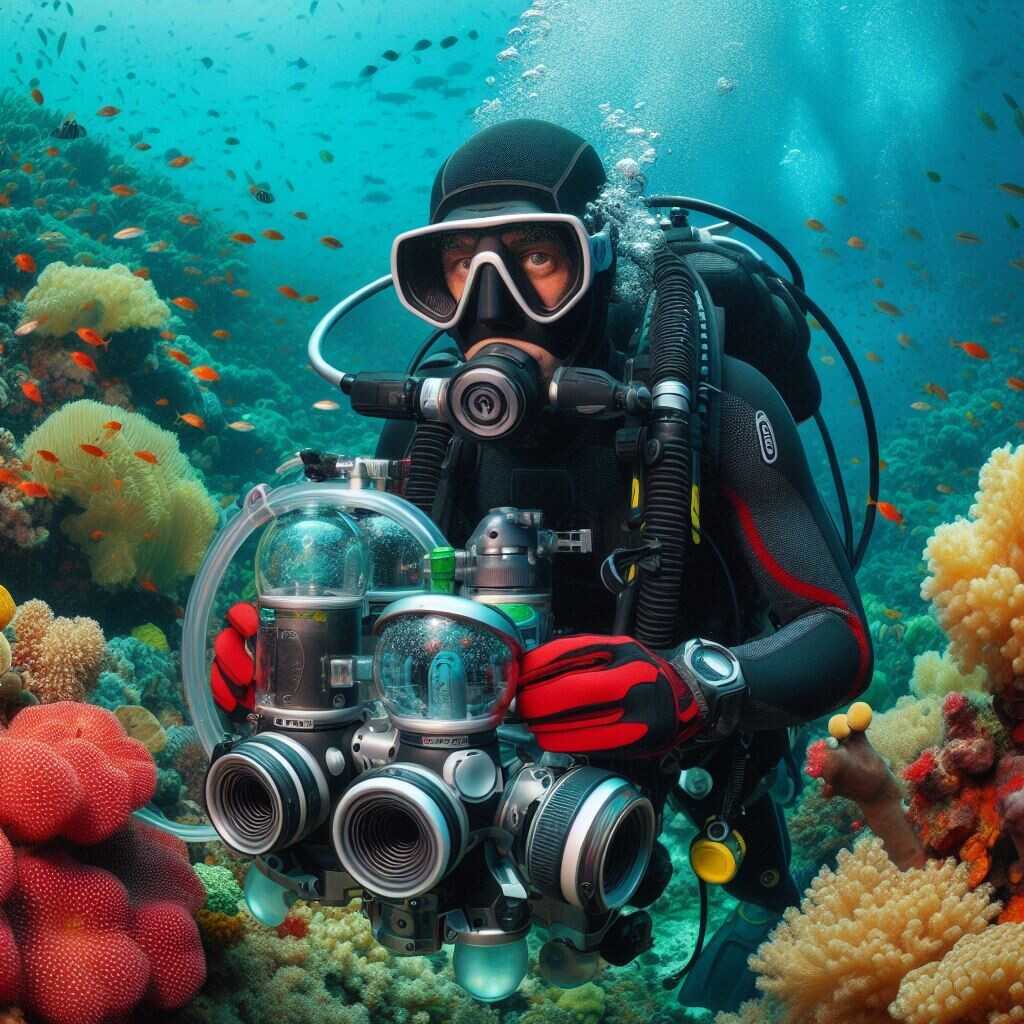
Effective Hand Signals and Nonverbal Communication Techniques
Essential hand signals for underwater photography include the classic “OK” sign, pointing, and the “thumbs up” gesture. Models and photographers can enhance their communication by using clear and consistent nonverbal cues. For example, a simple wave of the hand can indicate a need to adjust positioning. To ensure seamless underwater interactions, photographers should master at least five essential hand signals. Each of these signals must be rehearsed before diving to ensure reliable communication during the shoot.
Understanding Essential Hand Signals for Underwater Shoots
Learning essential hand signals significantly improves communication for underwater photography. The “OK” signal confirms everything is good, while pointing directs attention to specific areas or subjects. The “thumbs up” gesture can indicate a successful shot or to continue. Additionally, raising a hand can signal the model to hold a pose or take a break. Practicing these hand signals increases efficiency and reduces confusion, ensuring smooth sessions. Clear communication enables everyone involved to focus on capturing stunning underwater images without interruptions.

Creating a Communication Plan Before Your Underwater Shoot
A strong communication plan is essential for underwater photography success. Key components include shared expectations, signal systems, and review methods. Models, photographers, and diving instructors should discuss objectives, poses, and safety protocols to ensure everyone is on the same page. A clear outline improves performance and enhances the underwater photography experience. Allocate at least 15 to 20 minutes for pre-dive communication, ensuring participants fully understand their roles and the environment.
Essential Elements of Pre-Dive Communication
Focusing on essential elements can dramatically enhance your underwater photography results. Discussing shared expectations includes understanding both the photographer’s vision and the model’s comfort level. Use simple signals to communicate during the shoot. For instance, an “OK” sign can indicate readiness or a need for a break. Review methods such as a quick tutorial on poses help models feel more confident. Thorough talks will reduce misunderstandings underwater and keep both the photographer and models in sync throughout the shoot.
Key Advantages of Clear Dialogues in Photoshoots
- Clear communication boosts comfort for models during underwater scenes.
- Using gestures simplifies instruction underwater.
- Enhanced clarity leads to better creative outcomes in photography.
- Effective discussions reduce stress for both photographers and models.
- Sharing goals aligns everyone’s vision, ensuring everyone knows what to expect.
- Problem-solving becomes easier through open conversations before and after dives.
- Stronger connections create a fun and collaborative atmosphere underwater.

Fostering Trust and Comfort with Your Underwater Models
Building trust with your underwater models is essential for achieving great photography results. Establishing a rapport starts with clear communication before and during the shoot. Use calm and encouraging body language to convey reliability and create a comfortable atmosphere. Models can feel at ease when they understand their role and the process. Engaging in a pre-shoot conversation allows both parties to discuss expectations and ideas, enhancing the overall experience. Techniques like demonstrating dive signals and showing sample photos can improve confidence. Many underwater photographers prioritize ensuring their models feel secure, with over 70% focusing on establishing comfort as an essential part of the shoot.
Body Language Strategies for Effective Communication
Body language is one of the most effective communication tools in underwater photography. Effective gestures, such as thumbs up or open palms, signify encouragement and help models understand what you want. Smiling and maintaining eye contact through a mask can enhance your connection, making the models feel valued. Use slow movements to avoid startling them and to show confidence in the underwater environment. Additionally, practice using hand signals that you both understand to ensure clarity. These strategies enhance communication and foster a strong bond, resulting in impressive underwater images and more comfortable models.
Leveraging Technology for Enhanced Communication Underwater
Underwater communication devices are crucial for photographers to convey their ideas to models. Options like underwater hand signals, reflective surfaces, and communication slates help establish effective communication. Advanced options such as underwater digital communication systems or full-face masks offer clear audio and visual cues. These tools enhance the reliability and efficiency of interactions underwater. Research shows that pre-visualization techniques, like discussing shooting angles or poses on land, help establish a clear understanding before diving. Reliable communication systems ensure smooth shooting experiences even at significant depths, ensuring models and photographers can collaborate successfully.
Tools for Effective Underwater Communication
Several tools exist to improve communication while underwater. Full-face masks integrated with intercom systems allow for clear conversations between photographers and models, enhancing the experience. Underwater hand signals remain timeless, offering quick, visible instructions. Reflective surfaces or bright colored markers act as visual guides for model positioning. Additionally, communication slates enable photographers to sketch or write down ideas underwater quickly. Research in technology has led to devices that operate effectively up to 300 feet, providing reliable data on performance at various depths. These advances help photographers significantly enhance their shooting efficiency.
Audience Segments for Underwater Photography Insights
- Diving instructors help models understand the underwater environment.
- Amateur photographers seek ways to enhance their underwater images.
- Scuba enthusiasts explore underwater photography to capture marine life.
- Photography educators teach students the importance of communication in shoots.
- Models for underwater photography rely on clear cues during shoots.
- Seasoned underwater photographers often collaborate with diving experts.
- Environmental conservationists appreciate the art of capturing underwater beauty.
Actionable Tips for Successful Underwater Photography Sessions
Effective communication strategies significantly enhance underwater photography sessions. Use hand signals, as they provide clear guidance without disrupting the environment. Create a visual cue card with commonly used signals for models. Reinforce communication by briefing models on underwater signaling before diving. Consistency in messaging helps models understand cues better, which enhances their performance in the water. Diving instructors often recommend rehearsing these signals during surface time to ensure familiarity. Models should also feel comfortable asking questions during briefing. To improve interactions, focus on positive reinforcement by showing models how they can effectively pose to achieve the desired shot. Research shows that communication plays a crucial role in achieving success in underwater photography, adding to the overall quality of results.
Essential Model Interaction Techniques for Effective Underwater Collaboration
Model interaction techniques are vital for productive underwater collaboration. Start by building a rapport with the model, ensuring they feel relaxed in the water. Use underwater handheld signs to create a comfortable atmosphere. It’s essential to establish a pre-dive discussion about poses and moods you want to capture. Discuss specific looks and actions that fit the shoot’s theme. Encourage creativity by allowing the model to suggest poses while emphasizing safety. Use light, playful gestures to keep the energy positive and engage the model actively. A strong focus on model interaction is proven to lead to visually stunning photography. This approach enhances both the experience for the model and the quality of your underwater images.