
Proper underwater camera handling is essential to prevent reef damage while diving. Every action a diver takes can affect delicate marine ecosystems. Scuba Forge encourages underwater photographers and diving enthusiasts to adopt practices that protect reefs and enhance their photography experience. By focusing on safety and environmental awareness, this guide aims to help divers navigate the underwater world responsibly.
Essential Principles of Marine Conservation for Divers
Marine conservation plays a critical role in preserving underwater ecosystems for future generations. Divers have a unique opportunity to influence coral reef health and marine life viability. Sustainable diving practices such as avoiding direct contact with reefs, optimizing buoyancy control, and using proper camera handling techniques significantly reduce ecological impact. Coral reefs are vital as they provide habitat for numerous marine species and act as natural barriers against storms. Moreover, over 70% of world coral reefs are threatened by pollution, climate change, and overfishing. These alarming statistics underline why every diver’s contribution to marine conservation is essential.
Understanding the Impact of Diving on Coral Reef Health
Diving can greatly impact coral reefs, often unknowingly. Many divers may not realize that their actions can lead to coral breakage and sediment disturbance. Maintaining buoyancy is crucial; striking coral with gear can cause significant damage over time. When taking underwater photos, it is vital not to hover over fragile coral formations. Sustainable diving techniques, such as using dive guides and sticking to designated paths, help enhance coral reef protection. The ecological health of these underwater ecosystems depends on divers being responsible and aware of their surroundings.
Fundamentals of Safe Camera Handling Underwater
Key techniques for safe underwater camera handling include maintaining a stable grip, avoiding sudden movements, and using buoyancy control to prevent accidental contact with the reef. Features of cameras designed for diving, such as non-reflective surfaces and sturdy housing, enhance reliability and reduce risks to delicate marine environments. Knowledge of best practices helps divers avoid actions that could disturb or damage coral formations. The recommended depth limit for many underwater cameras is typically around 30 meters, ensuring reliable performance and safety.
Best Practices for Maintaining Camera Gear Underwater
Maintaining proper underwater camera gear involves regular checks and knowledge of essential equipment maintenance. Before diving, ensure that all seals are intact and that the housing operates smoothly. Use lanyards to prevent losing equipment and ensure it is easy to retrieve. Regular cleaning after dives helps remove salt and debris, preventing malfunctions. Be aware of currents and currents’ effects on gear stability, as they can impact the reliability and performance of your camera system. Implementing these best practices enhances your underwater photography experience while preserving reef health.

Selecting the Right Camera Gear for Underwater Use
When choosing underwater camera gear, focus on key features like water resistance, durability, and image quality. Look for cameras with a depth rating of at least 30 meters to capture stunning imagery while ensuring reliability. Brands like Nikon, Canon, and Olympus offer excellent underwater cameras suitable for coral reef photography. Explore models such as the Nikon W300 or the Olympus Tough TG-6, which provide durable performance. Selecting gear with a comfortable grip and intuitive controls can enhance your photographing experience, making it easier to capture underwater shots as you explore marine environments.
Essential Accessories for Underwater Photography
Accessories play a vital role in underwater photography. Consider using a sturdy underwater housing to protect your camera from water entry, especially if you opt for a DSLR. LED lights enhance visibility in murky waters, improving image quality. A floating strap ensures your camera won’t sink if dropped, providing peace of mind during dives. Additionally, underwater strobes can illuminate subjects, allowing for vibrant colors and better contrast in photographs. Researching the best accessories will help you maximize the performance of your underwater camera setup, ensuring you capture every moment of your underwater adventure.
Key Statistical Insights on Underwater Photography Practices
- 70% of coral reefs are located in shallow tropical waters.
- Over 50% of reefs worldwide are at risk from human activities.
- Camera gear weight can exceed 50 pounds depending on the setup.
- Using proper buoyancy aids can decrease reef contact by 80%.
- Coral takes up to 10 years to recover from minor damage.
- More than 50% of divers admit to unintentionally damaging reefs.
- Regular training increases safe camera handling knowledge by 65%.

Strategies for Minimizing Environmental Impact While Diving
Divers can effectively minimize their impact on marine life by using careful underwater camera handling. To avoid disturbing fragile ecosystems, divers should practice slow and deliberate movements. Changing buoyancy control allows for better positioning near coral without making contact. Selecting the right camera angle enhances the shot while keeping distance from sensitive areas. Techniques such as keeping a comfortable distance from marine creatures help protect their natural behaviors. Employing slow movements allows for clear photographs while reducing disturbances to coral reefs. This mindful approach ensures that your underwater photography contributes positively to conservation efforts.
Essential Techniques for Safe Camera Positioning
Proper camera positioning is essential for safeguarding coral reefs. When aiming your camera, ensure you are at least three feet away from coral formations. This distance not only protects the reef but also enhances the image quality. A low angle helps capture the beauty of marine life without creating disturbances. Additionally, use a wide-angle lens to portray expansive underwater scenes without getting too close. Keeping gear streamlined prevents accidental contact with sensitive areas. Developing awareness of your surroundings helps identify potential hazards to marine life. These techniques improve your photography experience while promoting coral reef preservation.
Best Practices for Coral Reef Protection During Dives
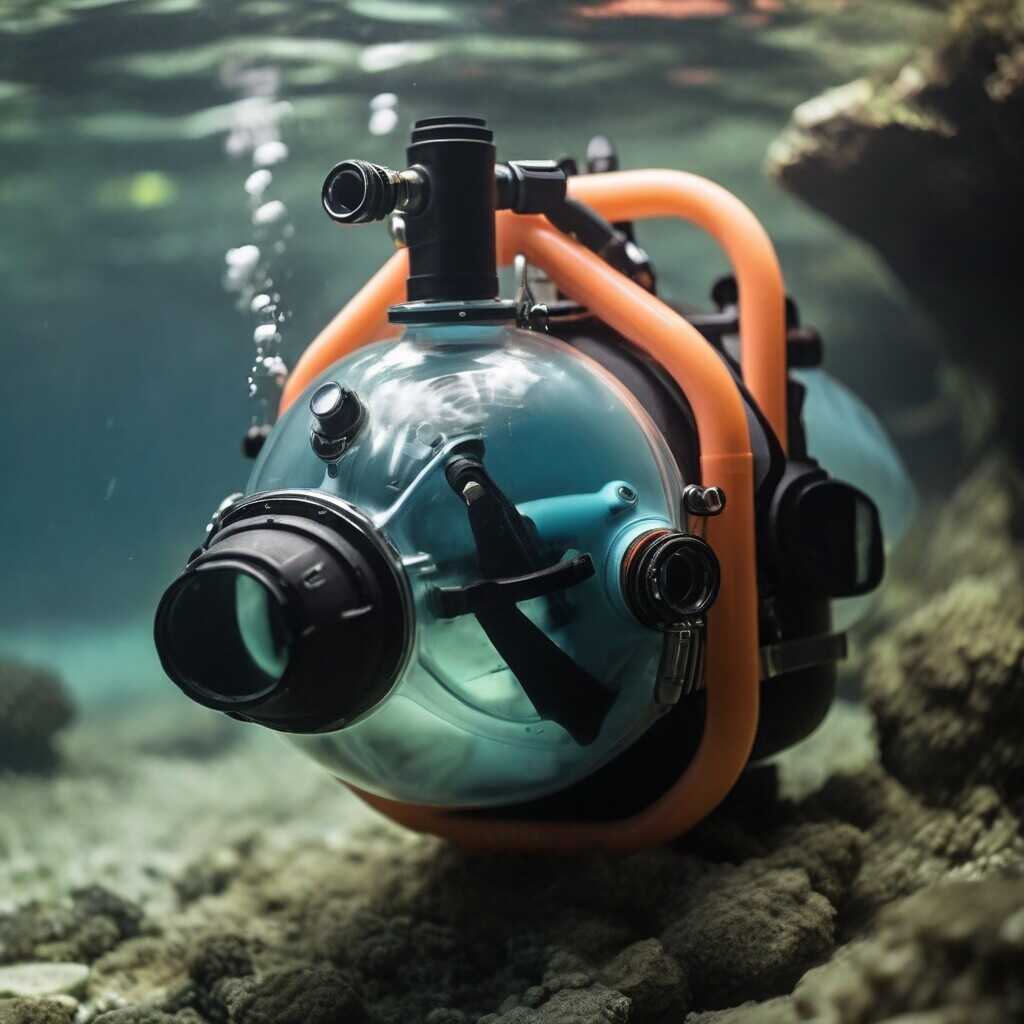
Divers should adopt several best practices to protect coral reefs. First, maintain a safe distance from the reefs. This ensures that divers don’t accidentally touch or kick the corals. Second, use buoyancy control to prevent unnecessary contact with the seabed. This helps to avoid disturbing delicate ecosystems. Third, utilize underwater cameras with care. Secure cameras with wrist straps and avoid reaching for shots too close to the corals. This ensures underwater camera handling is safe and doesn’t harm living organisms. These practices are designed to enhance diver behavior and ensure that equipment choices do not negatively impact the environment.
Choosing Environmentally Friendly Diving Equipment
Selecting the right diving equipment can significantly impact coral reef protection. Divers should choose gear that minimizes environmental disturbances. For example, consider using wetsuits made from eco-friendly materials that do not release harmful chemicals into the water. Lightweight and streamlined buoyancy devices improve mobility, allowing divers to navigate carefully around sensitive areas. Research has shown that using underwater cameras equipped with protective housing can reduce the risks of damage to ecosystems while enhancing the photography experience. Being mindful about gear choices helps to ensure maximum effectiveness in preserving coral “real estate” beneath the waves.
Advantages of Responsible Underwater Camera Usage
- Enhances your skills as an underwater photographer by focusing on safety.
- Protecting marine life ensures vibrant ecosystems remain intact.
- Increases chances of capturing stunning images without harming nature.
- Promotes a culture of respect for marine environments among divers.
- Encourages collaborative conservation efforts within diving communities.
- Boosts awareness about environmental issues when shared widely.
- Supports scientific research and marine conservation initiatives.

Risks of Improper Camera Usage on Reef Ecosystems
Improper camera usage can lead to severe coral reef damage. Divers often create disturbances by accidentally touching corals or stirring up sediment. Coral reefs are sensitive environments, and careless actions, like using large or poorly designed photographic equipment, can cause physical damage. Mechanical equipment can scrape or break corals, which are slow to recover. Moreover, the introduction of harmful substances, such as sunscreen or oil from equipment, can disrupt the delicate balance of reef ecosystems. Each action contributes to long-term repercussions on coral health and overall biodiversity.
Specific Behaviors That Harm Reefs During Photography
Specific behaviors during underwater photography can significantly harm reefs. For example, diving too close to corals can lead to unintentional contact that breaks or uproots coral structures. Using flash can cause stress to marine life, leading them to flee their habitat. Additionally, careless buoyancy control often results in divers accidentally landing on or dragging their equipment over the coral. Each of these actions can disrupt the reef ecosystem. Understanding how to handle camera gear properly is crucial for maintaining reef health. Proper training and awareness enhance diver experience while protecting these vital ecosystems.
Effective Tips for Safe Underwater Photography
To protect marine ecosystems while capturing stunning images, divers should prioritize careful underwater camera handling. Reliable underwater camera handling techniques include avoiding contact with sensitive corals and using buoyancy control to prevent accidental contact. Divers can enhance their photography by utilizing protective lens covers and by maintaining a respectful distance of at least 3 feet from coral formations. These practices not only ensure high-quality photography but also actively help in reef conservation efforts.
Essential Techniques for Environmentally Conscious Photography
Divers can implement essential techniques to improve their underwater photography while safeguarding marine habitats. One effective method is using a wide-angle lens to capture expansive reef scenes without needing to get too close. Setting your camera to lower ISO levels can reduce artificial lighting impacts on marine life. Using natural light during dives enhances your images and decreases the need for external flashes, which can disturb species. Combining these photographic strategies with responsible underwater camera handling leads to impressive results while preserving delicate ecosystems.
Brands and Groups Supporting Safe Underwater Practices
- GoPro: Compact, durable, and easy to use in various conditions.
- SeaLife: Designed for underwater functionality with environmentally conscious materials.
- Olympus: Known for high-quality underwater cameras with impressive capabilities.
- Reef Watch: A community program focused on educating divers about reef preservation.
- Marine Conservation Society: Engages divers in protecting ocean life and habitats.
- Scuba Schools International (SSI): Trains divers with emphasis on environmental awareness.
- National Geographic: Raises awareness about marine environments through photography initiatives.
Further Resources on Marine Conservation and Diving Safety
To deepen your knowledge of marine conservation, consider joining organizations such as the Ocean Conservancy, the Marine Conservation Society, and the Coral Triangle Initiative. These organizations provide essential resources, including educational materials and research on marine ecosystems. Community initiatives like ReefWatch and local dive clubs offer programs focused on diving safety and reef protection. In terms of educational resources, there are approximately 15 online courses on diving safety and marine conservation recommended for divers in 2025. These courses help enhance safety measures and increase awareness of marine protection efforts.
Key Organizations and Online Courses for Divers
Organizations like the Ocean Conservancy and the Marine Conservation Society provide reliable information and research on marine conservation. Their online platforms offer a range of courses designed to improve your diving safety skills. Additionally, you can find online educational resources that deliver essential training on safe diving practices. These courses can enhance your diving knowledge and ensure you are environmentally conscious while underwater. Engaging with these organizations and their courses is essential for any diver interested in marine protection efforts.