
Mastering underwater photography with expert composition techniques can transform your aquatic images from ordinary to extraordinary. By understanding the principles of composition, you can capture stunning photos that showcase the beauty of marine life and underwater landscapes. At Scuba Forge, we believe that the right techniques can enhance your photography skills, whether you are a seasoned diver or just starting out. This guide will share valuable tips on photo composition specifically tailored for underwater shooters, helping you create memorable images while exploring the underwater world.
Essential Principles of Photo Composition Underwater
Key principles of composition in underwater photography include using the rule of thirds, leading lines, and framing. The rule of thirds helps divide the frame for better balance. Utilizing leading lines, like the flow of water or coral formations, pulls the viewer’s eye through the image. Framing elements, such as schools of fish or rocks, create focal points. Moreover, understanding how light and color interact underwater improves image quality. Marine life adds dynamic elements that enhance photos, making them more engaging. It’s essential to remember that an ideal ratio is approximately 70% foreground interest, including the subject, with a 30% background.
Understanding Light and Color in Underwater Spaces
Light and color play critical roles in underwater photography composition. Water absorbs colors differently; red fades quickly, while blue and green dominate. To counteract this, use artificial lighting or adjust your settings for better color reproduction. Position yourself to maximize natural light filtering from above. Adjusting exposure settings also enhances colors and details of the marine life. The right lighting techniques lead to vibrant images, making underwater scenes look spectacular and true to life. Proper color management ensures your underwater photos appear striking and natural.
Maximizing Natural Light for Underwater Photography
Natural light significantly affects underwater photography by enhancing colors and clarity. Underwater environments absorb light differently than above water, which makes understanding light behavior essential for capturing vibrant images. The best types of natural light for underwater photography include daylight, especially during midday when the sun is directly overhead, and softer light found during morning and late afternoon hours. Both times provide better illumination to reveal rich underwater details. In clear waters, natural light typically penetrates approximately 33 feet before fading.
Essential Techniques for Using Natural Light
To effectively use natural light for underwater photography, position yourself to capture the sun’s rays directly. Adjust your angle for optimal light exposure and to minimize backlighting issues. Use a wide aperture to allow maximum light into the lens, creating a bright, vibrant underwater image. Additionally, experiment with white balance settings to ensure colors pop. Using a strobe can further enhance your underwater color enhancement efforts, especially in deeper water. Properly balancing natural light with artificial light sources can drastically improve photo quality, ensuring reliable results.

Innovative Angles and Perspectives to Elevate Your Shots
Experimenting with unique angles greatly enhances underwater photography. Try shooting from below your subject, which often creates dramatic silhouettes. Shooting from a side angle can provide depth to the image. Top-down shots can offer an abstract view of marine life and patterns. Creative perspectives, such as including the water’s surface or other divers, can add layers to your composition. Consider your background as well—play with colors and textures to ensure your subject stands out. Such techniques significantly improve your photos’ visual interest.
Optimal Distances for Underwater Photography Composition
Maintaining an optimal distance from your subject is crucial for effective composition in underwater photography. Generally, shooting between 1 to 3 feet allows for sharp detail while avoiding distortion. For larger subjects, like schools of fish or shipwrecks, a distance of 10 to 15 feet can still capture vivid details without loss of context. Using a wide-angle lens can help enrich your compositions at these distances. Placing your camera too close can cause light scattering, affecting clarity. Ensuring the right distance will enhance your photos’ reliability and overall visual appeal.
Numerical Insights on Underwater Photo Mastery
- Underwater imagery often requires a minimum of 5 seconds for perfect shots.
- Over 70% of the world’s surface is covered by oceans, providing diverse photography opportunities.
- Aperture settings for underwater photos usually range from f/5.6 to f/11.
- Most divers recommend shooting at depths of 10 to 30 feet for clear visuals.
- Color absorption in water fades red hues after just 15 feet deep.
- Using a full-frame camera can improve image quality up to 100% compared to compact cameras.
- Five common composition techniques can significantly enhance underwater photography.

Framing Techniques to Highlight Underwater Subjects
Framing plays a crucial role in underwater photography. It emphasizes underwater subjects and creates striking visuals. Using techniques like leading lines, natural frames, and symmetry can enhance the visual impact. Leading lines guide the viewer’s eye toward the focal points, ensuring they capture the diversity of marine life. Natural frames, such as rocks or corals, add depth and context to images. The optimal distance for framing underwater subjects typically ranges from three to six feet. This distance balances clarity and detail, allowing photographers to capture stunning underwater compositions effectively.
Effective Composition Strategies for Underwater Photography
Implementing effective composition strategies can greatly enhance your underwater photography. Techniques like the Rule of Thirds can help distribute elements across the frame. Positioning your subject one-third down from the top creates balance. Using a wide-angle lens can also capture more of the scene, allowing for stunning backgrounds that complement your subjects. Additionally, aiming for consistent lighting ensures colors pop in your images. Working with manual settings can help adjust white balance underwater, enabling more vibrant colors. These strategies not only improve your composition but also help in showcasing the richness of underwater environments.
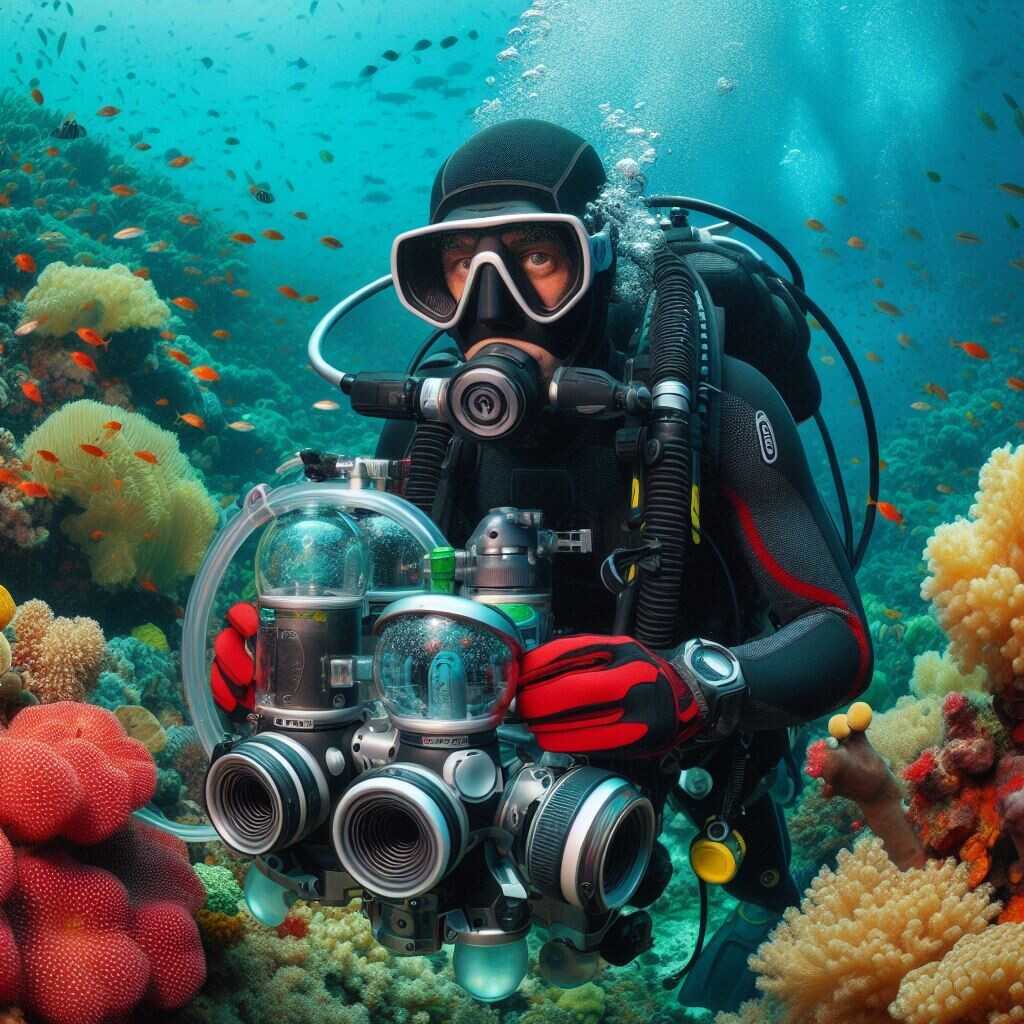
Identifying Leading Lines for Compelling Compositions
Leading lines are essential to creating dynamic underwater photos. Techniques like scanning your environment for natural pathways—such as sand trails, the edges of coral formations, or fish schools—help guide viewers’ eyes through the image. When incorporating elements like marine life or coral formations, you can create an engaging narrative. Using leading lines ensures visual guidance and depth in your composition. Maintain a low angle to enhance these lines. The perspective you choose dramatically affects how leading lines can engage the viewer.
Utilizing Coral Formations in Leading Lines
Coral formations can enhance the effectiveness of leading lines in your underwater photography. Look for natural arches or clusters that create pathways in your composition. Position your camera low to capture these lines extending away from the viewer. This angle adds depth, showing the coral’s intricate details while drawing attention to the subject. Marine life often interacts with these formations, further enhancing the scene’s interest. Experimenting with various lighting and distance will reveal how reliably these natural elements can guide the viewer’s gaze. This strategy improves your underwater photography’s quality and storytelling capability.
Advantages of Improving Underwater Photography
- Higher quality images can attract more attention to marine conservation.
- Mastering composition techniques can lead to breathtaking underwater shots.
- With better skills, photographers increase their chances of publication and recognition.
- Photographers develop a deeper appreciation for marine life and environments.
- Honing composition skills can enhance overall photography talent across genres.
- Improved techniques promote enjoyment and satisfaction in diving adventures.
- Learning these tips fosters a sense of community among underwater enthusiasts.

Strategies for Achieving Balance in Your Compositions
Balancing compositional elements in underwater photography significantly enhances your image’s overall aesthetic. Key elements such as the foreground, middle ground, and background play vital roles. A well-balanced photo can engage your audience and guide their eyes to the main subject. When you integrate layers like the fore and background, you create depth and context, supporting the focus on your subject. For optimal balance, your main subject should ideally occupy about 30% of the photo space, allowing room for the surrounding elements. This strategy enables viewers to appreciate the entire scene rather than just the focal point.
Incorporating Depth and Layers in Photography
Incorporating depth and layers is essential for achieving stunning underwater photographs. Utilizing the foreground with interesting shapes or textures can guide viewers’ eyes into the scene. The background plays a crucial role too, as it adds context and can help diminish distractions. When composing your shot, ensure that your middle ground effectively connects your foreground and background, providing a seamless transition. By following this layering strategy, you enhance the visual impact of your photos while ensuring that your main subject retains its importance in the image.
Creating the Illusion of Depth in Underwater Photos
Effective techniques for creating depth in underwater photography include using converging lines, optimizing lighting techniques, and incorporating underwater elements. Converging lines can lead the viewer’s eye toward your subject, enhancing depth. Use natural light to create shadows and highlights that add dimension. Positioning foreground elements, like coral or fish, can frame your subject and create a layered effect. The distance between your subject and background plays a crucial role; a distance of at least 10 feet can significantly improve depth perception in your images. Additionally, adjusting your depth of field helps to blur the background, making your subject stand out more dynamically.
Lighting Techniques to Enhance Depth
Lighting techniques are essential for enhancing depth in underwater photography. Natural light creates layers and dimension when shooting at various depths. As you go deeper, the color spectrum changes; warmer colors fade first, leading to a blue hue. Using strobes at the right angle diminishes backscatter and highlights the subject. Positioning lights below or to the sides of subjects allows shadows to form, which creates more visual interest and depth. Experimenting with different angles can reveal impressive textures and features in your scene, significantly improving quality and overall performance of your underwater images.
Target Audiences for Underwater Photography Skills
- Scuba divers enhance their photo-taking skills to capture memories.
- Marine conservation advocates use visuals to spread awareness and promote protection.
- Photography students gain real-world experience with underwater photography.
- Adventure travelers document their journeys with captivating underwater imagery.
- Wildlife enthusiasts appreciate underwater photography for showcasing biodiversity.
- Eco-tourists focus on photographing marine life to support conservation efforts.
- Instructors teach students techniques to capture the beauty of underwater settings.
Actionable Tips for Composing Stunning Underwater Images
When capturing underwater images, focus on elements like lighting, perspective, and framing. Understand the three main underwater composition techniques: the rule of thirds, leading lines, and balancing elements. The rule of thirds divides your frame into nine equal sections, guiding the placement of key subjects. Use leading lines, such as underwater rocks or plant formations, to draw the viewer’s eye. Balance your image by including foreground and background elements to create depth. To enhance photo quality, utilize reliable and durable underwater housing for cameras. The right equipment ensures your gear can handle pressure and keeps your images sharp. Aim to master at least five distinct underwater composition techniques like these for stunning results.
Essential Composition Techniques for Underwater Photography
Focusing on essential composition techniques greatly enhances your underwater photography. The rule of thirds is crucial; place key subjects off-center for a natural feel. Experiment with underwater angles that provide unique perspectives, such as shooting from below or above the subject. Utilize the natural light that filters through water; this improves colors and details. Consider exposure settings that capture your subject clearly without overexposing bright spots. Depth of field also matters; a shallow depth brings focus to your subject while softly blurring backgrounds. Practicing these techniques will provide a structured framework, enabling you to craft visually captivating images consistently.