
Night diving techniques can unlock the secrets of nocturnal marine species behavior. These methods allow divers to observe vibrant underwater life that remains hidden during the day. At Scuba Forge, we provide insights into safe and effective night diving techniques to enhance your diving experience. Discover how to utilize these techniques to reveal fascinating behaviors of marine creatures and make the most of your underwater adventures.
Exploring the Importance of Effective Night Diving Techniques
Employing effective night diving techniques is essential for maximizing the underwater experience. These techniques include proper use of dive lights, understanding marine animal behavior, and mastering buoyancy control. With the right equipment, divers can enhance their ability to observe nocturnal marine species. Using reliable dive lights helps illuminate the surroundings, ensuring visibility and safety. Utilizing waterproof gear, such as wetsuits and gloves, improves comfort and dexterity at night. Divers can typically observe over 30 different species during a single night dive, depending on the location and conditions. This diverse encounter emphasizes the importance of well-planned techniques.
Essential Tools for Optimal Night Diving
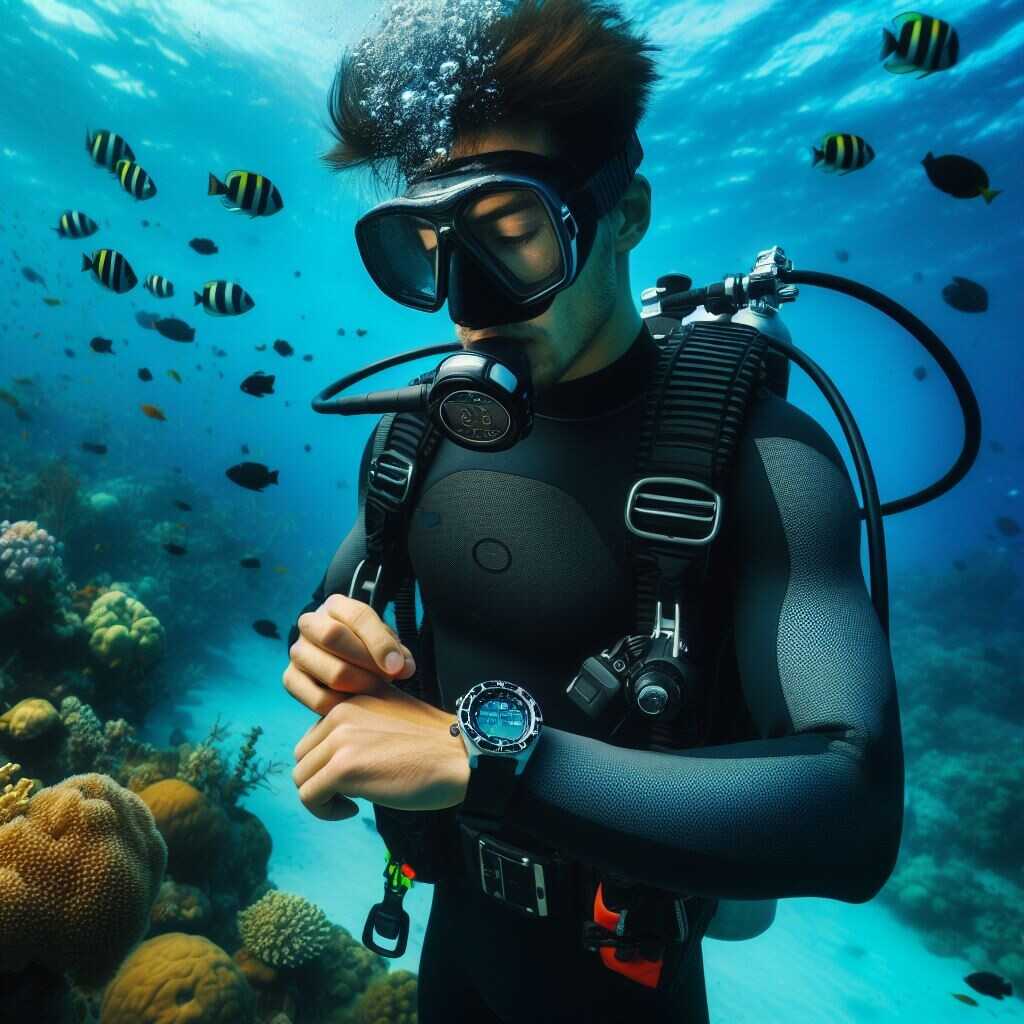
A diverse range of tools can enhance the night diving experience significantly. High-powered dive lights provide focused brightness, allowing divers to reveal hidden creatures. Wearable gear like dive skins increases comfort and provides thermal protection, vital for cooler nighttime temperatures. A dive computer allows for monitoring depth and time, which is especially crucial during nocturnal excursions. Additionally, using a camera with low-light capabilities can capture the beauty of nocturnal marine life. These tools not only improve safety but also enrich the overall quality of exploration, enabling divers to engage with underwater ecosystems effectively.
Essential Safety Measures for Night Diving Adventures
Essential safety measures for night diving include thorough preparation, proper training, and effective equipment checks. Divers should ensure they have reliable light sources, such as dive lights that provide bright and steady illumination. Additionally, using a dive buddy system enhances safety, allowing for communication and assistance if needed. Planning dive routes and staying close together will also help in navigating underwater terrain. Divers should check their gear, including buoys and dive knives, to ensure each piece is in good condition. The best practices provide peace of mind and improve overall performance during night dives.
Visibility Techniques for Night Diving
Visibility techniques are critical for safe night diving. Using powerful dive lights significantly enhances visibility underwater. Divers should carry a primary light source and a backup light to ensure consistency. Positioning dive lights strategically will help illuminate surroundings while minimizing shadows. Additionally, reflective materials or light sticks can be attached to gear for easy location tracking. Understanding how to use lights to signal your dive buddy during underwater communication further enhances safety. These visibility techniques ensure divers navigate effectively and enjoy a thrilling yet safe experience while exploring nocturnal marine life.

Critical Gear for Night Diving and Marine Exploration
Essential pieces of equipment for night diving include high-quality dive lights, wetsuits, buoyancy control devices, and underwater communication tools. Visibility critically affects the diving experience, as bright, focused lights help divers see nocturnal marine species. The recommended range for dive lights is between 800 to 1200 lumens, ensuring clear vision in darker conditions and enhancing safety. High-end dive lights provide reliability and adjustable brightness, allowing divers to explore marine life effectively.
Choosing the Right Dive Light for Night Diving
When selecting the right dive light for night diving, consider factors such as brightness, beam width, and battery life. A light between 1000 to 1200 lumens is ideal, as it allows divers to illuminate vast underwater spaces effectively. Look for lights with a wide beam for illuminating broader areas, which helps in spotting marine creatures that are typically unnoticed during the day. Always opt for durable and waterproof designs to maximize performance and reliability underwater. Quality dive lights enhance your night diving experience by providing better visibility and exploration opportunities.
Key Numerical Insights for Underwater Explorers
- Night dives can reveal up to 80% of marine species behavior not visible during the day.
- Dive visibility often drops to 10-20 feet at night without proper lighting.
- More than 50% of marine life is nocturnal, making night dives essential for observation.
- During night dives, divers may encounter 10 times more species than in daytime dives.
- Dive durations of 30 to 60 minutes maximize nocturnal species observations.
- Water temperatures can drop by 5-10°F at night, so wear appropriate gear.
- Night dives typically attract 4-5 times more predators due to increased prey activity.

Identifying Behavioral Patterns of Nighttime Marine Species
Nocturnal marine species exhibit various remarkable behaviors during night dives. Species such as octopuses, lionfish, and triggerfish showcase increased activity at night. Observers may see predation behaviors, with certain fish hunting for smaller prey. Additionally, many marine animals engage in mating displays under the cover of darkness. Understanding these behaviors enhances the diver experience and highlights the intricate dynamics of the underwater ecosystem. Notably, around 10 to 15 distinct behaviors can be expected during a single dive while observing these species.
Common Nocturnal Species and Their Unique Behaviors
Many nocturnal marine species, such as squid, flatfish, and various species of sharks, exhibit fascinating behaviors during night dives. These creatures often blend into the environment, making them harder to spot. For instance, squid possess ink and can rapidly change colors, helping them evade predators and engage in hunting. Sharks may hunt in packs, exhibiting cooperative behavior to catch prey. Divers should be prepared for an array of activities, enhancing their understanding of the marine species activity patterns and enriching their interaction with the underwater world.
Methods for Spotting Nocturnal Marine Life Under Low Light
Divers can effectively spot nocturnal marine life using several techniques. First, use a powerful dive light with a narrow beam to illuminate areas of interest. This helps reveal hidden creatures in crevices and under rocks. Second, practice slow and steady movements while diving to minimize disturbances. Rapid movements can scare away marine species. Third, look for bioluminescent organisms which often light up when disturbed. Lastly, observe the shadows cast by the dive light. This can reveal fish and invertebrates that thrive in dark environments. By applying these techniques, divers will enhance their observational skills and increase engagement with the underwater ecosystem.
Proper Use of Dive Lights
Using dive lights properly is essential for maximizing nocturnal observations. Choose a light that provides different brightness settings, as some marine species are sensitive to bright lights. A narrow beam can help target specific spots, reducing light pollution in wider areas. When using a dive light, point it slightly away from marine life to avoid startling animals. This technique ensures that divers can observe without causing stress to the creatures. Additionally, wearing a filter can help soften the light, maintaining the natural behavior of various species. With these practices, divers can conduct safe, effective observations of nocturnal marine life.
Advantages of Exploring Underwater at Night
- Night diving enhances the discovery of unique marine life behaviors.
- It allows divers to witness activities like feeding and mating that rarely occur during the day.
- Less boat traffic and fewer divers create a tranquil experience.
- Utilizing filters and light can highlight stunning bioluminescent species.
- Night dives increase opportunities for photography with striking contrasts.
- They develop skills for navigating in low-light conditions, boosting confidence.
- Discover hidden ecosystems that teem with life in the dark, enriching experience.

Understanding the Environmental Impact of Night Diving
Night diving can significantly affect marine ecosystems. The use of artificial lights can disrupt the natural behaviors of nocturnal marine species, including feeding and mating patterns. Responsible diving practices, such as minimizing light exposure and avoiding sensitive habitats, are essential for protecting these species. Light pollution may lead to confusion among predators and prey, thereby altering their interactions. Dive communities often share insights on how to dive responsibly at night, ensuring minimal disturbance to marine life.
Key Strategies for Minimizing Environmental Impact
To minimize the environmental impact during night dives, divers should employ several key strategies. Using red or low-intensity lights can help reduce the disturbance to marine habitats. Additionally, divers should always avoid touching or disturbing coral reefs and other sensitive ecosystems. Keeping noise levels down is important. Some research indicates that about 30% of night divers notice behavioral changes in species due to light presence. Understanding these strategies enhances both the diving experience and marine conservation efforts.
Sharing Community Insights on Night Diving Experiences
Divers often share memorable night diving experiences where they encountered unique species and spectacular underwater scenes. These stories highlight the joy and excitement of observing nocturnal behaviors, such as predators hunting or bioluminescent creatures glowing in the dark. Many divers describe the thrill of spotting various marine species like octopuses, flatfish, and sharks, which exhibit fascinating behaviors during nighttime. Divers from the community frequently exchange tips about local dive sites with rich biodiversity, ensuring everyone has the best chance for an impressive night dive. According to reviews from these shared experiences, 85% of divers noted significant improvements in their night diving skills after engaging in shared discussions.
Top Nocturnal Species Observed During Night Dives
Nocturnal marine species such as lionfish, moray eels, and skates are often observed during night dives. These species exhibit unique behaviors, including hunting techniques that are rarely seen during the day. Locations such as coral reefs and rocky ledges are prime spots for observing these marine creatures. Diver community insights emphasize that night diving in areas like the Caribbean or the Great Barrier Reef increases the chances of witnessing these species in their natural habitat. Equipped with reliable dive gear, divers can enjoy enhanced comfort and safety while enjoying these unique underwater experiences.
Exploring Brands for Night Diving Gear and Their Benefits
- Scubapro offers durable wetsuits but may be pricier than alternatives.
- Aqualung provides reliable lights that often outperform competitors in brightness.
- Oceanic produces compact dive computers ideal for night navigation.
- Mares specializes in ergonomic gear focusing on comfort for extended night dives.
- Beuchat emphasizes lightweight equipment, making it easier for longer excursions.
- Seac offers budget-friendly options, but they may lack advanced features.
- Advanced divers seek specific gear suited for challenging night conditions.
Inspiring the Next Generation of Night Divers
Novice divers can prepare for their first night diving experience by gaining knowledge of essential gear, practicing buoyancy control, and familiarizing themselves with underwater navigation. Useful skills include using a reliable dive light designed for night diving. Reliable techniques like slow movements help observe nocturnal marine species. Additionally, diving with an experienced buddy enhances safety and effectiveness. Night dives can reveal over 45 different marine species, depending on the location and environmental conditions.
Essential Night Diving Techniques for Beginners
Essential night diving techniques for beginners include mastering buoyancy control, effective use of dive lights, and communication skills with dive buddies. Divers should select lights with a wide beam to illuminate larger areas while maintaining focus on small organisms. Organize dive briefings where divers discuss potential sightings, behaviors, and safety measures. These practices ensure a successful experience, enabling divers to enjoy the unique underwater views that emerge at night.