
Effective macro photography techniques for capturing tiny marine creatures can reveal the hidden beauty of ocean life. By focusing on close-up shots, you can showcase vibrant colors and intricate details often missed by the naked eye. Scuba Forge provides valuable tips to enhance your underwater photography skills, ensuring you capture stunning images of these delicate organisms. Whether you are an amateur photographer or a seasoned diver, mastering these techniques will elevate your work and appreciation for marine ecosystems.
Fundamentals of Macro Photography for Marine Creatures
Macro photography focuses on capturing intricate details of small subjects, making it essential for photographing marine creatures. Key principles include using a macro lens designed for high magnification, ensuring stability with a tripod, and mastering lighting techniques. Equipped with knowledge of underwater environments, photographers can enhance image clarity and detail. Commonly recommended equipment includes macro lenses, external flashes, and underwater housings for cameras. Generally, a photographer can get as close as 10 to 15 centimeters to marine life when capturing macro shots, depending on the creature’s sensitivity and the lens’s capabilities.
Essential Equipment for Macro Photography
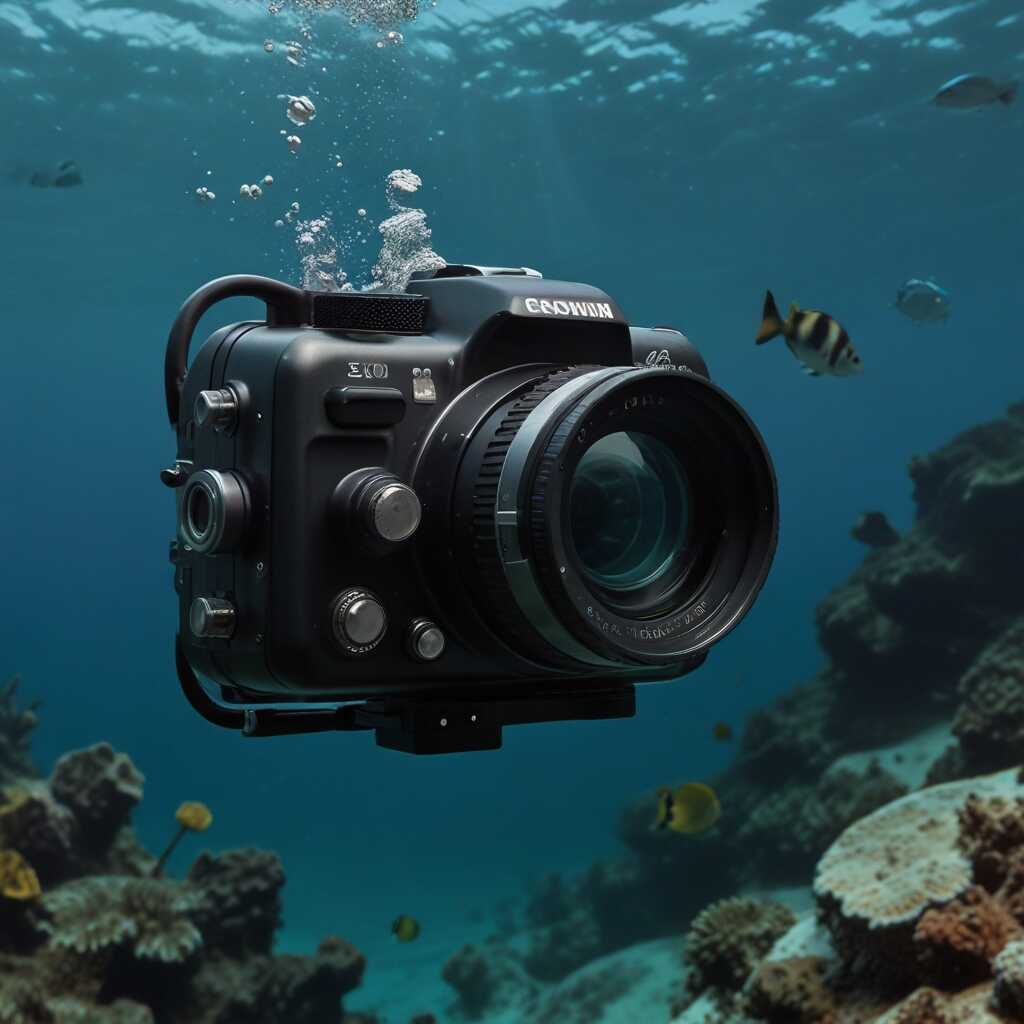
Choosing the right gear is vital for successful underwater macro photography. A macro lens provides impressive magnification, making small subjects appear large in the frame. An external flash helps illuminate dark underwater environments and reduces backscatter from particles in the water. A stable tripod or a weighty housing can prevent movement and enhance reliability. Consider using focus lights for easier subject tracking. Many photographers also find that using a wet lens enhances their setup for underwater macro shots. Each piece of equipment is designed to improve performance and capture quality, resulting in detailed images of marine life.
Essential Equipment for Successful Macro Photography
To achieve excellent results in macro photography of marine creatures, focus on specific camera types and lenses. DSLRs and mirrorless cameras are top choices, known for their reliability and performance. Recommended models include the Canon EOS R5 and the Nikon Z series, recognized for their image quality. For lenses, consider dedicated macro lenses such as the Canon EF 100mm f/2.8L or the Nikon Z 50mm f/2.8. Each provides the essential ability to capture intricate details. Many of these lenses can focus within a distance of 1 to 6 inches, making them effective for close-up shots.
Choosing the Right Lens for Marine Life Photography
Choosing the right lens is crucial for capturing detailed images of tiny marine life. Macro lenses with a focal length of 100mm are ideal, allowing for a comfortable distance between you and the subject. These lenses enhance your capabilities by providing excellent sharpness and detail. Specialized underwater macro lenses can handle challenging conditions and are designed for durability. Look for lenses with weather-sealing features for added protection. Lenses with f/2.8 aperture provide a shallow depth of field, making subjects pop against beautifully blurred backgrounds. This quality significantly improves the overall look of your underwater photographs.

Precision Focusing Techniques for Underwater Macro Shots
To achieve sharp focus when photographing tiny marine organisms, use live view mode to magnify subjects. This enhances precision focusing. Adjust your camera settings to a higher aperture for greater depth of field. A tripod or stabilizing device helps in steady shooting, especially in turbulent water. Invest in a macro lens designed for underwater conditions. This lens provides exceptional detail, allowing you to capture the intricate features of marine life.
Optimal Camera Settings for Underwater Macro Photography
Optimal camera settings for underwater macro photography include a higher ISO between 200 to 800. This allows for better exposure in dim lighting. Set your shutter speed to 1/200 sec or faster to freeze rapid movements in water. Use manual focus to avoid depth of field issues. Adjust your white balance according to the water conditions to deliver accurate colors. Properly configuring these settings ensures reliability and improves your macro photography experience in underwater environments.
Numerical Insights into Underwater Imaging
- About 70% of the Earth’s surface is covered by water, ideal for diving and macro photography.
- Marine creatures can be less than 1 mm long, requiring special techniques for capture.
- Using a 100mm macro lens can magnify subjects up to 1:1 life size.
- Capturing images at depths of over 30 feet demands reliable gear and techniques.
- Most marine animals rarely stay still longer than a few seconds, demanding quick responses.
- Lighting angles can be adjusted to enhance clarity in over 80% of underwater shots.
- Optimal aperture for macro underwater photography often ranges from f/8 to f/11.

Lighting Techniques to Enhance Macro Photography Underwater
Using both natural and artificial lighting effectively is essential for underwater macro photography. Natural light works well when photographing in shallow waters, especially during midday when sunlight is strongest. To enhance your images, consider the angle of light. Shooting at a downward angle can reduce reflections and improve clarity. For deeper shots, artificial lighting, such as underwater strobes, can provide more consistent results. Adjusting your exposure settings is crucial; set your aperture between f/8 and f/11 to achieve greater depth of field. This balance allows for fine details of tiny marine creatures to shine through, ensuring stunning macro images.
Choosing Between Natural and Artificial Light
Selecting the right light source is key to capturing detailed underwater images. Natural light is ideal for vibrant, colorful scenes during the day. However, as you dive deeper, lighting diminishes, so artificial light becomes important. Strobes can help illuminate subjects without creating a harsh flash effect. Ensuring your strobes are angled correctly can enhance the detailed features of marine life while reducing backscatter. Consider using filters to correct color balance when shooting with artificial lights. This simple adjustment can enhance the quality of your images significantly, making them more visually appealing and lifelike.

Creative Composition Strategies for Marine Macro Images
Effective composition is essential for stunning macro photography. Subject placement is vital; positioning your main subject slightly off-center draws attention. Use the rule of thirds to create a balanced image, enhancing visual interest. Background utilization can make your subject pop. A clean background highlights intricate details, ensuring focus remains on the marine creature. Stay aware of your distance from the subject. The ideal range for macro shots is typically between 10 to 20 centimeters. This distance allows for sharp detail while maintaining an unobtrusive presence.
Maximizing the Use of Backgrounds for Stunning Images
Utilizing backgrounds effectively can greatly enhance your macro images of marine life. Look for contrasting colors that help your subject stand out. Neutral or soft backgrounds can create a pleasing effect, allowing intricate details to emerge without distractions. Experiment with different angles; shooting slightly above your subject can give depth, making the background less prominent. Natural underwater elements, like corals or sandy beds, can provide texture. A smooth blur of these elements, known as bokeh, adds visual appeal. This technique helps to create a three-dimensional feel, making your subjects seem more dynamic and vivid.
Advantages of Exceptional Close-Up Photography
- Photographers enhance fine details and textures in their subjects.
- Effective marine imaging techniques reveal intricate life patterns.
- Capturing unique perspectives helps convey the beauty of marine biodiversity.
- Skillful underwater photography contributes to marine conservation awareness.
- Close-up shots often tell engaging stories about marine life habitats.
- Using the right equipment boosts confidence in underwater environments.
- High-quality images attract interest in marine biology and photography.
Editing Techniques to Polish Your Macro Photography
Editing techniques greatly influence the final look of your macro photography. Essential editing techniques for macro photography include color correction, sharpening details, and noise reduction. Popular software like Adobe Lightroom and Photoshop offers powerful tools that enhance color and detail. By adjusting exposure and contrast, you can highlight the intricate features of tiny marine creatures. The average time taken for editing macro photographs can vary; however, spending 30 to 60 minutes is typical to achieve quality results. This time ensures your images look their best, making adjustments to composition and sharpness.
Choosing the Right Software for Editing Macro Images
Choosing the right software for editing macro images is essential for maximizing the quality of your photography. Software such as Lightroom provides advanced tools for color correction and detail enhancement. Users can easily adjust highlights and shadows to make tiny marine creatures pop. Photoshop is excellent for more detailed edits, including layer adjustments and advanced noise reduction. Many amateur photographers find that combining these programs helps streamline the editing process. Use user-friendly features to ensure efficient editing, enabling you to focus more on capturing stunning underwater experiences.
Overcoming Common Challenges in Marine Macro Photography
Photographers often encounter three main challenges when capturing macro photos underwater. Water clarity significantly affects image quality. Turbid water can obscure tiny subjects and details. Lighting conditions are crucial; low light can lead to blurry images. Marine life behavior adds complexity, as many tiny creatures are skittish. To successfully overcome these challenges, photographers should prioritize using a reliable underwater housing, selecting appropriate lighting equipment, and practicing patience when aiming for the perfect shot. Understanding how water clarity, lighting conditions, and marine life behavior interact can help enhance the overall photography experience.
Choosing the Right Equipment for Underwater Macro Photography
Selecting the correct equipment setup is vital for successful marine macro photography. A sturdy underwater housing that can handle different conditions is essential. It should allow for easy access to camera settings. A macro lens with a focal length of around 100mm will enhance detail capture. Consider using external strobes or continuous lights to improve visibility and color accuracy. A reliable tripod or stabilizing gear can help reduce movement, resulting in sharper images. Reviewing gear performance against specific macro photography needs can reveal what feels comfortable and yields the best results.
Notable Brands for Capturing Underwater Wonders
- Canon offers high-resolution cameras suited for macro photography.
- Nikon provides excellent underwater housings, enhancing versatility.
- Sea&Sea creates specialized strobes for vivid colors in deep water.
- Olympus offers compact cameras with excellent underwater features.
- Photography enthusiasts find Sony cameras perfect for low-light conditions.
- Dive shops cater to beginners and advanced photographers alike.
- Marine biology students greatly benefit from hands-on imaging experiences.
Sharing and Promoting Your Underwater Macro Photography
To effectively showcase your macro photography work to the diving community, start by building an online portfolio. Use platforms like Flickr, Instagram, or dedicated photography websites to organize and display your best images. Engage with your audience by sharing your experiences, gear insights, and shooting tips. Use relevant hashtags to reach a broader audience and connect with fellow enthusiasts. Social media engagement involves consistent posting and interacting with other photographers. Aim for at least 500 followers to increase your visibility, as this number can help you gain traction and establish a reliable presence in the community.
Best Platforms for Sharing Macro Photography
Several platforms cater to sharing underwater macro photography and fostering community connections. Instagram is a visual-heavy platform that allows you to post images and stories. Use hashtags related to macro photography and scuba diving to reach fellow enthusiasts. Flickr provides a space for high-resolution images and detailed captioning. This is great for sharing your techniques or the journey behind each shot. Additionally, consider joining Facebook groups focused on underwater photography, where you can share your work and exchange tips. Each platform offers unique features to enhance interaction and visibility for your photography.