
Essential buddy check procedures are crucial for ensuring functional diving gear before every underwater adventure. These procedures help divers confirm that their equipment is safe and properly functioning, avoiding potential hazards below the surface. At Scuba Forge, we emphasize the importance of safety and preparation in diving, providing resources that guide divers through thorough checklists and practices. By adopting these buddy check procedures, divers can enjoy their underwater excursions with confidence and peace of mind.
Understanding the Importance of Functioning Dive Equipment
Reliable diving gear is crucial for safety underwater. Properly functioning equipment enhances diving experiences and prevents potential accidents. Malfunctioning diving equipment can lead to serious risks, such as equipment failure or lack of air supply. Divers face dangers like drowning or disorientation in emergencies. During a buddy check, divers must inspect key components like regulators, tanks, and buoyancy control devices. These essential checks ensure equipment reliability and enhance underwater safety.
Key Components to Inspect in a Buddy Check
During a buddy check, divers should focus on several key components that ensure safety. Start with the air tank, confirming it is securely attached and fully filled. Next, examine the regulator; test airflow by breathing through it. Check the buoyancy control device (BCD) for leaks, ensuring it inflates and deflates correctly. Inspect pressure gauges and any safety features. Scuba Forge emphasizes the importance of methodical checks to enhance efficiency and minimize risks during dives.
Overview of Buddy Checks in Scuba Diving Tips
Buddy checks are essential for diving safety. They involve divers checking each other’s equipment to ensure reliability before a dive. The key components of buddy checks include testing your regulator, ensuring the buoyancy control device (BCD) is functioning, and checking the pressure gauge. Teamwork plays a vital role in buddy checks, enhancing safety by providing extra eyes on equipment and reducing the chance of overlooking potential issues. Typically, a buddy check should review around five essential items, including tanks, gauges, and BCDs, to ensure all equipment is in excellent condition for the dive.
Importance of Teamwork in Buddy Checks
Teamwork in buddy checks fosters a safety-first environment among divers. Each diver benefits from an extra set of eyes. This collaborative approach helps identify issues that one diver alone may miss. Effective checks encourage open communication, allowing both divers to discuss equipment functionality. Engaging in careful reviews boosts confidence and comfort, making the dive more enjoyable. Proper teamwork ensures every detail of each diver’s gear is optimal, enhancing underwater efficiency and promoting a culture of safety within the diving community.

Essential Diving Gear for Effective Buddy Checks
During buddy checks, divers must review essential diving gear to ensure optimum safety and functionality. Key equipment types include regulators, BCDs (buoyancy control devices), gauges, dive computers, and tanks. Regulators must function correctly, providing reliable airflow. Inspect BCDs for leaks, proper inflation, and deflation. Gauges should show accurate pressure readings, while dive computers must be tested for battery reliability and data accuracy. Tanks require checking for visually clear markings and proper pressure levels. Overall, at least five essential components should undergo evaluation to enhance diving safety and reliability.
Detailed Review of Regulator Functionality
Regulators are critical for delivering air underwater. A thorough check involves inspecting the first and second stages for damage and ensuring they provide an uninterrupted airflow. Divers should listen for hissing sounds that indicate leaks. It is essential to test the inhalation effort, which should feel smooth and comfortable. Additionally, check the low-pressure hose for wear and tear to prevent failures. Regular reviews of this equipment improve overall performance and reliability in real diving conditions, ensuring divers have quick access to necessary air supplies during their underwater adventures.
Key Numerical Insights on Gear Checks
- Diving accidents often occur due to gear failures, with improper checks being a leading cause.
- 93% of divers who follow a buddy check report feeling more confident before a dive.
- Studies show that 70% of dive-related incidents could be prevented with proper gear inspections.
- Half of divers perform gear checks out of habit, rather than following systematic procedures.
- Effective buddy checks take an average of 10-15 minutes to complete thoroughly.
- Only 30% of new divers engage in comprehensive buddy checks before diving.
- Diving agencies recommend performing pre-dive checks at least an hour before entering the water.
Step-by-Step Guide to Conducting a Thorough Buddy Check
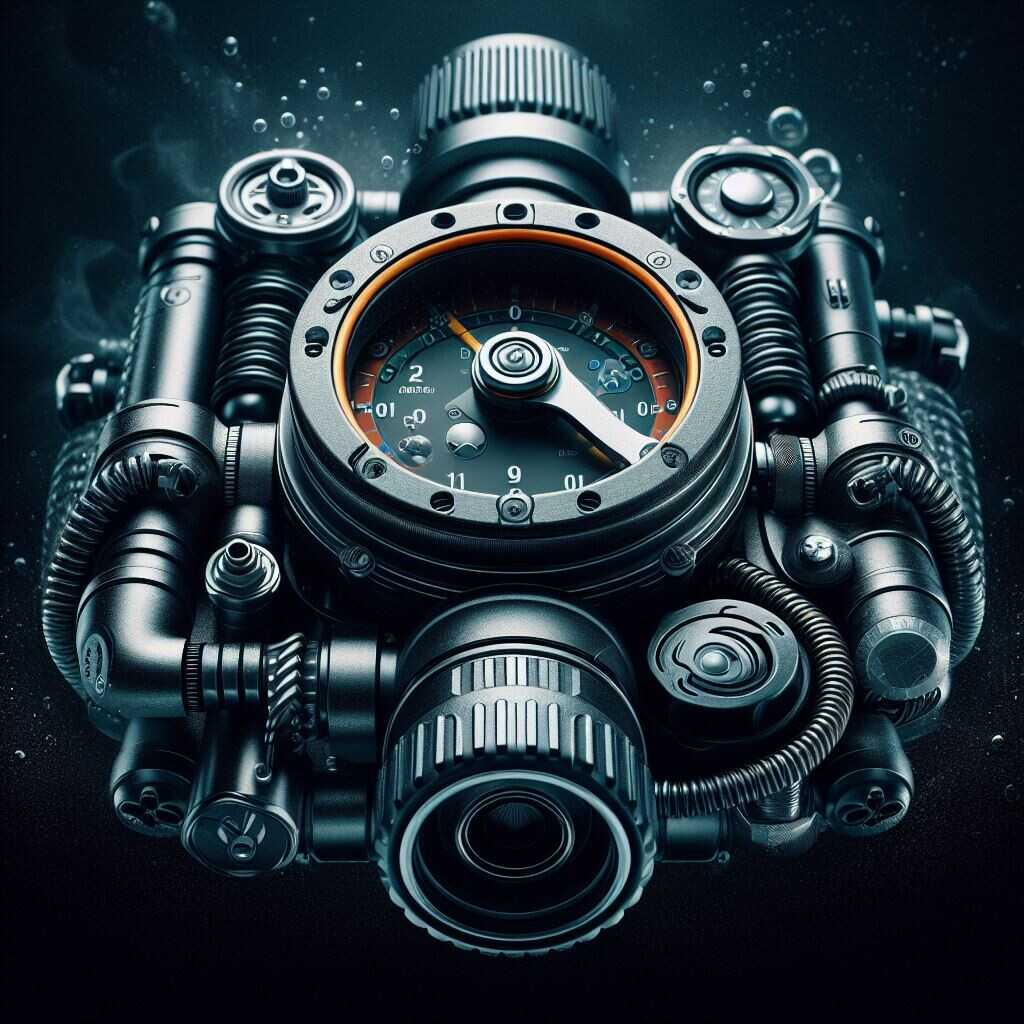
A thorough buddy check consists of several essential components to ensure both divers’ gear is functional. First, visually inspect each other’s equipment, looking for any signs of wear or damage. Check the tank pressure and ensure that all hoses and connections are securely fastened. Conduct systems checks, including verifying that BCDs inflate and deflate properly, ensuring regulators provide airflow, and confirming that dive computers are set correctly. Completing this process enhances reliability in diving gear. There are typically five key steps in a comprehensive buddy check, as outlined in best practices among experienced divers.
Essential Steps for a Successful Buddy Check
Each successful buddy check includes specific actions that divers should follow. Begin by reviewing the equipment checklist, which helps verify that all gear is present, including wetsuits, weights, fins, and masks. Next, inspect the buddy’s tank valve, looking for secure connections and functional pressure gauges. Ensure that the regulator and octopus are free of any debris and function correctly. After that, conduct a buoyancy check by descending a few feet and confirming gear performance underwater. This overall assessment of diving gear prevents potential issues and maintains safety throughout the dive experience.
Avoiding Common Pitfalls in Buddy Check Procedures
Divers often make mistakes during buddy checks that can compromise safety. One common mistake is skipping steps or rushing through the process, which can result in overlooking crucial gear components. For example, avoiding checks on the regulator or tank pressure can lead to malfunction during a dive. Another pitfall is failing to communicate clearly with your dive buddy about the checks being performed. This lack of communication can result in misunderstandings about the equipment status. Additionally, some divers forget to test their equipment in the water before the dive, which is vital for reliability and performance. Understanding these common mistakes helps enhance safety and gear reliability.
Essential Gear Components to Check During Buddy Checks
In a thorough buddy check, divers should focus on several essential gear components. First, inspect the tank to ensure it is properly filled and attached securely. Next, check the regulator for any signs of damage or leaks. Test the inflator and deflator mechanisms to confirm they function correctly. Verify that the weight system is correctly balanced for efficient buoyancy control. Additionally, ensure that all dive computers and gauges are correctly set and operational. This detailed inspection enhances safety and ensures the diving gear can handle various underwater environments efficiently.
Safety Advantages of Gear Inspection Practices
- Buddy checks enhance safety by preventing gear malfunctions during dives.
- These checks increase divers’ awareness of each other’s equipment condition.
- Regular inspections foster better communication between dive partners.
- Pre-dive checks ensure functional diving gear to avoid emergencies underwater.
- Implementing buddy checks builds trust and camaraderie among diving partners.
- Both new and experienced divers benefit from standardized procedure familiarity.
- Focused gear inspections lead to improved overall diving experiences and confidence.

Improving Communication with Your Dive Buddy
Effective communication is vital between dive partners, especially during gear checks. Clear dialogue ensures that both divers understand safety protocols and are confident in each other’s preparedness. This collaborative environment allows divers to identify issues and make necessary adjustments. Using simple phrases or signals helps reinforce safety measures. Establishing a checklist enhances clarity and encourages thorough inspections of gear. Open dialogue builds trust and ensures both partners share critical information about their equipment and dive plans.
Best Practices for Communicating During Gear Checks
Utilizing clear and concise language enhances communication during gear checks. Consider using a checklist of essential items that both divers can refer to. Items should include tanks, regulators, and buoyancy control devices. Agree on specific signals for confirming the functionality of each piece of equipment. Make sure to practice these signals before the dive. Additionally, take time to discuss any potential concerns regarding each other’s gear. Implementing these best practices leads to a more enjoyable and safe dive while ensuring that both divers understand each other’s equipment status and safety measures.
Best Practices for Maintaining Dive Gear Between Dives
Maintaining dive gear effectively enhances the reliability and performance of your equipment. Divers should adopt essential maintenance strategies such as rinsing gear thoroughly in fresh water after each dive. This removes salt, sand, and other residues that can damage the material. Checking O-rings and seals ensures a secure fit, preventing leaks during dives. Inspecting harnesses, straps, and integrated weight systems helps identify any wear that may affect efficiency. Regularly reviewing equipment performance helps identify components that may need replacement. Proper care directly improves the longevity and reliability of diving equipment. It is recommended that divers service their gear every 12 months, although frequent usage may require more regular checks.
Significance of Regular Inspections and Servicing
Regular inspections and servicing of diving gear are crucial for ensuring safety during underwater adventures. Divers should always seek professional servicing after a specified number of dives or if they notice any irregularity. It is essential to understand the environmental conditions your gear has faced, as exposure to elements can impact its durability. A reliable maintenance routine serves to enhance performance and functionality. For best results, divers should create a log that includes maintenance history and the number of dives each piece of equipment has completed, enabling informed decisions about when to service or replace items.
Comparative Overview of Divers and Their Preferences
- New divers often rely on buddy checks to feel secure in unfamiliar environments.
- Experienced divers use checks to enhance safety and performance in challenging conditions.
- Instructors emphasize the importance of buddy checks for students to build good habits.
- Technical divers require a more detailed gear inspection due to complex equipment usage.
- Casual divers favor easy and quick checks, but should still follow standard procedures.
- Eco-conscious divers appreciate checks that ensure gear integrity, aiding marine preservation.
- All divers benefit from consistent procedures that enhance safety and enjoyment on each dive.
Understanding Environmental Impacts on Diving Gear Functionality
Different underwater conditions, such as temperature, current, and visibility, directly affect diving gear performance. Temperature fluctuations can alter the buoyancy and flexibility of materials. High currents might impact the wear on fins and wetsuits while challenging the diver’s control. Visibility is critical as it can affect the functionality of masks and instruments. Divers must recognize that scuba gear needs regular checks to maintain reliability in these conditions.
Essential Environmental Factors for Gear Assessment
Divers should consider various environmental factors when assessing gear reliability. These include water temperature, salinity, current strength, and visibility. Water temperature influences the materials in diving suits and can directly affect a diver’s thermal comfort. High salinity can corrode certain materials, impacting the long-term durability of equipment. Strong currents produce additional stress on gear, necessitating careful performance testing. Visibility conditions influence a diver’s ability to read gauges accurately and maintain orientation. Understanding these factors helps ensure safety and enhances diving experiences.