
Effective air sharing techniques for scuba diving emergencies can make the difference between safety and panic underwater. Knowing how to share air properly ensures both diver safety and fluid response during an emergency. Scuba Forge aims to empower divers with critical skills and knowledge for effective air-sharing in challenging situations. In this article, we will explore essential techniques that enhance the safety and confidence of divers when facing emergencies.
Understanding the Basics of Air Sharing in Scuba Diving
Air sharing in scuba diving involves sharing air between divers to ensure safety during emergencies. The key principles include establishing a method for sharing, knowing when to share, and practicing the techniques beforehand. Pairing divers should be familiar with their gear, especially the octopus regulator, which allows for easy access to shared air. Mastering these air sharing techniques enhances diving efficiency and improves overall diving safety.
Essential Techniques for Effective Air Sharing
To effectively share air, divers should practice specific techniques regularly. One essential technique involves establishing clear communication signals before a dive. This ensures both divers can respond quickly during emergencies. Another vital aspect is knowing how to remain calm and composed while sharing air. Maintaining a steady breathing rhythm is crucial for both divers. Having a reliable buddy system can further enhance safety, enabling smooth transitions between shared air supplies. Diving efficiency increases significantly when both divers are trained and comfortable with these essential techniques, which can save lives in critical situations.
Maintaining Composure in Underwater Crisis Situations
Maintaining composure during underwater emergencies is critical. Effective techniques include controlled breathing, clear communication, and regular practice. Divers should focus on their breathing to keep calm. This improves their decision-making ability. A calm diver can communicate effectively with teammates. Teamwork is essential in scenarios like shallow water rescues or cave divers facing equipment failure. Stability enhances emergency responses. In emergencies, divers generally have only a few seconds to react. Training increases confidence in these situations.
Techniques to Enhance Calmness and Decision-Making Underwater
Techniques to enhance calmness and decision-making include steady breathing patterns, visualizing success, establishing signals, and conducting routine emergency drills. Regular practice with team members builds trust. This preparation can transform stress into focused energy during a crisis. The use of hand signals helps communicate urgent messages quickly. Divers should also familiarize themselves with their gear. Knowing how to quickly assess problems improves responses. This reliable practice ensures divers handle emergencies with efficiency and confidence.
Essential Techniques for Effective Air Sharing in Emergencies
Diving emergencies can happen without warning. Divers need to adopt essential techniques for air sharing to ensure safety. First, establish reliable communication before entering the water. Discuss your plan for emergencies, including your chosen air-sharing method. Buddy breathing and alternate air source are common methods. Buddy breathing involves sharing the same regulator while alternating breaths. It requires good timing and practice. The alternate air source method involves using a secondary regulator to share air. This is often preferred due to its simplicity. Always practice these techniques in controlled settings. This helps develop efficiency and aids quick responses when it matters most. Implementing effective teamwork can greatly enhance safety. Coordination is critical. It allows both divers to remain calm during emergencies.
Practical Tips for Effective Buddy Breathing
Implementing buddy breathing requires preparation and practice. Start by discussing signals with your buddy. Use clear gestures to indicate breaths. Practice in shallow water to build confidence. When sharing air, dive closely to maintain proximity. Positioning helps both divers manage airflow. The diver with the regulator must take a deep breath, then exhale slowly while allowing the buddy to take their turn. This ensures a smooth transition. Gradually increase practice duration to simulate real scenarios. Always maintain a calm demeanor. This helps reduce panic and ensures effective teamwork. Remember, the goal is to share air safely while keeping both divers comfortable and calm.
Numerical Insights on Safety Practices Underwater
- Approximately 70% of dive emergencies involve air sharing scenarios.
- Most divers have about 30-60 seconds of air in an emergency.
- Over 60% of divers lack proper training in emergency air-sharing techniques.
- In 90% of cases, successful air sharing requires calm communication.
- Divers typically breathe 0.6 to 1 liter of air per minute at rest underwater.
- Effective practice sessions can reduce emergency response time by 50%.
- Experts recommend practicing air-sharing drills at least once a month.
Identifying and Avoiding Common Air-Sharing Mistakes
Divers often make critical errors when sharing air during emergencies. First, one frequent mistake is not establishing clear communication signals before a dive. This can lead to confusion when coordinating air-sharing. Secondly, divers might forget to practice efficient air-sharing techniques, resulting in unnecessary stress during an emergency. Lastly, sharing air with a diver who is panicking can escalate the situation, as their frantic movements can disrupt the air-sharing process. Recognizing these mistakes is essential for ensuring diver safety and improving overall efficiency during emergencies.
Essential Training for Improved Air-Sharing
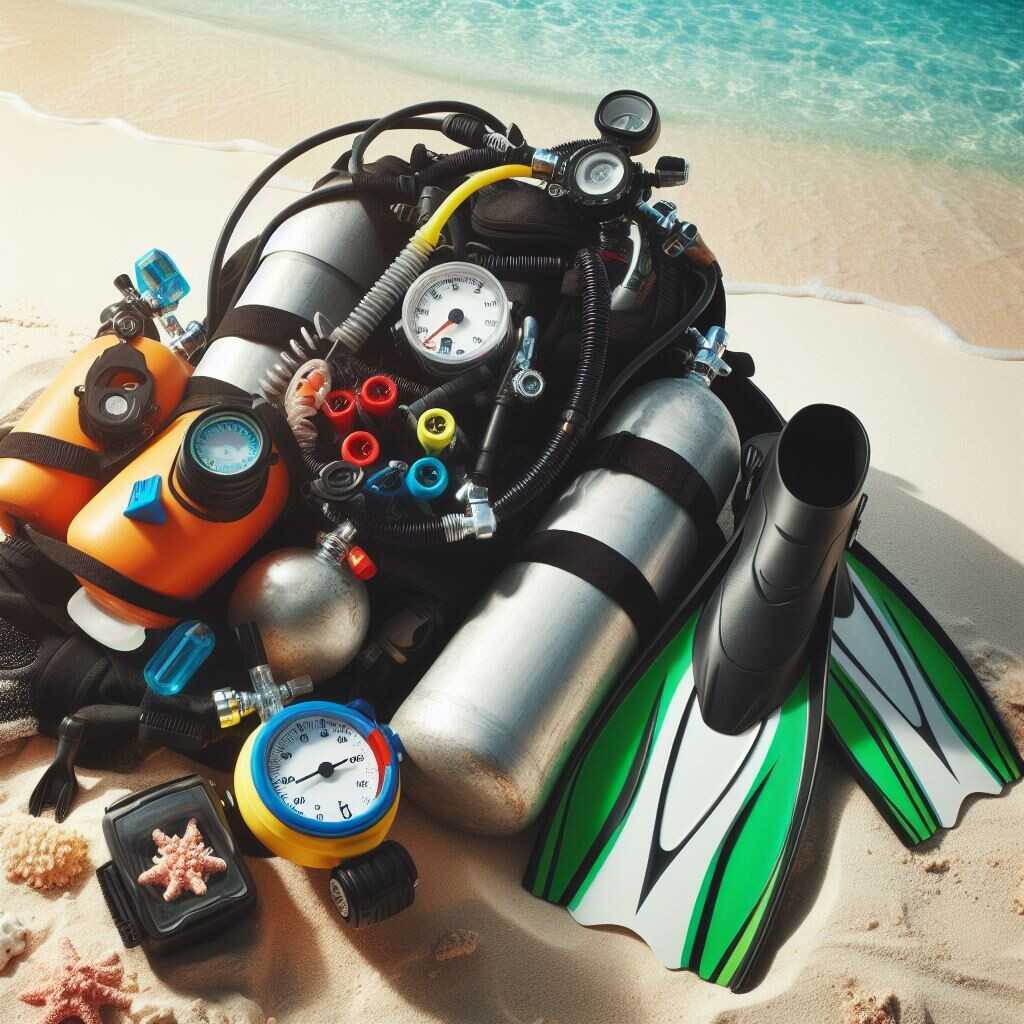
Regular training is crucial for enhancing air-sharing efficiency. Divers should engage in mock scenarios that simulate real emergencies. This helps them practice and refine their techniques while remaining calm under pressure. Training should include using proper hand signals and establishing a reliable air-sharing method with dive buddies. Additionally, divers must utilize essential equipment like octopus regulators and safety bungee leashes, which provide ease of exchange. The more often divers train for these scenarios, the better prepared they will be when they face real emergencies, significantly improving diver safety outcomes.

Importance of Practicing Air Sharing Techniques Regularly
Practicing air sharing techniques regularly is crucial for divers to build confidence and enhance skills. These drills reinforce emergency preparedness and help divers gain experience in high-stress situations. Regular practice allows divers to operate efficiently during emergencies, improving their ability to respond quickly and effectively. It is recommended that divers conduct air sharing practice sessions multiple times a year to maintain proficiency in these essential skills.
Frequency and Best Practices for Drills
To ensure that divers stay prepared, it is advisable to practice air sharing techniques at least twice a year. Some dive teams recommend monthly drills, especially if divers frequently engage in deep or challenging dives. Each practice session should be structured with clear objectives to enhance specific skills such as communication, equipment exchange, and buoyancy control. This structured approach provides valuable testing and feedback opportunities, which are essential for continuous improvement.
Advantages of Sharing Breathing Supply When Diving
- Enhances teamwork and builds trust between diving partners.
- Effective air-sharing techniques increase safety during emergencies.
- Boosts confidence in self and others during high-pressure situations.
- Allows more time to ascend safely while preserving air supply.
- Makes underwater excursions more enjoyable with fewer worries.
- Improves divers’ overall emergency management skills.
- Creates a resourceful diving community that supports one another.

How Equipment Choice Influences Air Sharing Success
In air-sharing scenarios, reliable diving gear is crucial for ensuring safety and composure. Scuba tanks, regulators, and gear designed for emergency use significantly enhance the efficiency of air-sharing techniques. Reliable diving gear helps divers respond calmly. Quality regulators, for example, deliver consistent airflow at varying depths. Therefore, proper equipment choice can minimize panic and maximize the chances of a successful emergency response.
Essential Equipment Features for Air-Sharing
When selecting scuba diving gear for air-sharing situations, focus on key features. Reliable regulators should have a design that delivers smooth airflow, even under pressure. Look for models with excellent performance ratings, ensuring efficiency and reliability. A dependable underwater communication system is also important for coordinating during emergencies. Quality gear enhances overall safety and helps divers feel secure in challenging circumstances.
Effective Communication Techniques During Diving Emergencies
Divers must adopt specific communication strategies during emergencies to ensure the team works efficiently. Hand signals, light signals, and verbal cues are critical for effective teamwork. Divers should practice these techniques regularly during training dives. Preparing emergency protocols can enhance the response time. Research indicates that many diving emergencies could be resolved promptly when divers understand each other’s signals and intentions. Establishing clear communication methods beforehand can significantly improve performance in critical situations.
Essential Hand Signals for Divers
Understanding essential hand signals can significantly improve communication during diving emergencies. Common signals include the “OK” sign to confirm safety and the “ascending” signal to indicate a need to surface. These signals are designed for underwater clarity and should be practiced regularly. Divers should also develop personalized signals for specific situations. Ensuring everyone in the group understands these signals can enhance crisis resolution. Regular training ensures divers can handle emergencies quickly and effectively, increasing safety and confidence underwater.
Groups Most Interested in Underwater Breathing Techniques
- Recreational divers seek safety and skills for better experiences.
- Instructors train students for emergencies to enhance safety practices.
- Emergency response teams focus on quick, effective air-sharing strategies.
- Fun for enthusiasts who want adventure but prioritize safety.
- New divers need confidence-building techniques to handle emergencies.
- Experienced divers often share their knowledge with newcomers.
- Scuba shop owners promote safety training among their customers.
Training Resources for Mastering Air Sharing Techniques
Divers looking to improve their air sharing techniques can benefit from several reliable resources. Training courses offered by recognized organizations like PADI, SSI, and CMAS focus on vital safety procedures and practical applications during emergencies. These courses emphasize reliability and proficiency, helping divers gain hands-on experience. Additionally, diving communities often host workshops and practice sessions that allow divers to simulate real-life scenarios and enhance skills in a supportive environment.
Popular Course Options for Air Sharing Mastery
PADI offers a specialized course on Emergency Oxygen Provider and Advanced Open Water Diver certification, enhancing participants’ air sharing skills. SSI also provides Stress and Rescue Diver programs focusing on emergency management and air sharing techniques. Each training option typically involves approximately 6 to 8 hours of practical and theoretical instruction. Community workshops facilitate skill enhancement through peer interaction and expert guidance. Divers who complete these programs report increased confidence and improved performance in critical situations.