
Mastering underwater wide-angle techniques allows you to beautifully capture the vibrant life of coral reefs. These techniques highlight the stunning biodiversity and intricate landscapes found underwater. Scuba Forge, your trusted resource for scuba gear reviews, provides practical tips and recommendations to enhance your underwater photography skills. Discover how the right equipment and approaches can bring the beauty of marine environments to life.
Key Gear for Successful Underwater Wide Angle Photography
For underwater wide-angle photography, reliable camera systems are crucial. Recommended cameras include models like the Canon EOS R5 and the Nikon Z6 II, known for their excellent underwater performance and image quality. Lenses such as the Canon EF 16-35mm f/4L and the Nikon Z 14-30mm f/4 provide impressive field of view. Additional accessories like dome ports enhance lens capabilities, ensuring clear, distortion-free images. Using the right combination of gear maximizes your success in capturing stunning reef scenes.
Recommended Lenses for Capturing Reef Beauty
Choosing the right lenses is essential for underwater wide-angle photography. High-quality options include wide-angle zoom lenses like the Sigma 15-30mm f/3.5-4.5 or the ultra-wide Canon EF 8-15mm fisheye lens. These lenses deliver sharp images while retaining color accuracy even at depth. Pairing these lenses with a trusted dome port enhances underwater performance, providing a wider perspective. The combination makes it easier to capture vivid reef details and expansive underwater landscapes, ensuring you showcase the beauty of marine environments.
Significance of Natural Light in Underwater Photography
Natural light plays a crucial role in underwater wide-angle photography. It directly affects the color, clarity, and overall quality of your images. Understanding how sunlight filters through water helps in composition. The best practice includes shooting when sunlight is strong and overhead. This enhances colors and reduces shadows in reef scenes. The angle of the sun creates dynamic lighting effects, highlighting details in coral structures and marine life. Utilizing polarizing filters also helps saturate colors effectively. Each dive under the right light conditions leads to improved image results.
Optimal Timing for Natural Light Photography
The best times for underwater photography using natural light are during midday when the sun is highest. This enables bright light to penetrate deeper into the water, reaching up to 30 meters. In coastal areas, this is when vibrant hues become visible in your wide-angle shots. Early mornings and late afternoons can present softer, golden light, enhancing textures and contrasts. Remember to consider the weather and water clarity. Clear days yield better visibility and results. Exploring different depths during these times can significantly improve your underwater imagery quality.

Effective Composition Strategies for Underwater Reef Shots
To capture stunning underwater reef scenes, divers should adopt several composition strategies. Firstly, the rule of thirds is essential. This technique helps to frame the subject, such as corals or marine life, effectively. Positioning the focal point off-center enhances visual appeal. Additionally, using leading lines guides the viewer’s eye across the photograph. These lines may be created by rock formations or the reef’s layout. It’s also vital to consider depth in your shot. Layering elements in the foreground, mid-ground, and background provides depth, creating compelling images. Lastly, make sure to include vibrant colors from the marine environment, as they contribute significantly to the aesthetics of your reef shots.
Utilizing Light for Enhanced Reef Photography
Light plays a crucial role in underwater photography, especially when capturing wide-angle reef scenes. Understanding how to use natural light enhances the quality of your images. The best time to photograph is during midday when sunlight penetrates deeper into the water. Utilize reflection from the water surface to bring out vivid colors in corals and marine life. Using a strobe can fill in shadows, providing balance and clarity. Ensure your strobe is positioned at a 45-degree angle for optimal illumination without causing backscatter. Proper use of light, combined with essential underwater composition strategies, results in captivating and vibrant reef shots.
Fascinating Numerical Insights on Underwater Photography
- Wide-angle photography can capture up to 180 degrees of stunning underwater scenes.
- Experts suggest shooting between f/stops of 8 and 16 for optimal clarity.
- A typical wide-angle lens offers a magnification of 0.5x for expansive views.
- Many divers recommend using a focal length of 16-24mm underwater.
- Over 70% of marine species live in vibrant reef environments, ideal for photos.
- High-quality wide-angle systems can cost between $500 to $3000.
- Effective underwater photography can reduce water distortion by up to 50%.
Overcoming Water Distortion Challenges in Photography
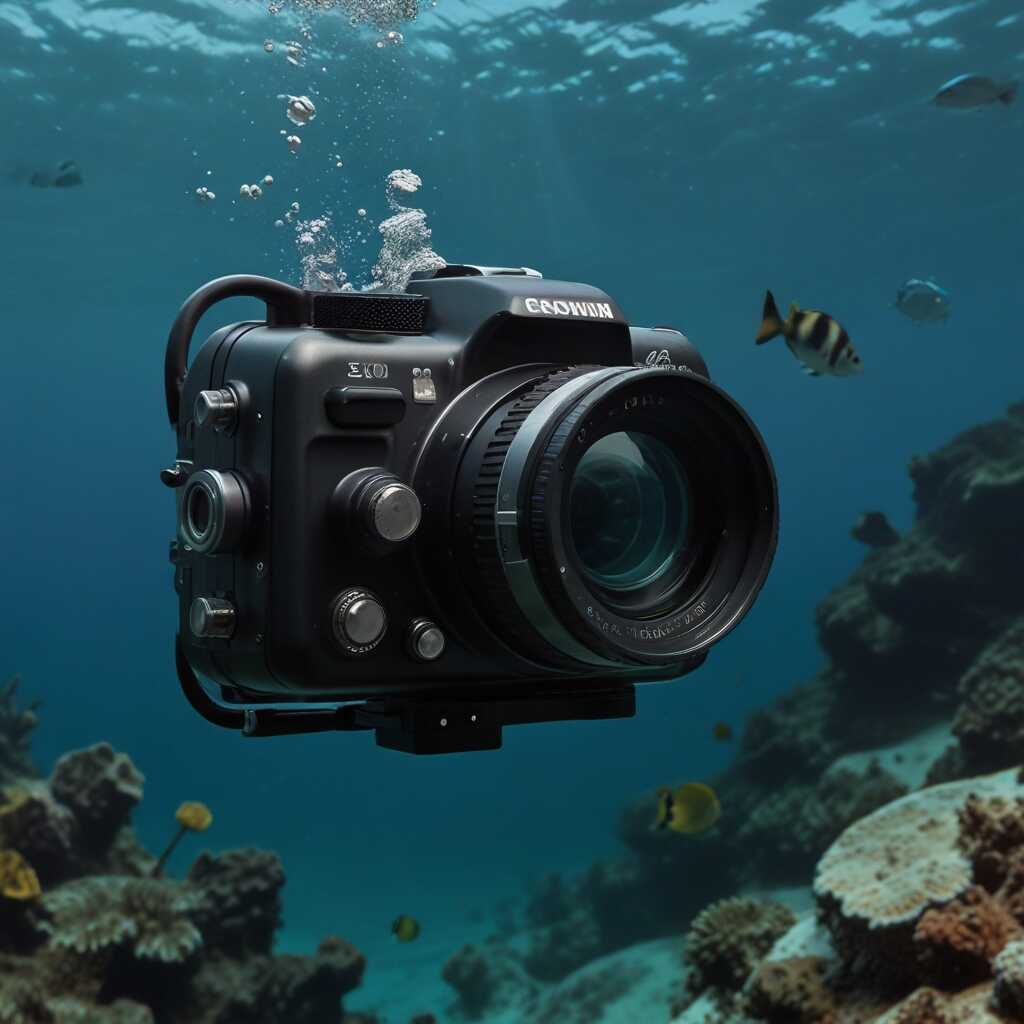
Divers can reduce water distortion by ensuring proper lighting and using filters designed for underwater conditions. Techniques like maintaining a close proximity to the subject and shooting at optimal angles help minimize distortion. Using wide-angle lenses efficiently extends the frame while maintaining clarity, which is crucial when capturing sprawling reef scenes. High-quality glass and anti-reflective coatings improve image clarity. Investing in good housing systems protects the camera and provides stable control while shooting.
Essential Techniques for Achieving Clarity
Utilizing specific techniques enhances clarity in underwater photography. First, always shoot between 10 to 20 degrees upward to reduce particle interference. Second, maintaining a distance of no more than three feet from the subject improves focus and light intake. Third, adjusting ISO settings allows for better image performance in low-light conditions. Each of these techniques works to provide clearer image results and reduces the effects of water distortion in wide-angle shots.
Identifying and Avoiding Common Underwater Photography Errors
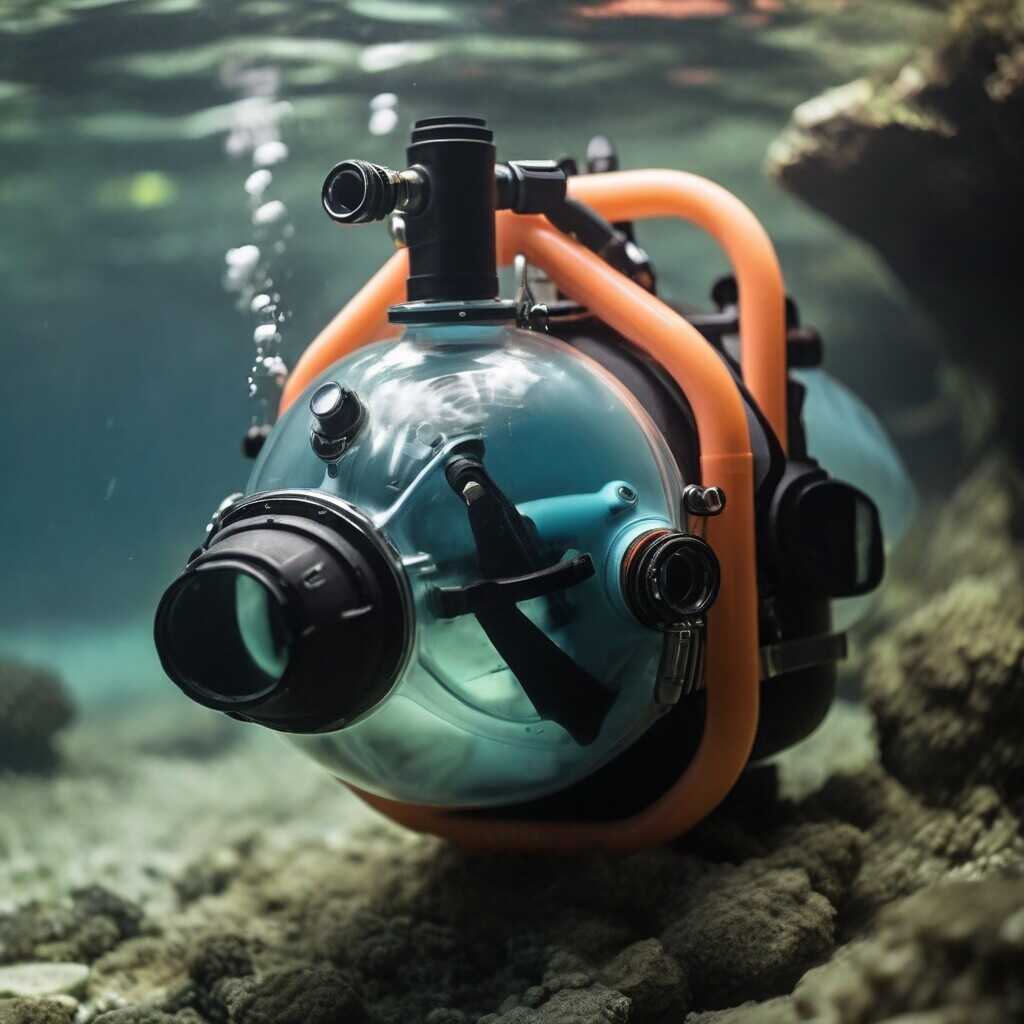
Common mistakes in underwater wide-angle photography include poor composition, backscatter, and inadequate lighting. Divers often struggle with visibility, which can lead to grainy images. Most divers experience issues that reduce their photo quality by at least 30%. To improve underwater photo quality, divers should carefully frame their shots, focus on subjects, and use the right angles to eliminate distractions. Avoiding backscatter is essential. Using proper lighting adjustments can help as well, as it enhances the colors and details of reef scenes.
Effective Techniques for Reducing Backscatter in Photography
Reducing backscatter is crucial for capturing stunning underwater images. Backscatter occurs when particles in the water reflect light back towards the camera lens. To combat this issue, divers should stay as close to their subjects as possible, usually within three feet, and use external lights that help reduce the impact of floating debris. Proper lighting adjustments enable divers to illuminate subjects directly, minimizing the visibility of particles. Investing in a reliable wide-angle lens will enhance photo quality by offering clearer images without unnecessary noise.
Key Advantages of Capturing Expansive Marine Scenes
- Wide-angle shots showcase entire reef ecosystems in one frame.
- Mastering diverse angles creates visually captivating and dynamic images.
- Enhances appreciation for marine life, aiding conservation efforts.
- Professional-grade wide-angle techniques improve overall image quality.
- Underwater photography can strengthen community awareness about ocean habitats.
- Wide-angle shots provide unique perspectives that attract viewer interest.
- Improves skills in lighting techniques to enhance underwater depth.
Enhancing Underwater Images with Post-Processing Techniques
Effective post-processing techniques like color correction, brightness adjustments, and contrast fine-tuning can greatly enhance underwater images. Color correction strategies fix issues caused by the blue or green hues underwater conditions create. Brightness adjustments can make photos clearer by improving visibility, while contrast fine-tuning highlights details in marine life and reef structures. Using editing software tools such as Adobe Lightroom or Photoshop offers users the features needed for these enhancements. These tools help in accurately adjusting white balance and contrast, enabling photographers to make their underwater scenes stunning.
Choosing the Right Editing Software for Underwater Photography
Choosing the right editing software is essential for optimizing underwater photography. Adobe Lightroom is a popular choice among divers for its user-friendly interface and powerful features, enabling quick adjustments. It offers tools for color correction, brightness adjustments, and detailed contrast fine-tuning. Photoshop complements Lightroom’s features with advanced editing capabilities. Both tools allow photographers to apply filters and use layers for precise edits, supporting various file formats. Research reveals that many underwater photographers prefer these software tools for their reliability in enhancing image quality.
Promoting Environmental Awareness Through Photography
Underwater photographers play a vital role in promoting marine conservation. They should adopt best practices like using appropriate buoyancy techniques to avoid disturbing the reef. Maintaining distance from marine life helps protect their habitats. Moreover, employing natural lighting reduces reliance on artificial lights that can confuse fish. Photographers can document and showcase the beauty of underwater ecosystems, encouraging viewers to appreciate and protect them.
Essential Practices for Responsible Underwater Photography
Photographers should engage in responsible underwater photography to effectively help conservation efforts. Essential practices include using a dive flag to ensure safety and cooperation with other divers. Avoiding touching corals or disturbing marine animals protects delicate ecosystems. Utilizing eco-friendly gear, such as biodegradable equipment, minimizes environmental impact. Educating fellow divers and advocating for marine protected areas enhances awareness. These actions significantly contribute to preserving marine environments while enabling photographers to capture stunning images.
Popular Brands and Their Approaches to Underwater Gear
- Canon offers versatile models suitable for beginners and pros alike.
- Nikon’s housing options provide strong durability for challenging conditions.
- Sea & Sea specializes in high-quality underwater housings for advanced users.
- GoPro caters to adventurers seeking compact solutions for casual diving.
- Smartphone-based systems appeal to casual divers who prioritize convenience.
- Olympus has specialized cameras that withstand tough underwater environments.
- Fujifilm is often chosen for vibrant underwater color replication in shots.
Collaboration Tips for Photographers and Dive Buddies
Effective communication and coordination among dive buddies significantly enhance underwater photography. Before diving, establish clear signals for both capturing images and sharing opportunities. Decide on roles, such as one person focusing on composition while the other manages lighting. This teamwork ensures better efficiency and reliable results when photographing expansive reef scenes. Understanding each other’s preferences helps create a more harmonious experience. Divers should focus on three key elements: communication, photography objectives, and safety, as these help create stunning images collectively.
Roles and Responsibilities of Dive Buddies
Understanding each buddy’s unique roles enhances underwater photography experiences. One buddy can handle camera settings while the other controls buoyancy and positioning. This division of responsibilities improves overall performance. One can focus on capturing the vivid colors of the reef while the other ensures smooth movement. Effective use of each buddy’s strengths leads to greater results. For example, a buddy familiar with lighting can make adjustments while the other composes shots. This collaboration creates cohesive images that showcase reef beauty and details. Regular practice and discussion of roles lead to great improvement over time.