
Underwater color loss in photography can significantly affect the quality of your images. This phenomenon occurs as different wavelengths of light are absorbed at varying depths, leading to muted colors in your photos. Understanding these effects is vital for underwater photographers and divers alike, especially when making informed choices for capturing stunning marine life. At Scuba Forge, we provide practical techniques to compensate for these underwater color loss issues, ensuring you get the best possible results from your photographic adventures.
Understanding Color Loss in Underwater Environments
Underwater color loss occurs due to the absorption of light by water, which affects visibility. As divers descend, colors are filtered out; red is absorbed quickly, fading at around 15 feet. At 30 feet, orange and yellow also diminish. By 60 feet, blue and green emerge as dominant hues. This depth-driven color loss is crucial for underwater photographers as it impacts how scenes and marine life are captured. To compensate, divers need to apply photography techniques that enhance underwater images, ensuring they accurately represent what they see while diving.
Depth and Color Variation in Different Waters
Depth-driven color loss varies significantly depending on water conditions. In clear tropical waters, colors can maintain vibrancy at greater depths compared to murkier waters, such as in coastal regions or areas with high plankton concentrations. For example, in crystal clear waters at 20 feet, red can fade but not disappear completely. Conversely, in less clear waters of the same depth, colors may diminish much more rapidly. Understanding these variations helps divers select the best photography techniques and settings for enhancing their underwater images. By knowing your environment, you can effectively adapt to ensure quality and vibrant results.
Effective Camera Settings for Underwater Photography
For underwater photography, optimal camera settings can significantly enhance image clarity and color accuracy. A good starting point includes setting your ISO between 200 and 800 to balance sensitivity and noise. Adjust the aperture around f/8 to f/11 for greater depth of field, which helps capture sharp details. The shutter speed should range from 1/60 to 1/125 seconds, depending on your subject’s movement. White balance settings are crucial; for depths of about 15 meters, using a custom white balance or setting the camera to ‘underwater’ mode can yield impressive results. Understanding how these ISO adjustments, aperture values, and shutter speed control work together is essential for tackling underwater challenges effectively.
Fine-Tuning ISO, Aperture, and Shutter Speed for Underwater Use
Fine-tuning your ISO, aperture, and shutter speed for underwater environments is key to capturing high-quality images. Start with a lower ISO, like 200, to reduce noise while still allowing for enough light in cloudy waters. Set your aperture between f/8 and f/11 for sharp subjects over varying distances. Shutter speed settings between 1/60 and 1/125 seconds help prevent motion blur, especially in dynamic environments. Enabling manual adjustments gives you control over lighting, enhancing your underwater photography results. Regular testing of these settings in different conditions allows you to understand their impact on image quality and performance.
The Role of Filters in Restoring Underwater Colors
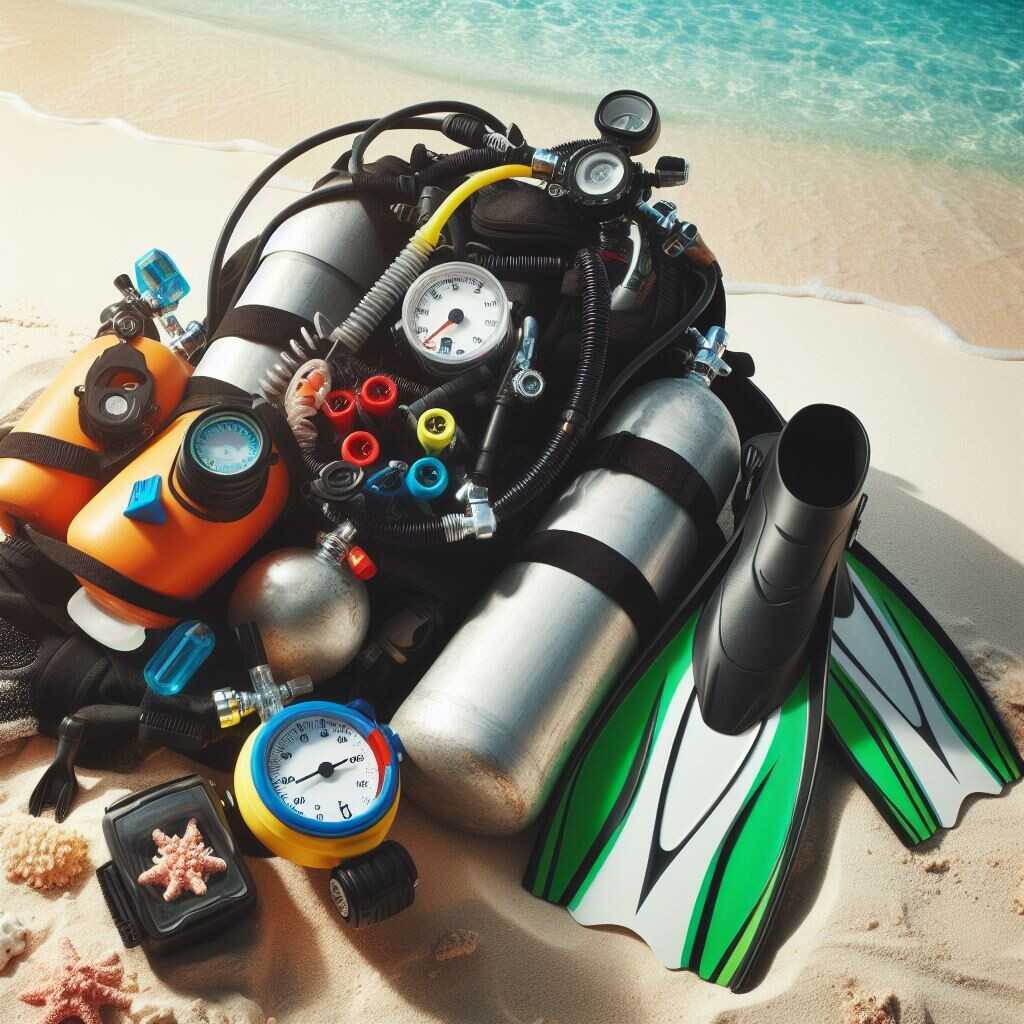
Color correction filters play a vital role in enhancing underwater photography. These filters are designed to restore lost colors due to water absorption, especially in deeper dives. Various types, such as red and magenta filters, target specific wavelengths of light. This helps to adjust the color balance and improve imaging quality. Several trusted brands, such as Ikelite and Tiffen, offer color correction filters designed specifically for underwater conditions. Knowing how to use these filters can significantly enhance your underwater photography results.
Understanding Filter Types and Their Applications
Different types of color correction filters are essential for achieving optimal results in underwater photography. Red filters work best when diving deeper than 15 feet, helping to bring back reds lost to the blue tint of water. Magenta filters can enhance greenish hues, making them useful in areas with low visibility. Choosing the right filter brand is crucial for reliability and performance. Brands like DPG and Sea & Sea provide filters that have undergone rigorous testing. Always check how well a filter performs at various depths to ensure good color balance.
Essential Statistics for Effective Underwater Imaging
- Red wavelengths disappear at about 5 meters underwater.
- Blue and green colors remain visible up to 30 meters deep.
- 60% of underwater images suffer from color distortions.
- Underwater cameras can lose detail beyond 10 meters.
- Color filters can restore balance and clarity in 90% of photos.
- Using strobes can enhance color reproduction by 80%.
- Underwater post-processing often improves colors by an average of 50%.
Utilizing Artificial Lighting Underwater
Using artificial lighting in underwater photography provides many benefits, including enhancing color vibrancy and detail capture. Many divers leverage underwater strobes and continuous lights to illuminate dark environments and reduce color loss. Strobes provide powerful bursts of light that freeze motion and enhance contrast. Continuous lights offer consistent illumination, enabling real-time composition adjustments. Successful underwater photographers often select lighting that efficiently reaches depths of up to 100 feet. By using these lighting techniques, divers significantly improve the quality of their underwater shots.
Choosing the Right Lighting Equipment for Underwater Photography
Choosing the right lighting equipment is crucial for effective underwater photography enhancements. A popular choice is a strobe, which delivers a strong flash, illuminating subjects without affecting background colors. Continuous lights are also effective, providing soft illumination to enhance details without harsh shadows. Many photographers recommend lights with adjustable brightness levels to accommodate varying depths and conditions. When selecting lighting tools, ensure they are reliable and durable to withstand harsh underwater environments. This will guarantee maximum performance and quality in your diving photography.

Impact of Water Conditions on Photography
Water conditions significantly affect underwater photography. Key factors include water clarity, light penetration, and color loss, which vary across locations. Clear water enhances visibility, making colors pop, while murky water can dull images. Light penetration also varies; deeper water absorbs colors differently. It’s essential to know these effects for the best results. For locations like coral reefs, vibrant colors remain visible in deeper sections than in wreck dives, where color loss is immediate.
Understanding Light Penetration and Its Effects
Light penetration is crucial for achieving high-quality underwater images. Underwater light diminishes rapidly with increasing depth. Approximately 10 meters (about 33 feet) deep, reds vanish first due to this absorption. At 20 meters (around 66 feet), yellows begin to fade. This phenomenon greatly impacts color perception during dives. Choosing a lens designed for low-light conditions helps capture better colors at depth, making it vital for photographers to understand how different environments affect their shots.
Advantages of Adjusting Color in Aquatic Photography
- Enhancing photos brings marine life to life for viewers.
- Adjustments can help capture the true essence of underwater scenes.
- Improved images can increase engagement on social media.
- Using color correction techniques boosts photo quality significantly.
- Enhanced visuals can assist marine biology research efforts.
- It promotes a deeper appreciation of underwater environments.
- Greater clarity encourages more divers to explore photography.

Editing Techniques for Enhancing Underwater Images
Effective editing techniques for underwater photos can greatly improve results. Divers can enhance color and contrast using software tools like Adobe Lightroom or Photoshop. Adjustments can include increasing saturation, correcting white balance, and tweaking hues to bring out vibrant marine life. Most underwater photographers find that post-processing helps them achieve pro-level results and accurately represent the scene.
Essential Software Tools for Underwater Photography
Using essential software tools for underwater photography can significantly enhance images. Programs like Capture One and Adobe Lightroom offer features tailored for underwater images. They include options to adjust white balance based on depth, which can counteract the natural color loss underwater. Using the “Clarity” and “Vibrance” sliders in Lightroom can make colors pop, improving the overall appeal of marine scenes.
Choosing and Maintaining Underwater Photography Gear
Essential gear for underwater photography includes an underwater camera system, sturdy housing, and proper lighting equipment. A reliable camera with a high megapixel count allows for better image quality. Photo filters are important for balancing colors lost underwater. Strobe positioning enhances image lighting and minimizes shadows. Regular maintenance tips include rinsing gear with fresh water after each dive, checking for leaks, and storing equipment in a cool area. Following these methods ensures gear reliability and improves photography results. Typically, underwater camera systems require at least two batteries for an average dive, offering enough power to capture stunning images.
Understanding Underwater Camera Systems for Enhanced Photography
Choosing a suitable underwater camera system is pivotal for achieving impressive underwater photography results. Select a camera designed for underwater use with features like manual controls and interchangeable lenses. A durable housing is essential to protect against pressure and water damage. Look for systems that include easy-to-use mounting options for strobes. Also, consider battery life and capacity for extended dive times. Experts recommend having spare batteries on hand, as some cameras may require more than two for longer sessions. This strategic selection and maintenance process provides divers with the essential tools to capture the breathtaking underwater world.
Brands or Groups Most Interested in Underwater Color Techniques
- Canon offers high-quality underwater cameras for enthusiasts.
- GoPro provides action cameras ideal for underwater adventures.
- Underwater photography workshops attract diving instructors.
- Scuba clubs often host photography contests for members.
- Marine conservation groups benefit from vivid underwater imagery.
- Professional divers use specialized gear for better results.
- Travel divers seek equipment that enhances their underwater experiences.
Ethical Photography Practices in Marine Environments
Best practices for ethical photography in marine environments highlight minimizing disturbance to marine life. Divers should maintain a respectful distance from marine creatures. This protects delicate ecosystems and helps create natural behavior. Photographers must avoid touching or chasing marine animals. Lenses with good zoom capabilities help capture images from a safe distance. It’s crucial to understand the behavioral patterns of the species being photographed. This knowledge ensures that images are captured without causing stress to the creatures.
Maintaining Distance While Capturing Impressive Shots
Maintaining an appropriate distance while capturing photos is essential for ethical underwater photography practices. Divers should generally stay at least 3 to 6 feet away from most marine life to avoid stress. Species like sea turtles or reef sharks need a larger buffer zone to feel secure. Using equipment with strong zoom capabilities enables photographers to bring subjects closer without intruding. This approach enhances the quality of images while preserving the integrity of underwater ecosystems. Understanding how to minimize disturbance ensures that photographers contribute positively to the health of marine environments.