
Choosing the right underwater camera housing is essential for vibrant photography and protecting your equipment. Understanding the various housing options helps you align your needs with the right level of protection. At Scuba Forge, we provide detailed insights into underwater camera housings suited for amateur photographers and professional scuba divers alike. Our reviews emphasize safety, performance, and compatibility, ensuring your photography adventures can thrive underwater.
Exploring the Main Types of Underwater Camera Housings
Underwater camera housings are primarily categorized into three types: flexible soft housings, hard plastic housings, and professional-grade aluminum housings. Flexible soft housings are lightweight and designed for casual photographers. They offer basic protection against water and impact but may lack advanced features. Hard plastic housings provide improved durability and often include controls for adjusting camera settings. They are suitable for intermediate to advanced users. For professionals, aluminum housings deliver the best reliability and customizability, enabling the use of external lighting and accessories. Each type provides features and benefits tailored to specific shooting styles, ensuring you can capture the perfect underwater moment.
Understanding the Features and Benefits of Each Housing Type
Understanding the features and benefits of underwater camera housings helps photographers make informed choices. Lightweight options like soft housings prioritize portability and ease of use, ideal for casual marine photography. Hard plastic housings improve durability while providing convenient access to camera controls. They are great for divers who often change settings underwater. Professional aluminum housings offer superior durability, have multiple mounting points for accessories, and ensure the best performance in challenging conditions. Choosing the right housing enhances the reliability and quality of underwater images, allowing every photographer to capture stunning visuals.
Essential Factors to Consider When Choosing Camera Housings
Understanding the essential factors when choosing underwater camera housings is critical for successful photography. Common materials used include polycarbonate, aluminum, and silicone. Each offers a unique balance of durability and weight. Sealing technology is vital for ensuring the housing is watertight. Many housings now incorporate O-rings and pressure-release valves to enhance reliability. For users, the design should prioritize user-friendliness features, allowing easy access to controls. In 2025, average depth ratings typically range between 60 meters and 100 meters, suitable for recreational diving. Selecting the right combination of these factors helps maximize your camera’s performance in underwater environments.
Top Materials for Housing Durability and Performance
When evaluating materials for underwater camera housings, polycarbonate and aluminum dominate the market. Polycarbonate is lightweight, providing excellent flexibility. It is also very good in impact resistance. Aluminum is sturdier and can handle deeper depths, which is ideal for technical diving. Housings made from these materials often undergo rigorous durability testing to ensure performance in various underwater settings. Additionally, some housings feature anodized finishes for extra corrosion resistance. A reliable and durable housing can improve your shooting experience, enabling you to focus on capturing great images rather than worrying about gear failure.
Matching Camera Protection Levels with Underwater Conditions
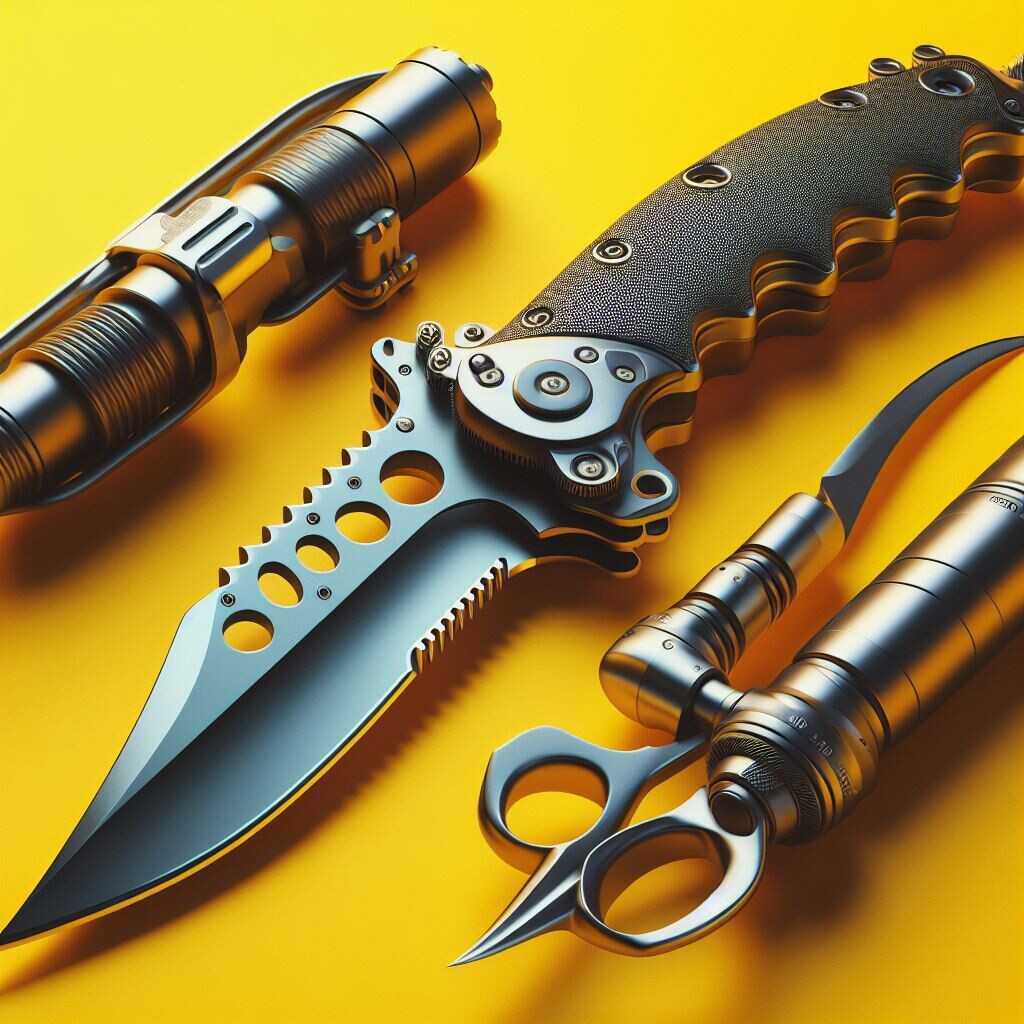
When selecting underwater camera housings, consider how different underwater environments can affect your equipment. Factors such as water clarity and salt intrusion significantly influence the choice of housing. For deeper dives, ensure the housing can handle increased pressure, while shallow dives might prioritize features like easy access and lightweight design. Use proven materials like polycarbonate or aluminum to enhance durability and reliability in challenging conditions. Understanding the environmental challenges helps align camera housing protection levels with your underwater photography needs.
Essential Features for Saltwater Versus Freshwater Conditions
When photographing in saltwater, camera housings should include seals that prevent salt intrusion and resist corrosion. Look for materials like anodized aluminum or high-grade plastics that are durable against salt damage. For freshwater photography, flexibility in housing features is essential. Ensure the housing offers easy access to controls and a lightweight profile for quick maneuvering. Reliable design helps ensure your equipment stays safe against environmental factors, providing quality performance while capturing stunning images underwater.
Key Numerical Insights for Your Photography Preferences
- Most underwater camera housings range from $100 to $2,500 in price.
- Standard operating depths typically reach up to 60 meters (200 feet).
- Some housings can withstand pressures of 180 kilograms per square centimeter.
- Housing weights can vary from 0.5 kg (1 lb) to over 5 kg (11 lbs).
- Ideal temperature ranges often sit between -10°C and 40°C (14°F to 104°F).
- Accessory slots may accommodate up to 5 different attachments.
- Many brands offer warranties lasting 1 to 3 years.
Detailed Comparison of Popular Underwater Camera Housing Brands
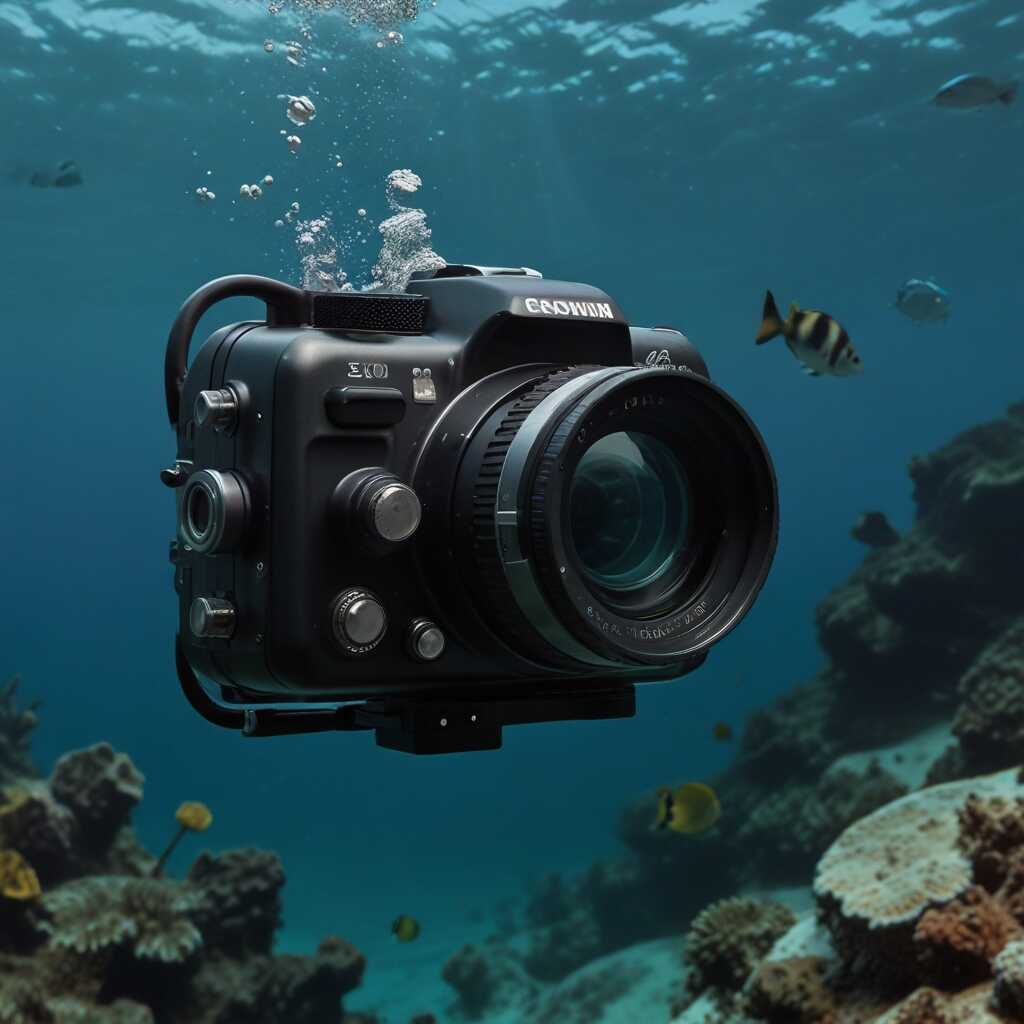
This section reviews key features of popular underwater camera housing brands. Brands like Ikelite, Nauticam, and Sea&Sea offer varying features suitable for different photography styles. For instance, Ikelite is known for its reliability and budget-friendly options. Nauticam typically provides advanced features and ergonomic design for professionals. Sea&Sea excels in providing robust durability and extensive compatibility with multiple camera models. These insights help users select the best options for their needs.
Top Features to Look for in Underwater Camera Housings
When choosing underwater camera housings, consider crucial features such as material durability, user comfort, and in-water performance. A good housing should be made from sturdy materials that can handle extreme underwater conditions. Ergonomic design enhances user experience during extended dives. Look for housings that offer safety features like double o-ring seals. Manufacturers like Nauticam integrate advanced technology to improve underwater photography efficiency. This combination of features ensures excellent performance for both amateur and professional photographers.

Tips for Maximizing Your Underwater Photography Skills
Adjusting your camera settings boosts underwater photography performance. Use a higher ISO for better sensitivity in low light conditions. Set your white balance according to the water type. For best results, use a custom white balance if your camera offers it. The choice of underwater housing significantly affects photo quality. Housings designed with anti-reflective coatings help ensure clear images. They reduce lens flare and distortions. These features enhance the reliability and performance of your shots. Consider the ideal shutter speed. A speed of 1/125 seconds helps capture fast-moving subjects without blurriness. This setting provides the balance needed in varying underwater light conditions.
Essential Camera Settings for Underwater Photography
Optimizing camera settings is vital for effective underwater photography. Adjust your aperture to control depth of field, ensuring more of your scene is in focus. A wider aperture like f/5.6 allows for brighter images in darker waters. Employ manual focus since autofocus can struggle with underwater obstacles. Use a strobe or underwater light for better illumination. These lighting tools vastly enhance photo quality by reducing shadows and bringing out colors. Choose an underwater housing that enables easy access to camera controls. Reliable housing options designed for specific models enhance usability during dives. Ensure to practice these techniques during your dives to see significant improvements in your photography results.
Advantages of Choosing Quality Protection for Your Equipment
- Safeguards against water damage and environmental hazards.
- Enhances image quality through better lens and sensor protection.
- Allows for easy access to camera controls in challenging conditions.
- Fosters creativity by enabling underwater photography at varied depths.
- Supports increased durability and functionality of camera systems.
- Boosts confidence while capturing stunning marine life photos.
- Encourages exploration of new underwater environments and ecosystems.

Best Practices for Maintaining Underwater Camera Housings
To keep underwater camera housings in top condition, adopt essential maintenance practices. Regular cleaning is vital. Use fresh water to rinse off salt, sand, or debris after each dive. Pay attention to seals and gaskets since they ensure waterproof reliability. Store your housing in a dry and cool place. Humidity control is key; using silica gel packets can help absorb moisture. Additionally, inspect the housing for any signs of wear. Performing these checks at least once a year enhances the longevity of your gear.
Additional Tips for Preventing Damage to Underwater Camera Housings
Preventing damage starts with understanding the vulnerabilities of your underwater camera housing. Always check the O-rings and seals before every dive. They require regular application of silicone grease to maintain flexibility and effectiveness. Do not force your housing open if it feels stuck, as this can damage seals. When traveling, ensure your housing is protected with padded cases to avoid impacts. Regular exposure to direct sunlight can degrade materials, so keep it stored in a shaded area when not in use. Following these targeted maintenance techniques provides a solid foundation for preserving your underwater equipment.
Acknowledging Limitations of Underwater Camera Housings
Underwater camera housings come with practical limitations that can affect your photography experience. Common issues include housing durability, which may not withstand extreme pressures or impacts. Environmental conditions like temperature, salinity, and water clarity significantly impact the housing’s performance. Additionally, using a housing without proper seals can lead to leaks, which compromise camera safety. Most underwater housings have a maximum depth rating, typically around 40 to 60 meters. Familiarity with these aspects can help photographers plan effectively and choose the right gear.
Impact of Environmental Conditions on Camera Performance
Environmental conditions directly affect the performance of underwater camera housings. Issues like water clarity can significantly alter light penetration, resulting in less vibrant colors and detail. Salinity might cause corrosion or film buildup on the housing’s exterior, impacting visibility. Temperature variations can affect battery efficiency and camera functionality. It is essential to understand these factors to enhance your underwater photography. Researching specific housing features can help ensure better performance in diverse diving conditions. Always consider housing materials designed for durability and performance to combat these environmental challenges.
Notable Brands and Their Suitability for Users
- Sea & Sea: Known for durable build quality, great for professionals.
- Ikelite: Offers versatile options, perfect for amateur photographers.
- Hugyfot: Ideal for extreme underwater adventures; rather pricey.
- Light & Motion: Excellent lighting, great for enthusiasts seeking vibrant visuals.
- Canon: Great compatibility for Canon users, however limited to their cameras.
- GoPro: Compact and user-friendly; ideal for beginners in a hurry.
- Marine Camera Rental: Perfect for travelers wanting to experience underwater photography without commitment.
Sharing Insights and Real Experiences from the Diving Community
Divers and photographers often share valuable experiences about their camera housings. These insights help potential users understand which options work best in various conditions. Many divers mention how specific housings enhanced their underwater photography by providing reliability and ease of use. Others detail their reviews, highlighting features like durability and comfort. Testimonials frequently emphasize how research and peer feedback improved their gear choices.
Top-Rated Camera Housings According to User Reviews
User reviews showcase which camera housings are favored in the diving community. Many divers recommend housings that have undergone rigorous testing and offer impressively durable designs. Specific brands, such as Nauticam and Ikelite, receive consistent praise for their reliable performance. Divers also mention housings that are easy to operate, allowing for quick adjustments underwater. Gathering user testimonials delivers insights into the best options currently available, ensuring you can make an informed decision.