
Master macro photography techniques to uncover underwater microhabitats by focusing on the intricate details of marine life. These skills can reveal hidden ecosystems that thrive beneath the surface, making your photography both impactful and beautiful. Scuba Forge helps you dive deeper into the world of underwater photography through practical tips and community insights. Whether you are a scuba diver or a photography enthusiast, our guide will enhance your ability to document these fascinating microhabitats.
Fundamentals of Macro Photography in Underwater Contexts
Macro photography in underwater contexts requires understanding essential techniques and equipment. First, you need to use a macro lens designed for underwater environments. This lens allows you to capture tiny marine details clearly. A dedicated macro lens usually has a focal length of 60mm to 105mm, which offers the best results for underwater close-ups. Using a reliable strobe can help illuminate subjects, ensuring excellent clarity in images. Understanding light positioning is key to achieving the desired contrast and saturation in your underwater photographs.
Choosing the Right Macro Lens for Underwater Photography
Selecting the right macro lens is crucial for capturing intricate details underwater. A lens with a focal length of 60mm to 105mm provides a great balance between depth of field and working distance. When shooting underwater, a longer lens allows you to maintain distance while focusing closely on your subject, reducing the impact of water distortion. Additionally, using a macro diopter can enhance your existing lens capabilities, enabling better close-focus performance. Research indicates that high-quality macro lenses can significantly improve image sharpness and color, making them invaluable for underwater photography.
Selecting Ideal Gear for Underwater Macro Photography
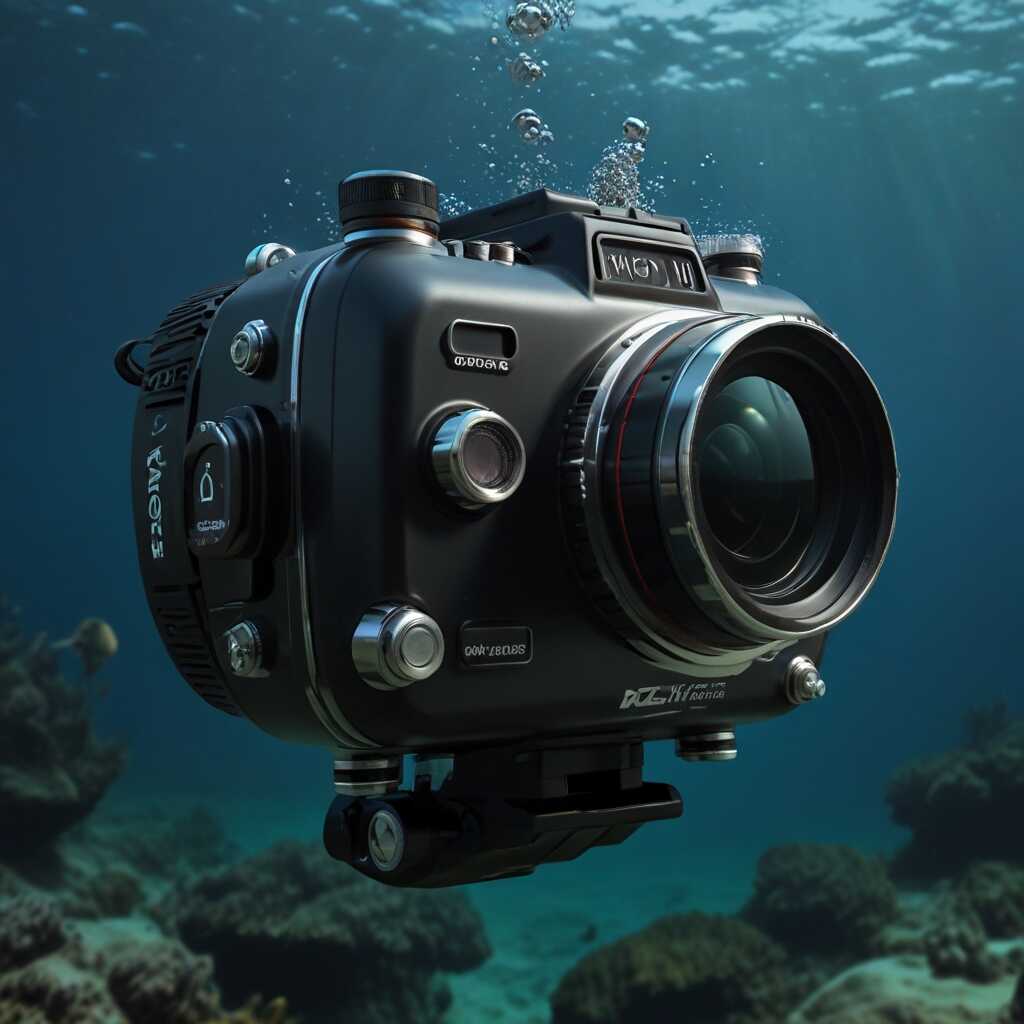
Choosing the right equipment for underwater macro photography is essential. A reliable camera should offer high resolution and excellent low-light performance. The best cameras for this purpose include models like the Canon EOS R5 or the Nikon Z7 II, both known for their durability and image quality. When it comes to lenses, macro options such as the 60mm or 100mm are recommended. These lenses enable detailed close-ups and provide a comfortable working distance. Essential accessories include underwater housings, which protect cameras and allow for easy operation underwater. A sturdy tripod or flexible arm can help stabilize the camera for capturing intricate details of microhabitats. Having multiple lenses helps adapt to varying underwater conditions and subjects.
Understanding Lens Types for Underwater Macro Photography
When engaging in underwater macro photography, understanding different lens types is crucial. Macro lenses come in various focal lengths, such as 60mm, 100mm, and even 150mm. Each focal length serves a purpose; a 60mm lens offers versatility for smaller subjects, while a 100mm lens allows for more distance from fragile marine life. Consider using a wide-angle lens with close-focusing capabilities for larger subjects in tight spaces. Another essential is the use of diopters, which can enhance your existing lenses for excellent macro shots. Having a combination of these lens types improves your photography experience and the quality of images captured.

Effective Techniques for Capturing Underwater Details
To excel in underwater macro photography, understanding lighting techniques is critical. Use natural light when shallow; however, as you dive deeper, light fades quickly. Consider using an external flash or strobe to illuminate your subject effectively. Use a diffuser to soften light and minimize harsh shadows. To enhance your composition skills, try getting low to the subject’s level for stunning angles. The ideal distance will vary, but generally, getting within 12 inches allows for detailed captures without startling your subjects. Use a tiny aperture like f/16 for depth of field, ensuring sharpness across the frame.
Essential Camera Settings for Underwater Macro Photography
Knowing your camera settings will greatly improve your underwater photography. Set your ISO to a lower number for less noise, preferably around 100 to 400. Use a shutter speed of 1/250 or faster to freeze the motion of marine life. If you are using a manual focus, ensure your autofocus system is reliable to avoid blurry images. A wide-angle lens can help capture more detail of microhabitats effectively. By selecting the right settings tailored for underwater conditions, you will significantly enhance your chances of capturing the best photographs.
Key Figures in Underwater Macro Imagery
- Macro photography captures objects 1:1 size or larger on the camera sensor.
- The optimal aperture range for underwater macro shots is typically between f/8 to f/16.
- Underwater habitats can house over 30,000 types of marine species, many detail-rich.
- Using macro techniques can reveal details up to 100 times smaller than the naked eye perceives.
- The best lighting for macro shots underwater is around 5600K, mimicking natural daylight.
- Camera settings often vary with a shutter speed of 1/125 to 1/250 seconds for clarity.
- Depths of 10 to 25 feet tend to provide optimal visibility for underwater photography.
Overcoming Common Hurdles in Underwater Photography
Divers often encounter visibility challenges underwater due to particulate matter and light absorption. Turbidity can negatively impact photo clarity. Divers should use proper lighting techniques, such as external flashes or lights, to enhance contrast and detail. Marine movement is another hurdle; fast-moving fish or swirling currents can blur images. Using a faster shutter speed can help capture more stable images. The depth range from 30 to 60 feet often poses additional challenges. At these depths, colors are distorted, and light diminishes significantly. Focusing on reliable, durable equipment ensures good performance, making it easier to capture the beauty of underwater life.
Strategies for Effective Underwater Photography
To enhance underwater photography, consider both equipment and technique. Using wide-angle lenses allows for greater depth of field, making it easier to capture expansive scenes. Additionally, taking advantage of natural light during shallow dives can improve image quality. Practice using manual settings to fine-tune exposure, ensuring reliable and consistent results. Regularly cleaning your camera housing helps maintain quality photos by reducing lens glare. In-depth knowledge of your underwater photography equipment allows you to test and see what settings deliver the best results. Keeping these factors in mind significantly enhances the experience of capturing stunning underwater microhabitats.
Enhancing Your Images with Post-Processing Techniques
Post-processing techniques can significantly enhance underwater macro photography. Key methods include color correction, detail enhancement, noise reduction, and sharpening. Software tools like Adobe Lightroom and Photoshop provide features designed for these tasks. Color correction helps restore natural hues often lost underwater. Detail enhancement increases the clarity of intricate textures, essential for showcasing small marine life. Studies show up to 90% of macro photographs benefit from effective post-processing techniques, improving their overall quality and visual appeal.
Essential Editing Tools for Underwater Photographers
Editing tools for underwater photographers should focus on enhancing clarity and vibrancy. Adobe Lightroom is excellent for adjusting exposure and contrast while preserving details. For more advanced techniques, Photoshop provides layers and masks, enabling precise adjustments. Using noise reduction filters can help eliminate artifacts and enhance images where light is limited. Color grading tools can also bring out the richness of underwater subjects. The combination of these tools helps photographers create visually stunning underwater macro images that capture the beauty of marine ecosystems.
Advantages of Capturing Tiny Underwater Life
- Macro photography enhances your understanding of aquatic ecosystems.
- Users significantly improve their photography skills through focusing on small subjects.
- This technique unveils the vibrant colors and textures of underwater microhabitats.
- Underwater imagery fosters greater appreciation for marine conservation efforts.
- Creativity flourishes as photographers experiment with angles and lighting.
- Documenting life increases awareness of biodiversity in ocean environments.
- Sharing your work can connect communities with a common interest in marine life.
Promoting Environmental Responsibility in Photography
Sustainable practices for underwater photography focus on minimizing ecological impact. Photographers should prioritize using eco-friendly photography equipment. They should avoid disturbing marine habitats and delicate ecosystems. Respecting marine life is essential for promoting environmental health. Examples include not touching coral reefs, which can suffer damage from human contact. Using proper buoyancy techniques will also help prevent accidental disturbances. These measures ensure photographers can enjoy nature while protecting it.
Protecting Marine Life During Underwater Shoots
Underwater photographers should prioritize marine life protection to ensure ecological sustainability. Certain species, like fragile coral and seahorses, are especially sensitive to human interaction. Remaining at a safe distance from these species prevents damage or stress. When photographing, divers can use specialized lenses to capture details without disturbing habitats. Understanding local marine ecosystems is crucial for minimizing impact. Using underwater photography ethics enhances both the experience and the environment’s well-being. By focusing on these practices, photographers contribute positively to marine habitat conservation and biodiversity.
Discovering Unique Underwater Microhabitats
Various underwater microhabitats, such as coral reefs, seagrass beds, and tide pools, offer unique opportunities for macro photography. Each ecosystem supports distinct marine life that divers can capture through their lenses. Coral reefs, with their vibrant colors and structures, host species like nudibranchs and shrimp. Seagrass beds provide a habitat for juvenile fish and invertebrates, giving photographers a chance to document their fascinating behaviors. Tide pools are perfect for finding small yet intriguing creatures like starfish and anemones. These habitats collectively demonstrate the amazing diversity of ocean life, encouraging exploration and appreciation for these fragile ecosystems.
Identifying Key Microhabitats for Macro Photography
Understanding specific underwater ecosystems enhances your macro photography experience. Coral reefs thrive at depths between 5 and 60 meters and are biodiverse, hosting fish, invertebrates, and corals. Seagrass beds are often found in shallow waters, typically less than 10 meters deep, supporting juvenile fish, sea turtles, and a variety of microscopic organisms. Tide pools form along coastlines and vary in size and depth with tides. They are often rich in biodiversity, including colorful anemones and starfish. Knowing these habitats and their typical depth ranges helps photographers find the best spots to capture stunning images of unique marine life.
Popular Brands and Their Audience for Underwater Imaging
- Canon offers versatile underwater lenses and excellent image quality.
- Nikon provides robust options for scuba enthusiasts with improved low-light performance.
- Marine biologists often use specialized gear for research and documentation.
- Olympos is popular among students for its user-friendly features at an affordable price.
- GoPro appeals to action-seekers, capturing dynamic subjects in vibrant detail.
- Reef photographers often prefer manual controls for specific shots in diverse conditions.
- Amateur photographers gravitate towards brands with budget-friendly options to encourage exploration.
Building Connections in the Underwater Photography Community
Engaging with the underwater photography community can greatly enhance your skills. Networking opportunities can be found through local clubs or online forums that focus on underwater photography. Joining social media groups dedicated to this interest allows you to share your work and receive constructive feedback from peers. Industry events like the “Underwater Photography Festival” can provide valuable chances to meet experts and enthusiasts. For competitive photographers, various photography competitions scheduled for 2025 offer platforms to showcase your skills and gain recognition. Many organizations also host workshops and seminars that can improve your techniques.
Participating in Photography Competitions and Events
Participating in underwater photography competitions and events offers excellent exposure and networking opportunities. Events like the “Ocean Art Underwater Photo Competition” encourage photographers to showcase their talent. Engaging in workshops during these events introduces you to new techniques and helps you connect with fellow underwater photographers. Many competitions also include categories for beginners, ensuring that all skill levels are represented. Through these activities, you can discover best practices, receive peer feedback, and engage with industry leaders, significantly enhancing your photography experience.