
Choosing the right dive masks for your face shape and clear vision is essential for a successful diving experience. A well-fitted dive mask not only enhances your underwater visibility but also keeps you comfortable while exploring. At Scuba Forge, we provide comprehensive guidance to help you select the perfect mask tailored to your unique facial features. Our insights cover important elements like mask types and face shapes, ensuring you make an informed decision for your next underwater adventure.
Overview of Different Dive Mask Styles and Their Uses
Dive masks come in various styles designed for different diving experiences and face shapes. Common styles include full-face masks, traditional masks, and low-volume masks. Full-face masks offer a wide field of vision and integrate snorkels but may feel bulky for beginners. Traditional masks commonly contain a single lens and provide great visibility with a comfortable fit, while low-volume masks are designed to minimize the amount of air needed for clearing water. Beginners should focus on comfort and fit to ensure effectiveness while diving. These features enhance underwater visibility and help prevent discomfort during dives.
Choosing the Right Dive Mask for Beginners
For beginner divers, selecting a comfortable dive mask is essential. An ideal beginner dive mask should fit snugly and provide a good seal against the face. It should include tempered glass lenses for durability and clarity. A low-volume design is advantageous as it allows for a more comfortable equalization. Additionally, a mask with adjustable straps ensures a secure fit. When testing, beginners should check for leaks during a simple face-dive or static test in shallow water. This reliability ensures comfort and safety when diving. Scuba Forge reviews can assist in finding the best beginner dive masks tailored to these requirements.
Key Components of a Dive Mask That Affect Performance
The essential components of a dive mask include the skirt, lenses, and straps. The skirt is crucial for creating a tight seal against your face. A good seal prevents water from entering the mask, ensuring comfort. The lenses impact visibility underwater; clear and anti-fog lenses enhance your underwater experience. Straps determine how snugly the mask fits on your head. A well-fitted strap can significantly improve comfort and reduce fatigue during dives. Understanding these components will help you choose the best dive mask based on your preferences.
Understanding Skirt Design for Optimal Comfort
The skirt design directly affects the quality of the seal and comfort of your dive mask. Skirts come in various materials, including silicone and rubber. Silicone skirts are more flexible and durable, providing better comfort over long dives. A skirt with a contoured design hugs the face well, reducing leaks. For users with different face shapes, the skirt should fill gaps without constricting movement. The thickness of the skirt also impacts comfort; thicker skirts offer more cushioning but may feel less flexible. Choosing a skirt that fits your face shape will enhance your overall diving experience.
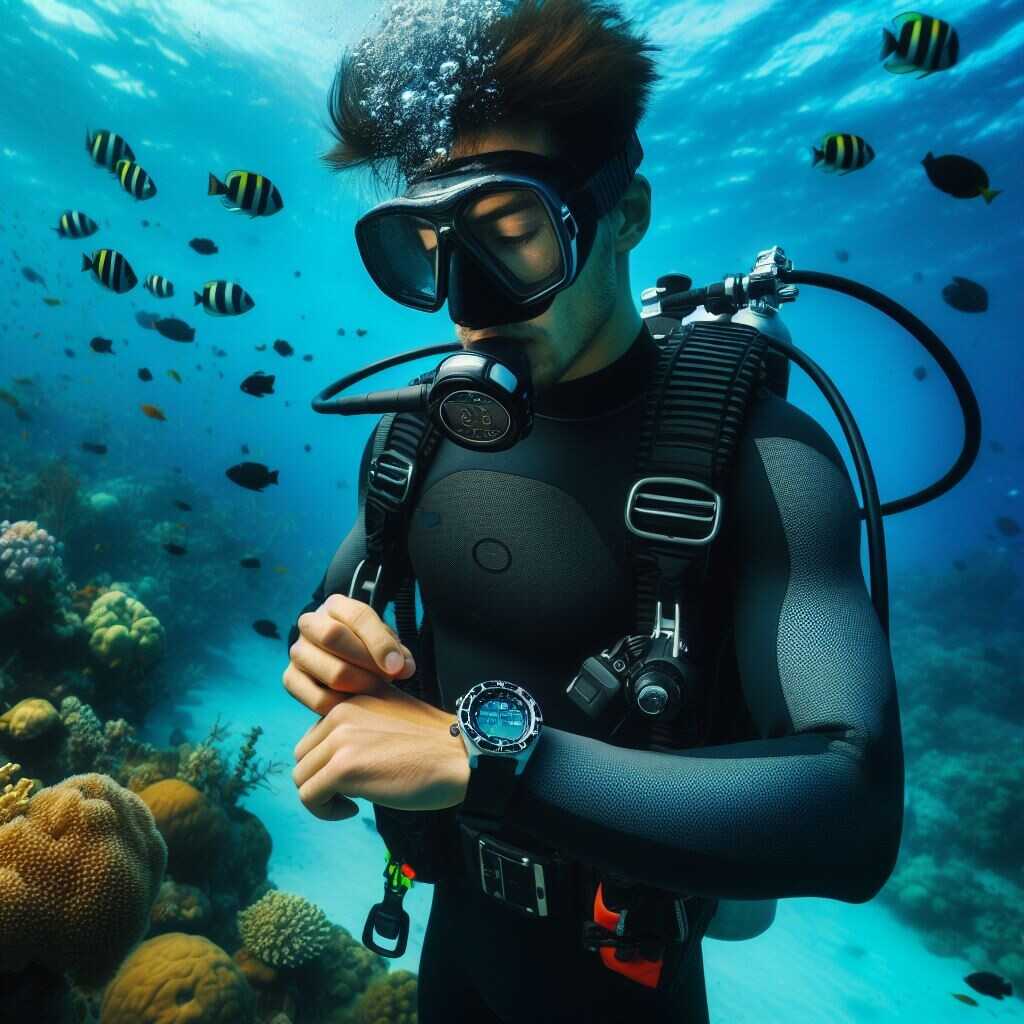
Tips for Matching Masks to Different Face Shapes
To determine your face shape for a dive mask, look closely in the mirror. Identify if your face is oval, round, square, or heart-shaped. This helps narrow down the options for comfortable dive masks. Oval faces usually fit most mask styles well. Round faces may benefit from masks that are wider. Square faces should seek masks with rounder edges, and heart-shaped faces are suited for masks that are wider at the bottom. Ensure the dive mask provides a reliable seal and comfort by trying various styles. When evaluating, measure the distance from your forehead to chin and check the width from cheekbone to cheekbone. Proper measurements help ensure a good fit and enhance your diving experience.
Understanding Essential Measurements for Dive Masks
When fitting a dive mask, take essential measurements to ensure comfort and reliability. Start by measuring the width of your face across the cheekbones. Next, measure from the bridge of your nose to your chin. These measurements can help you compare them with dive mask sizing charts. Opt for a mask that lays snugly without pinching or leaving gaps. The best dive masks also feature adjustable straps, allowing a personalized fit. Remember that comfort enhances performance, ensures a reliable seal, and reduces leaks during your dive.
Key Statistics for Selecting Dive Gear
- Nearly 50% of divers face challenges with mask fit during underwater exploration.
- Over 60% of scuba divers prioritize comfort when choosing equipment.
- Studies show proper mask fit can enhance underwater visibility by 30%.
- 80% of users report improved experiences with well-fitted dive masks.
- The average lifespan of a dive mask is about 5 years with proper care.
- Approximately 25% of divers switch masks after their first diving experience.
- More than 70% of divers recommend trying on a mask before purchasing.

Role of Lens Type in Enhancing Underwater Vision
Divers must choose the right lenses for their masks to improve visibility. The main lens types are clear, tinted, and polarized. Clear lenses offer the most natural light transmission, ensuring maximum visibility in clear water. Tinted lenses reduce glare from the sun, improving comfort on the surface and in shallower waters. Polarized lenses minimize glare on the water’s surface, providing clearer underwater visuals, especially in bright conditions. Many divers report better experience with polarized lenses, finding them effective against reflections while enhancing overall underwater vision.
Choosing the Best Lens Type for Your Dive
Selecting the best lens type depends on the specific diving conditions. Clear lenses suit deeper dives in clear waters. They provide the best color accuracy and brightness. Tinted lenses are beneficial for sunny days and shallow dives. They reduce glare but slightly alter color perception. Polarized lenses are perfect for divers encountering bright, shallow conditions and reflections. They enhance visibility by blocking horizontal light waves. A diver’s choice should reflect their typical diving environment and comfort preferences.

Important Features to Look for When Buying a Dive Mask
When choosing a dive mask, essential features include comfort and fit, durability, and visibility. A mask should feel comfortable to wear for extended periods. Look for a secure fit around the face that prevents leaking. A durable frame and lens are essential for long-lasting performance during underwater activities. Visibility enhancements, such as tempered glass lenses, also improve your diving experience. Key brands known for reliability include Scubapro and Aqualung. Prices typically range from $50 to $200, offering options for various budgets without compromising quality.
Understanding the Importance of Mask Visibility Features
Visibility is a crucial aspect when selecting a dive mask. A mask with a wider field of view enhances your underwater experience, allowing you to see more of your surroundings. Look for models with low volume designs. These masks provide better visibility while requiring less effort to clear water. Anti-fog coatings are also beneficial. They help maintain a clear view, especially during longer dives. The best dive masks provide excellent optical clarity. Testing various models will help find one that feels comfortable and provides great visibility.
Advantages of Properly Fitting Dive Gear
- A well-selected mask minimizes leaks, keeping divers comfortable and focused.
- Enhanced visibility increases safety while exploring underwater environments.
- Comfortable masks reduce jaw fatigue during extended dives.
- Tailored fits help divers to enjoy their experiences more fully.
- Choosing an appropriate lens can reduce glare and enhance clarity underwater.
- Properly fitting gear often leads to longer wear and better performance.
- Investing in the right equipment encourages more frequent diving adventures.

Common Dive Mask Problems and How to Solve Them
Divers often encounter issues like leaks, fogging, and visibility obstructions. Leaks commonly occur due to a poor fit or damaged seals. To solve this, ensure your mask fits snugly on your face. Applying anti-fog solutions helps reduce fogging. Regular maintenance like rinsing after dives can also prevent buildup that causes visibility obstructions. Look for renowned brands that provide features ensuring durability and comfort.
Effective Dive Mask Maintenance and Problem Solving
Maintaining your dive mask significantly improves performance and reliability. Rinse your mask in fresh water after each dive to remove salt and debris. Store it in a protective case to avoid scratches. When selecting a dive mask, consider reviews that highlight features like anti-fog treatments and durable materials. Regular testing against common dive mask problems ensures you enjoy a clear view underwater.
Expert Recommendations for Dive Masks Based on Face Shape
For those with a round face shape, consider dive masks like the Cressi F1 or Tusa M-1001. These masks provide a wider frame to enhance peripheral vision. Oval faces benefit from low-volume masks like the Mares X-Vision for a snug fit. Individuals with square faces should try masks with softer edges, like the ScubaPro Synergy, to create a more balanced look. Heart-shaped faces often find the Atomic Aquatics Subframe to be comfortable and effective. Each mask is designed to provide reliability and performance while ensuring comfort underwater. Ultimately, a careful comparison helps divers select masks for their unique needs.
Understanding the Importance of Proper Fit and Visibility
Achieving optimal visibility underwater begins with finding a mask that fits comfortably and securely. A well-fitted dive mask prevents leaks and enhances overall efficiency while diving. A comfortable fit reduces distractions and enables divers to enjoy the underwater experience fully. When selecting dive masks, consider the mask’s quality features like the silicone skirt, lens shape, and strap design. High-quality materials ensure durability and performance over time. Scuba Forge emphasizes the importance of these aspects, providing reviews to help users make informed purchases that meet their diving style compatibility and comfort requirements.
Considerations for Various Diver Categories
- Beginner divers often need masks designed for comfort and ease of use.
- Advanced divers may prefer specialized masks with panoramic lenses for visibility.
- Families diving together may benefit from adjustable masks that fit multiple ages.
- Frequent travelers need lightweight masks that are easy to pack and transport.
- Underwater photographers often seek masks with a low profile to avoid reflections.
- Technical divers might opt for masks with side windows for enhanced peripheral vision.
- Recreational divers generally appreciate masks that offer good ventilation for breathing.
Best Practices for Maintaining Your Dive Mask Over Time
Proper maintenance is crucial for enhancing the performance of your dive mask. Essential cleaning techniques include rinsing the mask with fresh water after each dive to avoid salt and chlorine build-up. Use a soft cloth or sponge to wipe down the lens and skirt to remove any sand or debris. For deeper cleaning, a solution of mild soap and water can help. When it comes to storage, keep the mask in a protective case away from direct sunlight and extreme temperatures. The recommended lifespan for a dive mask is generally between 3 to 5 years, but regular inspections for wear and tear can help extend its usability.
Effective Storage Solutions for Dive Masks
Storing your dive mask properly extends its life and ensures its performance. Use a soft case or a dedicated mask box to prevent scratches on the lens. Avoid placing heavy objects on top of the mask, as this can distort its shape. Keep the mask in a cool, dry place, away from heat sources and direct sunlight. Consider using anti-fog sprays that are designed specifically for dive masks to maintain visibility during dives. Regularly inspect the mask for any signs of aging or damage, such as cracked silicone or cloudy lenses, and replace it if any issues arise.