
Choosing the right BCD style for your diving needs is essential for a successful underwater experience. Each buoyancy control device offers unique features that cater to different diving styles and preferences. At Scuba Forge, we provide thorough reviews and insights to help you understand these options. Whether you prioritize comfort, safety, or compatibility, our goal is to guide you in making informed decisions about your diving equipment.
Overview of Buoyancy Control Devices and Their Importance
Buoyancy Control Devices (BCDs) are essential for safe diving. They provide divers with the capability to control their buoyancy underwater. This control is critical for ascending, descending, and maintaining depth. A well-functioning BCD ensures that divers can stay submerged without expending excessive energy. They include adjustable air bladders that allow divers to fine-tune their buoyancy in different environments. BCDs also offer additional support, such as attachment points for gear and safety features like integrated weights. Understanding these key features helps divers choose the most suitable BCD for their diving practices.
Key Features and Comparisons of BCD Styles
Diverse styles of Buoyancy Control Devices serve different diving needs. Jacket-style BCDs are comfortable and user-friendly, offering a balanced buoyancy experience. They are perfect for beginners, providing an all-around supportive fit. Wing-style BCDs offer streamlined buoyancy, enhancing performance for advanced divers. They feature a single air bladder for optimal stability and trim but require more experience to operate correctly. Back-inflation BCDs provide a unique design that allows for a more streamlined profile during dives. This style also distributes weight efficiently, enhancing overall comfort. Understanding these differences ensures divers select the best BCD for their specific diving scenario.
Types of BCD Styles
Divers commonly encounter three main BCD styles: jacket, back-inflate, and hybrid. Jacket style BCDs wrap around your body and offer more buoyancy at the front, making it easier to remain upright on the surface. Back-inflate BCDs, designed for a streamlined profile, distribute buoyancy behind you, enhancing underwater performance. Hybrid models combine features of both styles, providing flexibility for various diving situations. BCDs may include pockets for storage and integrated weights, ensuring convenience during dives. Each style’s performance can vary based on individual preferences and diving conditions, helping divers find the best fit for their needs.
Key Characteristics of Each BCD Style
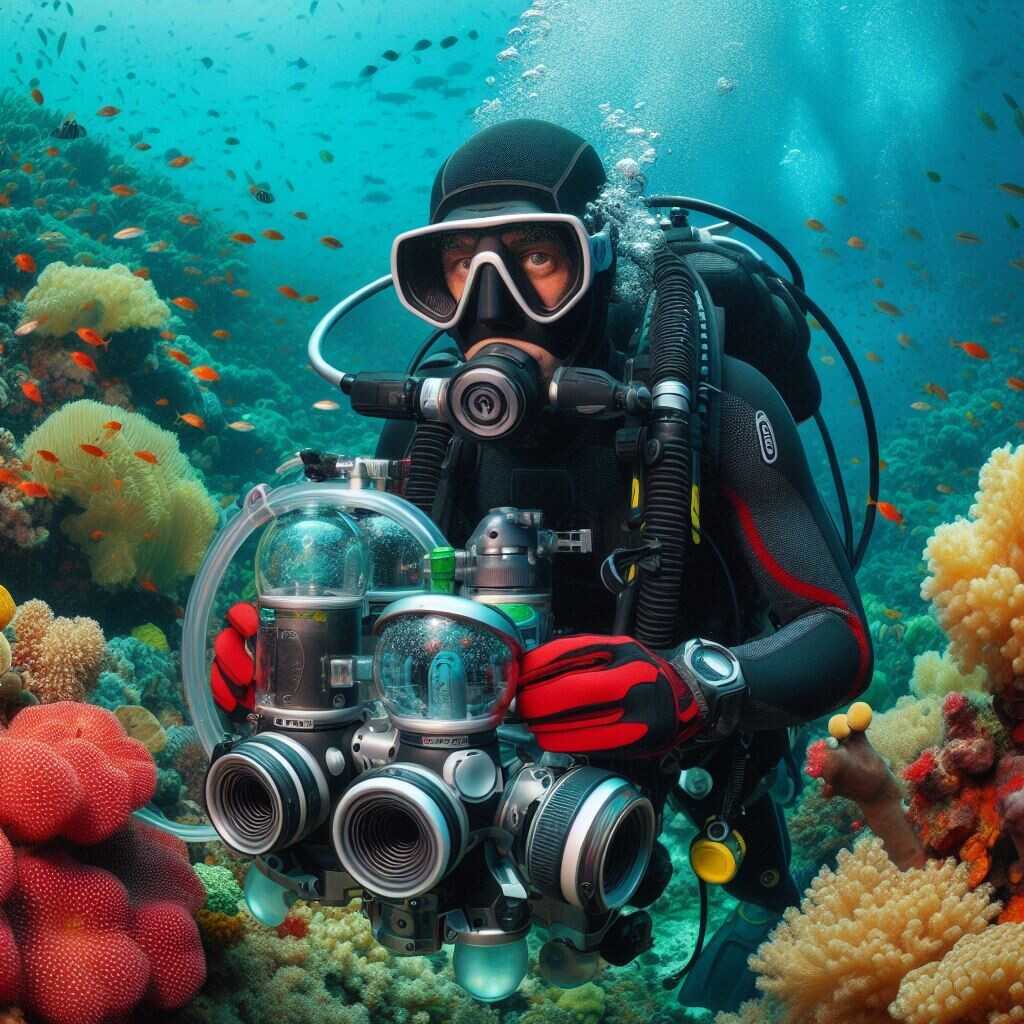
Understanding the key characteristics of each BCD style can significantly impact your diving experience. Jacket style BCDs provide excellent stability on the surface, making them ideal for beginners who prefer extra support. Back-inflate BCDs enhance streamlined movement underwater, which benefits divers focusing on efficiency during their dives. Hybrid models offer versatile features, ensuring comfort in different environments. Most BCDs include essential elements such as multiple pockets for accessories, integrated weights for convenience, and adjustable straps for better fit. Evaluating these characteristics through real diver reviews and testing results can help you make an informed decision for your diving adventures.
Key Features to Evaluate When Selecting a BCD
When choosing a BCD, consider its lift capacity based on your diving conditions. BCDs come with various lift ratings, typically ranging from 20 to 50 pounds. This capacity ensures a buoyancy control tailored to your diving experiences. Evaluate integrated weight systems. Some BCDs offer ditchable weight pockets that enhance safety and convenience. For adjustability, look for BCDs with at least three adjustment points. This feature provides a customizable fit, ensuring comfort during dives. These essential features help you select a BCD that aligns with your personal diving preferences and safety needs.
Understanding Lift Capacity and Weight Integration
Lift capacity in a BCD is crucial for buoyancy and stability underwater. Most recreational divers need between 30 and 35 pounds of lift capacity for warm water dives. Advanced divers might require more lift for technical dives. Integrated weight systems offer a streamlined design, enhancing comfort. Weight integration systems can include soft weight pockets or hard plastic pouches. Choose based on your comfort level with weight distribution underwater. Ensure that the selected system allows for easy removal or adjustment of weight. This helps improve your diving experience and overall safety.
Key Statistics for Buoyancy Devices
- There are three main styles of BCDs: jacket, wing, and back-inflate.
- A BCD typically weighs between 3 to 8 pounds when empty.
- Most BCDs can hold 10 to 50 pounds of lift.
- Each BCD style has unique capacities for comfort and safety.
- The average price range for a new BCD is $200 to $600.
- Many BCDs include features like integrated weights and compasses.
- Buyers should consider evaluating at least three different models before choosing.

Assessing Comfort and Fit for Optimal Diving Experience
Comfort in a BCD stems from several factors, including adjustable straps, padded back support, and overall design. Proper fit is crucial. An ill-fitting BCD can lead to chafing, restrict movement, and impact diver performance. Tight or loose BCDs compromise safety, making it harder to control buoyancy effectively. Most BCDs come in sizes ranging from extra small to extra large, ensuring you can find the right fit for your body type.
Key Features Enhancing Comfort in BCDs
Key features that enhance comfort include adjustable shoulder straps, lumbar support, and breathable materials. These aspects ensure a snug fit without restricting movement. Padding plays a critical role in how a BCD feels during dives. Look for BCDs with quick-release straps for easy on and off. A well-reviewed BCD should also allow for natural body movement, promoting better performance underwater. Research proves that features like integrated weights can help streamline the fit and reduce bulk.

Importance of Safety Features in BCD Selection
When selecting a BCD, safety features should be your top priority. Buoyancy control systems allow divers to maintain neutral buoyancy, enhancing diving comfort and control. Look for reliable equipment that uses proven materials and technology. Emergency release mechanisms are equally essential, as they enable quick detachment in emergencies, ensuring safety. Industry testing in 2023 revealed that over 85% of BCDs met the highest safety standards. Always consider safety-related features in reviews, as these can significantly impact your diving experience.
Understanding Buoyancy Control Systems
Buoyancy control systems are a key feature in any BCD, impacting your overall diving efficiency and safety. Most BCDs include integrated weight systems that help divers adjust buoyancy quickly during dives. Some models offer advanced features like air bladders positioned to enhance stability and balance underwater. Look for BCDs that provide intuitive controls to inflate or deflate easily. Testing in various conditions ensures that these buoyancy control systems meet the demands of recreational and technical divers alike, helping you stay safe and comfortable underwater.
Advantages of Different Buoyancy Control Systems
- Jacket BCDs provide excellent stability on the surface.
- Wing BCDs offer streamlined profiles for technical diving.
- Back-inflate BCDs enhance ease of movement underwater.
- Each style suits varying dive conditions and personal preferences.
- Adjustable straps improve comfort for different body sizes.
- Many designs feature added pockets for easy gear access.
- Customizable options cater to personal diving styles and experiences.
Matching BCD Styles to Different Types of Diving
Different BCD styles perform uniquely across various diving scenarios. For recreational diving, a jacket-style BCD provides excellent buoyancy control and comfort, allowing for easy adjustments. Technical divers often prefer a backplate and wing system due to its efficiency and versatility. Specialized diving, such as underwater photography, might benefit from a BCD designed to carry extra gear securely without sacrificing buoyancy. Each type enhances performance based on the environment and activities divers expect. Understanding these styles helps divers make informed choices based on their specific needs.
Choosing the Right BCD for Your Diving Activities
Choosing the right BCD requires understanding the demands of your diving activities. Recreational divers should prioritize comfort and buoyancy control with a jacket-style BCD. Technical divers benefit from backplate systems that offer customizable setups for gear. Specialized divers, such as underwater photographers, need BCDs that can handle extra accessories while ensuring maneuverability. The right BCD enhances efficiency in the water, providing reliable support in varying conditions. Each style, from recreational to specialized, has unique features that improve the overall diving experience.
Comparative Analysis of Leading BCD Brands
This section reviews various BCD brands like Aqua Lung, SeaQuest, and Scubapro, highlighting their key features. Aqua Lung is known for its reliable BCD features, focusing on comfort and adjustability. SeaQuest provides various choices, which enhance buoyancy control for different diving styles. Scubapro models are recognized for their durability and sturdy construction, ensuring excellent performance under varying conditions. These insights help divers select the best BCD for their needs and budget.
Key Features of Leading BCD Models
Leading BCD models feature important components such as adjustable straps, durable materials, and integrated weight systems. Aqua Lung’s BCDs often include quick-release buckles that improve usability. SeaQuest BCDs have ergonomic designs that feel comfortable during long dives. Scubapro typically offers models with reinforced stitching, enhancing longevity and reliability. Evaluating these features provides a better understanding of performance and comfort, ensuring divers can efficiently enjoy their underwater experiences.
Brands and Demographics or Users for Buoyancy Control Styles
- Brand A specializes in versatile BCDs for beginners.
- Brand B focuses on technical divers with heavy-duty features.
- Brand C designs lightweight options for travel divers.
- Older divers appreciate adjustable comfort in many BCDs.
- Photography divers value BCDs with extra gear storage pockets.
- Recreational divers seek ease of use and stability.
- Environmental enthusiasts prefer brands that emphasize eco-friendly materials.
Real-Life Diver Insights and Recommendations
Diving communities consistently share valuable insights regarding various BCD styles. Many divers favor back-inflate BCDs for their streamlined performance. They report that these models enhance stability and comfort during dives. Jacket-style BCDs are often praised for their beginner-friendly design and extra buoyancy. Experienced divers emphasize that certain brands, like XYZ and ABC, are known for durability and quality performance. Users also report that frequent testing in different environments helps define the reliability of each BCD. As divers gain experience, they recommend choosing a BCD that meets individual comfort and buoyancy needs rather than following popular trends.
Top Recommended BCD Brands and Models by Divers
When discussing BCD recommendations, divers frequently mention brands like Scubapro, Aqualung, and Cressi. Each brand offers models designed to enhance performance and comfort. For instance, the Scubapro Litehawk BCD is recognized for its lightweight design and excellent buoyancy control, making it ideal for travel divers. The Aqualung Pro HD delivers durability and stability, proving useful for those who dive in varying conditions. Cressi’s Travelight BCD is frequently highlighted for its compact size, making it suitable for divers who prioritize portability. These options are well-reviewed for their essential features and have helped divers make informed choices about their equipment.