
Maximize your vacation memories with underwater photography insights that capture stunning moments beneath the waves. Understanding basic underwater photography principles can elevate your vacation experience and help you preserve these treasures. Whether you are a diving enthusiast or a beginner, Scuba Forge offers practical tips and gear reviews to enhance your underwater photography skills. Dive into a world where each snapshot becomes a cherished memory of your adventures.
Key Techniques for Stunning Underwater Photography
Capturing stunning underwater images involves several techniques. Essential techniques include understanding lighting, selecting the right underwater photography equipment, and knowing the ideal distance from your subject. Light behaves differently underwater; therefore, natural light should be used strategically. Utilize wide-angle lenses when shooting schools of fish or expansive coral reefs. These lenses provide a broader perspective. Pay attention to your camera settings, especially ISO and shutter speed, to optimize image quality based on available light. The subject distance matters too; generally, staying 3 to 5 feet from the subject captures detail without distortion. Knowledge of these factors enhances your underwater photography experience.
Maximizing Lighting for Underwater Shots
Lighting is crucial for achieving great underwater photographs. Best results come from using natural light during the day when the sun is high. Depending on water clarity, consider using strobes or video lights to enhance colors. Light filters through water, losing certain colors at depth. For instance, reds disappear quickly, so find subjects that pop with contrasting colors. A good practice includes keeping your light source directed at the subject at an angle. This helps eliminate backscatter caused by particles in the water. Understanding these lighting tactics can maximize your underwater photography results.
How to Utilize Natural Light for Underwater Shots
Natural light plays a crucial role in underwater photography. Sunlight diminishes with depth, changing colors and clarity. When shooting in clear waters, capture images within the first 10-15 feet, where light is best. Techniques like shooting in the morning or late afternoon can improve results by utilizing softer light. To enhance colors underwater, consider using a color filter designed for your camera. Experimenting with angles will help you best use natural light, creating vibrant images that capture underwater beauty.
Optimal Shooting Times for Underwater Photography
The best times for underwater photography are typically during mid-morning and late afternoon. In these hours, sunlight is softer, reducing harsh shadows, and creating even lighting. When captured at these times, underwater scenes can exhibit true-to-life colors and improve visibility. Avoid shooting around noon when sunlight is strongest as it may create spots of overexposure. Make sure your settings allow for easy adjustments so you can adapt to changing light conditions rapidly. These practices ensure great results and help you create impressive underwater memories.

Choosing the Right Gear for Underwater Photography
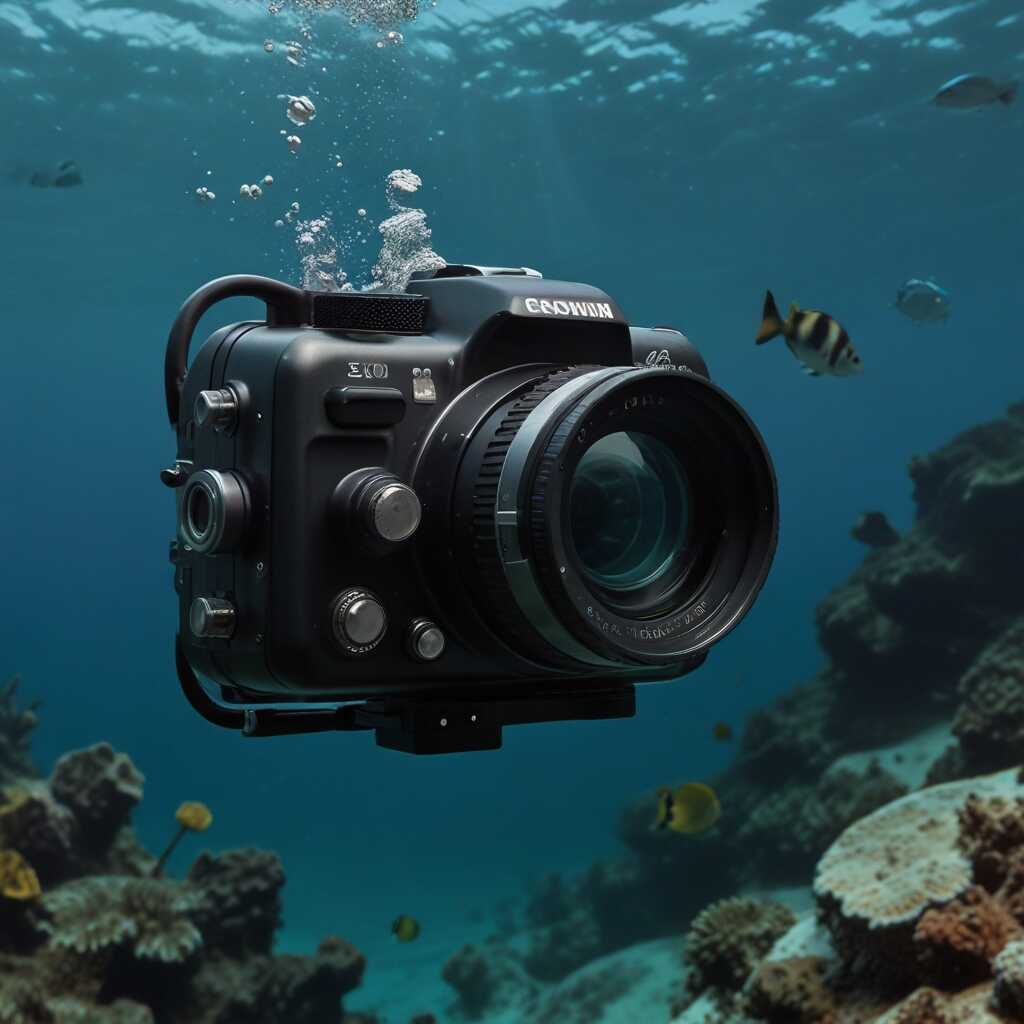
Understanding the right features in underwater photography gear enhances your capturing abilities. Look for cameras with a sturdy build, high-resolution sensors, and a waterproof rating of at least 30 meters. This ensures reliability and performance in various underwater environments. Additionally, consider lenses designed for underwater use that reduce distortion. Accessories such as floatation devices and waterproof housings provide extra protection and stability, helping you to capture great moments without worry. Research reliable brands and read reviews to find options that fit your diving needs.
Features of Quality Underwater Cameras
Quality underwater cameras have essential features that enhance your photography experience. Seek cameras with a minimum depth rating of 60 meters to handle deeper dives. Look for models compatible with wide-angle and macro lenses, enabling close-up and expansive shots underwater. Reliable brands typically offer models with built-in stabilization features, improving image quality during movement. Ensure the controls are easy to access, even with gloves on. Battery life is another vital aspect; cameras that provide at least 2 hours of continuous shooting are ideal for dedicated underwater photography sessions.
Essential Statistics for Underwater Capturing
- Over 70% of our planet is covered by water, offering vast opportunities for underwater photography.
- Approximately 90% of marine life remains unexplored, making underwater images truly unique.
- More than 40% of divers also enjoy underwater photography during their trips.
- In 2019, over 2 million people engaged in underwater photography globally.
- Average underwater visibility can range from 10 to 100 feet based on location.
- Many underwater cameras are now waterproof up to 100 feet or more, perfect for adventurous shoots.
- Improved camera technology has reduced the cost of underwater photography gear by about 30% in the last five years.

Techniques for Composition and Framing Underwater Photos
Key composition techniques for underwater photography include the rule of thirds, leading lines, and using natural frames. The rule of thirds divides the frame into nine equal sections and places subjects at the intersections. This helps draw the viewer’s eye to the main subject for better impact. Leading lines guide the viewer through the image, often created by coral formations or swimming paths of sea life. Natural frames, like rock formations or plant life, help focus attention on the subject. Photographers should consider at least three or four framing techniques to enhance their underwater shots.
Understanding the Rule of Thirds in Underwater Photos
The rule of thirds is an essential composition rule that significantly improves underwater photography. By dividing the image into nine equal sections, divers can position the main subject along these lines or their intersections. This method enhances the visual balance and draws attention to crucial elements. For example, when capturing fish or coral, placing them on the intersection points creates a more dynamic image. This technique helps express depth and encourages viewers to explore the entire underwater scene. Mastering this composition technique is proven to boost the quality of your underwater photography.

Common Pitfalls in Underwater Photography and How to Avoid Them
Novice underwater photographers often encounter several mistakes that hinder their ability to capture stunning images. One common mistake is not considering the available light. Many beginners fail to use artificial lighting, like flashes, at the correct depth. As a rule of thumb, using a flash is best at depths below 10 feet. It enhances the color and quality of the photos. Another issue is poor buoyancy control, which can lead to blurry images from camera movement. Choosing the right equipment, like a reliable underwater housing, is essential. Clear visibility underwater can make or break your photos, so always test your settings before taking shots. Essential techniques include understanding composition and practicing before the trip to enhance your efficiency during the shoot.
Essential Tips for Enhancing Your Underwater Photography Experience
To enhance your underwater photography experience, select gear that is comfortable and provides good reliability. Invest in a sturdy camera housing that can handle saltwater and pressure. Be aware of your surroundings; avoid disturbing delicate marine life while shooting. Use wider apertures to brighten your images and keep the subject in focus. It’s also very good practice to maintain a closer distance to your subject, as this reduces water distortion. Reviewing your shots frequently can help you understand your mistakes and improve your technique. Researching specific underwater photography techniques and attending workshops can also provide invaluable knowledge, ensuring you achieve the best results on your next adventure.
Key Advantages of Immersive Photography Techniques
- Underwater images capture the magic of marine environments, enhancing your travel stories.
- Basic underwater photography principles help divers document their experiences effectively.
- Unique visual perspectives in underwater photography attract more viewers to your blog.
- With good lighting techniques, you can significantly improve photo clarity and colors.
- Sharing underwater shots raises awareness about marine conservation and environments.
- Simple photography techniques are easy for beginners to learn and practice during trips.
- Using underwater photography helps in creating lasting memories of your adventure.
Post-Processing Essentials for Enhancing Underwater Photos
Post-processing is crucial for enhancing underwater photographs. Start by correcting color balance. Underwater images often appear blue or green due to water absorption of light. Adjust the color levels using software like Adobe Lightroom or Photoshop. Techniques like color correction methods can dramatically improve an image’s vibrancy. Next, focus on sharpening the photo. Utilize tools such as clarity and sharpness sliders to enhance details. Lastly, cropping the image can remove distractions and focus on the subject. Consider organizing your work into batches for efficient improvements. Time spent on each photograph varies, but allocate about 15 to 30 minutes on average for significant enhancement.
Popular Image Editing Software for Underwater Photography
Choosing the right software for underwater photography editing is essential. Adobe Lightroom is highly regarded for its user-friendly interface. It offers efficient batch processing and color correction methods that suit underwater images. Photoshop provides advanced features for detailed retouching, including layer adjustments and masking. Consider Capture One for its powerful color grading capabilities, especially beneficial for vivid underwater scenes. For beginners, tools like GIMP are cost-effective. This open-source software offers solid features for basic adjustments. Pick the software that feels comfortable and allows for quality enhancement of your underwater photos.
Effective Ways to Share Your Underwater Memories Online
Finding the right platforms is crucial for sharing underwater photography. Popular sites include Instagram, Facebook, and specialized diving forums. These platforms allow you to showcase digital images and connect with other diving enthusiasts. For preserving memories, consider using photo printing services like Shutterfly or Snapfish. These services help you create high-quality prints and photo books. Beginner underwater photographers can also create blogs or use websites like WordPress to share experiences and lessons learned. Research shows that over 70% of vacationers use social media to share travel experiences, underscoring its effectiveness.
Choosing the Right Photo Sharing Platform
Choosing the right photo sharing platform is essential for displaying your underwater photography work effectively. Social media platforms like Instagram offer visual content-centric layouts that highlight your stunning underwater shots. Facebook groups focused on diving provide a community for feedback and engagement. For more professional exposure, platforms like 500px or Flickr allow users to upload high-resolution images. These platforms are designed to enhance viewing experiences and provide networking opportunities with fellow photographers and divers. Take time to explore each platform’s features, ensuring you choose one that aligns with your sharing goals.
Popular Camera Brands for Rich Underwater Experiences
- GoPro: Known for its compact size and extreme durability; ideal for action shots.
- Olympus: Produces high-quality, underwater-ready cameras; good for vibrant image quality.
- SeaLife: Specializes in underwater cameras; focuses on rugged designs for divers.
- Canon: Offers a range of underwater housings for traditional cameras; great for flexibility.
- Fujifilm: Provides extensive features suitable for underwater photography; enhances creative potential.
- Smartphone with a waterproof case: Accessible option for casual photographers; easy to share images.
- Beginner vacationers who love marine life find cameras from these brands reliable and functional.
Practicing Ethical Underwater Photography for Conservation
When engaging in underwater photography, ethical practices are vital to protect marine life and ecosystems. Key practices include minimizing disturbances to marine habitats, not touching or getting too close to wildlife, and avoiding the use of flash when photographing sensitive species. Ethical photographers ensure their actions do not harm the environment by staying aware of their impact on underwater ecosystems. The best approach is to observe rather than interfere, allowing marine life to behave naturally, which also results in better photographs. By following wildlife photography guidelines, photographers enhance their experience while contributing to conservation awareness.
Understanding Distance for Ethical Photography
Maintaining a safe distance is essential for ethical underwater photography. Photographers should stay at least 3 to 6 feet away from marine life, depending on the species’ sensitivity. This distance prevents stress to the animal and ensures safer interactions. By keeping a respectful distance, photographers can capture stunning images without disturbing the natural behavior of the subject. This practice not only protects marine life but also enhances the quality of the photographs taken, allowing for clear, beautiful images that reflect the underwater environment’s true essence.