
Advanced buoyancy training significantly reduces air consumption and prolongs dives, making it essential for all divers. It teaches skills that enhance control and efficiency underwater, leading to more enjoyable and eco-friendly experiences. At Scuba Forge, we believe in empowering divers with the knowledge to optimize their gear and skills. Understanding advanced buoyancy techniques can transform your diving adventures and promote safety and sustainability.
Advanced Buoyancy Control Methods to Improve Diving Performance
Advanced buoyancy control methods include techniques like the use of a vertical body position, proper weighting, and continuous adjustment of buoyancy via breath control. Mastering these methods significantly impacts air consumption and dive duration. Divers can reduce air usage by manipulating their buoyancy efficiently, which extends the duration of dives. It is essential for divers to grasp that effective buoyancy control enhances overall dive performance, ensuring safety and comfort underwater.
Benefits of Mastering Advanced Buoyancy Techniques
Mastering advanced buoyancy techniques, such as fore-aft positioning and breath control, can greatly enhance a diver’s performance. These methods allow divers to maintain neutral buoyancy comfortably, ensuring minimal air consumption and decreasing the need for excessive finning. The result is a relaxing underwater experience that allows for longer dives and more time to enjoy marine life. Many instructors recommend practicing these techniques regularly to develop confidence and proficiency, enabling divers to explore deeper and more challenging environments safely.
Exploring the Connection Between Buoyancy and Air Usage
Buoyancy control plays a crucial role in reducing air consumption during dives. Divers who manage their buoyancy well can stay suspended in the water column without using excess energy, which in turn leads to lower air usage. Effective buoyancy management helps divers focus on their surroundings instead of struggling against buoyancy issues, ensuring a more enjoyable dive experience. Different buoyancy training techniques, such as proper weight distribution and breathing control, can significantly impact air usage and overall performance. Advanced diver training enhances these skills, helping divers utilize their equipment efficiently and reducing their reliance on air. Studies indicate that with effective buoyancy management, divers can achieve air consumption reductions of 20% or more.
Advanced Techniques for Efficient Buoyancy Control
Advanced techniques such as the ‘hovering’ method and continuous breathing adjustments improve buoyancy control and enhance dive efficiency. The hovering method helps divers maintain a stable position underwater, minimizing unnecessary movements that can lead to higher air consumption. Through proper weight distribution and mastering breathing techniques, divers can significantly improve their buoyancy control. Training that incorporates practice in varying underwater environments delivers real-world experience, helping divers get comfortable with their gear. This kind of functional practice enhances reliability and efficiency. Divers focusing on mastering buoyancy control enjoy longer, more relaxed dives while using less air.

The Many Advantages of Enrolling in Buoyancy Courses
Buoyancy courses provide key benefits for divers, improving their diving experience regardless of skill level. New divers gain essential skills to control their buoyancy, ensuring better stability underwater. Experienced divers learn advanced techniques, which enhance diving efficiency and reduce air consumption. Research indicates that many divers notice significant improvements in their dive durations after completing these courses. For instance, divers often report a substantial increase in comfortable dive time by managing their buoyancy effectively.
How Buoyancy Training Improves Diving Techniques
Buoyancy training improves diving techniques by allowing divers to control their ascent and descent more efficiently. Through specialized training, divers learn to manage their air consumption better, resulting in longer, more enjoyable dives. A buoyancy course teaches techniques such as proper weighting, breath control, and body positioning, which enhance overall diving performance. Many divers find that these skills help them navigate underwater environments with greater ease, allowing them to appreciate marine life with minimal disruption.
Key Statistics on Underwater Breathing Efficiency
- Advanced training can reduce air consumption by up to 40%.
- Proper buoyancy control allows divers to dive at depths of 30 meters with ease.
- Over 90% of trained divers report longer dive times after completing buoyancy courses.
- Divers can extend their dive durations by 20-30 minutes with improved buoyancy.
- Many divers achieve neutral buoyancy within the first two training sessions.
- Training programs often include at least 5 hours of practical exercises.
- Studies show effective buoyancy skills lead to a 25% increase in underwater time over untrained divers.
Strategies to Safely Extend Your Dive Time
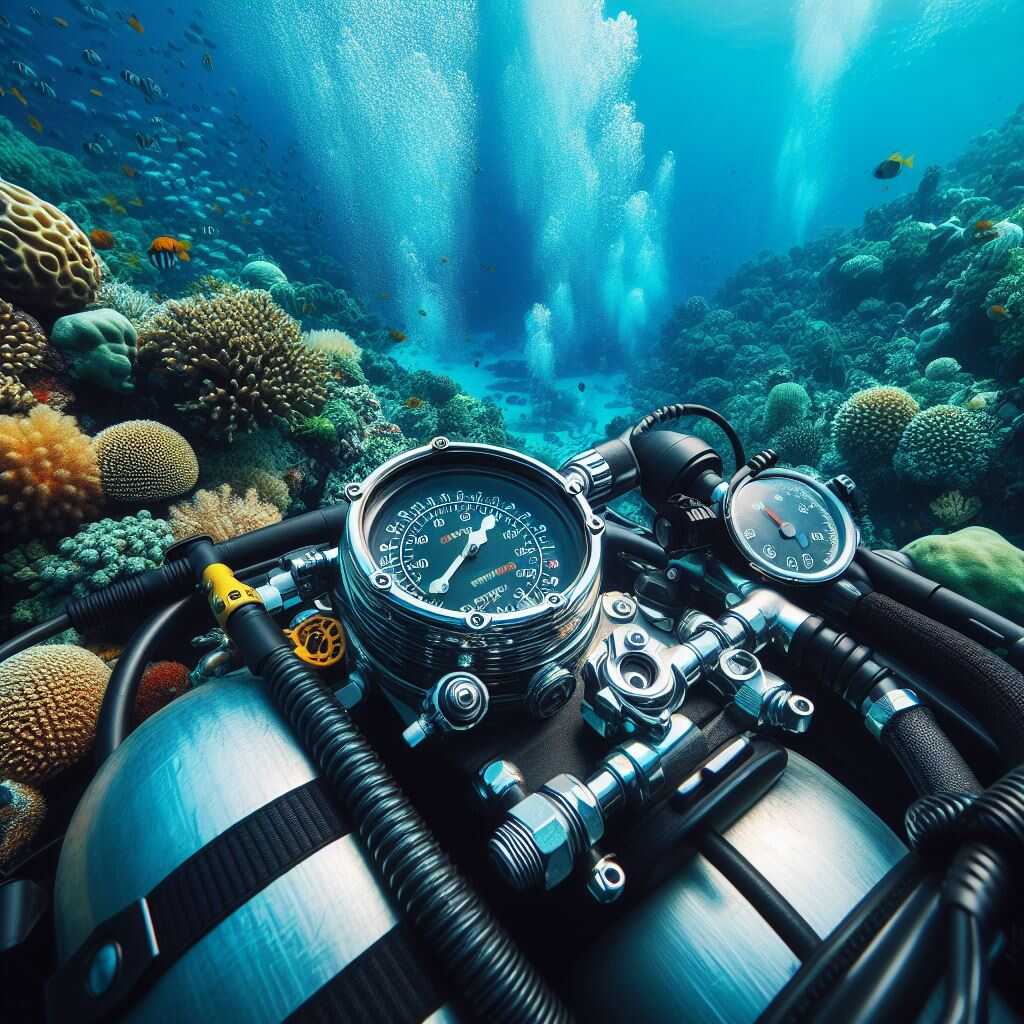
To safely extend your dive time, divers should focus on improving advanced buoyancy skills, managing air consumption, and monitoring dive conditions closely. Advanced buoyancy training enhances control over one’s position in the water, which allows divers to conserve energy and air. Key strategies include maintaining proper body alignment, using minimal movement, and practicing smooth ascents and descents. It’s essential to regularly check your air supply and be aware of any changes in depth as you dive. While training, divers should also conduct comparisons of buoyancy techniques to find what best suits them for extended dives.
Understanding the Role of Advanced Buoyancy
Advanced buoyancy skills are crucial for enhancing underwater performance and increasing dive duration. They allow divers to achieve neutral buoyancy, which means they neither sink nor rise uncontrollably. This skill minimizes energy expenditure, helping to reduce gas consumption. For instance, divers who can control their buoyancy effectively can manage their depth with minimal effort, thus extending their time underwater. Training exercises like weight adjustments and breathing techniques can further assist divers in mastering buoyancy control while maintaining safety during deeper or longer dives.

Essential Breathing Techniques for Maximizing Air Efficiency
Divers can enhance air efficiency by adopting essential breathing techniques. Slow, deep breathing helps maximize each breath, reducing air consumption. Techniques like the “diaphragmatic breathing” method, where divers focus on using their diaphragm instead of shallow chest breaths, prove effective. Equalizing pressure during descents also helps maintain steady breathing rates, further optimizing air supply. Every diver should practice these techniques during buoyancy training, as they significantly improve overall dive performance and extend dive durations.
Advanced Methods for Effective Air Conservation
Divers who want to improve air consumption can use advanced methods such as rhythmic breathing and exhaling slowly. Rhythmic breathing involves coordinating breaths with movements while diving, minimizing unnecessary air use. Another reliable method is the “box breathing” technique, which includes inhaling for four seconds, holding for four seconds, exhaling for four seconds, and pausing for another four seconds before the next inhale. This technique provides great control and enhances comfort underwater. Practicing these methods increases overall reliability and helps divers maximize air efficiency, leading to longer, more enjoyable dives.
Advantages of Enhanced Floatation Skills for Divers
- Improved air management promotes safer and more enjoyable dives.
- Advanced buoyancy training helps divers navigate more efficiently.
- It increases comfort levels and confidence underwater.
- Training reduces the need for unnecessary air consumption.
- Divers learn to minimize energy expenditure while swimming.
- Enhanced awareness leads to better environmental conservation efforts.
- Participants often build a supportive community through shared experiences and knowledge exchange.

Selecting Scuba Gear for Optimal Buoyancy Control
When selecting scuba gear for optimal buoyancy control, divers should consider several factors. A quality buoyancy compensator (BC) is essential. Ensure it fits well and provides proper lift. Consider the wetsuit thickness for thermal protection and buoyancy characteristics. A suit that is too thick can add unnecessary buoyancy. Additionally, select fins that provide efficient propulsion without excessive effort. Weight distribution is also critical; the right amount of lead weight balances your body underwater, directly affecting air consumption and dive duration. Research reliable brands that focus on performance and comfort.
Importance of Weight Distribution for Efficient Diving
Weight distribution is crucial for effective buoyancy control. The ideal lead weight minimizes excess buoyancy without compromising safety. Most divers can handle around 10% of their body weight in lead but must test to find their optimal level. This amount enables neutral buoyancy at a safety stop, which helps extend dive time and reduces air consumption. A well-weighted diver experiences less fatigue, thus enhancing their overall dive performance. Conducting a buoyancy check at varying depths assists in fine-tuning weight distribution, ensuring a smooth diving experience and improved air efficiency.
Inspiring Stories from Divers Who Mastered Buoyancy
Divers have shared remarkable experiences from mastering buoyancy skills. Many found that using advanced buoyancy training techniques greatly reduced their air consumption. For instance, a diver named Mike described how he learned the proper breath control techniques. This not only enhanced his comfort underwater but helped him extend his dive time. Additionally, Sarah, another diver, highlighted how focusing on body position allowed her to use less energy while exploring. Many divers reported improvements of up to 20 minutes in their overall dive durations after completing advanced buoyancy courses.
Techniques for Enhancing Buoyancy and Air Consumption
To improve buoyancy and air consumption, divers often focus on specific techniques learned in advanced courses. Proper breath control is essential. This means learning to inhale and exhale slowly and deeply while staying relaxed. Adjusting body position and using controlled movements can further enhance buoyancy. Some divers incorporate gear adjustments for optimal performance. These adjustments help ensure that divers can handle various underwater conditions efficiently. Additionally, ongoing practice and peer feedback help refine these skills over time, leading to improved diving comfort and longer durations underwater.
Diving Enthusiasts and Their Educational Needs
- New divers want to learn buoyancy control to enhance their skills.
- Instructors seek advanced training courses to offer their students.
- Environmental-conscious divers aim to reduce their air footprint.
- Experienced divers desire refresher courses to improve efficiency.
- Scuba enthusiasts explore new environments more easily with better training.
- Beginners benefit from focused instruction on handling their gear properly.
- The community often thrives on sharing tips for efficient diving practices.
Promoting Environmental Awareness Through Buoyancy Skills
Buoyancy training plays a vital role in enhancing environmental responsibility for divers. Advanced buoyancy skills help divers maintain neutral buoyancy, reducing contact with the sea floor and minimizing disturbance to aquatic ecosystems. This training encourages awareness of underwater habitats, empowering divers to avoid touching coral and sediment. Key practices include observing marine life from a distance, using proper dive techniques, and maintaining clean dive sites. Many divers find that after advanced buoyancy training, their commitment to environmental stewardship increases significantly.
Key Practices for Protecting Underwater Ecosystems
Divers can follow several key practices to protect underwater ecosystems while using buoyancy skills. First, divers should always maintain neutral buoyancy to avoid damaging fragile coral reefs. Using proper buoyancy control techniques helps reduce the risk of accidental contact with marine life. Divers should also avoid using gloves that allow for touching or grabbing marine organisms. Education programs focusing on responsible diving practices can greatly enhance a diver’s understanding of their impact on the environment. Engaging in clean-up dives further solidifies a diver’s role in protecting underwater ecosystems.