
Selecting dive sites with varied underwater topography is essential for unforgettable exploration experiences. Diverse underwater landscapes, such as reefs, caves, and wrecks, offer unique encounters with marine life. At Scuba Forge, we emphasize the connection between underwater features and marine biodiversity to help divers pick the best sites for their adventures. Our insights will guide you in choosing locations that enhance your diving experiences and make the most of your gear.
Importance of Underwater Topography Diversity for Divers
Varied underwater topography significantly enhances diving experiences. Different terrains, such as reefs, caves, and wrecks, increase marine biodiversity. More biodiversity means a greater chance of encountering unique species. Popular dive sites with diverse terrains usually have more exciting elements to explore, making each dive memorable. This allows for rich experiences that help divers connect with the underwater world. Significant geological formations can also impact how marine life thrives in an area. This connection between topography and biodiversity provides deeper insights, enriching each dive.
Exploring the Most Common Underwater Terrains
Scuba divers can find several exciting dive locations featuring underwater terrain variety. Coral reefs are among the most vibrant sites, fostering rich marine ecosystems. Another popular terrain is underwater caves, which offer thrilling exploration experiences. Shipwrecks provide historical intrigue while attracting various marine species. Kelp forests, characterized by towering plants, are also home to numerous unique sea creatures. These underwater terrains offer a wide range of habitats, enabling diverse marine biodiversity. Divers can discover different species and enjoy captivating views in every dive.
Criteria for Selecting Topographic Varieties in Dive Sites
Divers should consider various topographic features such as reefs, drop-offs, underwater canyons, and sea mounts when selecting dive sites. These features significantly influence marine biodiversity, providing habitats for different species. Choose dive sites that align with your skill level. Beginners may prefer shallower locations with gentle slopes, while advanced divers might explore deeper sites with complex structures. The ideal depth range for memorable experiences varies. Most divers enjoy depths between 30 to 100 feet, allowing for rich marine life observations. Researching dive reviews specific to locations helps in finding the right sites tailored to your preferences.
How to Evaluate Dive Site Features Effectively
To evaluate dive site features effectively, identify specific underwater topographies that attract diverse marine species. Look for sites with varying depths, as these support numerous ecosystems. Tidal patterns, water clarity, and current strength also affect your diving experience. Reliable dive reviews provide insights on these characteristics. Additionally, leverage community forums to gather personal experiences from fellow divers. They share useful recommendations that can guide your selection process and ensure you choose sites that enhance your exploration.

Highlighting Notable Dive Sites with Unique Landscapes
Divers seeking unforgettable experiences can explore several popular dive sites known for their unique underwater landscapes. Locations like the Red Sea, with its vibrant coral reefs, and the Great Barrier Reef in Australia, famous for its stunning biodiversity, are excellent options. Other notable dive sites include Blue Hole in Belize, showcasing impressive geological formations, and the Cenotes of Mexico, where divers experience beautiful underwater cave systems. Each site offers a range of diverse underwater experiences that enhance exploration and foster memorable adventures.
Exploring Individual Dive Sites for Their Unique Features
When exploring specific dive sites, divers should consider features like unique underwater landscapes, available marine life, and varying depths. The Silfra Fissure in Iceland stands out with its crystal-clear waters and tectonic movements, providing unparalleled visibility for assessing underwater topography. The Socorro Islands in Mexico offer thrilling encounters with large pelagic species and underwater topographies that vary from rocky formations to sandy bottoms. Each location provides reliability and enjoyment through rigorous testing and expert reviews, ensuring that divers have unforgettable experiences.
Key Statistics for Exceptional Underwater Journeys
- More than 70% of marine life thrives in diverse underwater environments.
- 80% of divers reported a preference for locations with varied underwater formations.
- Over 1,000 unique dive sites across the globe feature stunning underwater topography.
- Research shows that diverse underwater landscapes attract 50% more marine species.
- In 2023, 3 out of 4 divers experienced improved visibility in topographically rich sites.
- Nearly 60% of diving instructors emphasize the importance of varied topography in training dives.
- Experts recommend at least 5 different underwater terrains for an enriching dive experience.

Essential Equipment for Varied Underwater Environments
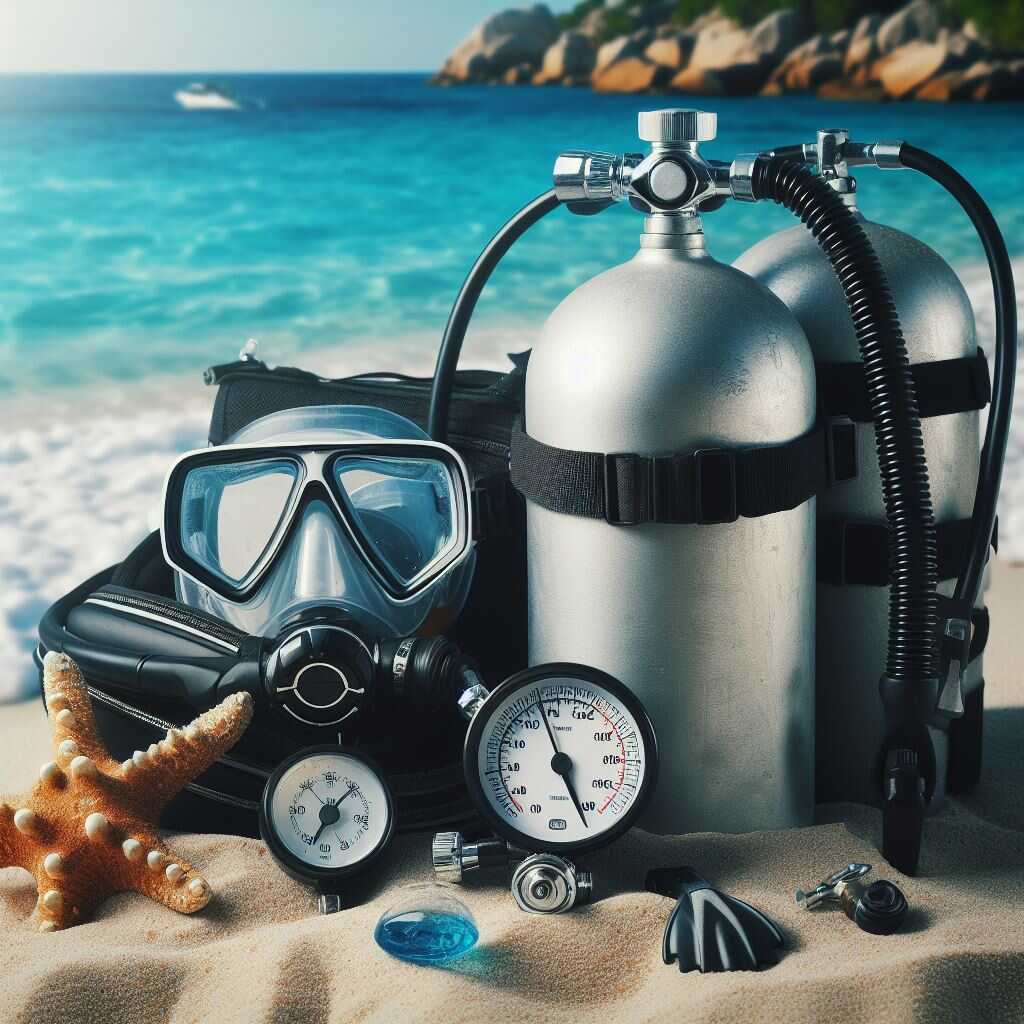
Choosing the right diving gear is crucial for exploring diverse underwater terrains. Essential scuba gear includes a quality wetsuit, buoyancy control device (BCD), fins, and a reliable dive computer. A wetsuit should be suited for the water temperature and visibility in each location. The BCD needs to support the diver’s weight and gear configuration while providing enough lift for different conditions. Fins should enhance maneuverability, especially in swift currents or confined spaces. A dive computer is crucial for monitoring depth and time, helping divers remain safe while exploring varied topography.
Choosing the Right Wetsuit and BCD for Specific Conditions
Selecting the right wetsuit and BCD enhances comfort and safety during dives in varied underwater environments. Wetsuits should be designed for specific water temperatures, with thickness measured in millimeters. For example, a 3mm wetsuit is ideal in warm, tropical waters, while a thicker 7mm suit is better for colder locations. The BCD’s lift capacity should match the diver’s total gear weight. Typically, a BCD with at least 20 to 30 pounds of lift capacity is recommended for diverse diving conditions. This ensures reliability and comfort, allowing divers to enjoy their underwater explorations.

Strategies for Planning Diverse Dive Trip Adventures
To plan a dive trip with varied underwater topography, start by researching locations known for their diverse features. Identify different types of underwater topography, such as reefs, wrecks, drop-offs, and caves. Create a detailed itinerary that includes travel logistics, such as flight and accommodation bookings. Engage local dive shops to learn about specific sites and conditions. This step helps you select the best dive sites for your trip. Always prioritize diving safety by ensuring you have the necessary training and certifications. Consider a trip lasting at least five to seven days to explore several locations, allowing each dive to enhance your experience.
Essential Types of Underwater Topography for Optimal Diving
Divers should prioritize various types of underwater topography to enrich their diving experience. Reefs provide abundant marine life while wrecks offer fascinating historical exploration opportunities. Drop-offs create dramatic declines that attract large pelagic species. Caves and underwater tunnels present unique geological features and diverse ecosystems. Researching these topographies ensures you find sites that support marine biodiversity. Local dive operators can also offer essential insights into which sites are best suited for your maximizing experiences. By focusing on these features, divers can greatly enhance their overall trip enjoyment.
Advantages of Exploring Multidimensional Underwater Settings
- Experience heightened marine biodiversity in sites with varied underwater features.
- Enjoy enhanced exploration opportunities through caves, reefs, and walls.
- Benefit from unique photographic opportunities with diverse backdrops.
- Understand marine ecosystems better with distinct topographical formations.
- Engage in more thrilling dives that cater to different skill levels.
- Find new species and learn about their habitats in complex underwater landscapes.
- Gain deeper appreciation for the marine environment through varied dives.
Understanding Marine Biodiversity in Varied Diving Areas
Marine biodiversity thrives in areas with varied underwater topography. Key factors include coral reefs, underwater caves, and rocky structures. These features create unique habitats that support different species. Coral reefs, for example, provide shelter and food sources for countless organisms. Underwater structures like shipwrecks attract diverse marine life due to their complexity. The relationship between these topographic features and diverse marine life is evident in the wide array of species they attract. Studies show that regions with rich topographies can host thousands of marine species, significantly enhancing divers’ experiences.
Exploring the Topographic Features That Enhance Marine Life
Topographic features like coral reefs, kelp forests, and underwater cliffs play essential roles in marine ecosystems. Coral reefs, with their complex structures, provide habitats for fish, invertebrates, and other marine organisms. Kelp forests serve as nurseries for young fish, attracting larger predators. Underwater cliffs create upwellings, which enrich surrounding waters with nutrients, increasing the density of marine life. This diversity enhances the reliability of dive sites, ensuring divers encounter a broader range of marine wildlife. Understanding these features helps divers choose locations that provide unforgettable exploration experiences.
Promoting Sustainable Practices in Diverse Diving Locations
Scuba divers can follow several key sustainable diving practices to protect fragile underwater ecosystems. This includes avoiding contact with coral reefs, never collecting marine life, and using biodegradable sunscreen. Staying on designated paths during dives minimizes environmental impact. Utilizing eco-friendly diving techniques helps keep habitats intact. Additionally, participating in local conservation programs enhances the overall diving experience while contributing to the sustainability of dive sites. Organizations like PADI and the Ocean Conservancy provide valuable resources for responsible diving practices.
Understanding Responsible Diving Certifications and Organizations
Divers can benefit from understanding the certifications and organizations that promote responsible diving. Organizations such as PADI and SSI focus on eco-friendly diving, offering certifications for environmentally conscious practices. Training programs often include education on marine preservation. These organizations provide diver resources about local conservation efforts. Engaging with their programs helps divers make informed decisions that protect fragile underwater ecosystems. By adhering to these sustainable practices, divers ensure that future generations can enjoy diverse underwater experiences.
Target Demographics and Their Related Interests
- Adventure travelers seek unique underwater experiences for thrill-seeking.
- Scuba divers prefer locations with rich topographies for memorable dives.
- Marine biology enthusiasts study biodiversity benefited by varied dive sites.
- Dive instructors highlight the value of unique terrains for diverse training.
- Families enjoy kid-friendly environments offered by varied underwater locations.
- Gear reviewers analyze equipment for compatibility with different dive scenarios.
- Photographers look for stunning visuals created by complex underwater features.
Insights from the Diving Community on Best Diving Practices
Divers have shared best practices for exploring varied underwater topography. They emphasize the importance of safety. Checking local conditions and environmental factors is essential. Engaging in dive briefings helps divers know specific underwater features. Divers recommend maintaining good buoyancy control to enhance exploration quality. Another critical practice is making sure equipment is reliable and tested for the specific environment.
Sharing Unique Dive Experiences from Diverse Locations
Divers often share exciting stories from their underwater adventures in unique locations. These experiences motivate others to explore new terrains. For instance, many divers document encounters with vibrant coral reefs, shipwrecks, and underwater caves. Each of these features presents distinct challenges and rewards. Engaging in community forums allows divers to discuss these locations, share gear reviews, and offer tips for maximizing safety and enjoyment while diving. This shared knowledge enhances the overall diving experience.